Camping in Kisumu

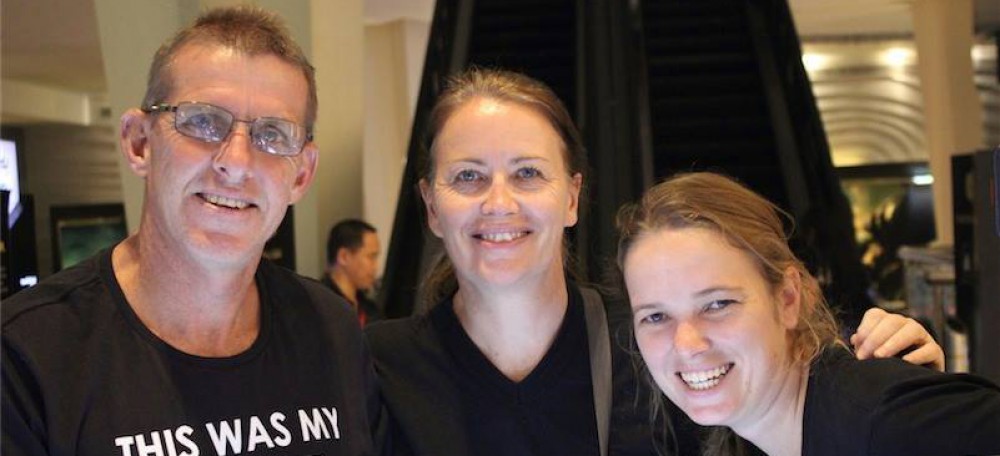
Actually it wasn’t Kisumu but Seme about an hour out of the city. The 8 hour drive was great until we got lost, in the dark, and the directions we had didn’t match what we could see. Then it became a 10 hour trip.

Seme (sem – aye) is right on the edge of Lake Victoria. It’s a very small village, up a long dirt road. Think of close to Uganda, just below the Equator and that’s where we were. It’s in the Nyanza District.

These students are in school for 11 hours each day. We got to spend an hour with them.

These students are in school for 11 hours each day. We got to spend an hour with them.

We were visiting some new friends who are helping with our visa requirements and are also putting up a childrens home. Pete has a wealth of knowledge when it comes to practical things but especially putting up buildings. Many people lose money in construction here because of dodgy builders who do a half decent job and never return.

How we got around Seme

How we got around Seme

While the weather in Seme was warm (29 degrees) we had to pass through rain and hail storms to get there. In fact we missed the turnoff from Kericho to Kisumu because we just couldn’t see anything, way too much hail.

From visits to other places I expected our hosts to live in a very small one bedroom house. Instead they had built a beautiful 3 bedroom, two storied place. On the second floor was an open walled meeting area which looked out over the lake. It was lovely.

The view from upstairs

The view from upstairs

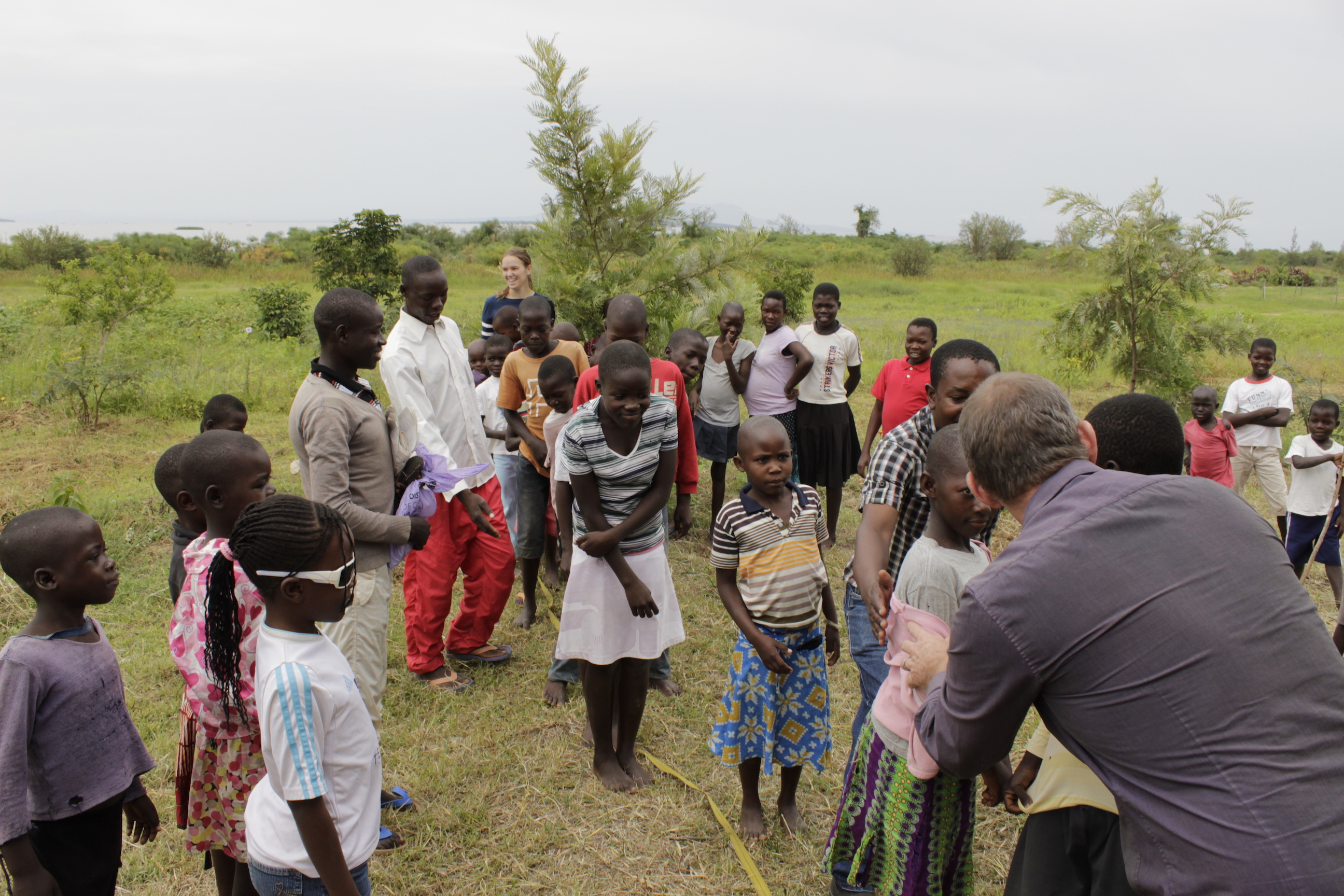
Because we got there so late we slept in the house that night and pitched the tent the next morning. The weekend was full on with visiting families, filming for BeyondWater, giving out a health pack to a soon-to-be mother, playing games with the kids at church and even a community consultation forum. In between Pete was able to peg out the building on the land.

Lindah, our host, showing a soon to be mum how to use the things we had bought her.

Lindah, our host, showing a soon to be mum how to use the things we had bought her.

Sleeping in a tent is great. That is until your blow up bed unexpectantly goes down in the wee hours of the morning. And it’s not so great to discover that you’ve pitched the tent right next to the chicken coop where a rooster starts crowing at 4am. I can do without running water and electricity but a rooster…. He was lucky not to become dinner.

However, having a fire burning and everyone sitting around it having a good time is priceless. Last year we bought a bunch of fireworks but never lit them off in case the neighbours thought it was gunfire. So we took them to Seme and within 10 minutes they were all gone. I don’t know whether they just aren’t as good or when you’re small everything is bigger and better, but fireworks just aren’t as good as they used to be.

Teaching the kids 'River/Bank'.

Teaching the kids ‘River/Bank’.

At least in the country you can see the stars. There’s too many lights in the city. It’s quite noisy at night as the sound travels a really long way, especially when a lake is involved. It seemed someone up the road liked to party every night. In truth, it was probably miles away, but it still went all night. Of course, when it’s dark, it’s really dark. Our wonderful hosts are trying to organize solar power to their house because the electricity provider is making it impossible for the average person to afford to get it connected. We brought with us 3 small solar lamps which lit up their house (and our tent) wonderfully. Apparently since we left, they’ve invested into one and the kids love it.

The camera doesn't do justice to the sunsets we saw.

The camera doesn’t do justice to the sunsets we saw.

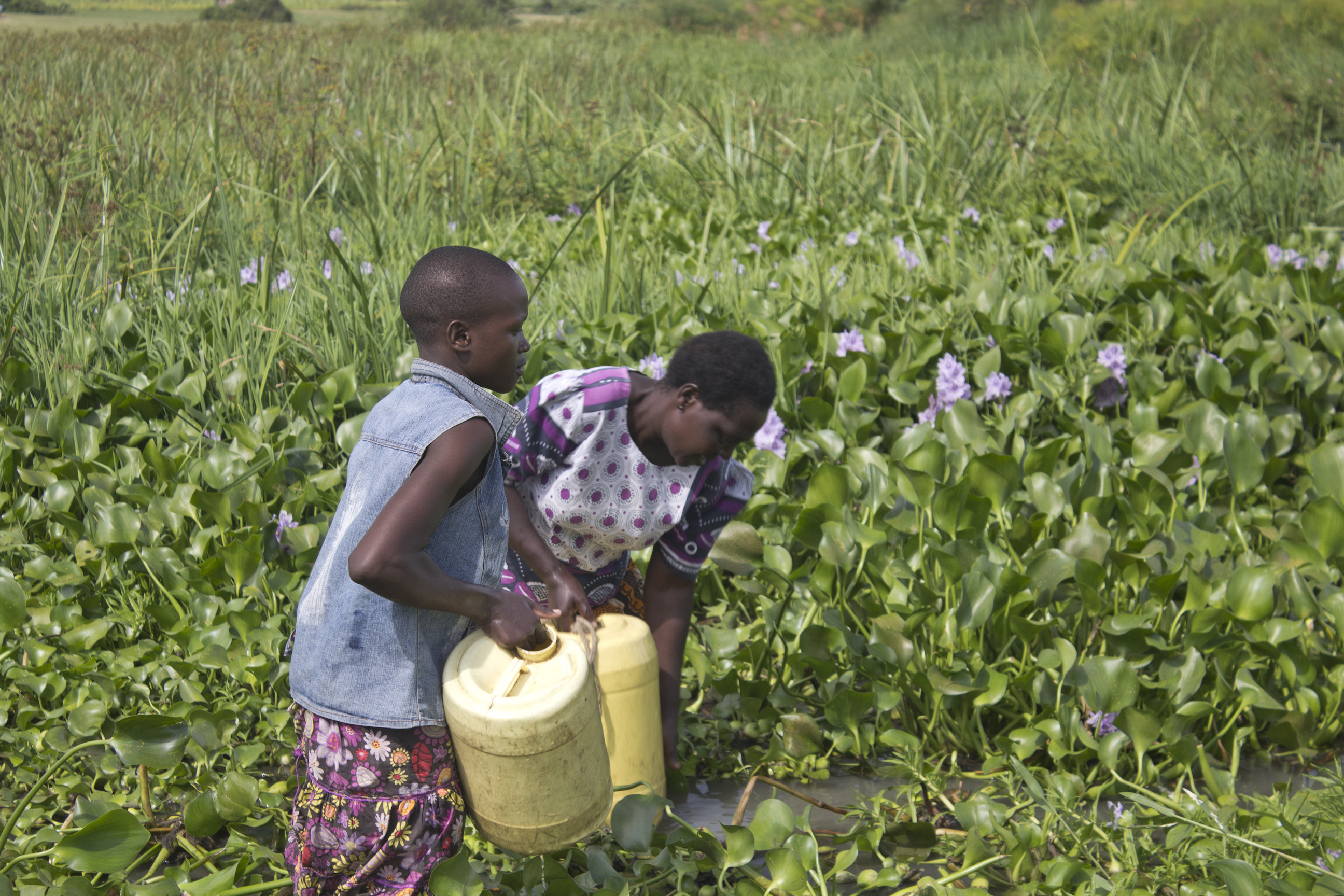
One thing I really noticed in Seme is that there’s this massive lake (Victoria) and it’s the only water supply for the area. It’s also very unclean. People bath in it, pollution comes from Kisumu onto the shores, it’s for drinking by humans and animals and for washing your clothes.

collecting 4

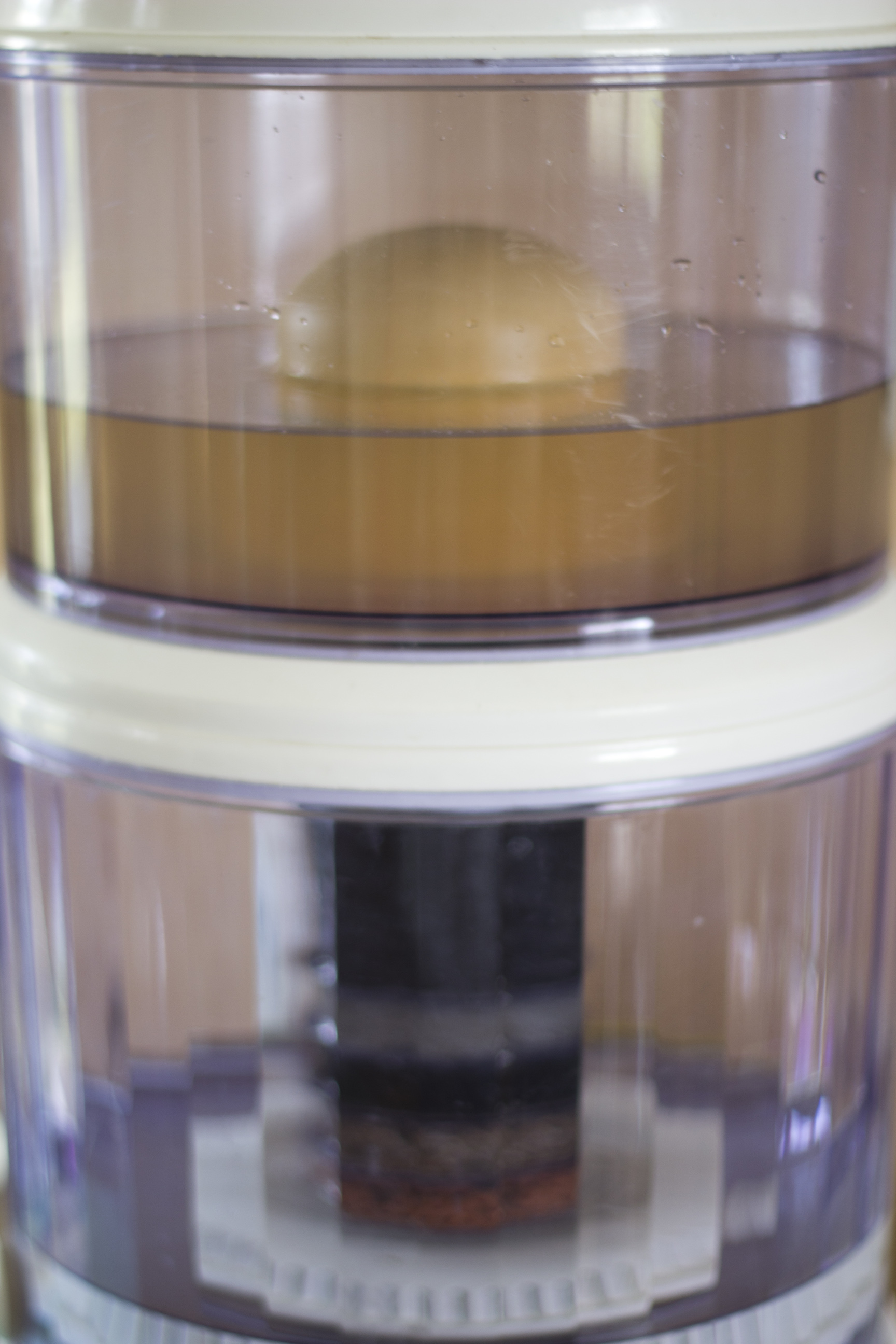
Lake Victoria is the biggest in Africa and it’s the largest tropical lake in the world. However, the people living around it have so many waterborne diseases. Thankfully our friends had a really good water filter.

When you live in this area you need a filter like this one.

When you live in this area you need a filter like this one.

Lack of clean water, no electricity, slow internet. If you’re fussy about any of these things, don’t go camping and don’t go to remote areas. When you’re there you find instead wonderful, hospitable people, young people hungry to learn, little children who love to laugh and communities who do it tough, but always with a smile.

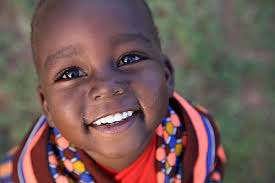
With a face like this, why wouldn't you want to come back.

With a face like this, why wouldn’t you want to come back.

Our friends thought we had really gone bush by tenting at their place. We felt honoured and spoilt by everyone and can’t wait to return.

The Life Of A Child

What is a child worth – a million dollars, a billion, a trillion?

I don’t think you can put a dollar value on the life of any person, let alone a child. Over the last year Pete and I have been working on a unique situation which couldn’t be told until he had left the country.

Early last year I was teaching a small group of boys at a residential rehabilitation farm about an hour out of Nairobi. Pete goes there a couple of times a week to help out the practical side of things. I was teaching an English class.

Basically what happened is that the father of one of the teenagers appeared as he found out his son was in the program. Many years before he had been granted refugee status in Australia and he had just returned to his homeland and stopped through Kenya on his way back. He found out his son was alive so came for a visit.

What proceeded for the next year was this father working with us to get his son to be reunited with him. It’s a very long and laborious process but we all held our breaths at every roadmark waiting to see if he would pass the test.

It’s certainly not as easy as one would think.

There’s the court case to make sure no human trafficking is taking place. You have to prove that this 14 year old actually belongs to both parents. He has to get a birth certificate, no easy feat in Kenya.

Many of the places we went to he had never visited.

Many of the places we went to he had never visited.

One of the first tests is a biometric one. It’s a flash name for fingerprinting but you have to go to an assigned testing station.

Then there’s the mandatory health tests for TB, HIV/AIDS and a full health check. It takes about an hour to get there and you have to book out 2 full days.

Before each test we have to feed the young man and his mother, it will be the only meal they will have that day because they don’t have much money to get by.

The dad has to get a form couriered by DHL because he’s told that it has to be an original form and not a scanned one. I meet with the mother to get her signature. She travels about an hour for a 5 minute meeting. I then call the Australian High Commission about dropping it off and the lady says ‘you can always just scan it and email it through’. I dare not tell the dad that he didn’t need to pay the $60 to courier the A4 paper through after all.

It was only 2 days later we got the news that Sam (not his real name) had been given an all pass visa to move to Australia. We were so relieved, he finally could go to his new home.

But it isn’t that simple.

Imagine, this kid has never lived anywhere but Nairobi. He hasn’t finished primary school and the only aeroplane he has seen is in the sky. In Kenya not just anyone can enter the airport terminal, only those with a ticket. Sam would not have a clue of what to do or where to go. He’s intelligent but it would be way overwhelming when it comes to travelling.

So, we go and book his flight and at the same time. I will be travelling part way with Sam – only to Dubai. From there he will become Emirate Airlines VIP.

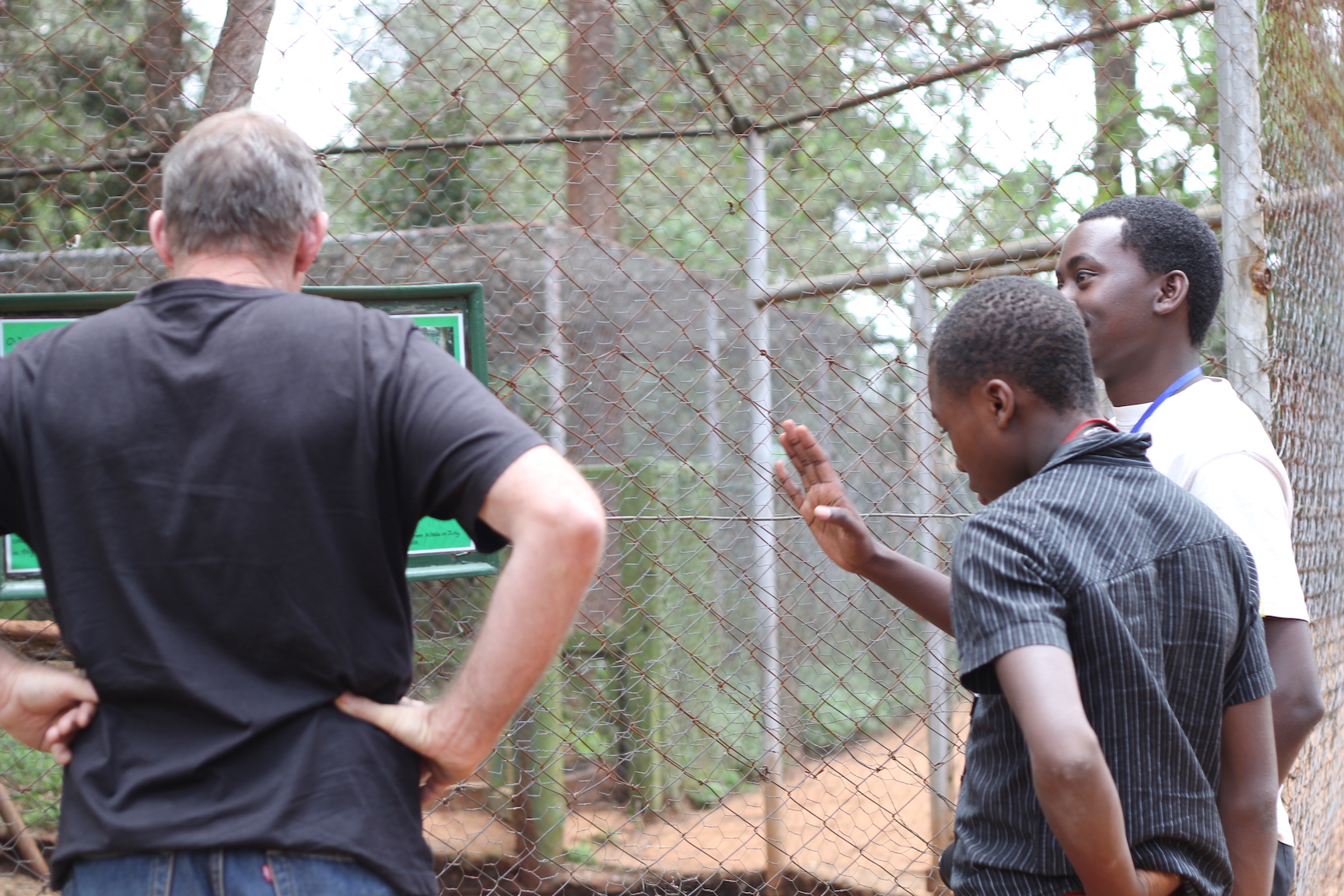
A tour of the animal orphanage to see a lion close up.

A tour of the animal orphanage to see a lion close up.

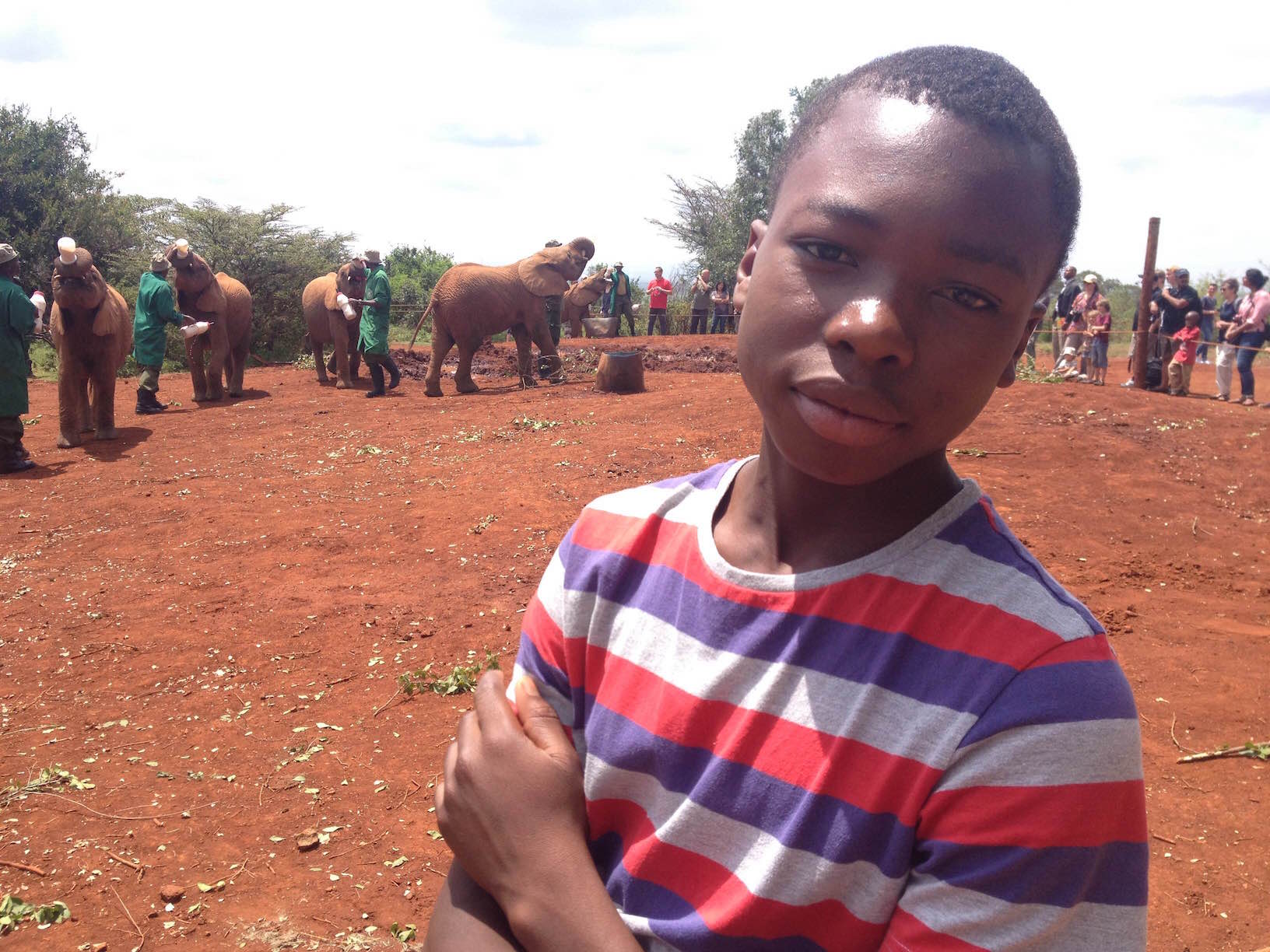
After this I realized that this kid has never seen real wild animals. It’s a sad state but many children in Kenya haven’t simply because they don’t have the money for it. After chatting with his dad, we were given permission to take him to some animal game parks. One week we took Sam to see the baby elephants and then to the giraffe centre. The next week he got to stay overnight with us and at 6am the next day we spent hours driving through the Nairobi National Park. We couldn’t spot the lions so ended up going next door to the animal orphanage where there are caged lions who cannot be released back into the wild. At least he could see them in the flesh.

Very difficult to get a smile out of this kid!

Very difficult to get a smile out of this kid!

Often in poor families the kids all share the clothes. Whenever we have seen Sam we see him in different shoes and clothes, which often don’t fit properly. Today we take him to get two sets of clothes, brand new ones. That way, when he gets to cold Australia he won’t freeze too much (we hope).

I have to mention Sam’s parents. Both of them are brave and committed to this huge step for their son. It is difficult for any mother to release her child to someone on the other side of the world. She doesn’t have access to the internet. She doesn’t have a post office box (no mail boxes here). The likelihood of him calling her is very small. She won’t see him for years.

The father has spent A LOT of money not only for a ticket but all of the expenses involved in the process. He also has a new family in Australia he is providing for. The easy road would’ve been to forget his son or send money every now and then to the mother. Instead he chose to go on this long journey which never had any guarantee of success.

Mum and son

Mum and son

A child is not a small adult. They are vulnerable. They don’t think and act like an adult. They are immature and make dumb mistakes.

But they have hope and vision. They believe BIG things for themselves.

For this kid, the world is now his oyster. The possibilities for Sam are endless and we look forward when we return to Australia next year to see how he has blossomed.

He has a new home, bedroom and family waiting for him. He will go into high school. He will achieve his goal of going roller blading.

He will do well.

It has been an honour for us to be involved in this year long process and wouldn’t have swapped it for anything.

It’s been worth it because Sam is worthy.

Run, run as fast as you can

One of the few things my father left as a legacy was the love of running. I can’t remember what age we were made to start running but I remember being in middle school. I never entered competitions except for the Round The Bays in 1983, just after my father died.

I’m not a fast runner, now I do what I call a ‘granny shuffle’.

But I do like to run. At 46 though, the body doesn’t quite bounce back like it used to.

We’ve lived in Kenya since 2012 and I pretty much decided that running would go on the back burner. While we lived in Sydney I could jog along the streets and then the beach, it was great. I entered the City to Surf, the biggest funrun in the world where 80,000 people run the 14km trek up Heartbreak Hill to Bondi Beach. I ran it years ago.

My finish wasn't so enthusiastic.

My finish wasn’t so enthusiastic.

Nairobi is a little (okay a lot) different to run in. I can’t go for a run before 6.45am as it’s just getting light. At that time of the morning there are footpaths full of people making their way to work. There’s no ‘keeping to the left’ you just have to squeeze in between the crowds. I actually like to go later when there’s less people but it’s way too hot.

One of the biggest obstacles for safely running here is the footpaths, or lack of them. Around where we live there are a few footpaths but they have holes in them or are broken up in places. When you’re running you kind of feel like you’re in a cross country event. About 200 metres from our place you turn a corner to go down and up a hill. You would have to be insane to try and even run over that spot. A few times I’ve nearly twisted my ankle on loose rocks.

And then there are the trucks.

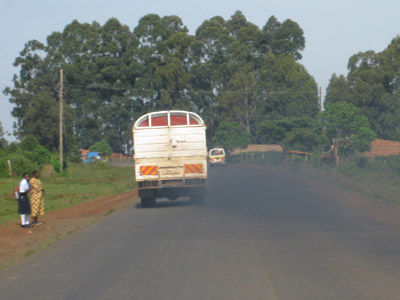
I don’t know what it is about trucks here but they are way overloaded and go slower than a snail up hill. They puff out this thick, dark smoke that doesn’t go in the air but out at face level. It’s gross.

This photo doesn't even show how bad the smoke from the trucks are.

This photo doesn’t even show how bad the smoke from the trucks are.

So for the first few years I didn’t bother running. I set up a home gym area but once you get up to 100 squats, situps, pushups and the like, what’s next?

We returned back from our overseas trip a month ago and I decided ‘what the heck, why not give running another go’. So I have.

I’m only a couple of weeks into it, and amping up the anti to see if my foot can handle a run three times a week. I’ve a Morton’s Neuroma under my right foot which plays up whenever it feels like it. It’s like having a hot, sharp poker up through your foot. In 2011 and 2012 I climbed Mt Kilimanjaro in Tanzania. In 2012 the last day was excruciating because my foot played up so much. I just couldn’t wait to get down.

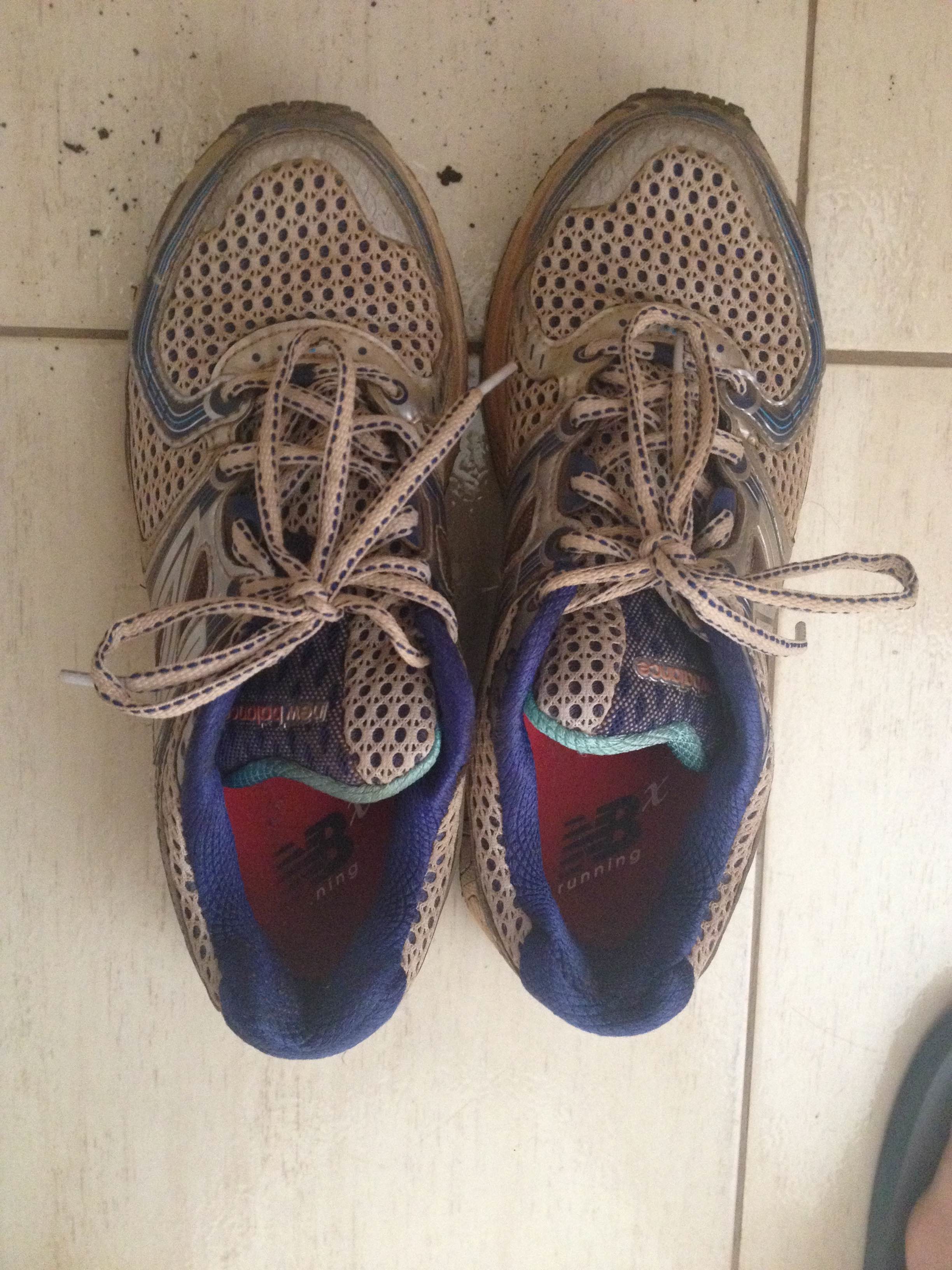
My faithful runners.

My faithful runners.

On March 8th, Lizzie and I will be running 10km’s in ‘The First Lady’s Half Marathon’ around Nairobi. I really want to get up to a half marathon status but not sure if my foot would make it. One of my dreams is to run in the Lewa Marathon through an animal conservancy. Here’s hoping I can do it by next year.

So why do I run?

I run because I like getting out there with my headphones on and not worry about all of the world’s problems. I need to run to keep myself fit. When I run I drink a lot more water than if I sit in front of a computer all day. I run because I can’t afford to go to a gym.

And I run because I like it.

Why Kenya

I always get amazed on what draws people to come to Kenya to work or volunteer. Everyone has a story and I try and get them to tell me.

Some come to escape from their former life. Others to get themselves up the ladder of success in business. Some found that this was the only way to get to see this part of the world.

And then there’s me.

Food is an important medium for connecting.

Food is an important medium for connecting.

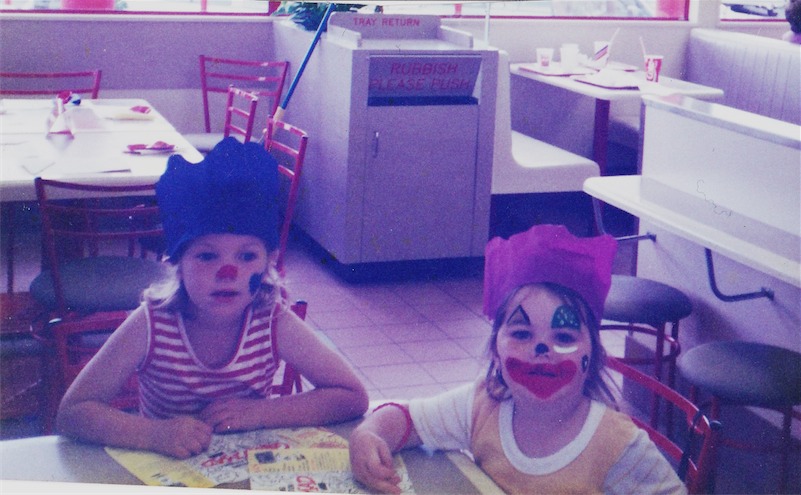
When I was in Standard 4, at about 10 years of age, we did a study – The Manyatta of Kenya.

I’m 46 years old. In ‘my day’ very few people travelled internationally. I remember one friend whose entire family went to Disneyland and they brought back a huge (and I mean huge) Winnie the Pooh. Another friend went to The Netherlands. But that was about it. I remember the same year that a plane full of tourists from New Zealand flew to Antarctica and them all perishing on a mountain there.

And then there was me.

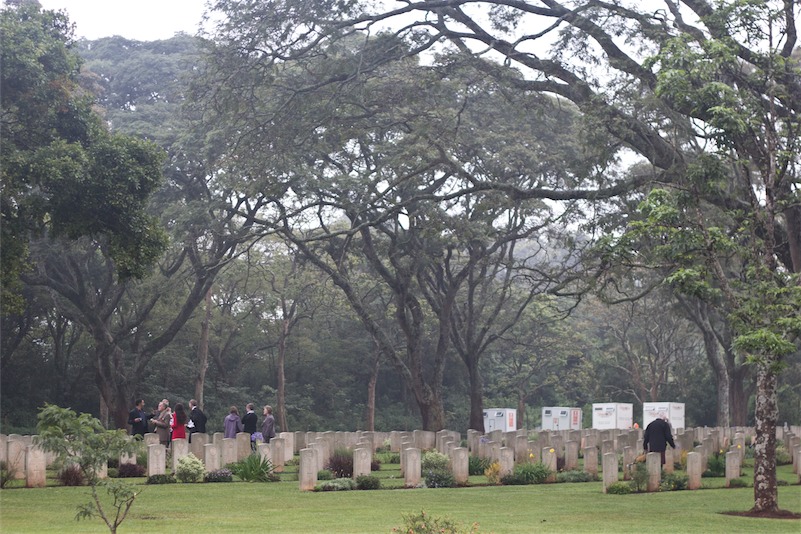
The War Cemetery is one of the tidiest places in Nairobi.

The War Cemetery is one of the tidiest places in Nairobi.

We didn’t own a car until we inherited money from a grandparent passing. I remember travelling out of town once or twice.

Over my teens I had grown up reading adventures of people who had travelled through China, Africa, South America and India. But I’d never been there.

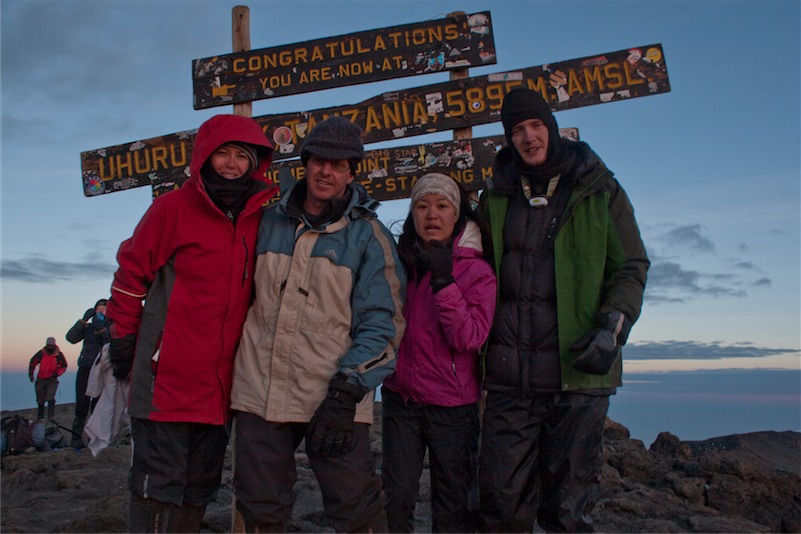
At the top of Mt Kilimanjaro, Tanzania.

At the top of Mt Kilimanjaro, Tanzania.

The first time I travelled internationally was when Pete went to college in Australia for 3 months, so we packed up and headed for the Sunshine Coast. Our girls were 8 weeks and a year old, I was 22.

A couple of years later we went to India for a few weeks, left the babies behind and had a blast. We would’ve been happy to move there but things didn’t pan out that way.

As the years went by we hosted plenty of international development workers or missionaries, many who worked in Africa. We threw (not literally) our girls out of their beds for our visitors. The girls thought it was cool, they didn’t know any different. I home schooled them for 6 years and integrated a lot of history, country information and cultural teaching.

You can't come to Africa and be in a hurry.

You can’t come to Africa and be in a hurry.

Then life took a turn.

We moved to Sydney, Australia where we’d never been before. Set up a new life, and it was great. That was 2002.

In 2007 I had the opportunity to travel to Kenya to graduate my students. I emailed a Kiwi friend of ours who we hadn’t seen for a few years and met up with them. It was great seeing their work with streetboys. I returned home for only a few weeks and then had to go to Ghana for a seminar. Ghana was so different to Kenya. East and West are like chalk and cheese.

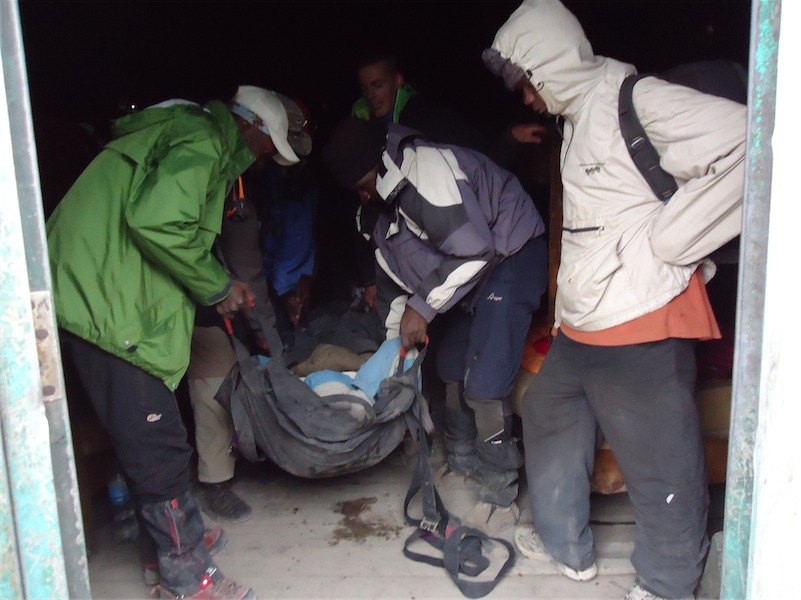
Pete being walked down Mt Kilimanjaro with a broken leg.

Pete being walked down Mt Kilimanjaro with a broken leg.

In 2009 Pete and I decided that we wanted our girls to have a bigger world view. We wanted to show them that not all of the world was white, English speaking and middle class. So, we took them to Africa, specifically Kenya, Uganda, Rwanda and Tanzania. Our youngest daughter DID NOT want to go. She had just finished her last year at high school and decided she ‘wanted to work’ we told her she had the rest of her life to work, and she was coming.

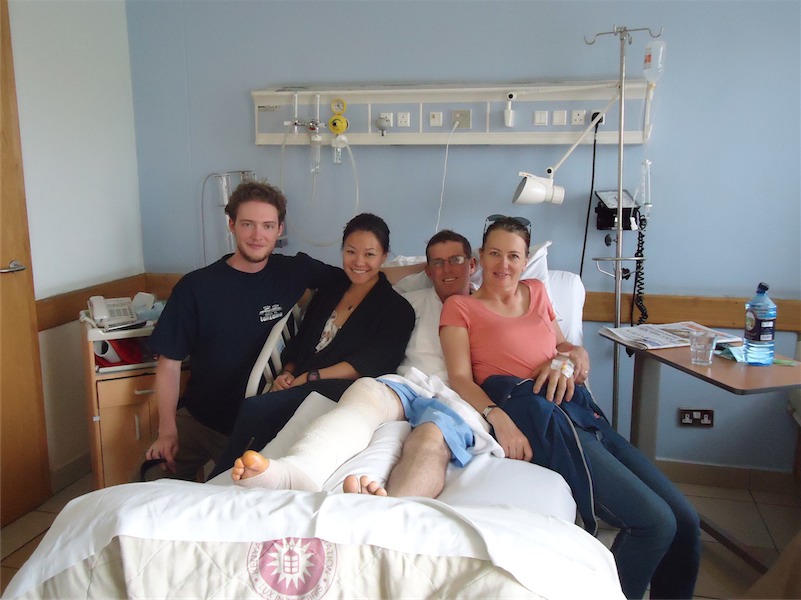
Pete was flown to Nairobi to receive top class medical care.

Pete was flown to Nairobi to receive top class medical care.

For a year we saved, sacrificed and made budget. A couple of other young people came with us some of the way. It was a cheap trip – buses, backpackers and motorbikes. We had a blast (most of the time). After 8 weeks we returned home tired but changed.

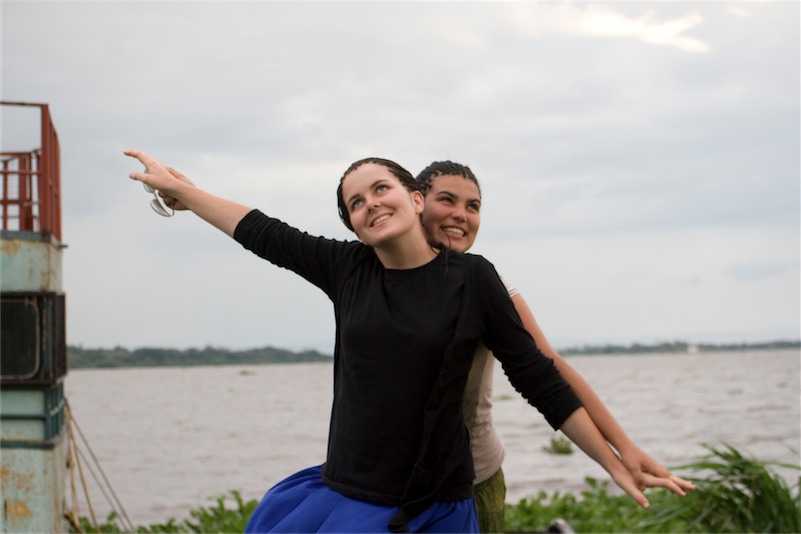
titanic

Han & Jules on Lake Victoria

In 2010 Pete and I went to Hawaii to drop Hannah off at school. It was there that we decided to move out Sydney, we were bored. The answer was either Hawaii or Kenya. I LOVE Hawaii, love, love, love it. But we thought ‘what the heck, what have we got to lose by going to Kenya?’

In 2011, Pete, Liz and I returned to Africa with the specific thought of ‘Could we really live here and what could we do?’ This time for another 2 months but it was to Kenya, Uganda and Tanzania (Climb Mount Kilimanjaro). Pete broke his leg on the mountain, so he stayed back in Nairobi and Liz and I went throughout Uganda checking in on our projects. The change in plans gave us a longer time to see if Kenya would be our new home or not. We’d travelled through lots of countries but there was something pulling us back to Kenya.

Nairobi is bustling with small businesses.

Nairobi is bustling with small businesses.

Nairobi was the most modern city we visited. We had people we knew there. It could give us easy access to other countries. We liked it. We liked it enough that we moved in 2012.

While there is lots of wildlife which is absolutely the coolest, it’s the amazing people that you get to meet. Those who struggle from day to day but keep a positive attitude. Those who are starting out in business and doing well. Expats who come here for some sort of experience.

The scenery is amazing.

The scenery is amazing.

Nairobi is made up mainly of Kenyans but there are representatives from pretty much every nationality on earth.

DSCF2031

And so are the people.

Kenya is never dull and boring. There’s always something to do and people to meet. There is a lot of history here (which I love). It’s diverse and interesting. You’re always learning something new. We’re close to our water projects and the communities we work with.

We could’ve gone anywhere in the world and it we would’ve been fine but we chose Kenya.

Actually, I think Kenya chose us.

Dispelling the Myths

There are lots of things that people ‘know’ about Africa but it’s actually what think they know. Stuff we’ve read online or more likely, what we’ve heard from others, their opinions or third hand knowledge.

Today I’m going to tell it like it really is so you can see a different side to what life here. Just remember, Africa has 54 countries, that’s a quarter of the number of countries in the entire world. Here’s 6 myths people hold about Africa.

Africa is huge.

Africa is huge.

 1. Mud Huts

Not everyone lives in a mud hut. In Kenya, 32% of people live in cities, Uganda 15%, Algeria 72%. Most of those people live in apartment blocks. In Nairobi where we live there are guards and sometimes guard dogs at the gated entrance of the property. While there are some houses, these tend to be in certain suburbs. Many homes tend to have house help. On the day we moved into our apartment, the caretaker offered his daughter as our househelp, all for $120 per month. We said no thanks.

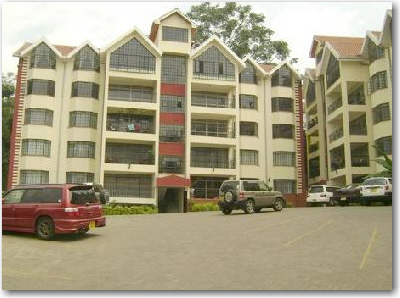
hut  apartment

 2. Security

We have people staying in our home all of the time. They might be students coming to do research for their studies or perhaps taking a break from working in remote places around Africa. I love having people over. If I had a bigger house I would probably have a whole bunch of teenagers living with us who really need a place they can call ‘home’.

The number one question I get asked is ‘Is it safe there?’ Safety is all-relative. It’s not safe for me as a white person to walk around the streets at night, but it is during the day. We work with young people who live in the Kibera Slum. They are amazing and give me hope for our country. However, I am unwise to walk through Kibera by myself. Therefore, I go with people who live there.

Unfortunately, you can never take security for granted. We live in a relatively safe area but I still lock the car doors when I get in. We are always aware of things like our bags, phones and wallets. When we go to a slum, I take off my jewellery and leave anything I value, at home. If you wear it, you have to be prepared to lose it.

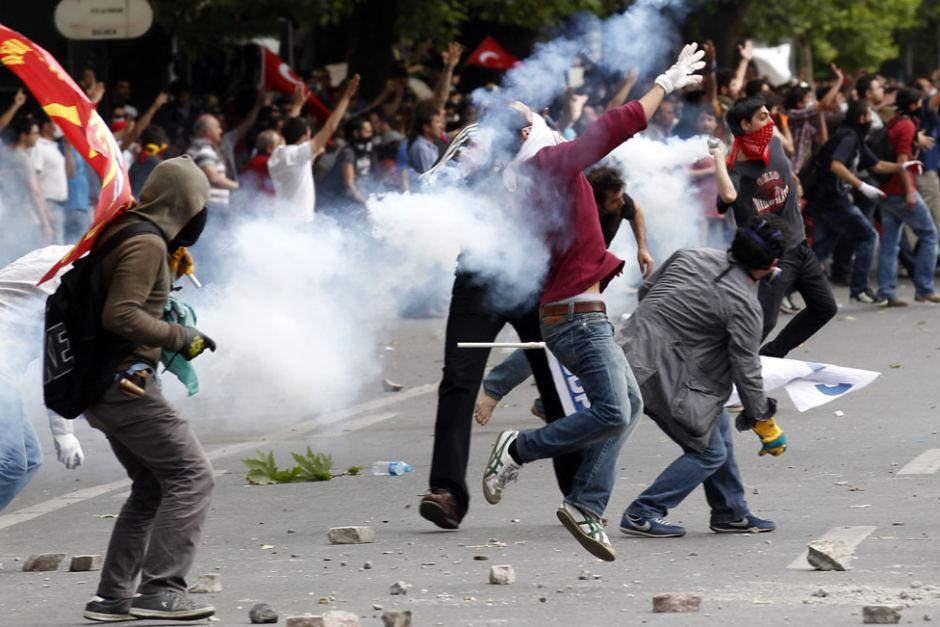
Kenya has been rocked by a number of security issues. In the last two years we’ve been involved in a rock throwing/riot situation while working, bus blow-ups (we don’t catch them if at all possible), attacks at the Coast and of course, the Westgate attack a year ago. It sounds bad but it doesn’t affect you too much unless you are involved. Even when we were running the kids program and we all had to huddle inside because the hall was being pelted with rocks, we didn’t feel afraid. We were just concerned how the little kids were going to get home safely.

The thing about acts of terrorism though is that you don’t know when and where it’s going to happen. You have to be alert and use the brain you’ve been given.

We are thankful that over the past two years we haven’t been carjacked or anything on our persons stolen. We’ve heard of it happening to lots of others but not us. May it so continue.

riot3. Money

There is money to be made in Africa. Get it out of your mind that the streets are lined with people begging with a bowl saying ‘please sir can I have some more’. Yes, there are beggars and homeless people (just like the rest of the world) and yes, a lot of people live in poverty. But – there are also people with money.

The top African countries with millionaires include South Africa, Egypt, Nigeria, Kenya, Angola, Tanzania and even Algeria. Throughout the continent there are more than 130,100 millionaires. There are 27 billionaires.

I’ve been travelling to East Africa for 7 years. In that time there’s been an obvious sign that there is a developing bigger middle class – the number of locals at the coffee shop at the shopping mall and those shopping there. There’s also been a huge increase of cars on the roads. I am forever seeing Mercedes on the road!

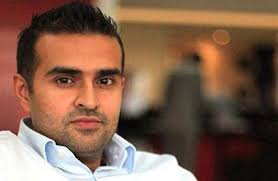
Ashish Thakkar - Africa's youngest billionaire

Ashish Thakkar – Africa’s youngest billionaire

4. Modern Facilities

There is a huge difference between life in the city and that in the village. We have running water, electricity (most of the time), more footpaths and lots of shopping malls. In the village there might be one small shop to buy something from or, you jump on a bus to go to the nearest town. It’s basically opposite to a city. You have to buy water in a jerry can, you probably don’t have electricity.

In Nairobi, we have a number of slums that don’t have running water or sanitation facilities. We also have a large portion of locals who have never even stepped into a slum. On the other end of the spectrum, you have young people from well off families that don’t even speak Swahili (official language) because they go to private international schools.

We are quite spoilt in Nairobi, we can pretty much buy any food that we want. It’s not always available but when it is, it’s great. There are lots and lots of places to eat out and plenty to do. Nairobi is not a place you can get bored in. We’ve friends in Uganda, Tanzania and Ethiopia who, when they visit are ecstatic at what food and items we regularly buy. My husband Pete went to Ethiopia last week and half of his bag was full of sugar, meat and chocolate for an associate, because they couldn’t even get things like sausages.

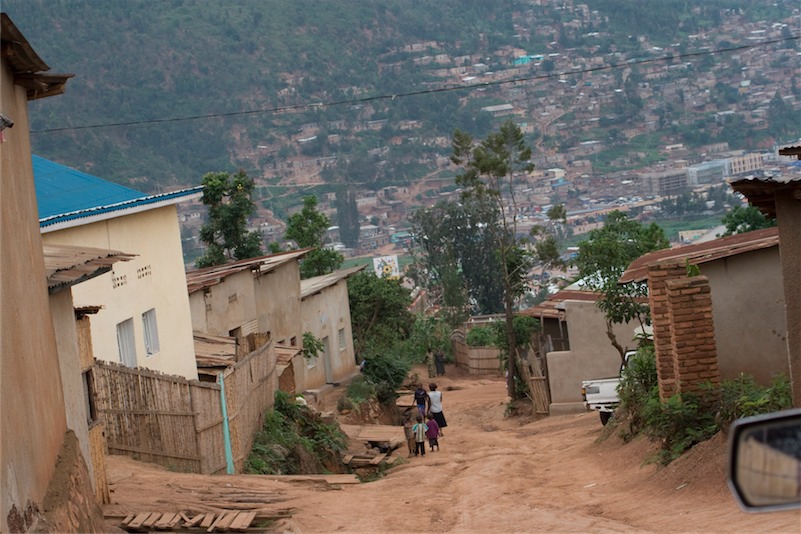
On the outskirts of Kigali, Rwanda

On the outskirts of Kigali, Rwanda

5. Technology

East Africa has ridiculously cheap Internet. In Australia I was spending $100 just on my phone plan and then about that much more on a telephone/TV/internet package. $45 gives us unlimited wireless internet, TV package and a landline phone (which we never use). I use $5 for phone/SMS and another $5 for internet on my phone. And that’s on a busy month.

What I really like is that you can buy a scratchie card and put credit on your phone for as little as 50 cents. MPesa is a very cool monetary system established by Safaricom. Let’s say I need $5, anyone can send me that through the phone and I get it in an instant. I can then go and withdraw it or use it to buy goods or pay a bill. I often send Pete airtime on his phone via mine. I remember when Pete broke his leg when we were in Tanzania, on Mt Kilimanjaro and I called back to our friends in Nairobi to tell them and also, could they send me some credit on my phone – and they did. Got to love this system.

mpesa

In 9 days we fly out to Australia and New Zealand for our daughters’ wedding and we all know that we will have a heart attack on how expensive our phones will cost us. One phone package in New Zealand will cost me 4 months of what we would spend here.

6. It’s Hot

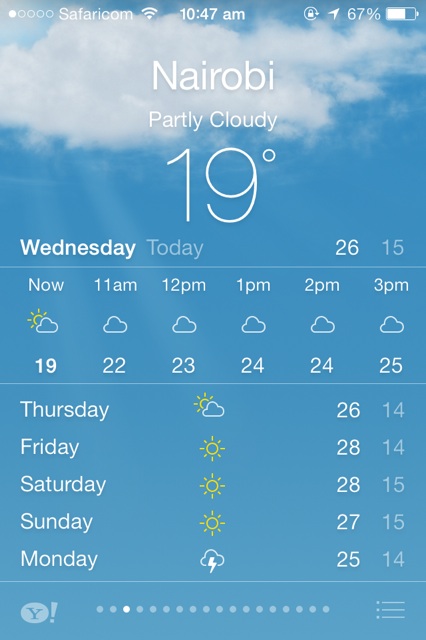
As I write this blog I’m sitting in jeans, wearing a jumper and have my ugg boots on. Okay, it’s not that cold but wearing uggies is comfortable around the house. Google tells me it’s 19 degrees and will hit 24 later. Very rarely does Nairobi get to 30 degrees.

Sahara Desert

Sahara Desert

You don’t have to travel far and there’s a huge temperature difference. In Garissa (4 hours away) it’s often 35 degrees. The Lake Turkana area often gets to 50 degrees. So yes, it does get hot here but not like what people think. During the middle of the year the temperature drops to around 13 in the morning, rainy seasons are in June/July and November/December. Things have been much drier this year and the rains in June just didn’t come. I’m seeing signs of the coming rains so it actually makes me happy. Outside of the city it’s dry and brown, here’s hoping it greens up fast.

tempDon’t believe everything you hear on the news about Africa. It’s a place of adventure, challenges and amazing people. You should come on over!

boy

Safari at the Nairobi National Park

Last Monday was Heroes Day here in Kenya, for us, that meant a day off. We haven’t been to a national park for the entire year. That is shameful considering we have 15 national parks and even more so conservancies in the country.

2 giraffes 3 Because we’re residents and have an ID, we get in ridiculously cheap compared to tourists. Instead of paying $50 to get in, it only cost us $10.

baby zebra We packed snacks and hit the road by 7am. I love the traffic on public holidays and Sundays, where it’s pretty minimal. What takes us 15 minutes on a Sunday can take 2 hours during the week. Of course, we had to do the mandatory stopoff for gas. The last thing you want is to run out of petrol in the middle of nowhere.

billed bird Getting into a national park is no easy feat. First, you have to go through your car getting checked by security and they ask you where you are going (as if they’ll remember). Then you have to get a safari card from one office, get in your car, wait in line to go through the main gate and sign in your car. If there are lots of people it can take a good 30 minutes to get through.

in grass Once we were paid in, checked out and signed in, we were off. To be honest, I was quite sceptical about what animals we would see. We’ve been to some amazing parks in Kenya. Amboseli has a huge amount of elephants while Nakuru has a lot of water life and closeups of a variety of animals. We’ve even cycled through Hell’s Gate. We are so lucky to live in a country where you can see some amazing wildlife.

weird 2 The last time I went to the Nairobi National Park I didn’t see much as I was stuck in the back of a vehicle, so anything I saw had to be better than this. I had to say, I was super impressed by what I saw.

Yes, these are hippos.

Yes, these are hippos.

Sure there were plenty of buffaloes, wildebeest, zebras and gazelles. However, to see at least 8 giraffes and 2 massive rhinos. We didn’t see a lion but they haven’t seen them there for ages. We figured that the two huge humps in the lake were hippos. Hippos can stay under water for 30 minutes, but we didn’t hang around that long.

angry baboonI didn’t know there was a lake inside the park, but there is. There’s even some places you can go (for a fee) with an armed guard on a walk through a certain area. With baboons and the such around, you need a guard. We didn’t do it because we hate paying for a ‘service’ when they’re already getting paid.

Where we got stuck

Where we got stuck

Going around the lake was a highlight of my day. Not because of the amazing birdlife that is there but because we got stuck. There are stacks of people travelling around the park and we had just passed a Land Rover full of white people who we found out were Kenyans (they sounded British), they called themselves ‘Vanilla Gorillas’ and were well into their 70’s. They told us there was a small muddy part just ahead but we should be able to get through it. We got to the mudhole and I remember saying “Go around it” when Pete suddenly went straight through the middle of it and within seconds we were stuck like nobody’s business.

Our rescuers

Our rescuers

We weren’t going anywhere.

We weren't going anywhere

We weren’t going anywhere

Pete immediately jumped out to give it a push – it only got stuck further. Thankfully the white Kenyans returned and proceeded to pull us out. We had a tow rope in our car and when Pete got it out he realised that my gumboots were sitting there which he could’ve used.

pete washingMuddy footed, he returned to the car and we decided not to continue on that route. Instead, it was time for food.

It was great that we took picnic food with us because there’s the odd place you can take a break from sitting in your car and have a snack. After a couple of hours there’s nothing like a cup of tea and carrot cake (thanks Liz!).

bird on sign We’ve had a bit of rain lately, which is abnormal for this time of year. Thankfully, the road/dirt tracks were in good condition. It did belt down in the early afternoon which was handy to get the acquired mud off the car.

7 hours later we returned to the main gate. There, you have to sign your car out before you’re allowed to leave. 30 minutes later we were home, Pete a bit wet, but all of us very happy that we took the day out to enjoy the amazing world we get to live in. blue bird

Even if you don’t have wild animals living on your back doorstep, can I encourage you to get out there and get in tune with nature. Go for a walk, paddle in a lake, watch the wildlife and breathe in fresh air!!

We Made A Mistake (a few of them actually)

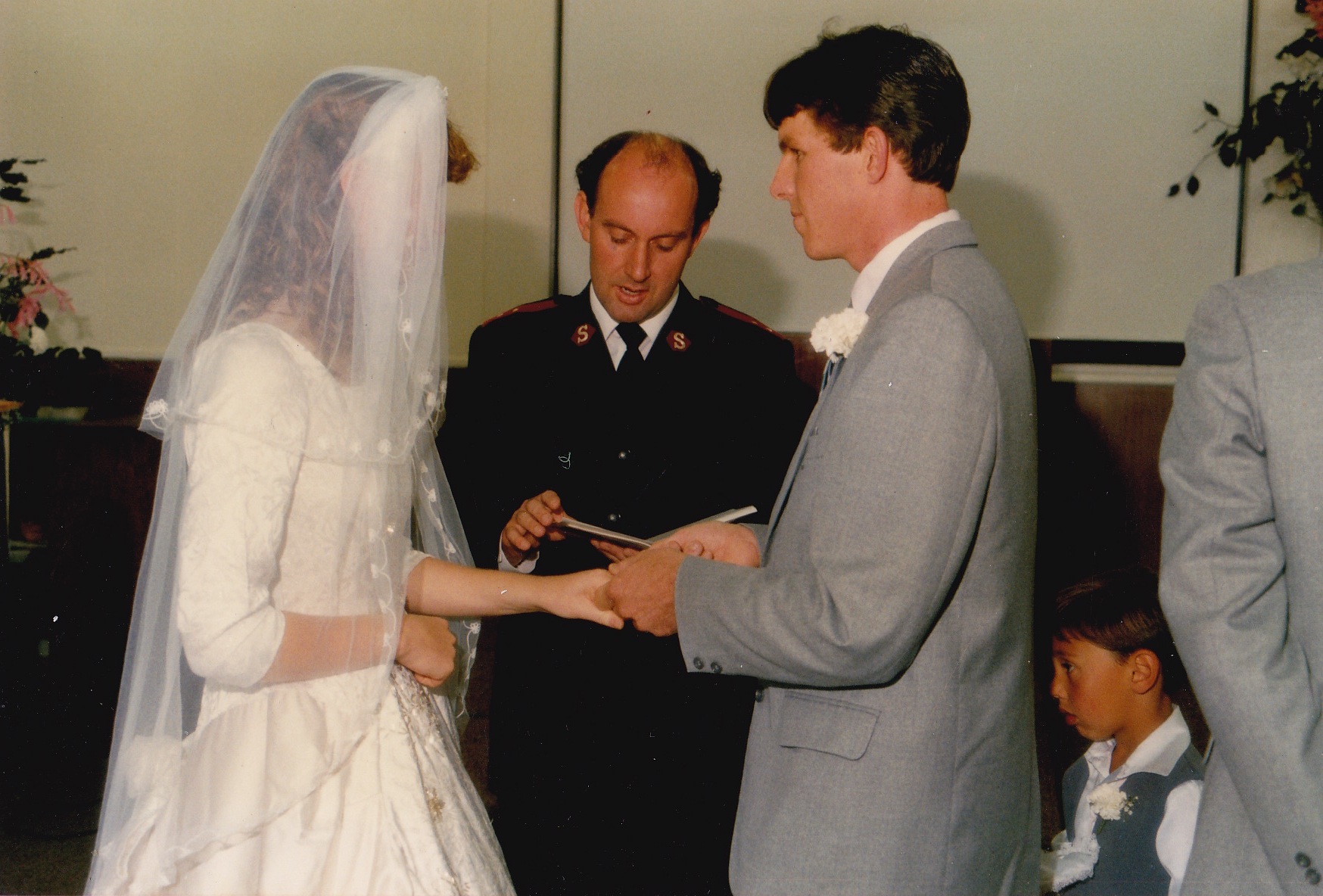
In February this year I went to New Zealand NZ) and Australia on a 7 week speaking tour in schools, Rotary Clubs and churches. While I was there I had the honour of spending time talking to the pastors who oversaw our wedding ceremony nearly 27 years ago.

Mick & Colleen Marshall were my pastors (Pete went to another church) and over the years they have served both internationally and locally. They’ve now got a brood of grandchildren and instead of retirement are looking at refirement.

Here's Mick leading us through our vows.

Here’s Mick leading us through our vows.

It was so special catching up with them and there were a couple of things they said to me which they were dead serious about:

  1. When you return just be aware that people will put up with you ‘Africa stories’ for a few minutes but after that, they really don’t care.
  1. Whatever you do, don’t get so overworked that you burn yourself out.
Colleen and Mick this year.

Colleen and Mick this year.

I listened to them on Number One. It’s true, the world we live in Kenya is so foreign to even try and understand or explain, it’s just too much for people to hear and understand. When you talk about a traffic jam in Nairobi it is vastly different to that in Sydney. I’ve read where people in NZ complain because they have to get security checked before going into WINZ. Here, we have to avoid shopping centres because of bomb threats. Yep, it’s a bit different here.

Number Two, that’s a really hard one here. It’s not unusual to be chatting with someone overseas at 10pm, doing radio interviews at 2am or working 12 hour days, three weeks in a row. All this leads to burning out.

Here’s a definition of burnout:

Burnout is a psychological term that refers to long-term exhaustion and diminished interest in work. Burnout has been assumed to result from chronic occupational stress (e.g., work overload).

We’re not burnt out, but we did come close to it a little while back. Physically and mentally run down we took stock of where we were at and where we wanted to be.

So here’s where we’ve made some big mistakes:

1. Not taking holidays

In the two years we’ve been here we’ve only taken off a week. How dumb is that!! We bought Liz a camping bed for her birthday in December last year and the only time it’s been used is as a spare bed when we have visitors.

A lot of that was because we didn’t have the money. Our plan for 2015 is to take a week off every 3 months just to renew our batteries. Even if we have to camp in the middle of nowhere, leave our laptops behind and sit with the zebras, we will take a break.

We’ve lived here for 2 years and travelling here since 2007 and in all that time we’ve never been to Mombasa on the coast nor Masai Mara. Next year baby, next year.

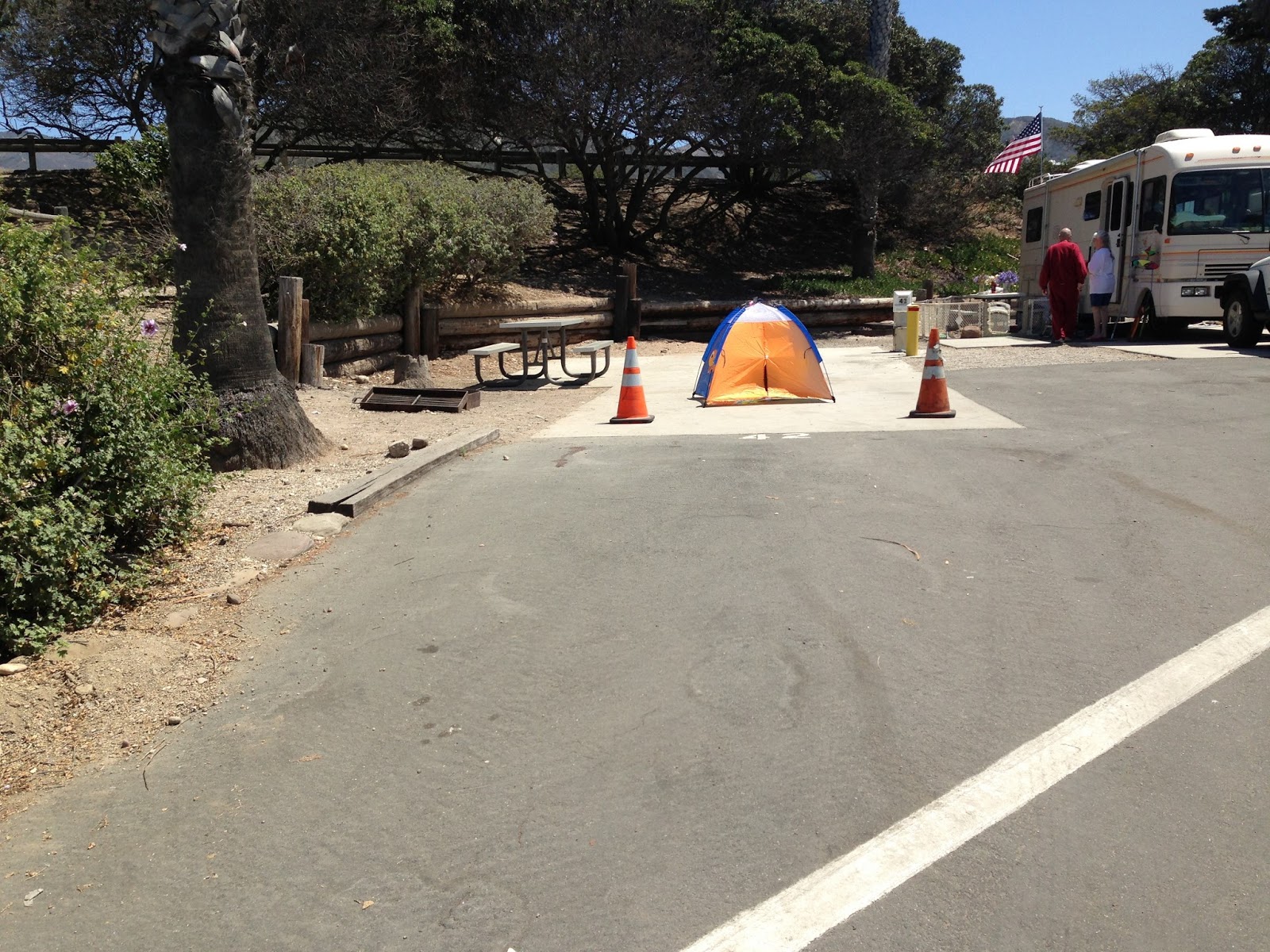
This might be us, the tent not the motorhome.

This might be us, the tent not the motorhome.

2. Working too many weekends

There’s nothing wrong with working through a weekend if you get a day off some time during the week. However, if you end up working 3 weeks in a row, you’re setting yourself up for an emotional breakdown and big family arguments because of tiredness. We found that we were working three weekends a month. Now, we’ve got it down to two.

At the beginning of the year we thought we could take Wednesday afternoons off. It worked for a while but too many things got in the way.

life3. Lack of sleep

It’s pretty noisy here. Anywhere from 5.30am there are people outside washing their bosses car. Also, no matter what we seem to do, there is at least one mosquito wanting to attack. Someone at the apartment above us seems to like moving furniture late at night. The best day to sleep past 5am is a Sunday – and it is most welcomed!!

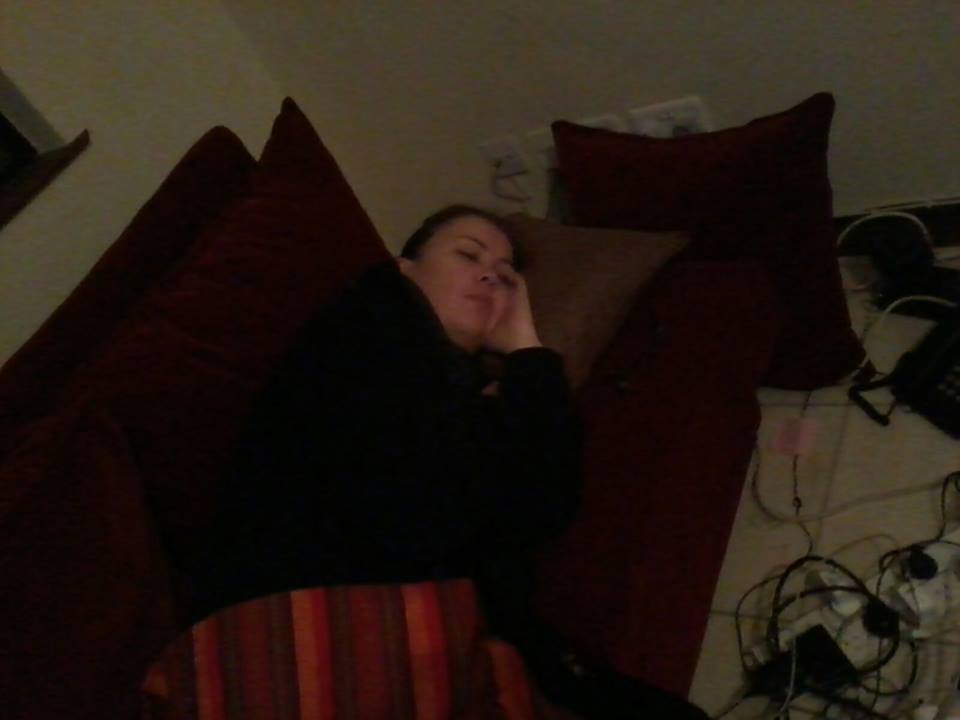
Because there’s so much work to be done there’s not so much room for the odd nanny nap. I have to admit though, we’ve both fallen asleep on the sofa, there’s the Facebook photos to prove it.

Pete snapped this one from a while ago.

Pete snapped this one from a while ago.

While we’ve made some mistakes, at least they’re all fixable. As we head into the start of our third year we expect to be working harder and at times, longer hours, we hope that if we change a few of our behaviours we will have even a better year. We’ve set some goals for where we want to head and have even planned a ’round Africa’ trip in 2018.

What about you, what ‘adjustments’ do you need to make to improve both your mental and physical health?


Why Birthdays Are Important

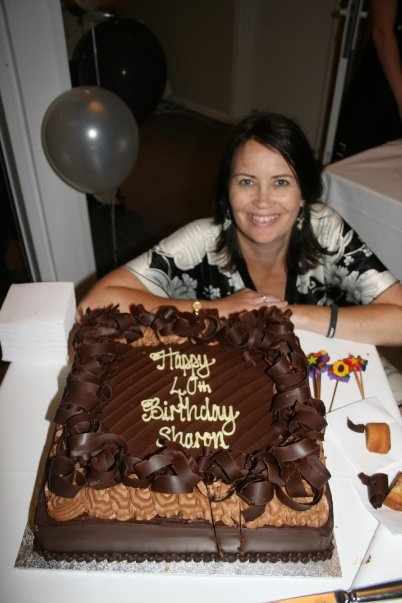
cake

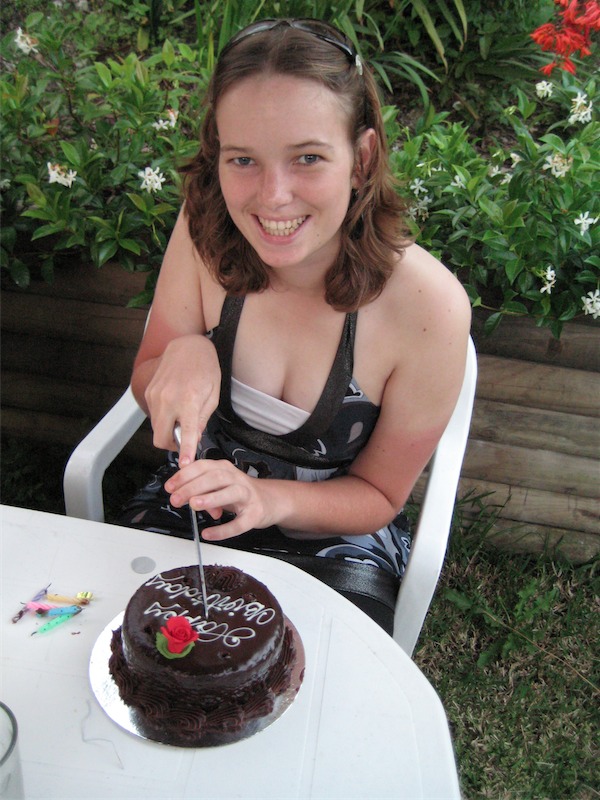
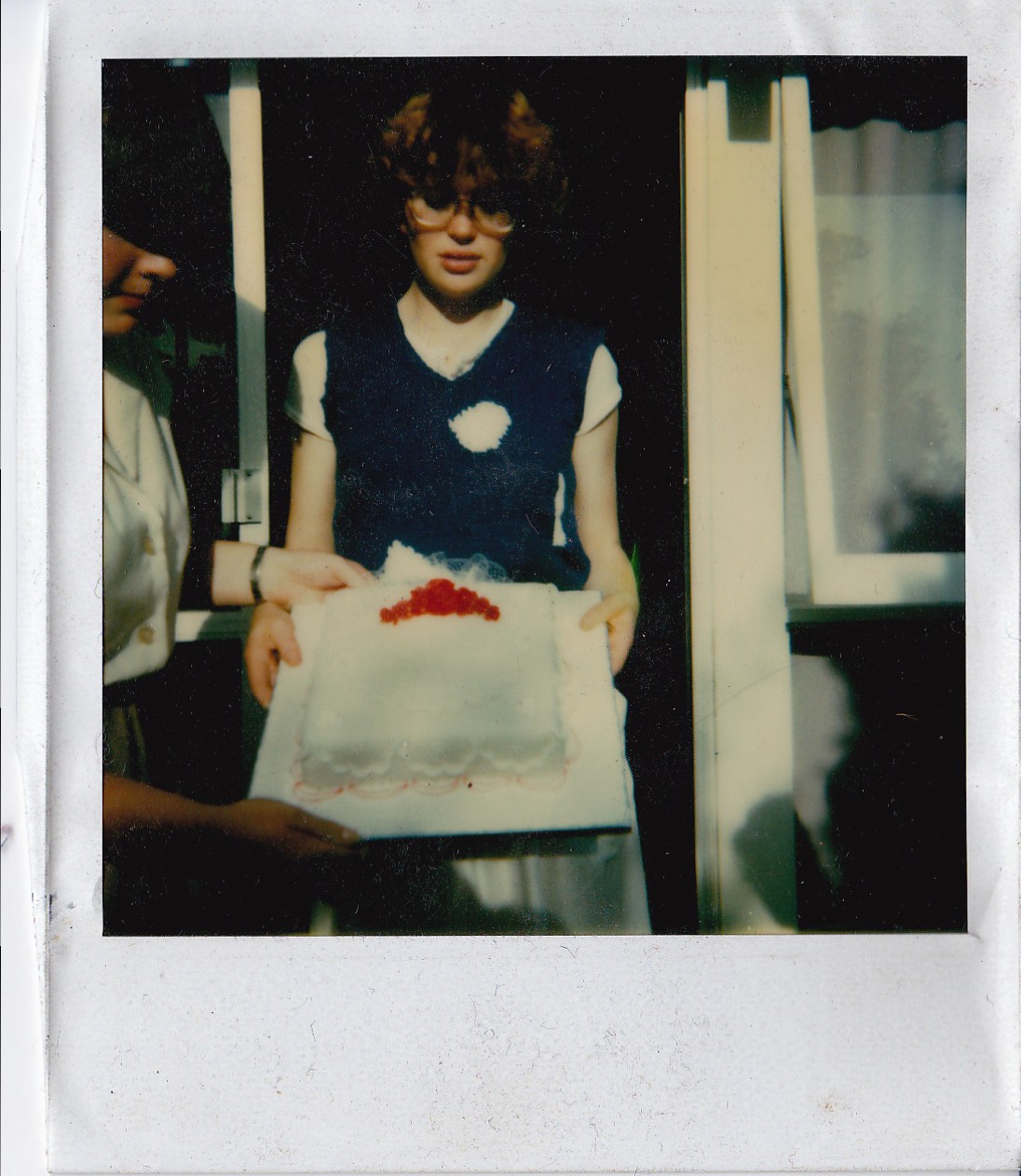
My 40th birthday

On the weekend I read a pathetic article in the local newspaper, so I just had to write about it.

Here’s a couple of short snippets of what it said:

‘Any man who throws a party or even considers some kind of bash after the age of 16 is a disgrace to the institution of masculinity. For women, we can be a bit accommodating and give them up to 25.’

‘Until adults in this country start acting more maturely, we will end up raising self-absorbed children who think the world owes them a living.’

Seriously, singing happy birthday to an adult compromises their masculinity?

120

I’m not sure who was more excited.


IMG_0294

Lizzies birthday is on Dec 31st, so NYE is always important in our house.

And this is why I don’t buy newspapers very often.

I’m all for birthdays, but I guess that is how we raised our kids. Life itself is a great reason to celebrate. I’ve tried to find out if there is some deep and meaningful reason to why here in Kenya birthdays aren’t a big deal but all I could find is that it’s always been this way.

CIMG1186

Bec and Han at a friends birthday.

In some cultures children aren’t named until they’re weaned simply because they may not survive until then. Totally understandable. Many of the kids we work with don’t know the date or year they were born because it was no big deal, until they need a birth certificate!

IMG_2881

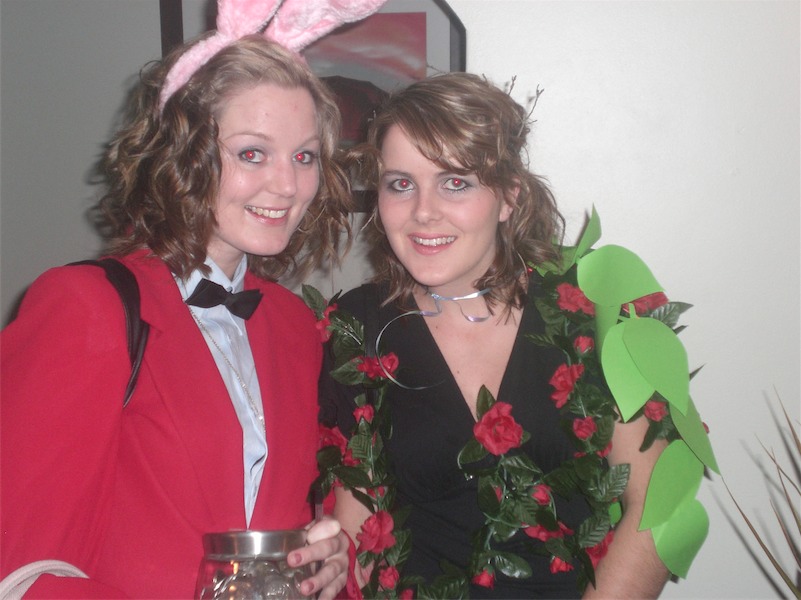
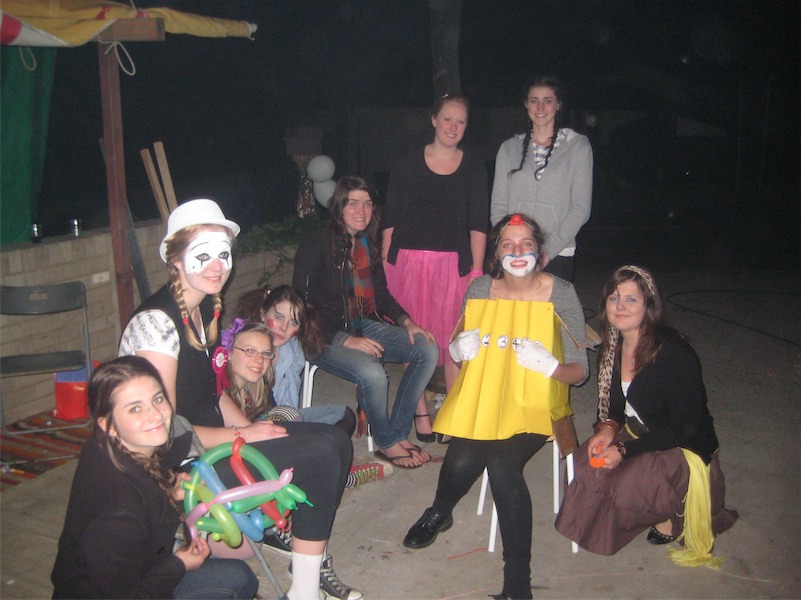
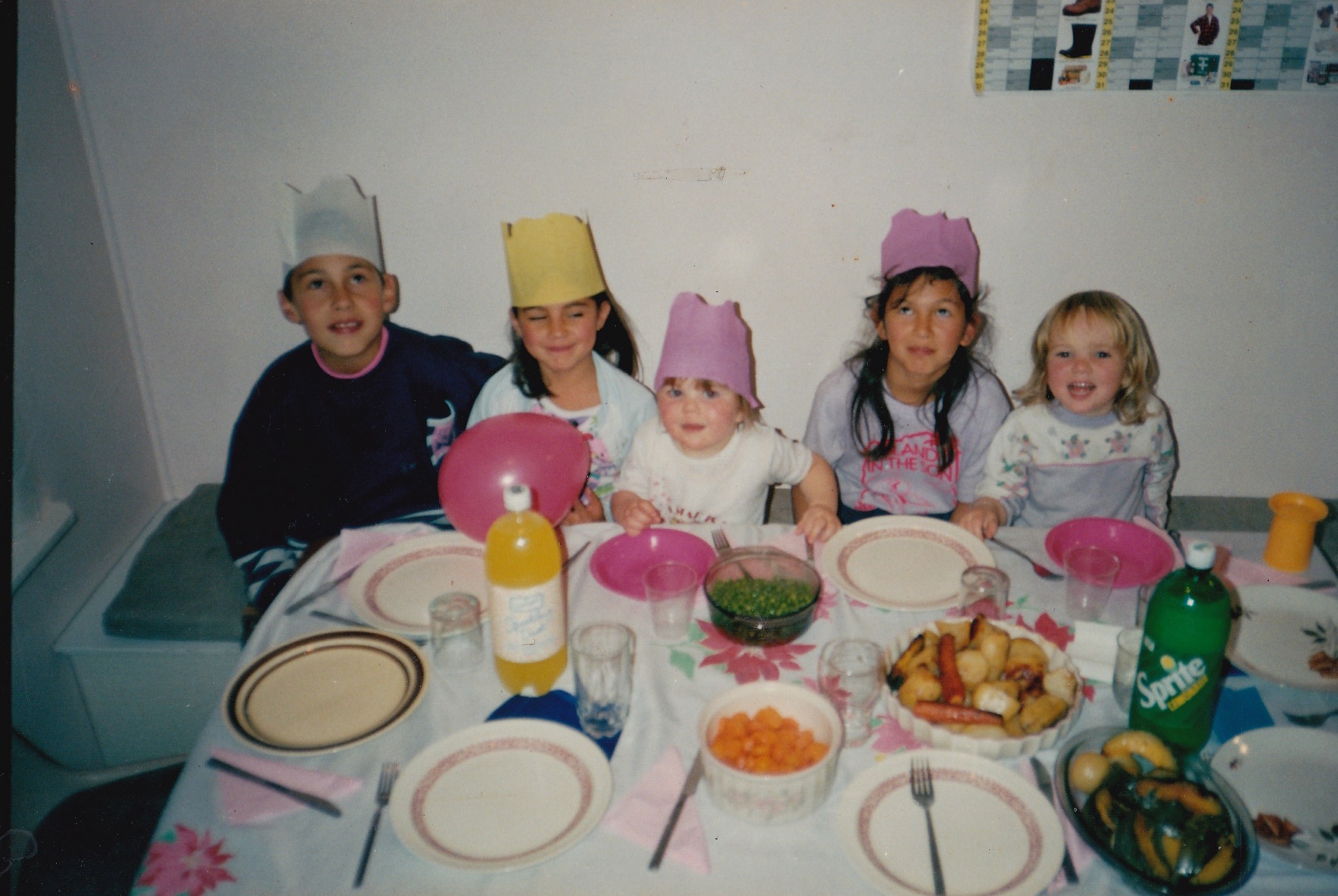
It’s all about the dressups.

IMG_5754

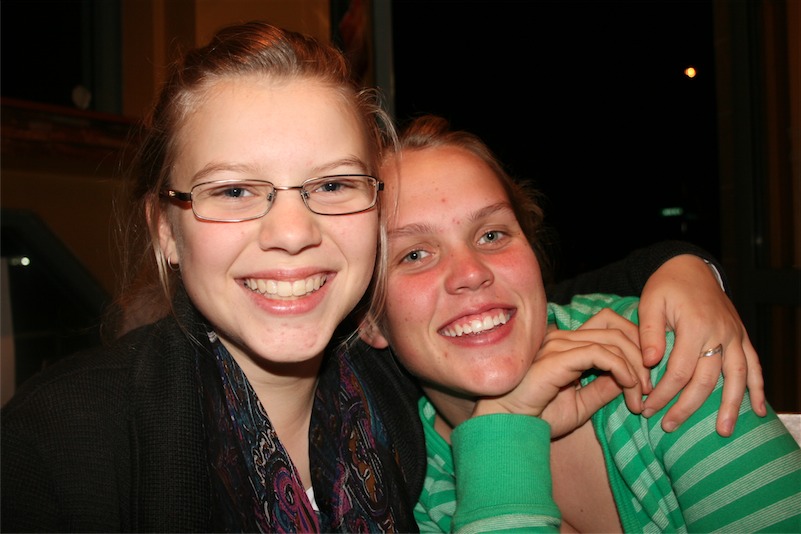
Jo and Min, always smiling.

For the last couple of years I’ve been taking birthday cake along to some of our kids programs. I figure it’s no big deal to spend $5 on cake and get them to sing happy birthday. Who doesn’t like to get a card which tells you how special you are and that you’re not a mistake?

IMG_0002

Liz and Han at Georgie Pie for a birthday.

Birthdays give us a reason to celebrate. I don’t think we celebrate the real things well. Sure, there’s huge sporting events and the Queen’s great grand-babies but nothing matters as much as our own families. With so much tragedy in the world we should celebrate more.

IMG_0004

Me on my 16th birthday.

IMG_0014

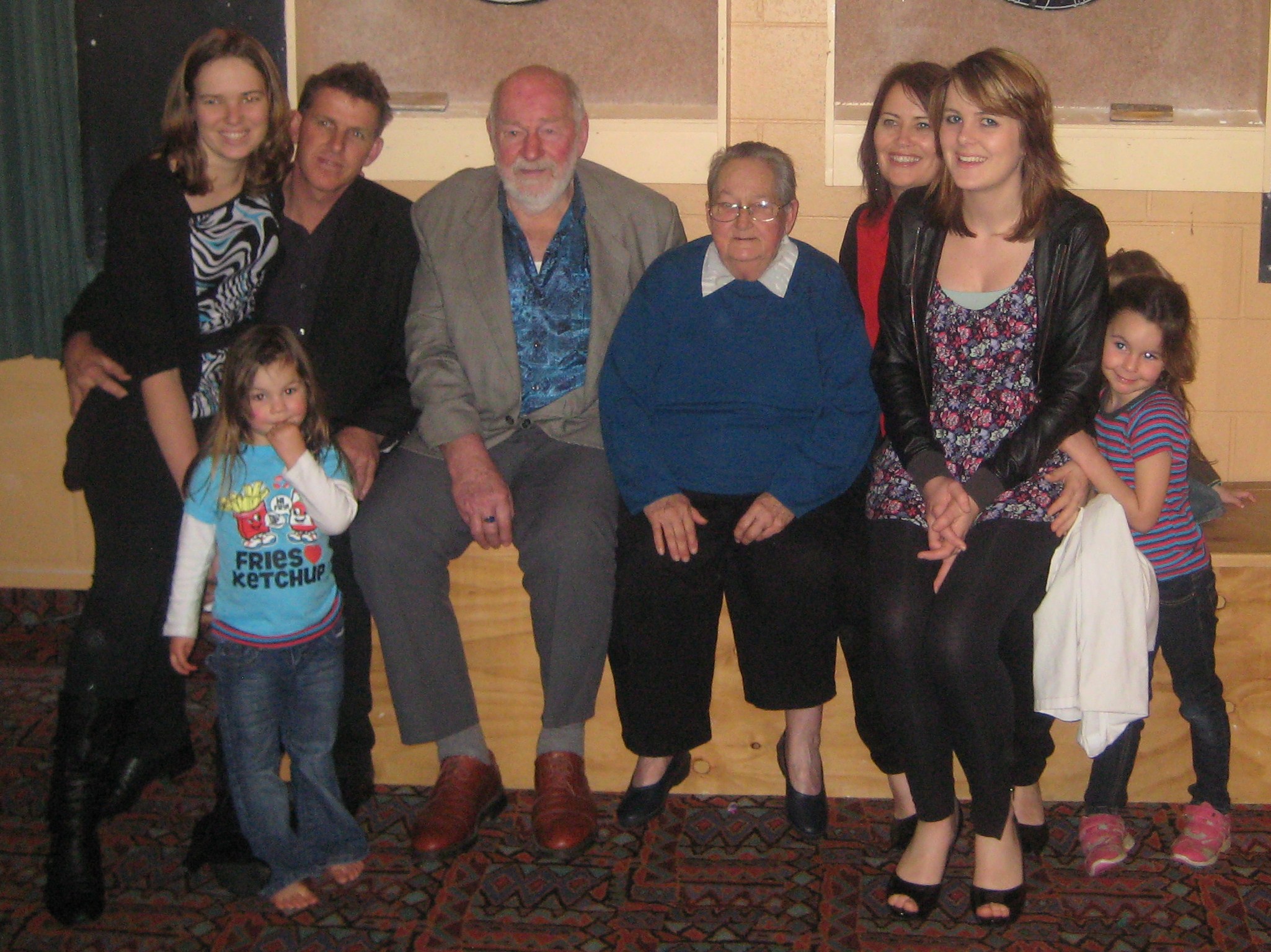
A birthday with our extended family – the Renatas.

Birthdays give a reason for families and friends to get together. I don’t know how many times I’ve heard at funerals “We should get together more” and yet we don’t. If you’re like me, you wonder where the weeks and months go, before we know it 2014 will be done and dusted.

Life is fragile and we need to handle with care. Meantime – enjoy and celebrate it!

IMG_4227

Pete’s parents

Where have you been?

The other day I was chatting online with a friend in Australia who mentioned I hadn’t put out a newsletter for a while (a month) and he wondered what we’d been up to.

I had to catch myself from saying anything because I’m continually posting stuff up on Facebook, Twitter, Instagram, YouTube and sending text messages to those overseas as much as possible.

mediaI wonder that with all of the technology we have, if our world is becoming too busy and we’re over saturated with information 24/7.

Hey, I’m not knocking what we have, but more of how we use it. My youngest daughter and I touch base every day either via Facebook or we SMS each other for free using our iPhones. No doubt, as her wedding gets closer, it will happen more and more.

I just wonder who is in control of whom.

I admire people who go on a social media fast, I don’t think I could, well for 40 days anyway!

We get the morning world news from a pastor in a town in Aussie that I’ve never been too. It gives me a quick 5 minute overview of what’s happening. It helps me keep connected on a bigger level than just what is happening locally.

Although I hate the new Facebook Messenger, we get no choice but to use it. The power goes out often and sometimes for a very long time. However, because it’s so cheap to have the internet on your phone, it enables me to use it even if the power is off (unless my phone battery dies of course!). $5 of credit gives me access to the internet for a whole month.

signWe’ve been based in Kenya for close to 2 years, and I have to say that out of all my years of travelling here, technology has helped to transform this country in a very short time. Twenty years ago to make an overseas call you would have to let the person know by post on what date and time you would call, go book it in and hope it would work.

Now we simply Facetime or Skype and get grumpy when the internet is slow.

Somehow, I don’t think we can live without all of what we have anymore – unless it’s forced upon us. We had a Canadian couple visit us, who are farmers in a remote part of Ethiopia. They reminded us how lucky we were to have everything at our fingertips.

So where have I actually been lately – writing blogs, videoing kids, editing photos, uploading to Instagram, you know – trying to keep up communicating with the masses.


If I Only Knew

We are fast approaching our second anniversary of serving in Kenya so I thought I’d write down a list of things I wish I’d known before we came. Of course, hindsight is an awesome thing, but if you ever consider moving this way for a short or long period of time, it might be good to know.

 1. Africa Is Not Cheap To Live In

It’s a myth that’s for sure. We did our budget in 2011 but by the time we got here in 2012 prices had skyrocketed. Most things have stabilised in price since the VAT (tax) of 16% was added. Locals have really struggled since then. We spent a lot of 2013 buying furniture for our place as money came in, with most things bought second hand or built at a roadside carpenters.

Of course, income determines if something is expensive or not. Our budget is short by $1,000 a month, which is a lot when you aren’t allowed to earn money within the country. Our rent is half of what we paid in Sydney for something more than twice the size. We wanted a place where we could have people come and stay, relax and then go on their journey. We’ve had people from NZ, Australia, Germany, Switzerland, Canada, Ethiopia, USA and Norway stay with us. We love it and are grateful for the apartment we have to be able to do it. But our landlord put up the rent by $100 per month after being here for a year, so we’re looking at alternatives for next year.
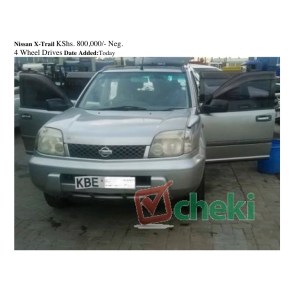
 

Equivalent to $9,700AUD for a 2001 car

Equivalent to $9,700AUD for a 2001 car

 2. White = Rich

If you’re not Kenyan, you’re white, even if you’re not white. That means you must have money to burn. If you go to the markets on the side of the road, you will spend more time bargaining than what you want. This is why people go to the more expensive supermarkets because they just get tired of being hassled all the time. A friend of ours got his suit for his wedding made for $50. If Pete went, it would be 3 times more the price.

If we want furniture made at the roadside market we send a Kenyan there first for a price so we know what we should be paying. No matter how much you tell your colleagues that you don’t have much money, it doesn’t matter, because you will always have more than them. What people don’t see is the amount of money spent on the work you do – petrol, car costs, school equipment, feeding people or running programs.

I need to get me one of these!

I need to get me one of these!

3. You’ll Want To Go Home, Often

Sometimes you wonder if the obstacles are worth it, wasn’t it much less complicated back home? Well, yes it was. Kenya is not impossible to live in it’s just very complicated. As a friend said to us in our early days “Living in Africa will show you what capacity you have on the inside” and I happen to think he’s very right.

It was much easier living in Australia. If we wanted to earn more money, we’d go paint a house. We understood the language. You could walk the streets at night and no problem. There were parks to play in that were free. If you wanted to go to church you had a Saturday night, Sunday morning and a Sunday night to choose from. The ocean was a 4 minute walk from our place.

There’s probably twice in the last couple of years when I’ve thought “Stick this, I don’t need this hassle, I’m heading home”, but for Pete it’s been quite often. He asked me the other day why we were here again. My simple answer is that God knew we were big enough to handle it.


 4. Set Work Boundaries

We’ve got plenty of friends who work in the same area as us, but with different organisations. All of us have the same problem – we struggle with work boundaries. I’ve a friend who gets paid for 2 days a week but often works for 5 ‘because they’re in need’. Our phones will often go off at 10pm. We’ve had one weekend off in the last 2 months. I’ve calculated we’ve had 5 days of actual holidays in the last 2 years. When we’ve travelled out of town or overseas, it’s all to do with work. That is really dumb.

This year I decided to work at the office until 1pm, have lunch and then do the rest of my work from home. In essence I can work anywhere in the world but feel obliged to turn up to prove I’m actually working. Between now and when we fly out to Australia in November I’m even taking an hour out in the middle of the day to get some exercise and sunshine.

Next year I’m even thinking of rehashing my working conditions by spending less time in the office and more in the field with people.

Learn to turn it off

Learn to turn it off

 5. Sign A Contract

Too many people come with good intentions which get squished out and changed to be not what they came for. I’ve friends in another country who came to work with orphaned children then after 8 months were dumped because the organisation didn’t want to make necessary changes for improvement. Another family came to build a school but wasn’t allowed any input into the long term planning of it. Others were having to give a certain percentage of their support money for the ‘privilege of volunteering’. Make sure the requirements are written down and everyone understands the small print, who pays what and what is expected. For some reason we do this in the business world, but not in development work. Go figure?


6. Do Your Homework Before Coming

We had been to Kenya 3 times before moving here. Most times we came for 2 months and travelled to neighbouring countries as well. However, there is a BIG difference between visiting and living somewhere. How basic everyday things are run is a huge task to learn. It took us 6 weeks to even begin to figure out directions and where things were. Unfortunately, people who have lived somewhere for a long time take everything they’ve learnt for granted. I remember getting pulled across the coals because we didn’t visit a person in hospital enough. Apparently here you drop everything and race off to visit someone, you also take fruit or juice. No one told us about that, and we didn’t even know how to get to the hospital.

An important thing to look into is getting a visa, owning land and traffic laws. Everything here takes a l-o-n-g time and it’s never straight forward. Join expat blogs before you come so you get an idea of how things work. Get Swahili apps on your phone. Use Google maps to see how far things are in distance. Learn some history of the place.


 7. Clothes Are Expensive Here

Of course, if you want to, you can buy cheap clothes at the local market. The one closest to us to called the Toi Market. There you can buy second hand clothes, sometimes new ones, which come from overseas. Pete gets a pair of new jeans for $10, guys are lucky, they know their sizes and can get it off the rack. Ladies, not so much.

The clothes at the mall are way overpriced. These are either imported (and thus have large tax) or top of the line. I envy Kenyans, they don’t have to worry about skin tones, they’ve all just got brown skin. They can wear really bright clothes and look awesome!

When we return to Australia we’re buying up big time, especially in the sock and undies department. I think we might even go with empty suitcases.

toi  8. People Won’t Listen To You

The number of people who won’t listen to you if frustrating to the max. I mean, what do we know, we actually live here and know how the system works. Visitors have wasted so much money because they JUST WON’T LISTEN. One friend was told by his travel agent that he would have to pay $50 more for an English speaking taxi driver. What a load of rubbish, English is one of the national languages here. Of course, he decided to ignore all of our advice and ended up paying thousands of dollars more than he needed to. We’ve had others who didn’t want our help (thank you very much), decided to do things their way and paid way too much for a vehicle hire and didn’t get to see the areas they really needed to.

And that’s just the visitors.

When you’re trying to bring in different ways of doing things, people will predominantly resort back to their ways. The proof of the success of your teaching is if they put it into practise when you’re not around. If 50% of it is done, that is pretty impressive. We’ll be gone for 8 weeks and it will be interesting to see what the state of things will be on our return.


 9. You’ll Spend A Lot More Time On A Computer Than You Ever Thought

There were 2 things I didn’t want to do when we came to Kenya – fundraising and sit in front of a computer a lot. Guess what, I’ve ended up doing both. It’s a necessary evil. Today someone said to me that they haven’t seen a newsletter for a while (it’s been a month). Flip my lid, I’m on Facebook every day, Twitter, Instagram, YouTube and weekly blogs but it still doesn’t cover everyone. There’s marketing material to be designed, videos to create (and they take ages), grants to write and complicated emails to answer. It’s not unusual for me to be on a computer 8 – 12 hours a day.

man 10. It Just Might Be One Of The Best Moves You’ve Ever Made

When Africa gets under your skin, there’s nothing you can do about it. Sure, not everyone should be here long term, in fact, most shouldn’t. Whether you come for a short or long time, all that matters is that you’re doing what you should be doing. If you come with a flexible attitude, don’t always compare it to your home country and be in an attitude of learning, then you should be fine. I called the first year ‘Going back to school’. Every day and even parts of a day were a lesson.

What you will be surprised at is the number of things happening across the country and especially in Nairobi. There’s music festivals, fun runs, street performers, fashion shows, expos, conferences and more. You will meet some amazing people, fruit abounds year round and you’ll never get bored. You’ll notice there are lots and lots of nationalities, wildlife you’ll only read of in books and have experiences your friends will envy.

Africa, Kenya are places that will change you for the better. You’ll get a bigger world view. You’ll miss it when you leave.

sunIf you plan on coming for at least 2 years can I highly suggest that you don’t do anything for at least a month or two. Get to know the place, the people, directions and get your home set up. We get so passionate about helping people, we can hinder things by rushing in too fast. When we got here some of our team members were leaving and we were expected to take up the slack. I’ve heard of it happening lots in many projects and the newbies either sink or swim. Most of the time we didn’t have a clue that was going on and I remember every few days we were saying to each other “I don’t have a clue what I’m doing, I hope we’re doing okay”.