Big News!

When we started BeyondWater in 2007, we established a Board of Directors. Their job is to set up policies, procedures and as much as possible, ensure our future. This is not always easy when we’re based in Kenya and they in Aussie.

All of our boards are hand picked business men and women who have a passion for bringing about positive change through our work. We’re all in this together.

A couple of years ago, our Aussie board asked us to consider taking 6 months off for a sabbatical/long service leave. Can you imagine Pete sitting around for 6 months? Not only is he a sanguine, he has ADD and needs to be doing something practical, otherwise we all suffer. I get what they were saying, it’s time we took time out to refresh our batteries for the next season of the work.

We managed to whittle it down to 3 months. It’s still a long time and also means we can’t do fundraising when we go. We normally travel a few months a year in the US, Australia or New Zealand but if we were to take three months off, this wouldn’t happen.

We looked at doing short courses but nothing came up. Going back to Australia to see the family would’ve cost $10,000 just in flights – and it’s very expensive being there. Would’ve been great to go back and see them but this will have to wait until the end of 2025.

So, we’ve decided to take 12 weeks leave and drive in our landy all the way down to Namibia and back. That means going through Tanzania, Zambia, Botswana, Namibia, South Africa and maybe even Malawi. We’ve all got things we want to see, the big one being Victoria Falls and the deserts of Namibia.

We were going to leave at the beginning of May but because we got back from New Zealand later than intended, we’ve delayed it. We might go at the beginning of June but we’ve a few things to wrap up in the office – like taxes first.

Check out our announcement here:

16 Years & Counting

In 2007, we came up with a crazy idea to give people across East Africa better and safer access to drinking water. Thus, BeyondWater was born. Originally it wasn’t called BeyondWater, because we were going to partner with a company in the USA, but in the end we decided along with our Board of Directors to go it alone.

Fast forward 5 years and we found ourselves moving to Nairobi, Kenya. The plan was to volunteer part time with some kiwis who had their own program and do BeyondWater part time. After two years, we parted ways.

It was then that things really started coming together. We had one part time person, then another and then we increased days and staff. We moved into a very small office and after a couple more years had to find somewhere bigger as our staff numbers increased.

Our original plan was to go back every few years to touch base with family and donors, but grandkids changed all that. Our youngest daughter Hannah, got married and then for the next few years kept birthing children. So, we (or at least Sharon) travelled back and forth to New Zealand and ended up speaking to community groups such as Rotary and also in schools. This actually set up a pattern for the next few years.

16 years later, we are active in several countries across East Africa. We have a large team based in Nairobi, community workers across Rwanda, Kenya and Uganda and Board of Directors in Australia, New Zealand, the USA and Kenya.

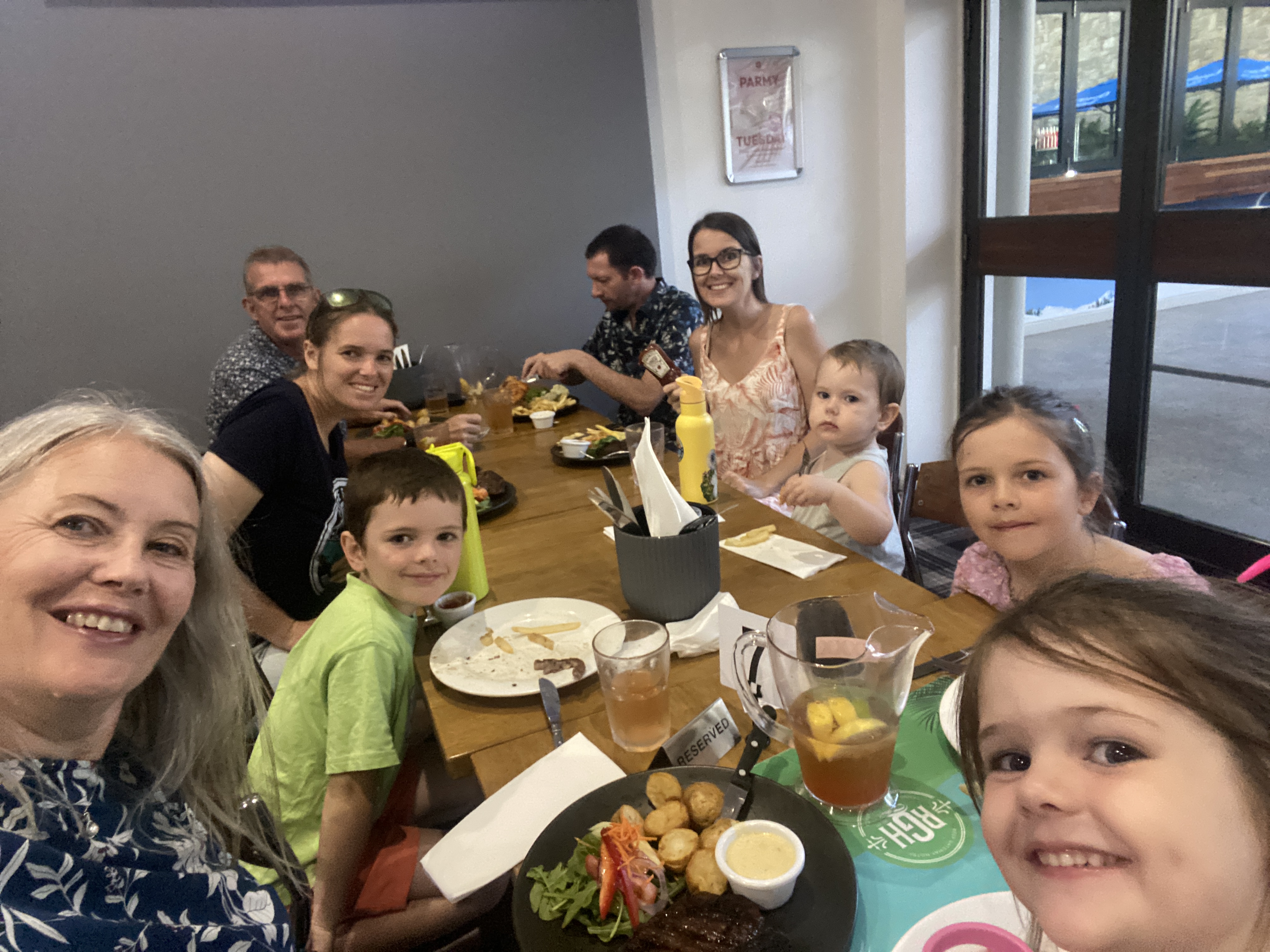
With the family in Aussie

In November 2023, a wonderful couple from C3 Frisco in Texas surprised us with this video celebrating our 16th anniversary and the 240,000 people who each day get access to clean drinking water and sanitation facilities.

We don’t see ourselves as missionaries, but just normal people who stepped out to do something to help people help themselves. Yes, we have our personal faith in Jesus Christ, but BeyondWater was set up as a community group.

Giving out sanitary products in The Girl Project

We’re Back!

I wasn’t sure if I should try and get this blog going again so I’m giving it one more year. Liz and I have just finished our first week back in Nairobi. It’s the first time I have been here without Pete, but only two more weeks and he’s on home soil.

So what did the first week entail:

  • Getting Liz into a routine in a new country
  • Sorting out her phone, making sure she has Mpesa for funds
  • Going through all the work laptops to make sure they’re updated and protected
  • Lots of shopping for stock at Carrefour
  • Going to church at ICC
  • Team meetings
  • Going to the gym
  • Lots of washing clothes by hand
  • Bucket showers

What’s the gym like?

We go to Smart Gyms at the Junction Mall. It’s a 15 minute walk from our apartment and depending on traffic, it could take that long to drive. It’s certainly not cheap, and at 13,750Kshs ($176) for 3 months you want to make it worth it. It’s modern, has music going, water available and the best showers.

Why do you hand wash your clothes?

Our apartment is so small that there’s no place for a washing machine. I’ll do a blog on it one day to show you what it’s like. The weather here is good so things only take a day to dry.

Why bucket showers?

When our 1,00litre tank runs out, the pipes get air bubbles in them. That means very little comes out of the taps, including the shower. I didn’t know how to get the air bubbles out so our friend Ayub came to the rescue. Once I sussed it out, it was no problem. Our landlord gets water in when Nairobi Water fails to supply, which is basically all the time. We had water for a couple of days and that was it. We have spare water containers around so that’s used for the toilet. Before I figured out how to bleed the pipes, it was a bucket shower for us. You can also have a bucket shower with just one litre of water.

While it’s been good to settle back in, we’re both looking forward to Pete returning home.

Care Packages

From our room we get to see people exercising, food dropoffs and a business centre. Sometimes people chat with relatives through the fences – there’s 2 layers of them to keep people separated.

Of course the main activity is people dropping off food parcels. Why, you may ask – the food is absolutely horrendous in MIQ. It’s pretty much always cold or lukewarm. Imagine having scrambled eggs that are only just warm? We aren’t allowed microwaves, toastie machines or toasters in our rooms in case they start a fire. The staff here spend a lot of time making sure everyone is separated so a fire drill is out of the question.

I am really glad we don’t have small kids in MIQ. Not only would they have lots of energy, they would hate the food.

We’ve done several Countdown orders but we were super blessed when my cousin Jeanette and her husband Jeff organised a care package for us. She baked us a lovely loaf and somehow smuggled in a huge knife. Check out the video below.

Exercising in MIQ

When you’re in MIQ (Managed isolation & Quarantine) the plan is to stay in your room as much as possible. Facilities have different rules, for some you can be out for only 30 minutes a day, for others, an hour.

At the Ibis Ellerslie, we can be out for an hour but you have to book it in. You can’t just wander out of your room whenever you want. If another bus from the airport is coming in, there will be an announcement over the PA saying when there’s a total lockdown of the exercise area.

Only one ‘bubble’ is permitted in the elevator at a time. You then walk on the lefthand side of the yellow dotted line at the entrance (don’t dare walk on the right). A member of the Defense Force checks you have the blue wristband on (says you don’t have Covid) and records your room number.

This is where you join a number of people at 2 metres apart walking around a specific carpark. There’s security guards onsite to make sure your mask is up and you keep separated. They take their job very seriously. It does get very monotonous going around and around the same circuit. The first day we went it was raining so that meant foggy glasses and it just wasn’t fun.

I’ve got into the habit of listening to podcasts. Pete’s given up going outside because he kept getting told to put his mask over his nose. He almost had a stand up argument with a police officer about it.

Instead he does a few exercises in our room (see video). I do a bit of exercise in our room but I do like getting out in the fresh air every couple of days.

MIQ Adventures

It’s been a long time since I’ve blogged but since we’re in MIQ (Managed Isolation and Quarantine) for 2 week in NZ (New Zealand), it’s a good opportunity to get writing again.

Each year we try to get to New Zealand, Aussie and/or the US on a speaking tour. We try to mix it in with conference and family events (like grand baby arrivals). In 2020 we got stuck in NZ for 10 months which was great because we got to hang out with our 3 grandkids but it was about 6 months longer than intended.

We headed back to Nairobi in January and had to take a good guess on when we should come back to NZ. The decision was made for us when Hannah, our youngest announce that she was pregnant with their fourth child, another girl, due in August. We know we couldn’t be in NZ for Christmas but needed enough time to speak to schools, community groups and churches about our work to raise more funds, to do more projects.

With the effects of Covid still happening there’s a lot of uncertainty of where and when we could travel. We knew that flying with Emirates was a sure deal because of the meat exports between NZ and the UAE. What we’re not sure is if we can get to Aussie and not be locked in, and the same with the US. Even though we are still fighting with Oman Air to give us credit back on our flight with them from last year, we used some of our house investment money to get back to our other home (NZ).

We’re really fortunate because we have a very small apartment, office and car in Nairobi. We also have a great team there that can keep things going while we’re away. We also have a little granny flat area at Hannah and Lukes place in Auckland, plus Bessie, our faithful old car. A lot of people who got stuck with not being able to get back were not in such a good place.

To get into NZ though we have to spend two weeks in a hotel room. Even as we got on the bus at the airport, we didn’t know where we were going to end up. As the navy officer in charge told us all ‘this is not a hotel, it’s a quarantine facility’. You can’t go out of your room. The meals are delivered to your door (half cold) and you have to get permission to go out to the exercise yard at a certain time. You get your temperature checked every day and three Covid tests during your stay.

I’ll be sharing about some of the unique adventures here and post some videos as well. Happy reading!

Writers Block

After years of blogging I literally hit a wall. I wondered if people were actually reading my blogs and if it were worth the time and effort.


While a lot of that hasn’t changed, I’m going to give it another go. We’ve spent the last 4 months traveling through New Zealand, Australia, the US and Canada. It wasn’t a holiday but a speaking tour to try and raise funds for our work. It seems that while we’re in Africa, very little money comes in. When we’re out, money comes in but if we’re to build a team, we have to be on the ground.

Four months is a really long time to be away. It showed up some of our organizations weaknesses – which we’re now working on to improve.


So, I’m going to try and be more consistent at the whole blogging thing – keep an eye out for some of our travel stories!


You Probably Won’t Like This

This week I saw online a video about a well known musician who visited Western Africa and was shocked when he saw young boys sleeping outside in a canoe like boat. He was so shocked his first reaction was to put them up in a hotel that night. The video at the end stated ‘these boys are safe for tonight, millions aren’t.’

The comments that came in after this was posted included words like ‘amazing, wonderful, we should be like him’. However, since I’m working on the ground in such areas I had a totally different reaction and got berated for it, so thought I would write about what actually works and why short term solutions are not the best.

What people don’t understand is that when a famous person appears in a developing country as a spokesperson or ambassador for a large organization, they are getting paid for it. The average person receives between $20 – 50,000 dollars for an appearance fee. That’s on top of their first class ticket, staying in a five star hotel etc. Very few self fund their appearances. They don’t just ‘happen’ to be in Liberia or Sudan in between a gig.

Unless it’s an emergency situation, like a famine, short term is not an answer. Famine or war situations don’t happen overnight. The famine happening in South Sudan for example, has been warned about for years.

Large NGO’s spend A LOT (some up to 90%) of their income on administration, private planes and paying their top managers more than a CEO in Aussie gets. ‘Project Costs’ can easily be hidden, but these include getaway weekends for staff, safaris (team building), conflict resolution meetings (staying at a spa can resolve a lot you know!). Meanwhile on the ground the team are working with limited resources in dangerous places and often don’t have what they need in crisis situations.

I’m not saying these things to point at certain groups but when you’ve been doing it as long as me, you see things as they really are, not how they are portrayed in the media.

So what actually does work?

Long term solutions for people to help themselves out of poverty. You have to look at it holistically. For these boys sleeping outside, putting them up somewhere for a night or two actually puts them in a worse predicament. If the famous musician wanted to do something, he would find an organization he has a trusted relationship with. They in turn would be able to come up with an action plan that would include reconciliation within their home community and find one family member that would be able to take them in. The family would need ongoing support from a community worker to make sure donations are spent where they should be (food, clothing, housing, education, medical) and not at the local bar up the road. That child will need financial support until they are at least 18 years of age. Then they need support in starting a business and going on to tertiary education.

Let’s rethink child sponsorship.

I’ve been to events where there’s a hard push after a pull in the heartstrings video presentation for the thousands in the crowd. Then the presenter talks about how bad the situation is, then they get people to put up their hands if they will sponsor a child for X amount of dollars. You’re instantly given a photo to put on the fridge and ‘wallah’ you have a new child in your family.

We need to become intelligent givers and start asking the hard questions. How much of that money gets through to the project? What child protection policies does the organization implement? Where are the annual reports? What happens when that child finishes secondary school, what is the plan?

Now I’m not discouraging child sponsorship, I do it myself.


What I want people to realize is:

  1. It’s not your child – they belong to someone else. You are simply assisting a community.
  2. The money doesn’t go to them – it gets pooled together to cover project costs.
  3. There is no point in sponsoring for a year or two, it’s a commitment that shouldn’t be taken lightly.
  4. Don’t send them gifts. Most of the time it won’t get there, and the money you spend on postage and the gift, could be used in a more impacting way within country.
  5. The word ‘sponsor’ in the developing world actually has negative connotations connected to it. It’s like saying someone has a sugar daddy. The money isn’t free, there are strings attached.


If we want to get more kids sponsored we need to be telling the success stories not just the sob stories.

My last rant is about the huge waste I see in transporting goods from your home country to a developing country. Often you can buy or get made the chairs, desks, pencils, sport gear, underwear, babies clothes, any clothes and furniture in the needy country. It costs on average $10,000 to get a container shipped over with goodies. Then, you spend up to another $5,000 to get it off the wharf with bribery money. Often when organisations sort through what is in that container, they throw half of it away (especially clothes) as they are unusable. People think giving their junk is an honourable thing. Trust me – you can keep it.

We should be encouraging manufacturing in developing countries, buying from within where possible. While we see the nice smiling faces of a kid in Africa or Asia opening a shoe box at Christmas time, it doesn’t have lasting impact. The money spent on the effort could start small businesses who employ parents and give them business training –  who could then feed their families, pay school fees, buy clothes from the market more than once a year and make sure their kids have a future. Yes, they would even buy their kids a toy.

So, did the famous musician waste his time? I hope he got to see some organisations working on the ground being a part of the solution and not cause more problems. I hope he invests into these organisations long term and gets more involved.

I hope the adults in the video don’t beat those boys up or worse because some white foreigner with a camera crew came into their ‘home’ and therefore thought the boys were getting paid for being on camera.

My hope is that we become more intelligent givers who aren’t afraid to ask the hard questions.

Organisations in developing country need partnerships that cause them to become self sustainable, they need long term solutions through development and not aid.

Go ahead and sponsor a child, it does change their lives. But also send them a letter a few times a year. Build a friendship with them, not a reliance on you as a Westerner and therefore their funder. Most of all, sacrifice your income and go and visit them at least once in your life. You will find your life will be changed forever.

You are not a donor – you are a partner. Build good partnerships.
The Windsor

Okay, I admit I’m not into golfing at all. The last time I got close to a green was at a putt putt course in Sydney for Lizzies birthday. I remember when I was a kid getting paid 50 cents to be a caddy for my father and uncle as they played a round on the local golf course.

Image For the last couple of months we’ve had a boarder living with us. Anthony is from Germany but has a real American accent, he’s here in Nairobi researching for his Masters Program. Anthony told us about this place called The Windsor Golf Hotel & Country Club. We work most weekends but found one Saturday to go up there and have a look.

Image

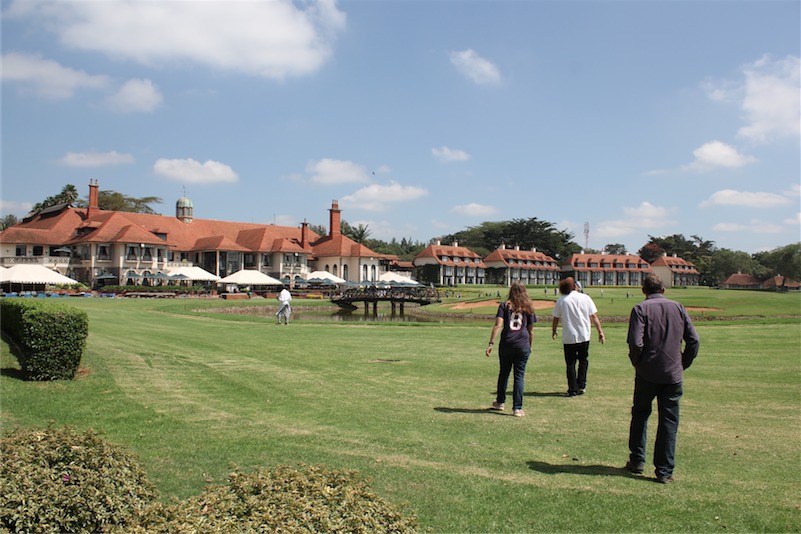
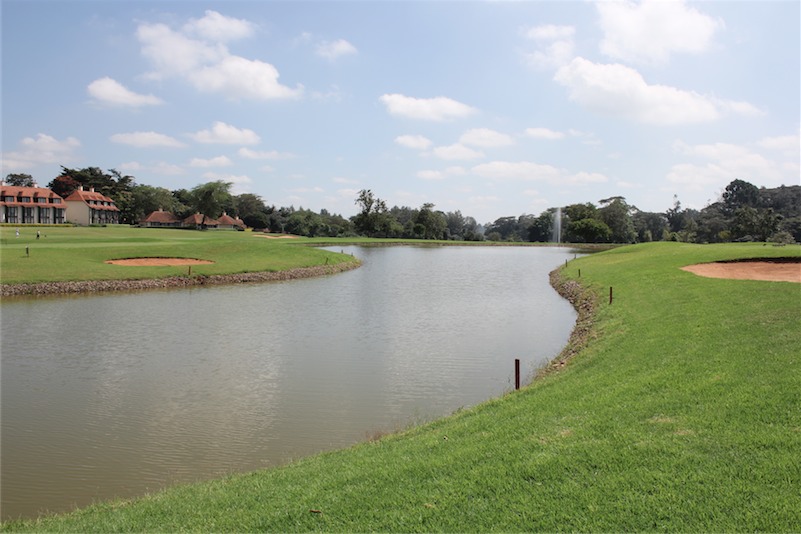
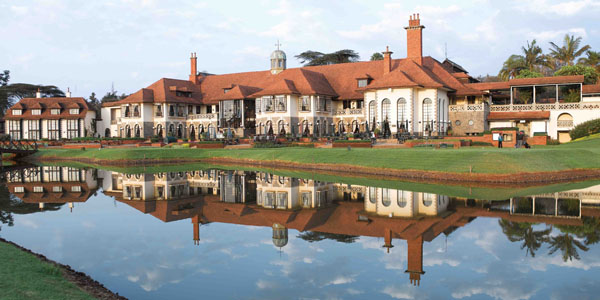
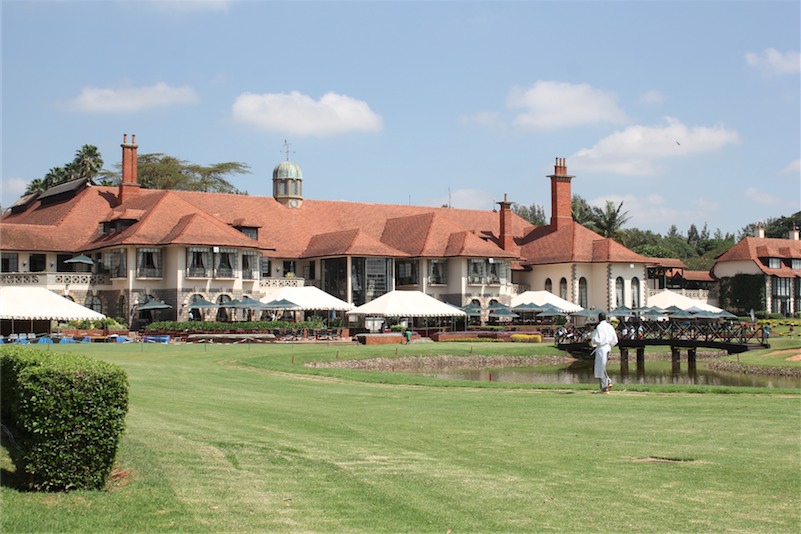
When you get there you can hardly believe that there is such a place like this in Nairobi. It’s clean, green and elegant looking.

Image

The buildings are all done in Victorian style even though the place was only established a few years ago. There’s stacks of activities to do there (we had a coffee) including golfing, bird watching, cycling, swimming and even petanque. I’ve been to a few clubs around here but this one definitely seems to be of the ‘old establishment’. In some clubs you are not allowed to use your mobile phone, other places it’s cashless and you use a swipe card, other places children aren’t allowed.

Image

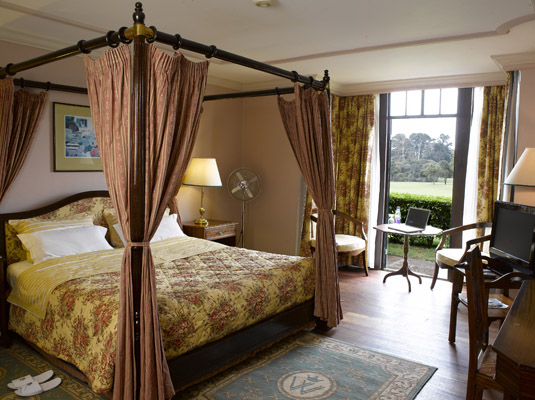
We didn’t get to go inside one of the rooms but they looked pretty good. There seem to be 4 posted beds, all done up in Victorian style. Wooden floors are the norm here so you’d want to have a pair of slipper available at this time of year when things are a bit cooler.

Image

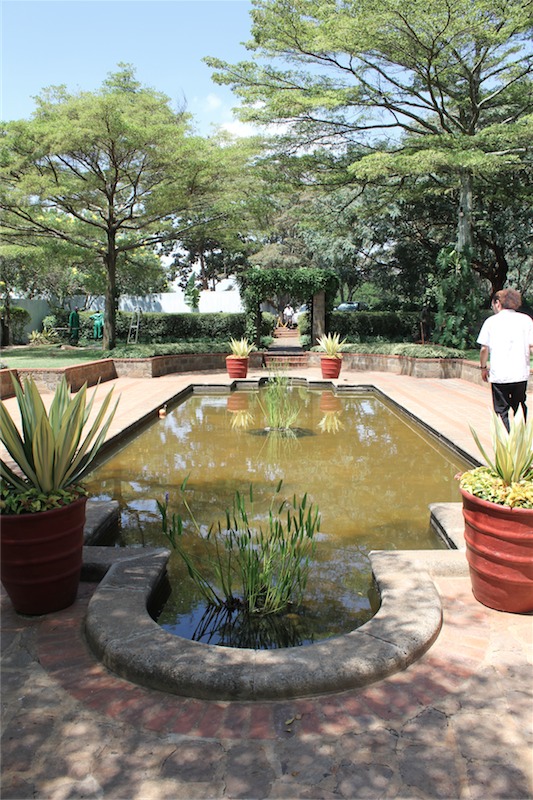
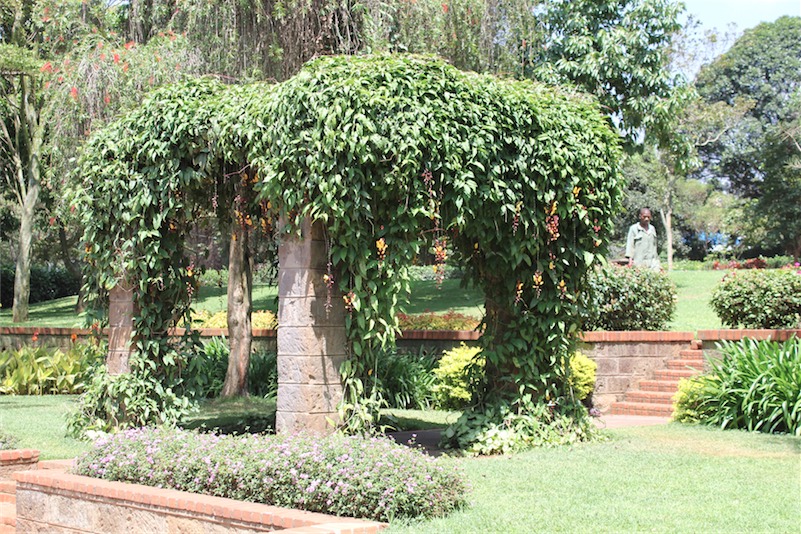
It’s a nice place for a wedding with some special gardens which would look great for a photoshoot. Apparently the most venue to hold a wedding is outside at the 10th tee which has the backdrop of the golf course and buildings. This alone costs you $2,000.

Image

I do have to say that the service for the coffee was super slow. It wasn’t just for the coffee but getting the bill. Generally here in Nairobi you eat and then they bring you the bill in a wallet/folder. The waiter then comes up and gets it with either your credit card or cash. Tipping is not compulsory, only if you’re happy with the service and it’s up to you what you give. At least we had a great view of the golf course while waiting for what seemed forever.

Image

Even if you’re not into golfing the Windsor Country Club is worth the visit. They’ve got plenty of activities happening and it’s nice to get away from the madness of Nairobi without travelling too far.

Image

Check out their website for more info – http://www.windsorgolfresort.com/

Image

Daughter of a Missionary

To be honest, when mum asked me to write this blog post it was just after I had a huge blowout at her about how much I dislike (to say the least) the fact that they live on the other side of the world and had given up their lives to help those in need. People often look at missionaries and volunteer workers and say how wonderful it is that they have given up their lives to help those in need and that it’s such a heroic act. It seems that people don’t often think of the practical things like the sacrifice the rest of their family makes for this to happen. When mum and dad told me that they had decided to move to Kenya I thought that it was a “nice idea” for them to do something different. I had lived overseas before and knew that I would survive without them. But not long after they left for Kenya I felt like my right arm was chopped off. I think this was because I knew they weren’t coming back easily. After a few months of them being over in Kenya I was struggling a lot and decided to move back to New Zealand where all my extended family are.

all of us

Here are 5 things I have learned over the past year and a half:

  1. You’re allowed to miss them

I miss the daddy daughter coffee dates, the ability to live at home (DON’T UNDERESTIMATE THE AWESOMENESS OF BEING ABLE TO LIVE AT HOME! Seriously though, I miss it quite a lot and wish I hadn’t taken it for granted), the painful but great back and neck massages mum gives, the long walks on the beach talking about life with my parents, family outings, special moments with my sister (which were few and far between since we were always arguing), and the list goes on. At first I felt guilty that I missed them because they were doing “such an amazing thing” but then came to realise that it’s my right as their daughter to say I miss them.

  1. Most people don’t understand

No one tells you how empty life can be without family. No one tells you how hard it is to organise skype dates between different time zones. No one tells you how scary it is when you hear of bombings and disasters that are just around the corner from where you know your parents are. The matter of the fact is no one tells you because no one really knows until you’re in the same situation. I don’t actually know anyone else who is a missionary’s kid.

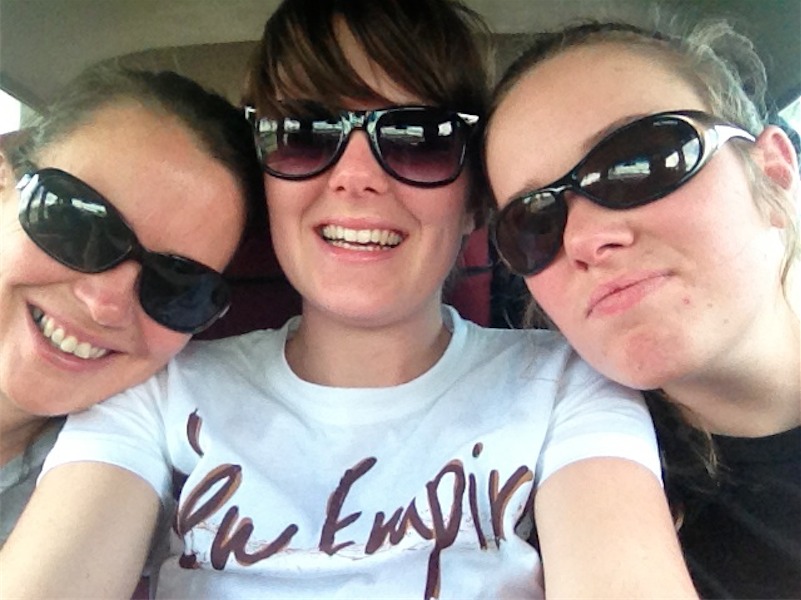
Dad's 3 girls. Not sure how he puts up with us!

  1. Your parents are irreplaceable

The other week I was thinking about the future. What is going to happen when I get married one day? Is my dad going to be able to afford to come to my wedding and walk me down the isle? (He has no option; he’s going to be there whether he likes it or not thank you very much!) When I have my first child is my mum going to be able to be there to hold my hand through the ordeal? How often will they be able to see their grandkids? I don’t want my kids to miss out on having their crazy Crean grandparents around. There is no one who can ever replace my parents in those moments.

  1. Make “other family”

Throughout my life when travelling I have learnt to make other people my “other family” when mine aren’t around. Since living in New Zealand I have somehow managed to find Luke, my prince charming. (Awww!) His family, the Rutlands, have become my family, not because its kind of what happens when you get in a relationship, but because I chose for them to be. His dad, Andrew, takes me for driving lessons, makes me laugh, and gives me great advice. His mum, Sharon, (it’s a weird coincidence that our mums have the same name…) takes me for coffee, gives me hugs and talks with me about life. His sisters, Amy and Hannah, (another weird name coincidence which gets very, VERY confusing) have become my other sisters whom I can laugh with, argue with and cause mischief with. And his gran is one of the coolest gran’s around! I couldn’t do life here without them. I can’t say thank you enough to them for being so supportive and loving me like their own.

Mum and I Skype each week and we message each other all the time.

  1. Accept the fact that there is no such thing as normal anymore

As a missionaries kid you have to learn to modify your thinking of the basic things. What do you do at Christmas time, Fathers Day, Mothers Day, your birthday? Who do you spend those days with? Everyone else has his or her families.

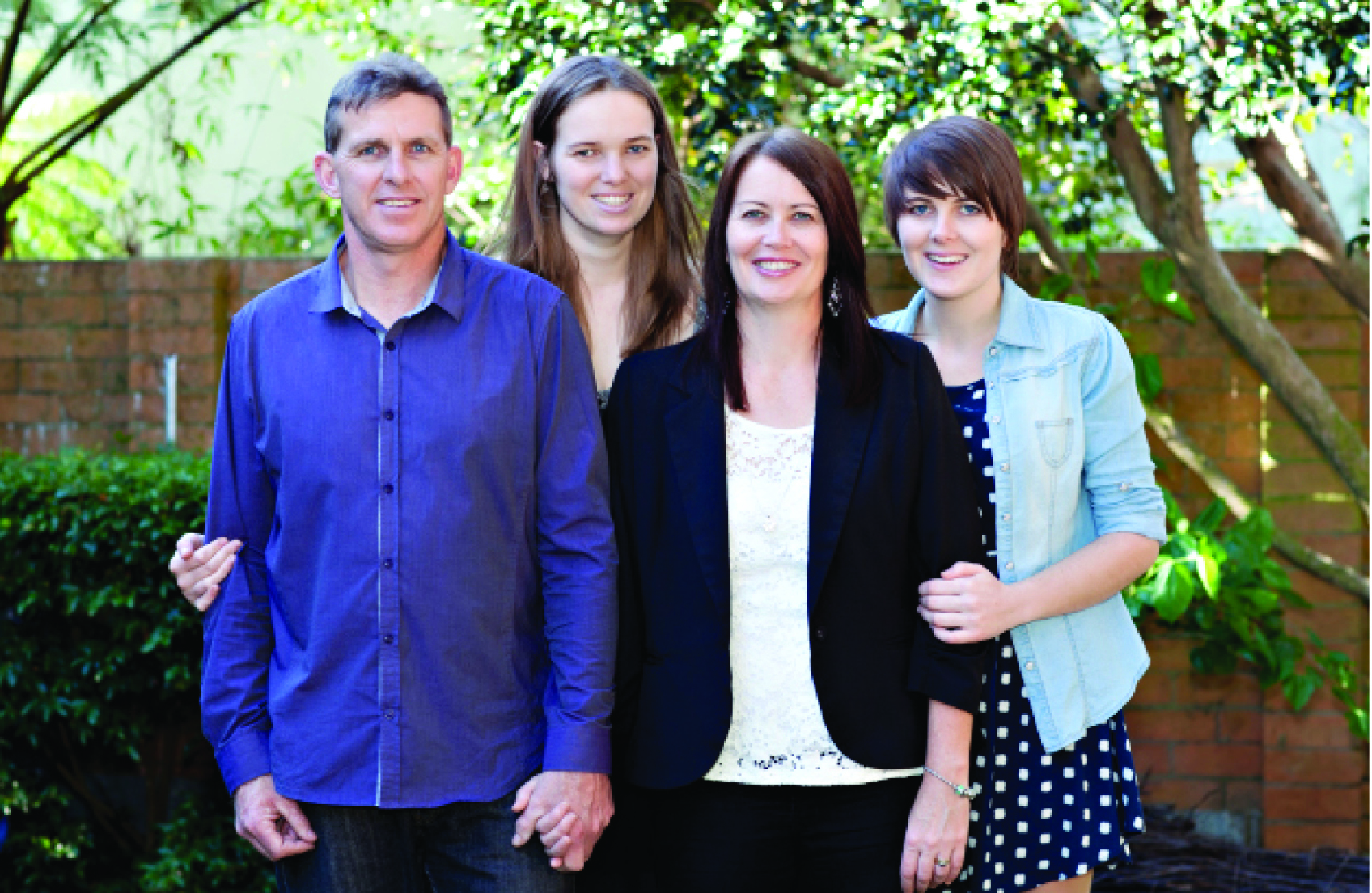
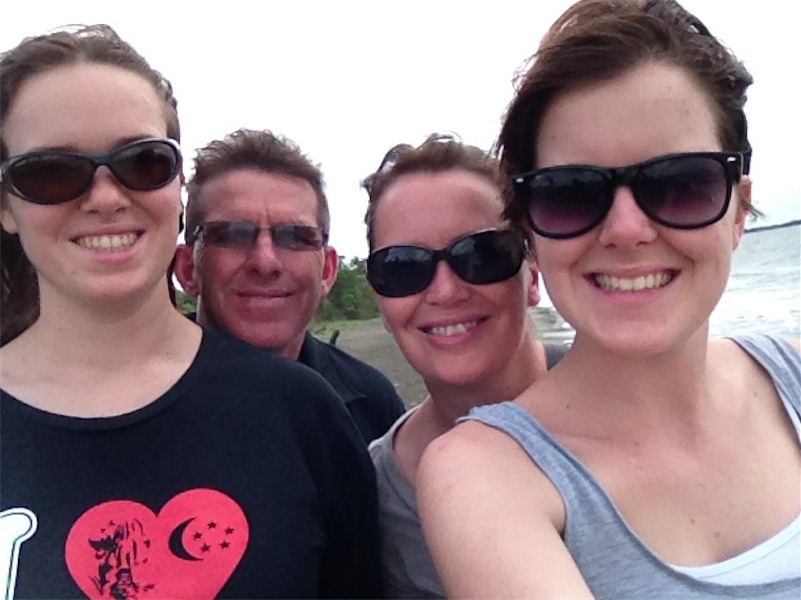
The 4 of us in the US. I left them to come back to Aussie. They went to Kenya.

I’ll tell you a secret: every other day I feel like calling my parents and telling them that I hate the fact that they chose to live in Kenya and that they should come back and live close to me. But I know deep down that this is what my parents are called to do. I know they wouldn’t be happy just living a “normal” life in Australia or New Zealand. And even though most of the time it sucks not having a normal family, I am really proud and glad that they are doing what they love.

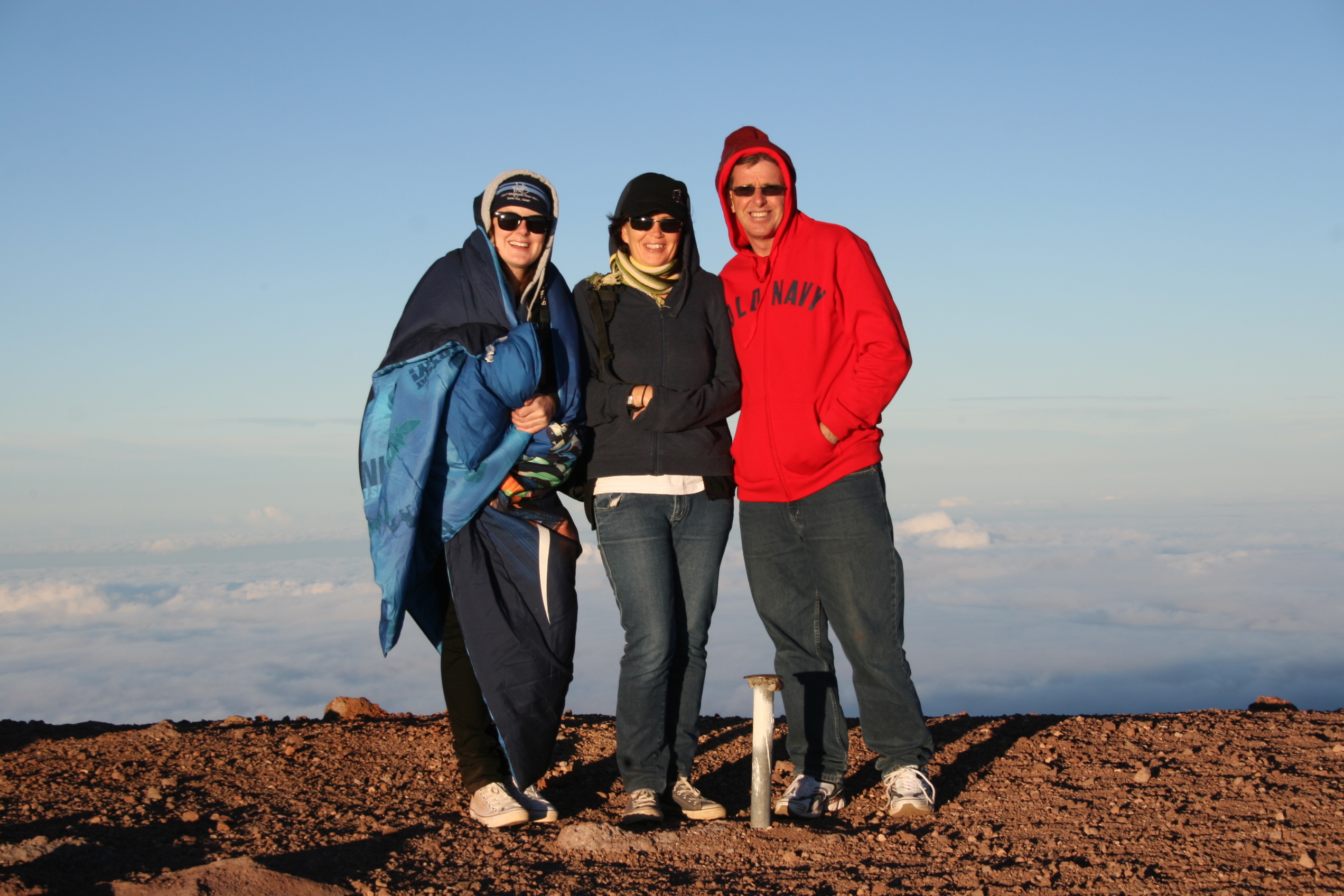
This is us on top of Mauna Kea in Hawaii before I went to school there.