Unknown's avatar

About thewildcreanberries

Join us on our adventure in Nairobi, Kenya. Working with the most underprivileged communities who lack clean water and sanitation facilities.

The Medical Gap

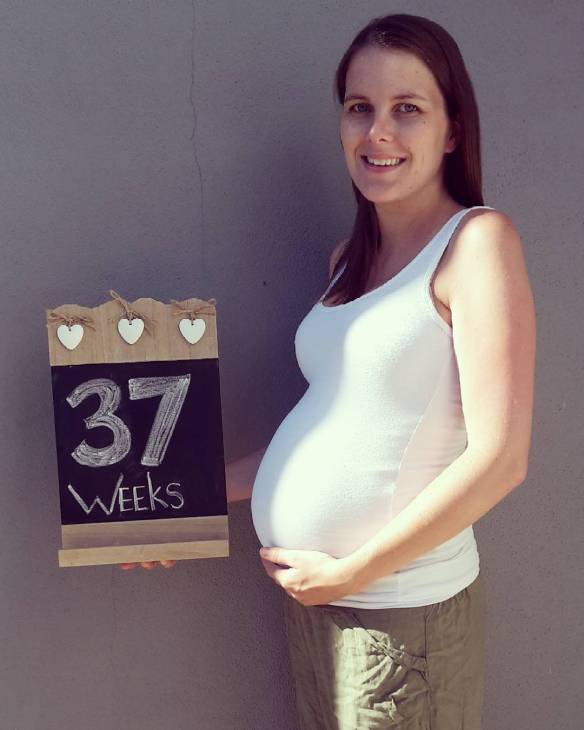
As pretty much the entire universe knows, our youngest daughter gave birth to the most perfect baby girl on Wednesday. But it hasn’t been without its dramas.

Hannah has had gestational diabetes throughout her pregnancy. That means she has had to cut out sugar, reduce her carbs and test her insulin levels 5 times a day. There’s extra scans and monitoring baby growth closer.

Baby had been super active in the womb and it was all looking good that the doctors had decided to let Hannah go right up to the 40 week mark, where originally they were going to induce her at 38 weeks.

And then baby stopped moving.

This was one of those events that stops your heartbeat. I suggested to Hannah to call the midwife whose care she was under, who said we should immediately go to the hospital. Luke (Hannah’s husband) drove pretty determinedly but there was this heavy silence in the car. No waiting, they saw us straight away. The relief experienced when we heard the heartbeat was huge. They decided to keep her in anyway.

Although baby’s heartbeat was good, the doctors had decided to induce baby on the Tuesday night. Not sure why they chose nighttime as the morning seemed a much better idea to me.

babe

I was really impressed with the staff, the quality of care but mostly the concern for baby and mother. The resources and technology are amazing, way better than when I had my kids 25 years ago.

Of course, it all got me thinking about the huge gap between what is available here and that in developing countries. I’ve friends in Kenya who have had babies and it’s a whole different world there.


  1. The God Factor

I call it this, because there tends to be a thinking in East Africa from people in certain positions – medical staff, police, teachers – which says ‘Don’t you know who I am, I must be obeyed without questions at all times’.

Kenya: You would never dare question what the doctor says and you simply don’t ask.

NZ: They give you informed options and don’t flinch if you question them ‘why’ or ‘could we try this’.
hospital 2

  1. The Price

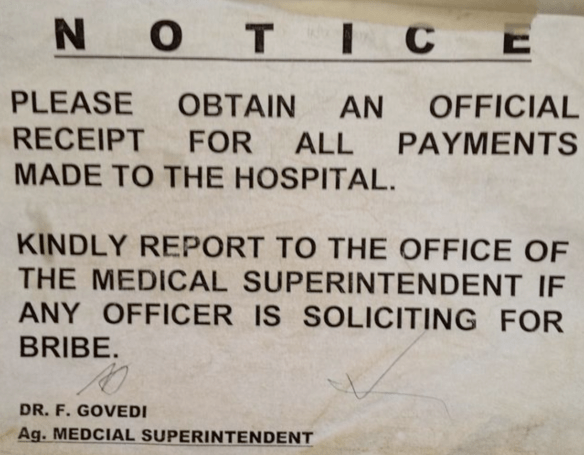
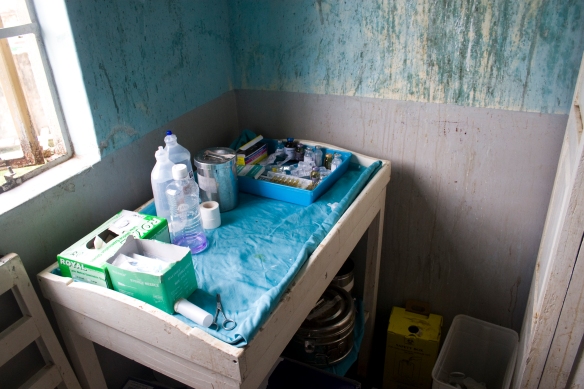
Kenya: While there is a policy of free maternity care, practically it’s not so. You need to pay for services like scans. I’ve close friends who didn’t have the $30 for a scan and had a breach baby who died 20 minutes after birth because of complications. The emergency cesarean section would’ve saved his life but that was around $800. They only earn $200 a month. You need to take everything in with you to hospital.

NZ: Every single thing is free. Food, personal bathrooms, sanitary products, scans, hospital stay, sheets, pillows and even free wifi.
tray

We met a young 18 year old who had been raped and become pregnant. We arrived on the day she gave birth to her son. She was not allowed to leave hospital because her family did not have the funds for payment. Every day she stayed the debt was accruing. No doubt the family had to borrow money to get the girl home.


  1. Rooms

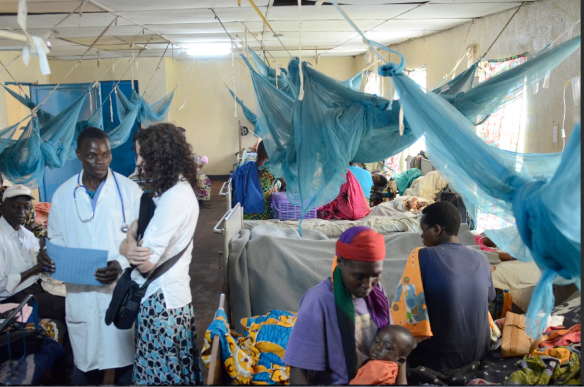
Kenya: Don’t be surprised if you are sharing a room with 8 other women. Imagine a metre between your bed and the next. Babies are often kept in a nursery, except for feeding.

NZ: While there’s the odd room that will have 4 beds in it, most are single or doubles. Baby is in your sight at all times, in a plastic bassinet beside you.
hospital 1

  1. The Birth

Kenya: I’ve yet to meet a Kenyan man who has been in the birthing room. It’s just not done any other way. In rural areas it’s older women who assist.

NZ: At the hospital our daughter went to, you could have as many support people as possible. In the birthing unit you could have two.

Nairobi has a few really good hospitals, so if you can afford to go to them you do. One is notorious for bad after birth care, but people go there because it’s free.

Our close friends whose baby died not long after a breach birth were forced to go to one such hospital. She should’ve had a c-section but the staff said to her that the lines to the theatre were long and ‘she carried small so she should deliver okay’. Of course, as in Kenyan culture, the dad went home (by public transport) but was called back because something was wrong. When he got there he was told his son had died. He never got to hold him because there was ‘confusion’ to the whereabouts of his sons’ body. He was told it was in the morgue, went there and they said to him he was on the ward. Went to the ward and was told he was in the morgue. What the attendants really wanted was bribe money. A terrible experience to an unnecessary tragedy.

Of course, if you have money, nothing is a worry. I’ve friends who’ve been in birthing centres in Nairobi and loved it. I’ve also known people who travel for half an hour on a motorbike to a rural clinic to give birth, all by themselves.

I applaud the work of Kenya’s First Lady – Mrs. Margaret Kenyatta in creating Beyond Zero which aims to improve maternal health. She is using her position to bring about awareness and change in a much needed area.

Me, one of my goals to is ensure that remote medical clinics have access to water, latrines and hand washing facilities. It’s high on our 3 year goal.
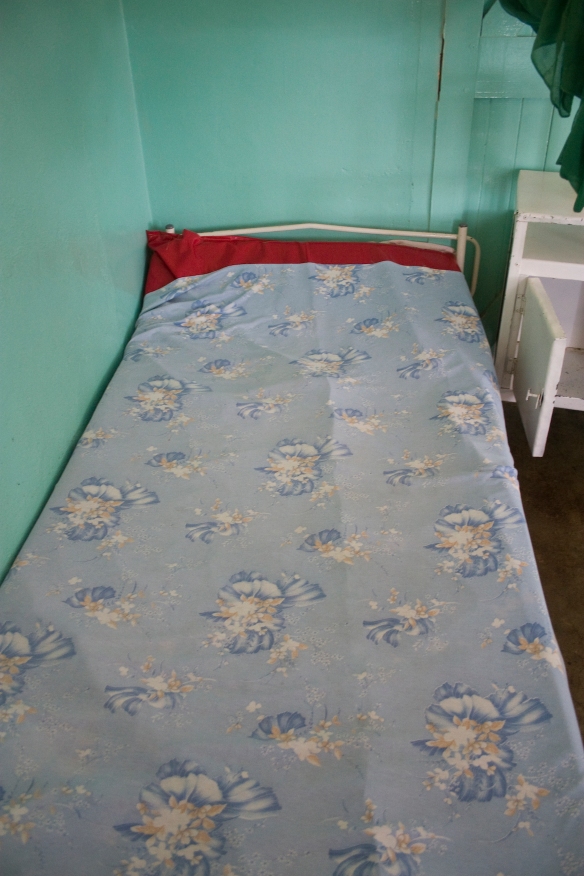
bed

Every life is precious no matter where they are born. For me, I’m getting to enjoy my short time with Isabella Rose and find inspiration every time I look at her to help other children across East Africa have a great start in life.
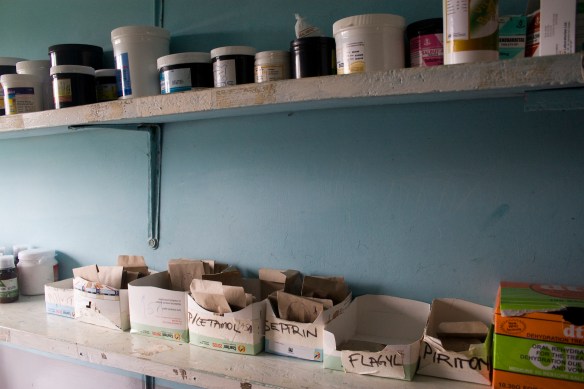
drugs


When We Return Home

It feels weird to say I’m going home, because Kenya is home for us and the thought of leaving it for 6 months just breaks my heart. I definitely want to be with our daughter Hannah for the arrival of our first grandbaby but leaving Nairobi, everyone close to us and the familiarity of home weighs heavy on me.
han

Hannah is ready to go!

I thought I would write about how YOU can help others like me who return to their home land, even though it is foreign for us. You see we often don’t understand the language, culture, politics and general day to day procedures in our homeland
To me, home is where my heart is at that time and especially where I am with my husband. While were living in Australia that was definitely home. I’ve returned a few times since being on assignment in Kenya and now I feel uncomfortable there. I’ve had several friends move back permanently to their homelands and I’ve asked them how long it took for them to adjust and they all say at least 8 weeks. I can identify with this as we spent 6 weeks in the States last year and it got quite comfortable by the end of the trip.


Sharon’s Tips:

  1. Give us time.

Homecomers (HC) usually travel a long way to get back. For me it was more than 30 hours in transit, that’s a really long time. I have done longer but on my ticket I had to be back in New Zealand by a certain date. It can take up to a week to get over jetlag.

Besides that though there are often things HC have to deal with. Organising bank accounts, health checks, drivers licenses and buying appropriate clothes for the local scene. And of course, you have to figure out how to get from A to B to do those things. We only hold Kenyan drivers licenses but it looks like we have to re-sit everything to get our New Zealand ones. That means I have to spend time studying, making sure I get my crazy driving ways out of my system and get to obey the laws here.

While it’s great to catch up with everyone, we come with a priority. For me, it was our daughter. For others it may be relocating back permanently or sorting out family issues. I had lots of people sending me messages and requests for catch ups and I’d only been in the country for 24 hours. It was all a bit much when what I really wanted to do was to just sit down after more than 3 years and watch a movie with my daughter.

flight

Just after landing


  1. Don’t assume.

A really hard things is that people assume that you know people, politics, current affairs and where to go for something. While we get a lot of news online, it’s just one of many things our brains are taking in. Our main focus is on the foreign country where we are based, not our homeland. Yes we attend events at embassies but that is to catch up with people of the same nationality and relax for a night. We know who our ambassador or high commissioner are but we don’t know who the MP is in the suburb we used to live in.


I haven’t lived in NZ for 15 years, it’s pretty much ALL foreign to me.


  1. Realise we are in two minds/hearts.

While we want to be with our families in times of need, we also have a new family in our foreign country. We have a new set of friends there, a new way of living, a new reality. We adjust.

When we return to our homeland we are torn in two. While we try to adjust here, our thoughts are with what is happening in the country we’ve just left. Today is the 2nd birthday of Alisa, our friends daughter. Tomorrow a group of friends will be going to their house for her party. We gave a gift to be unwrapped then but we will miss out on all of the fun. You can’t help but think about it, yet you wouldn’t be anywhere else right now.

Some people are forced to come back to their homeland as their visa might have run out, or there are family matters to attend to. Some have HAD to return for their kids. It’s very expensive to fly your whole family back so many have to decide who gets to return every now and then to the foreign country.


kids

At the beach for the first time in over a year

  1. Invite us home.

We find that people like to meet up for coffee or take us out for meals. While that’s great try and see it from our viewpoint. It costs at least double to go to a restaurant and we often think in our minds ‘I could take that extra $70 and put a kid through school for a couple of months’. Do that 20 times and you see a number of children’s faces or the local street children who could actually be getting educated rather than begging, or worse.

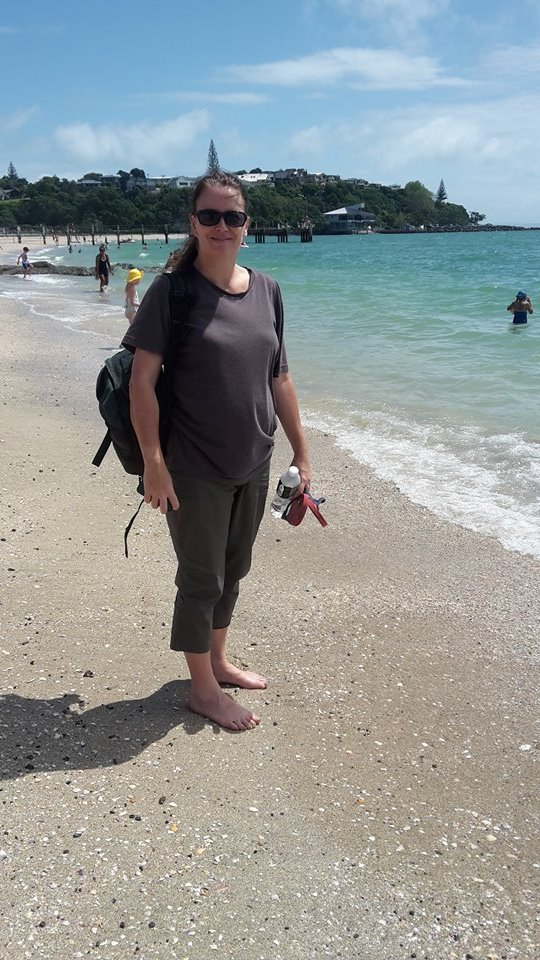
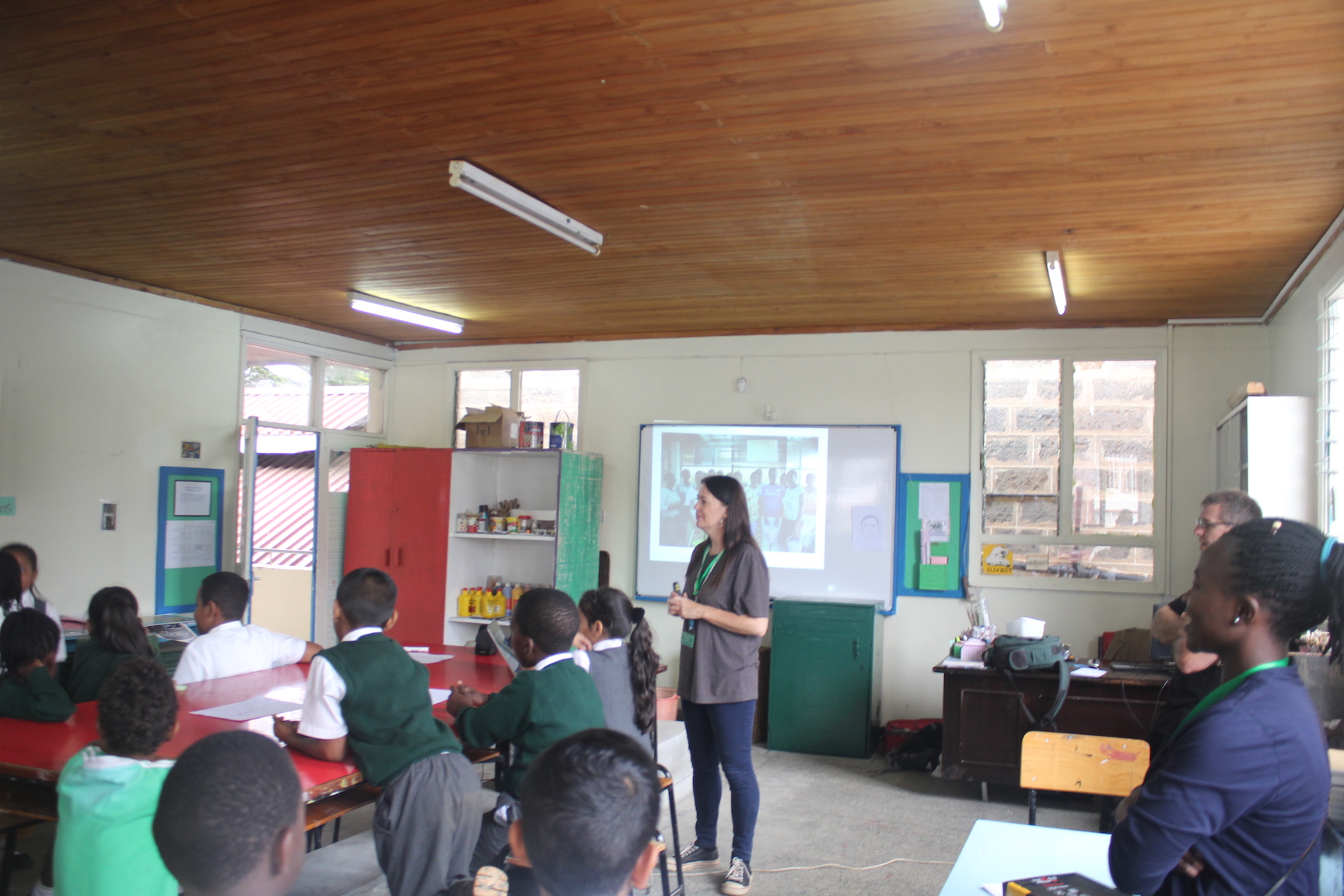
We come out for a couple of months at a time but hardly ever get invited into peoples homes. When you’re out speaking/fundraising you get tired of seeing the inside of buildings, offices and meeting rooms. You’re presenting non-stop about your cause, which you are passionate about, and you don’t get ‘down time’. Last time I was on tour I just got my feet wet in the ocean and my daughter said “Mum, your next appointment is early”. 30 seconds is all I got – our ocean is a 9 hour drive away.


Give us an option of where to meet.


  1. Support us.

It’s VERY expensive to travel to our homeland. It’s the number one reason we don’t return more often. Many of us rely on personal donors to keep us in the field. Some people just stop supporting because they think that the money isn’t needed any more. Often it’s the opposite. Many times things like eating out are cheaper overseas but that’s about it. If you’re going to stop financially supporting someone, at least write them an email explaining it.


  1. We still have a job to do.

When we are in New Zealand and Australia this year we are travelling to schools and Rotary clubs to try and raise project funds. It’s certainly no holiday when you return, even though people think so. There’s lots of emails, contacting your team back in the foreign country, making sure there’s funds for projects, visiting people here, grant writing, setting up legal entities and more. You are also working across time zones to balance everything out.

Work does not stop just because you’re in a different geographical place. It’s hard because you want to spend time with everyone but need to keep working. My brother asked what I’m up to while here and I really couldn’t be bothered trying to explain that I’m working because he just wouldn’t get it.

To me a holiday is hanging at the beach with the family, everyone off their phones and out playing games. This trip is so not a holiday. We need to quadruple our personal support level to be able to return to the work we do. Money does not automatically come in and it takes a lot of arm twisting to convince people to part with their hard earned dollars.

me


The Challenge of Exercising in Nairobi

Nairobi is not the easiest place to keep fit. There are lots of gyms popping up but there are very few places you can get out in the fresh air. We have Karura Forest which you can walk or run through, for us it’s a 30 minute drive away. If you’re into tennis there’s a number of courts to hire. Some people risk their lives biking. I think Nairobi has one actually hockey field but it’s under construction. We have the only ice skating rink in East Africa and costs $10 for a one hour session.


IMG_7588

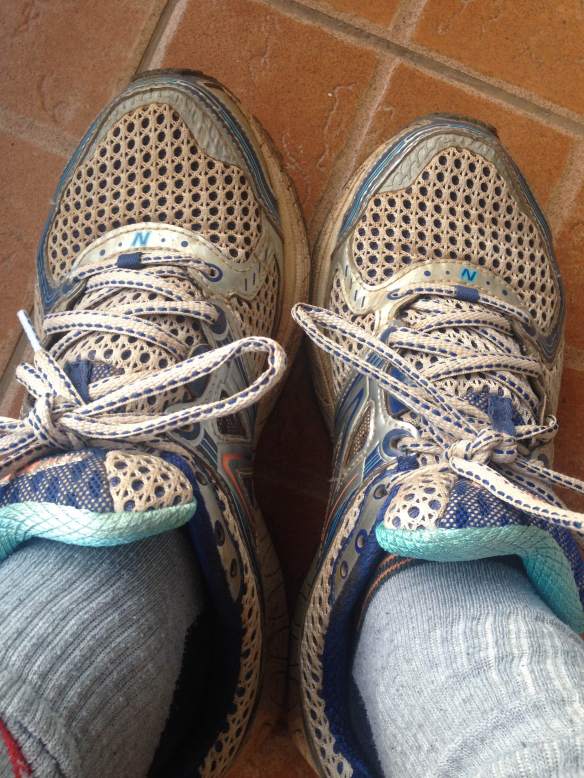
My faithful runners have kept me going for 5 years

So there’s not a lack of variety of things to do, you just need to have the budget and time to drive to where you need to go. Liz plays soccer (we call it football here) on Saturday mornings and she’s just discovered volleyball on Friday nights.

For me I like to run.

I like getting out there as soon as the sun rises and it’s safe to be out there by myself. This means the earliest I can go is 7am. Because we’re close to the Equator the sun starts rising at 6.30am, every day and it’s pitch dark by 7pm.

IMG_7593

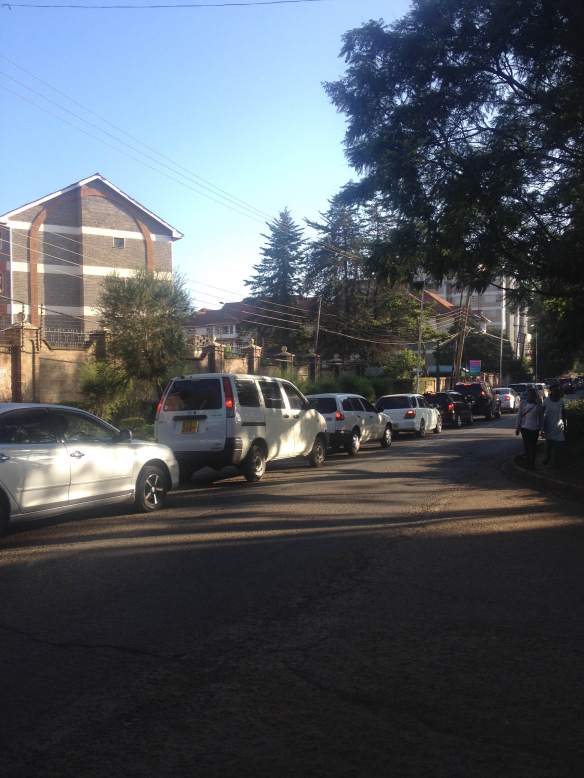
Normal 7am traffic

I’ve never been a fast runner, in fact it’s probably more jogging than running. I’ve dubbed it my ‘granny shuffle’.

It’s not exactly easy to run here though. Hundreds of people are walking on the side of the road to get to work. 85% of Nairobians rely on public transport. That means they walk as far as possible to reach a bus to take them to work. The average person spends 1 – 2 hours each way to work. That means I have to run in between people, and most don’t move over.

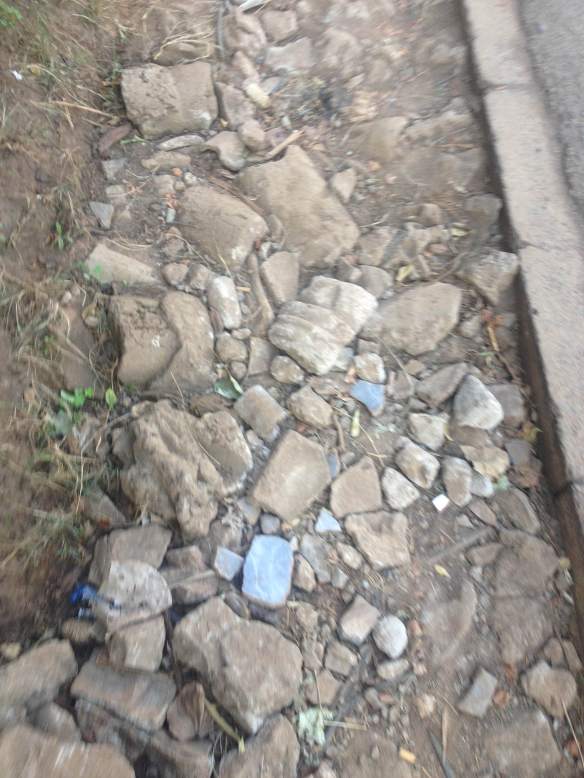
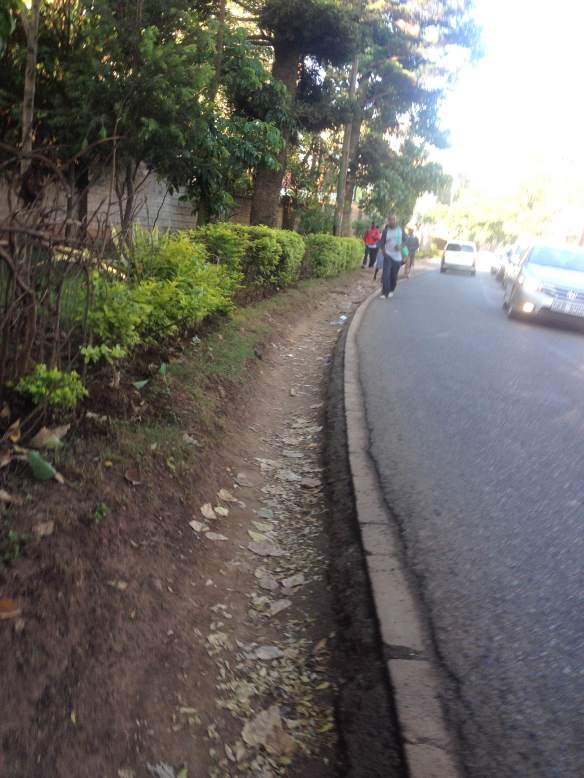
There are very little footpaths in our area. You simply walk on a dirt track on the side of the road. More footpaths are being built which is great, but not around us. I try and run on the road when it’s clear but with the condensed traffic it doesn’t happen much. Some idiot on a local building site decided to put the broken tiles and bricks into a shallow ditch that suffices as a path. It’s really dangerous whether you are walking or running. It’s easy to twist an ankle.


IMG_7596

The ‘footpath’

Buses are my biggest annoyance. The other morning there were 3 school buses outside our compound picking up school kids. The blocked the whole road and don’t care about pedestrians. Just up the road a bus pulled up in front of me and parked up on the only footpath we have. There’s plenty of private schools in the area and kids are picked up from 6am onwards. It’s sad to see the little preschoolers being picked up super early and then they get dropped off at 5pm.

Between the traffic, dirt tracks and people it’s a real challenge to even want to get out there.

However, I’ve found a secret place.

IMG_7594

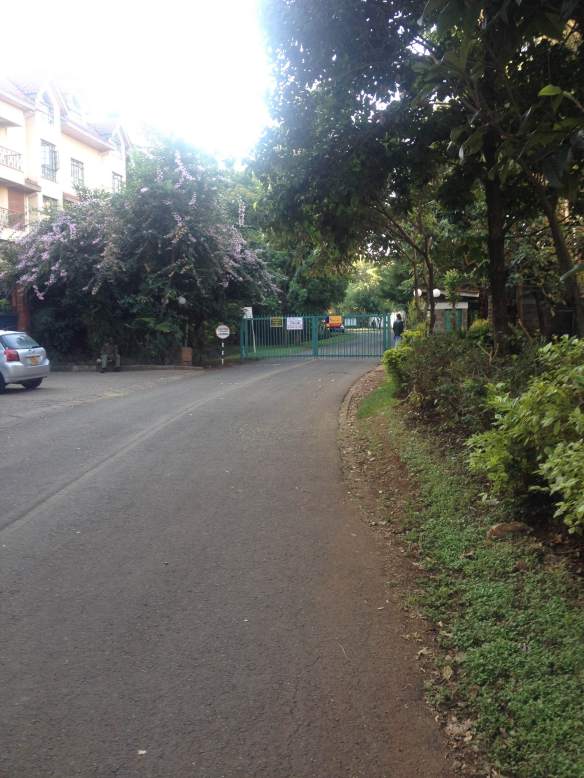
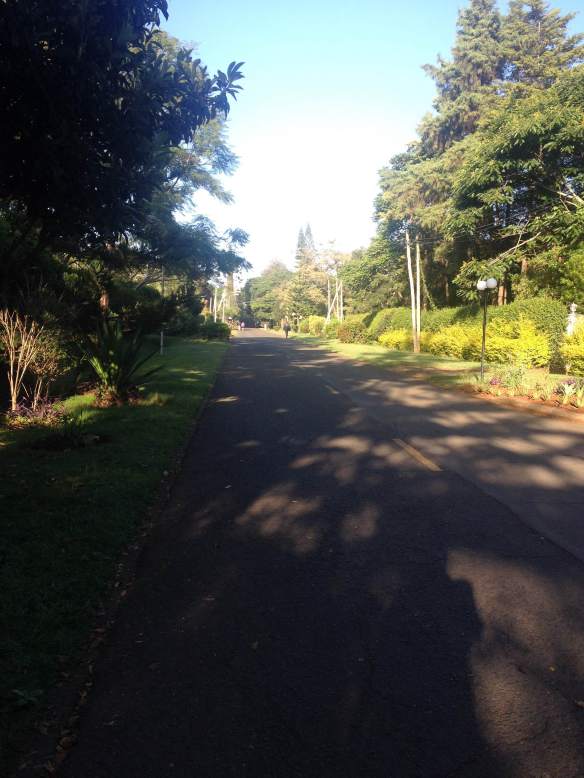
A 5 minute walk from our house is a gated community full of huge houses hidden behind large fences and security guards. Pete tells me there are a few politicians living there which explains the niceness of it all. Only residents can drive in there, there’s painted lines on the road and there are no potholes at all. In fact you don’t feel like you’re in Nairobi at all.

Running along there with the beautiful green trees, no noise (except the guard dogs) is just serene.


IMG_7592

The entrance into the gated community

Over the last couple of months of exercising there I’ve seen the regulars and spotted the new ones out there either walking or pounding the pavement. There’s even a small fitness group with a personal trainer that meets a few times a week.


IMG_7590

A little slice of heaven

We move out of our place at the end of the month and I often wonder if we will get an apartment in the same area when I return in September. If not, then I’m going to have to start finding a safe running area all over again. This one took me 2 years to find this one, I wonder how long it will take to find the next one.


IMG_7598

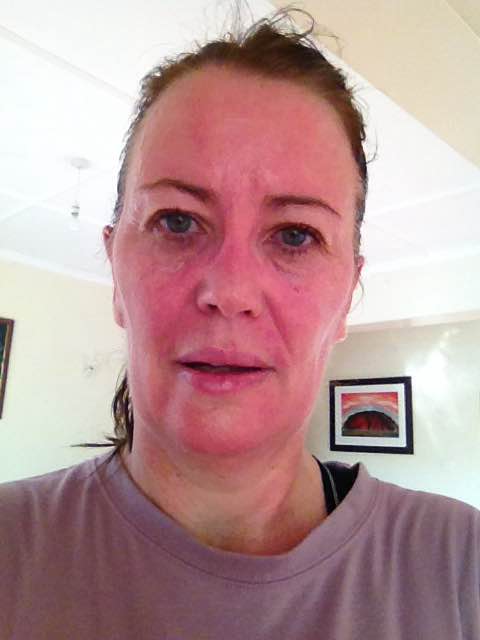
How red I get at the end of it all

It’s Going To Be An Interesting Year

2016 is in full swing. The schools are back here, Nairobi traffic has returned to its normal snail pace and for those who got away, their holiday is a mere memory.

Our Christmas was a non-event, we just ended up at a restaurant. Pete’s been  helping a mate, which means he was away from 6.30am until 8pm EVERY DAY, with the car. It has meant very long and lonely days when there’s nowhere to go and no car to get there.

Me – my computer and I spent lots of hours together getting ready for the year. Exciting, not.

I know I shouldn’t be complaining because it’s the only time in the whole year that I’ve had down time. But down time by yourself and all of your friends are out of town can be downright boring.

Now that Christmas and New Years is over I thought I would share on why this will be a very interesting year for us.

Our youngest daughter and her husband are expecting their first child (a girl) in March, however because she has gestational diabetes they may induce her early. I’ve been really honoured that she wants me in the delivery room with them. We’ve managed to scrap the funds together by selling off some old items and a friend gave us some money which meant I could get a ticket to New Zealand.

han

Liz has to return to Australia to keep getting her disability pension, but that’s not till the end of March. There’s no point in Pete staying behind by himself for months on end. We did that in 2014 for 7 weeks and it’s not much fun.

So we have a plan.

Pete will fly back with Liz and spend a week in Australia to meet up with some donors and help out an elderly couple of friends. If we can’t rent our apartment out we’ll put  our stuff in storage at our friends warehouse.

Because we’ll be gone until September.

What we’re going to do is take an absolute break in April. Usually when we go back we see our family for about one night. It’s shameful really but trying to catch up with everyone is near impossible.

For the next 8 weeks we will then be on the road speaking at schools, churches and Rotary Clubs. It’s also a great opportunity to meet with our personal supporters and try to raise more funds.

After NZ we pretty much do the same throughout Australia. At least New Zealand is small to get around, Australia takes a long time to get from A to B.

suitcase

I hope to be able to set up a charity in New Zealand and start a team there. We have lots of Kiwi connections and I believe we can really get something going well there.

We have a great team here in Nairobi. It’s all set up for them to take up the opportunity to show us what they’ve got.

I’m sure after 4 months on the road we’ll be glad to throw away the suitcases and head home to Kenya. I’m certainly not looking forward to our first winter in 4 years. But I am looking forward to raising funds for our projects.

Most of all I’m looking forward to seeing my daughter for the first time in 14 months and of course, cuddling our grand daughter.

I look forward to sharing our weekly updates with you. I hope if you are one of my readers that you’ll want to meet up with us while we’re in Australasia.

It will be weird though. When we went to the US last year everything was so foreign and I have a feeling that it will be the same when we head back home. So much has changed and so have we.

You can find our video announcement HERE


Coming Home

I once asked some friends who were returning to Australia after two years of volunteering in Tanzania “How long do you think it will take you to get used to being there?” Their answer was a couple of months.

After spending 6 weeks in the US, I can verify that answer. We were just getting used to the conveniences of life and how things worked in another world.

But now we’ve returned home.

Home is where the majority of my family is. Hannah is with her husband Luke in New Zealand, awaiting the birth of their first child next year. That leaves Pete, Liz and I.

home

We were all a bit anxious about returning because we knew what we were heading into. It will be home for a few more years. We were looking forward to a more familiar world and definitely not living out of a suitcase.

Home, a 4 letter word that means so much more than that.

Our first morning here was interesting. None of our showerheads were working, so I ended up having a bucket shower. One where you fill a bucket with boiled water and pretty much pour it over yourself a few times. I realized afterwards that I had forgotten to pull out the tap so water came out of the showerhead.

shower

We thought our internet had pretty good speed, until we went overseas. Now it feels painstakingly slow. It’s way better than dialup but also much slower than what we experienced in the US.

Coming home meant unpacking an entire houselot of furniture from a spare room. Because the floors had been sanded and repolished all of the cupboards were full of red dust. You could tell that the workers had thumbed through our clothes hanging up because their fingerprints were all over the place. We also discovered they had stolen our very good iron and used our TV stand as a ladder. We knew because there was paint all over it. To say we weren’t happy campers is an understatement. And this was just Monday.

Of course, you can’t live in their world any more without the internet, but guess what wasn’t working when we returned? This meant trips down to the mall to visit our friendly staff at Zuku who worked it all out for us.

Jetlag, unpacking, buying food, meetings on day 3, all were a bit much. Before Liz headed off to volunteer at her preschool I insisted that she put up the Christmas tree to keep her busy. Liz had absolutely no worries about jetlag. She slept like a baby, while Pete and I got about 2 hours sleep and stayed awake the remainder of the night. We’ve never had such jetlag in our entire lives, and we’ve done a lot of travelling. It took an entire week to get back to normal.

Coming home also meant that we were broke.

We stayed two weeks too long on our trip. While we had a couple of schools in that time, it really put the financial pressure on us. We didn’t realize how expensive the US was going to be for public transport and food. We stretched ourselves way further than ever before. We don’t have a credit card to fall back on, no savings that we could dig into. What we had is what we had and with the fall in the Aussie dollar there wasn’t much bang for your buck.

dollar

Coming home meant coming back to very little freedom. This has been my biggest challenge to date. No more walking around at night. Always having our bags and cars checked at church and shopping malls. Having to take off my jewellery before walking out in public. Locking the metal gate and door every time you step out, even to get rid of the garbage.

The loss of freedom is something I haven’t got used to. A friend who lives here but is in New Zealand over the Christmas break, couldn’t help but send me a post of Facebook post to say she had just walked home at 10pm at night. I miss freedom.

But – this is home.


mass


Why we chose to move to Africa

I’ve heard some real doozies about why people think we moved to Kenya, here are some samples:

  • To be a missionary
  • To go and drill wells
  • To live somewhere hot
  • You like Africa more than Australia
  • To get away from issues
  • To prove something
  • To go on a working holiday


These are just some of the weird things people have said to our faces.

globe

We stated from the start that we felt we had skills that could help people help themselves. We also could keep a closer eye on our projects as all the people we had dealt with in the past we had known, but herein it was new territory. Everyone we had contact with was told why we were moving but I guess some people just don’t get it. And to be honest,

Pete has a long history in the building/farming/construction/business area. If you need something practical done, Pete’s the man to get onto it. He has valuable practical knowledge that most people don’t. He’s able to take a problem and work it through to make sure it works.

Originally he volunteered with an organization that works with streetboys. After a few years though he couldn’t see himself as more than a fixer-upper. In his words, he might as well move back to Australia and make some money and at least have job satisfaction. So, he moved on.

kili 9

I was unsure where I would fit volunteering so joined the same organization as Pete. I ended up working in an office. I was looking forward to being part of a team. While it was good for a while I was trying to split myself between them and BeyondWater, which we had started in Australia.

So while we came here for one thing, we’ve ended up doing something quite different. Now, both Pete and I are developing a team here in Kenya. We’re on the ground living life as Kenyans do, learning every day about how we can be more effective and building networks.

DSCF1362

So here’s my short answers to people’s perceptions:

To be a missionary – every person of faith is a missionary (one who is sent out) to make a difference wherever they are. Our intention here is not to ‘convert’ people but to befriend them.

To go and drill wells – I have not, nor probably never will drill a well. That’s why we employ people to do it.

To live somewhere hot – think about that one. It’s much hotter in Australia, here in Nairobi our temperature goes from around 13 and sometimes hits 30. That’s not hot.

You like Africa more than Australia – not sure why people think like this. I don’t love a country, I love my family and we could probably live anywhere. We happen to be in Kenya for a purpose.

To get away from issues – everybody has issues and they follow you wherever you go.

To prove something – people with ego’s don’t last long here. The romantic notion of living in a developing country wears off pretty fast – and we’re not young so there’s not a lot to prove.

To go on a working holiday – Pete’s dad always asks how our holiday is going. I don’t know many people who go on a holiday for 3+ years. This definition would mean you work for a few months then go on holiday. We work and are able to stay because we have friends and family who give us money each month. Our visa allows us to volunteer only – as in you work but don’t get paid.

So now you know. Why did you move to where you are living?

truck up hill

What I’ve learned about the US

We’ve spent 5 weeks in different parts of the US and a few more days in Canada. The main reason for coming was to get into the heads of people to see what they knew about Africa, water projects and how they felt about giving to projects there.

flag

What we learnt is that the majority of people know very little and only 40% of people there hold a passport. When we watched the news it was all slanted so that everything revolved around America. For example, when a hotel in Western Africa was attacked by terrorists, it was stated that it was an American hotel. It was a hotel owned by an American, that doesn’t make it American. Everything on TV is about the US.

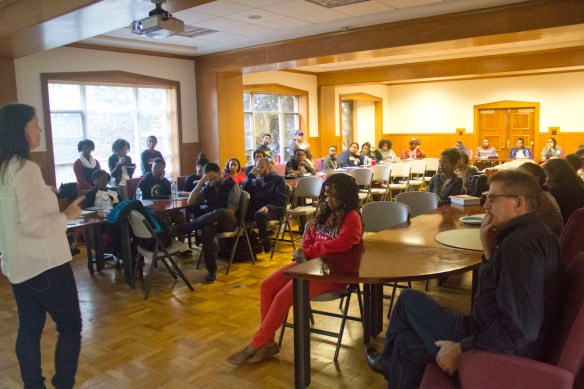
I understand that it’s a huge country but when we were talking with students they know zero about the wider world. At one university a student mentioned that her father was Kenyan, she had been there twice – and that Kenya was an island. Hmm….

liz n tower

We’ve also learned that most of the people we talked abhorred Muslims. I’m sure this is fed by the biased media but we got the feeling that people fear in a huge way every Muslim. People were so shocked that we have many Muslim neighbours and are happy to live amongst them.

Before we went to the US, we ourselves were slightly biased against Americans. Many of the ones we’ve met in East Africa are loud, bossy and act as if they own the world. They drive around with the flashiest cars, have a lavish lifestyle and never get their hands dirty.

Now we’ve been here for a while, we’ve seen another side. People are more than happy to go out of their way to point you in the right direction. They are very hospitable and are even interested in finding out about Africa. Maybe because we were visitors we were treated extra nicely but we’ve been around long enough to know when someone is sucking up to you. Today we met a lady from Nigeria who was putting her story out there real thickly as soon as she knew we were from East Africa. Within the first minute she wanted to become Facebook buddies and then proceeded to tell us that she was missionary and a whole story to go with that.

Howard 6

The US is quite an expensive place to travel in. Well, when you’re on a super strict budget anyway. It probably cost us $100 a day to be here, and that’s on top of accommodation. It cost as much to eat out as Kenya, taxis are way more expensive but clothing is a much better price. Tipping is a total rip off. In Kenya we only tip if we get good service and maybe one or two dollars. Here it’s between ten and twenty percent. When you see a price for something, it doesn’t include tax, which is very easy to forget about. As much as possible we’ve tried to catch trains and buses, but it still adds up. To get to our friends house tonight cost us $10 one way. That’s pretty good but when you’ll be doing that trip twice a day for a week, you can see why we’ll be eating rice and beans when we return home.

We kept reminding ourselves that this is an investigative trip and not a holiday. Sure, we’ve fitted in a few fun things but this was all about the future for our organization, BeyondWater and trying to break into the US as a new market. Our next step is to build a team of interested people, then form a legal charity and return in a couple of years. One obvious thing is to build a US website, with American spelling and everything linking BeyondWater to have a US identity.

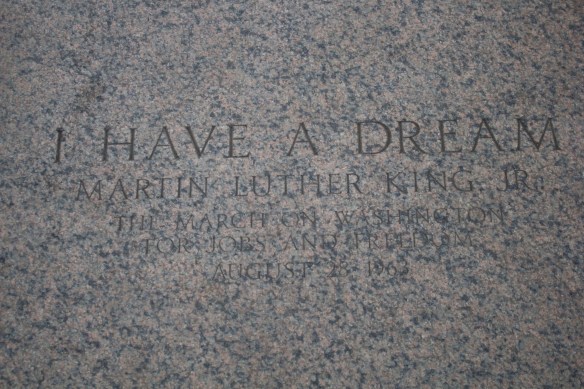
ive a dream

This trip has given us a small insight into what life is like here, some of the challenges and ways of life here. We hope we from this that we have a broader mindset of the American culture and will continue to build our friendships there.

To all of our old friends who we’ve reconnected with, it’s been a blast. For all of our new friends, what a pleasure it’s been to get to know you. Let’s do it all over again in a couple of years.

with trung and gloria

Travelling on a Shoestring

We love to travel, any where, any time. When we made the decision to move to Kenya I felt I had to kill the travel bug. You can’t volunteer somewhere, relying on donors to put food on the table, and be jet setting around the globe. It just isn’t right.

I wanted to see the Niagara Falls, the pyramids of Egypt and even visit an Amish farm.

whole falls

We’ve just completed 3 years in Kenya and about to start another 3 year stint. However, since we’ve moved there we’ve travelled more than ever before. So I thought I’d put together some tips for travelling on a super tight budget.

tea fieldsPlan well Ahead

You’re not going to get what you want if you leave it till the last minute. I often book a flight 6 months out and then work the itinerary within that time frame. It doesn’t always pan out, but it does give me time to research on what’s available. Only you can weigh on whether it’s better for your schedule if you can catch a bus or fly. On this trip we caught 6 flights, 7 bus trips and plenty of local trains. We could’ve cut down on the flights but riding a bus for 24 hours is pushing the limit for me.

IMG_1900Do your Homework

There is plenty of information on the internet. Use interest groups on Facebook to ask questions. For this latest trip we got told lots of incorrect information (the bus doesn’t stop, this is the best place to see something etc).

sign

I was so brain dead after travelling 30 hours from Kenya to the US that I got the wrong package for our phone (we only get a local SIM card for one phone). For another $15 I could’ve got a data package instead of just a text and talk package. It meant we had to rely on free wifi to access the internet, which isn’t always when you need it.

Cut down on your Costs

Some of your biggest costs on the ground will be accommodation and food. Why on earth would you spend lots of money on a hotel you are hardly in? I always try and get a place that has free wifi and breakfast provided. Even if there are 3 of us, we always share a room. Preferably we stay close to a train line.

If you can, bunk down at someone’s house. We always bring a small gift from Kenya for those who host us and it goes a long way to be appreciated.

If you’re in a place for a few days, check out whether it’s cheaper to get a weekly transport pass or just daily. A few weeks ago we stayed at someones place but found out it was $15 each way on the train, per person!

Food can be a big investment when travelling. Try to find a side walk diner rather than a restaurant. Shout yourself once a week to a good, solid meal. Buy fruit and bottles of water at the supermarket.

IMG_2653

Travel Lightly

Sometimes airlines charge for domestic flight baggage. We came to the US with 3 bags for a 6 week trip. We managed to store one at a friends house and just repacked everything. After a month, we returned to their house to pick up the other bag. Airlines were charging $25 per checked in bag, so it was better to pay for 2 rather than 3. How many trips have you taken and worn hardly anything you packed? Organise your smaller items like toiletries into zip lock bags in case they spill.

IMG_0147

Ask for Help

People are usually pretty good in helping out if you get lost or don’t know something. While it’s convenient to catch a cab, a train or bus can save you lots of dollars. We were in Buffalo, New York for a few hours and because we went to the info desk at the bus station, it saved us $60 not hiring a car, instead catching a $2 bus to Niagara Falls. Locals have the best information, just ask them.

IMG_0086

Use a Conversion App

Sometimes it gets confusing with trying to convert prices. Use a simple app like Xe to help you when it all gets too much. Some countries like the US don’t include taxes for many items to buy and it differs from state to state. Think about tipping charges as well. Find apps that help you before you go. Understand the difference in exchange rates and what your bank charges for withdrawals at ATM machines. Most banks have a relationship with a certain one in a foreign country which reduces your fees.

all the girls

Travel Maps

To a local, it’s very easy to get around. Not so much if you’re a tourist. Before you leave home, download maps, metro timetables and apps for Uber and Yelp. It will save you both time and money.

IMG_8751

What This Tours’ All About

One thing I’ve discovered in life is that fundraising is flippin’ hard work. You have to fight every other charity for the same dollar and the loudest voice is the one that gets heard. When you have a zero marketing budget and no paid staff it takes a lot longer to get anything done.

Looking at several organisations who have work in East Africa I’ve seen there’s two ways to keep afloat:

  1. Have a team in your home country that are fundraising while you on foreign soil are implementing the project
  2. You spend a third of your time fundraising.

I would love to employ a team in Australia, New Zealand, Kenya and the US who would spread the word about our projects in East Africa. That means we could focus on developing working team here and increase our projects.

However, it’s not about to happen overnight.

nonprofits-fundraising

So, this Sunday, we head for six weeks to the US. It’s definitely not going to be a holiday. To me a holiday is finding a beach, sitting in cafes, going to the movies, staying up late and sleeping in.

For six weeks we will be speaking in schools, universities and churches telling our story. On top of that we have one on one meetings with old friends as well as connecting with people who run projects over here to see how we can partner together.

To be honest, I think we’re all looking forward to the change in scenery.

They say ‘a change is as good as a holiday’. This year has had quite a few challenges and it will be nice to have a different focus for a few weeks.

I’ve done 7 weeks of a speaking tour before and know that after talking about the work for so long all you want to do is get back into it. Lugging suitcases, laptops, camera gear and items for sale is never fun. We often travel by buses and trains, planes only when the budget allows it.

shaz

This trip has been funded by our daughter. We get the privilege of staying at friends houses on their sofas, mattress on the floor or if we’re really lucky, in a bed. A few cities we are going to we will be staying in 2 star hotels. While I always check out the reviews, many times they scare me. I worry we’ll end up in some dive of a place that is absolutely horrific. So far we haven’t had too dodgy a deal. I figure that we are only there to sleep so how bad can it get?

Years ago some people had booked a hotel for me in New York City. Unfortunately it was directly across the road from a 24 hour mechanics bay which mainly dealt in taxis. Getting sleep was not an option.

One thing I am looking forward to is getting out and walking at night. Even after three years of being here in Nairobi I still miss the chance in getting out at night because of security. I know no place is totally safe but the thought of getting the opportunity is just awesome.

However, I’m not looking forward to the temperature drop that we will experience from 10 – 20 degrees celcius below what we are currently getting!

IMG_1900

What I do know is that the future is in the hands of our youth. If we can inform them and then empower them to bring about positive change.

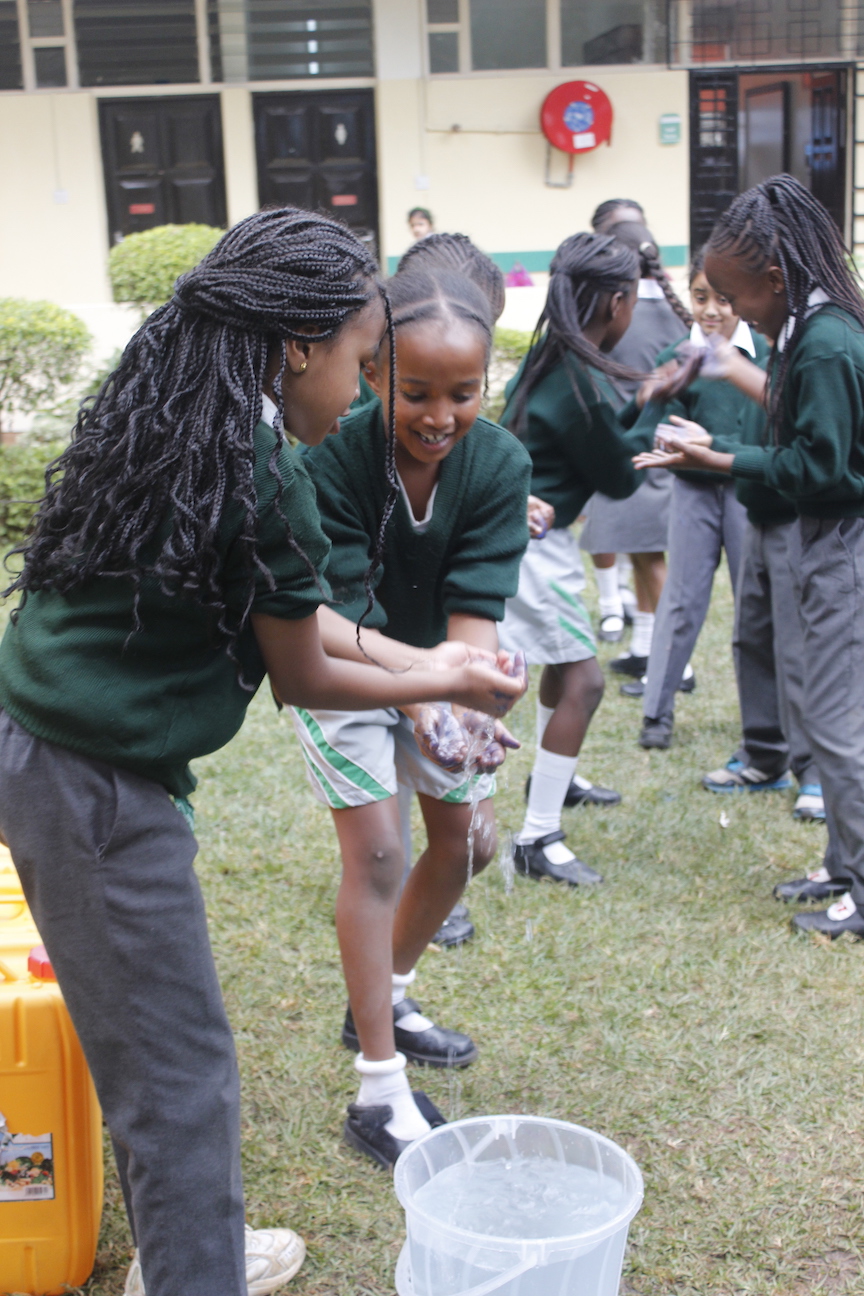
hand game

Here’s the itinerary so you can send us messages, happy thoughts and prayers. We’re leaving our work in Kenya in the hands of our very capable team and look forward to hering from them on some of the very cool things they’ve done while we’re away.

Next time you hear from us, we’ll be wazungu (foreigners) in a slightly different country.

ITINERARY

OCTOBER

18th    Fly out of JKIA at 10.50am

19th    Arrive in NYC at 2.15pm

20th    Day to sort out our resources, phones and catch up on some sleep

21st    Nord Anglia International School

22nd   Academy of St Joseph

23rd   Elizabeth Irwin High School

24th   One on one meetings

25th   Bridge Community Church

26th   Travel by bus from NYC to Toronto, Canada

27th   Meet with Canadian friends

28th   Meet with Canadian friends

29th   Meet with Canadian friends

30th  Travel by bus from Toronto to Columbus, Ohio

31st   Day off

NOVEMBER

1st    Meetings

2nd   Connect with partners

3rd    Connect with future partners

4th    Travel by plane from Columbus to Dallas, Texas

5th    Individual meetings

6th    White North Rock School

7th    Travel by bus from Dallas, to Houston, Texas

8th    Lakewood Church

9th    Individual meetings

10th   Individual meetings

11th   Veterans Day

12th   St. John’s School

13th    Individual meetings

14th   Day off

15th    Individual meetings

16th   Travel by plane from Houston to Washington D.C

17th   Blessed Sacrament School

18th   Individual meetings

19th   Howard University School of Law

20th   Bus from Washington D.C. to NYC

21st   Metro Ministries

22nd   Day off

23rd    Bus from NYC to Philidelphia

24th    Individual meetings

25th    Ride back to NYC

26th    Thanksgiving day

27th    Individual meetings

28th    Depart NYC at 4.30pm

Things I only wish I could say on Facebook

Half the world are involved daily on social media sites. If I put these comments up on Facebook I think I might be persecuted and seen as small minded. People would think I’m picking on them, when all I’m doing is having a viewpoint. I thought I’d put my points on the blog just to get it out of my system.

So here goes.

  1. Girls – please cover up more!!

It’s not just because I’m a mother and I’m 46. Females don’t have to go around with a paper bag over themselves but seriously the amount of skin could be reduced somewhat.

Remember, once it’s out there on social media – it’s out there for good. Potential employers check out your page. The amount of skin and lack of clothing does nothing for the advancement of women, it actually cheapens our worth.

Modesty seems like a swear word these days. Objectification of women isn’t helped by the very same females that give men the feeling of ‘taste and see’.

Girls, it’s time to embrace your womanhood, but do it with style. We don’t need to see pretty much all of your skin except your nipples and downstairs. Have some respect for yourself.

  1. A like doesn’t actually change anything.

Just because you hit the ‘like’ button doesn’t mean you change anything, it’s just your opinion. What brings change is money to a cause that is already making a difference. It amazed me how Australians get up in arms about taking in more refugees but I wonder how many would personally open their homes to a total stranger?

In 1993, photographer Kevin Carter made a trip to Sudan, where he took a photo of a vulture preying upon an emaciated Sudanese toddler near the village of Ayod. Carter said he waited about 20 minutes, hoping that the vulture would spread its wings. It didn’t. Carter snapped the haunting photograph and chased the vulture away. Journalists in the Sudan were told not to touch the famine victims, because of the risk of transmitting disease, but Carter came under criticism for not helping the girl.

Carter eventually won the Pulitzer Prize for this photo, but he couldn’t enjoy it. “I’m really, really sorry I didn’t pick the child up,” he confided in a friend. Consumed with the violence he’d witnessed, and haunted by the questions as to the little girl’s fate, he committed suicide three months later.

kevin-carter-vulture

We need to get out of our ‘liking’ to doing something that brings about change.

  1. Those videos with ‘wow, I can’t believe this happened – are the most boring and annoying posts ever.

I know the words are used to get people to actually watch the videos, but how annoying are they? You go onto the video and they’re usually less than spectacular. It’s worse than being ‘poked’ and you know how bad that is! Maybe I’m a bit hard hearted but I probably only enjoy one in ten of those videos.

  1. Stop posting your hate for Muslims – that’s not the way to show your own faith of ‘love’.

People accuse Muslims of being radicals but from what I’ve seen on Facebook, the haters are just as radical. I have lots of Muslim neighbours, there are 5 Muslim girls at our project in Kenya, in the past my boss was a Muslim, albeit a bad one except when his father was around.

I despise it when people put up dumb posts that cheer when something happens to a person of another faith (e.g. the death of a Dubai prince) –  as if their race, religion or gender is superior. Or the super spiros who think that if a crane falls on a mosque killing people that it’s God’s judgment.

I thought there was going to be one Judgment Day, and we wouldn’t be the judge.

Just because we belong to another faith stream does not give us the right to spit out our hate towards another. I remember reading when Jesus said to ‘love your enemies’.

If you want to win people over, you don’t do it by pouring out hate on them.

  1. When people use others photos and claim them as their own

Grrr. I’ve had my own photos used without my permission and it’s infuriating. Today I was reading a post on an expat site here in Nairobi about a trip to the Amboseli National Park. The photos they used weren’t their own – they had the photographers watermark on them. Of course when I queried this they stopped responding to me and then they were cheeky enough to crop the photo and take the watermark off it. At least give credit where it’s due.

  1. Irresponsible Reporting

The job of the media is not to tell the truth but to sell a story. Often the initial ‘facts’ are then changed because it’s about getting out a story before anyone else does.

Here’s a video from the Huffington Post about the wrong information getting out about the tragedy of the Boston Bombing .

It’s also the wording that is used to attract the reader – like this story about suicide.

There is nothing beautiful about suicide at all. It is one of the leading causes of death for Australian men aged below 44, with men being four times more likely to die by suicide than women, and men use more violent means to end their lives.

The news is about sales and that is all.

  1. The stupid facials

In twenty years time imagine when people look at this generation and see all the stupid poses and facials. They’ll probably be thinking – man, what drugs were they on? Seriously, can’t we get photos of people with tongues in their mouths and not bending half way over? It’s like there’s a whole generation of people with injured backs.

  1. When ignorant judgement calls are made

Ebola happened in West Africa, we live in the East. People we knew were freaking out because they thought we might get it. People decide not to come to Kenya because of what they’ve heard or think they heard in the media. There’s an attack at the coast, a 9 hour drive from our place and we get inundated with messages to see if we’re okay.

In 2013 one Australian died in Kenya. In Bali – 48. In fact an Australian dies every 9 days in Bali, yet we in Kenya are accused of it being a dangerous place to visit.

Most people think that Africa is one country and is all about war, poverty and famine. Every single person that comes here says the same thing ‘I never knew how good it would be’.

When people put up photos of a child outside a mud hut, there’s the assumption that it’s like that all over.

I know, because I get comments about it all of the time.

  1. Fuzzy photographs

This is one of the most annoying things I see on social media. In this day and age surely people can be putting up photos that are in focus. As a photographer it’s really annoying. You might as well not bother.

  1. Breakdown of the English language

My top peeve would be how people shorten a whole sentence with a new form of English that to me is just gross. Mainly it’s the Kiwis who are the worst at it.

Examples (from some of my favourite people):

  • you fullas lit up that syd I’m sure lolol was that the t rythms too sis
  • Nek minnit
  • you fellas vamoosed somewhere,it was good see youse
  • Hard owt at what he does best kuzzie
  • Should of sent sam to urz or uz could of come here lol
  • apologies in advanced for being dat guy
  • come and get your cuzzie to the gym to do some work aye
  • Love us all in rotoz
  • every1 breeze forgot to put family pass for 2adults and 4 kids its 60bux 4 debretts
  • churr bro

So there it goes, my top 10 things I’ve really wanted to say on Facebook but can’t. I use social media A LOT so it probably annoys me more than the normal person. I probably annoy you, feel free to share.