We’re Not In Kansas Any More Toto

The enormity of what we are undertaking this year is really sinking in now. Who in their right mind would spend 6 months away from Kenya and try and raise $50,000 for projects as well as double their own personal income? The itinerary is always evolving and there are lots of variables to work with that complicate it. It’s an insane plan and I sure hope it pays off.

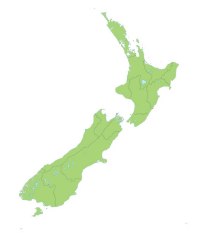
So here we are, in our country of birth (New Zealand), total strangers to the system, language, food and culture. Google maps confuses me as it says the names of the roads in an odd accent and isn’t helping me pronounce Maori words.

You would think that after 6 weeks I would’ve become accustomed to things here. Actually, I’m better than Pete and Liz who’ve only just arrived. I feel sorry for them because I understand what a head spin it is being here.  nz

The Driving

People indicate! Wow, what an experience. Everyone here complains about how bad the traffic is. Ha, if they only knew what it could really be like. I have to admit that it gets frustrating having to wait for the traffic lights to change, it seems like forever. I don’t like driving at night but here I’ve done it a few times and because of the overhead lights and reflector lights on the roads, it is no effort.


Food

The variety of food here is AMAZING! I can even get gluten free food wherever I go. However, there is lots of food we shouldn’t be eating because of the sugar levels. Fruit is fairly expensive and when you pay 10 times the amount for a smaller avocado, it does your head in. For the first time in about 6 years we’ve had fejoas, which is phenomenal. The problem is that we are here for a few months and because of the good food, we’ve all put on weight already.


Language

I’ve never heard so many ‘sweet as’ and ‘sure bro’ in one conversation. Even coming from people serving at a counter, the answer always seems to be ‘sweet as’. I suppose it’s better than saying ‘cool’ after every conversation. Kiwis say a lot of ‘aye’ at the end of their sentences. Pete’s picked it up so that just about every sentence finishes with ‘aye’ and it drives me up the wall. I hope it’s something he can wean off when we leave.


Shopping

The sales here are phenomenal. Whenever we come out of Kenya, we always have a shopping list ready to go. Things in Kenya are very expensive and we know that places like NZ and Aussie have great sales. In Kenya it’s a sale if there is 1 or 2 percent discount. I picked up a frying pan that had 50% off, now that’s a sale. Unfortunately we couldn’t find many summer clothes to take home because it’s all about winter here now. However, after a few weeks I’m a bit tired of trailing the malls for a good deal. All we seem to have done is see the inside of the car, the inside of a meeting room and the inside of a mall.


The Reverse Culture Shock will pass, but it might take some time. How did you cope when moving to another country?

When We Return Home

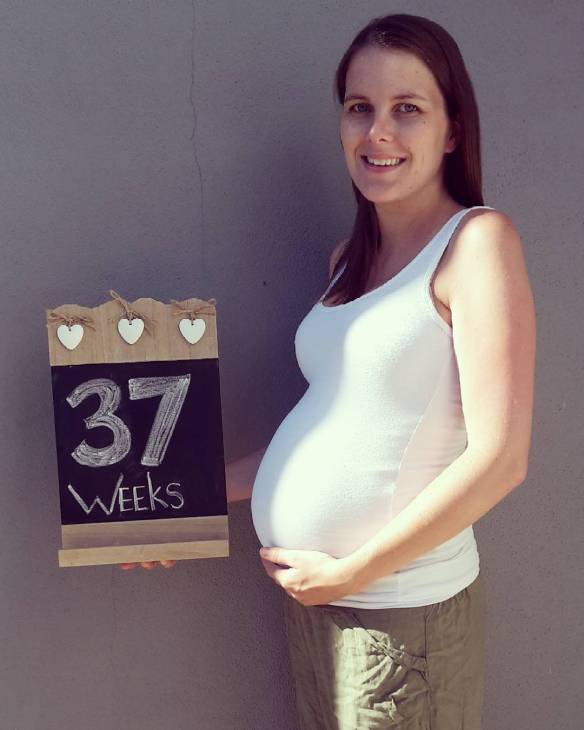
It feels weird to say I’m going home, because Kenya is home for us and the thought of leaving it for 6 months just breaks my heart. I definitely want to be with our daughter Hannah for the arrival of our first grandbaby but leaving Nairobi, everyone close to us and the familiarity of home weighs heavy on me.

han

Hannah is ready to go!

I thought I would write about how YOU can help others like me who return to their home land, even though it is foreign for us. You see we often don’t understand the language, culture, politics and general day to day procedures in our homeland

To me, home is where my heart is at that time and especially where I am with my husband. While were living in Australia that was definitely home. I’ve returned a few times since being on assignment in Kenya and now I feel uncomfortable there. I’ve had several friends move back permanently to their homelands and I’ve asked them how long it took for them to adjust and they all say at least 8 weeks. I can identify with this as we spent 6 weeks in the States last year and it got quite comfortable by the end of the trip.


Sharon’s Tips:

  1. Give us time.

Homecomers (HC) usually travel a long way to get back. For me it was more than 30 hours in transit, that’s a really long time. I have done longer but on my ticket I had to be back in New Zealand by a certain date. It can take up to a week to get over jetlag.

Besides that though there are often things HC have to deal with. Organising bank accounts, health checks, drivers licenses and buying appropriate clothes for the local scene. And of course, you have to figure out how to get from A to B to do those things. We only hold Kenyan drivers licenses but it looks like we have to re-sit everything to get our New Zealand ones. That means I have to spend time studying, making sure I get my crazy driving ways out of my system and get to obey the laws here.

While it’s great to catch up with everyone, we come with a priority. For me, it was our daughter. For others it may be relocating back permanently or sorting out family issues. I had lots of people sending me messages and requests for catch ups and I’d only been in the country for 24 hours. It was all a bit much when what I really wanted to do was to just sit down after more than 3 years and watch a movie with my daughter.

flight

Just after landing


  1. Don’t assume.

A really hard things is that people assume that you know people, politics, current affairs and where to go for something. While we get a lot of news online, it’s just one of many things our brains are taking in. Our main focus is on the foreign country where we are based, not our homeland. Yes we attend events at embassies but that is to catch up with people of the same nationality and relax for a night. We know who our ambassador or high commissioner are but we don’t know who the MP is in the suburb we used to live in.


I haven’t lived in NZ for 15 years, it’s pretty much ALL foreign to me.


  1. Realise we are in two minds/hearts.

While we want to be with our families in times of need, we also have a new family in our foreign country. We have a new set of friends there, a new way of living, a new reality. We adjust.

When we return to our homeland we are torn in two. While we try to adjust here, our thoughts are with what is happening in the country we’ve just left. Today is the 2nd birthday of Alisa, our friends daughter. Tomorrow a group of friends will be going to their house for her party. We gave a gift to be unwrapped then but we will miss out on all of the fun. You can’t help but think about it, yet you wouldn’t be anywhere else right now.

Some people are forced to come back to their homeland as their visa might have run out, or there are family matters to attend to. Some have HAD to return for their kids. It’s very expensive to fly your whole family back so many have to decide who gets to return every now and then to the foreign country.


kids

At the beach for the first time in over a year

  1. Invite us home.

We find that people like to meet up for coffee or take us out for meals. While that’s great try and see it from our viewpoint. It costs at least double to go to a restaurant and we often think in our minds ‘I could take that extra $70 and put a kid through school for a couple of months’. Do that 20 times and you see a number of children’s faces or the local street children who could actually be getting educated rather than begging, or worse.

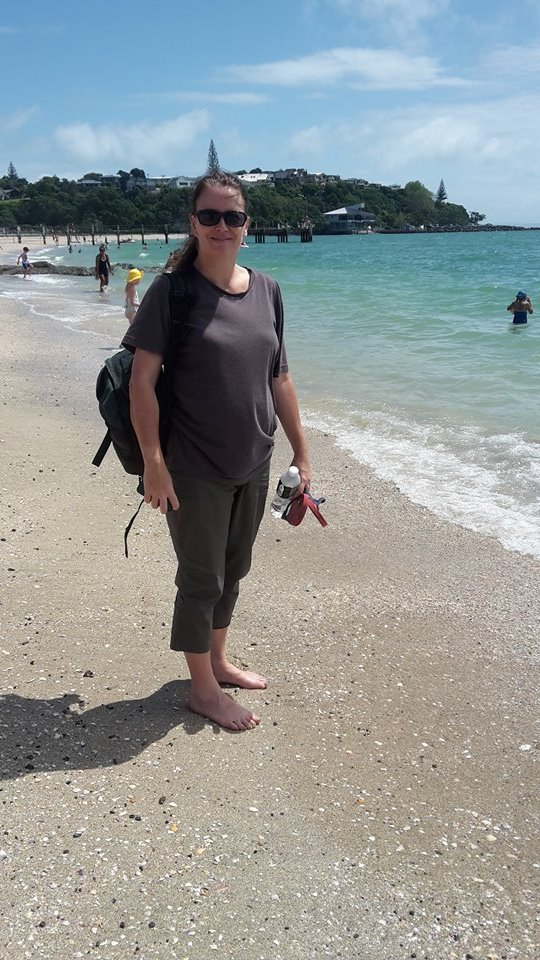
We come out for a couple of months at a time but hardly ever get invited into peoples homes. When you’re out speaking/fundraising you get tired of seeing the inside of buildings, offices and meeting rooms. You’re presenting non-stop about your cause, which you are passionate about, and you don’t get ‘down time’. Last time I was on tour I just got my feet wet in the ocean and my daughter said “Mum, your next appointment is early”. 30 seconds is all I got – our ocean is a 9 hour drive away.


Give us an option of where to meet.


  1. Support us.

It’s VERY expensive to travel to our homeland. It’s the number one reason we don’t return more often. Many of us rely on personal donors to keep us in the field. Some people just stop supporting because they think that the money isn’t needed any more. Often it’s the opposite. Many times things like eating out are cheaper overseas but that’s about it. If you’re going to stop financially supporting someone, at least write them an email explaining it.


  1. We still have a job to do.

When we are in New Zealand and Australia this year we are travelling to schools and Rotary clubs to try and raise project funds. It’s certainly no holiday when you return, even though people think so. There’s lots of emails, contacting your team back in the foreign country, making sure there’s funds for projects, visiting people here, grant writing, setting up legal entities and more. You are also working across time zones to balance everything out.

Work does not stop just because you’re in a different geographical place. It’s hard because you want to spend time with everyone but need to keep working. My brother asked what I’m up to while here and I really couldn’t be bothered trying to explain that I’m working because he just wouldn’t get it.

To me a holiday is hanging at the beach with the family, everyone off their phones and out playing games. This trip is so not a holiday. We need to quadruple our personal support level to be able to return to the work we do. Money does not automatically come in and it takes a lot of arm twisting to convince people to part with their hard earned dollars.

me


Coming Home

I once asked some friends who were returning to Australia after two years of volunteering in Tanzania “How long do you think it will take you to get used to being there?” Their answer was a couple of months.

After spending 6 weeks in the US, I can verify that answer. We were just getting used to the conveniences of life and how things worked in another world.

But now we’ve returned home.

Home is where the majority of my family is. Hannah is with her husband Luke in New Zealand, awaiting the birth of their first child next year. That leaves Pete, Liz and I.

home

We were all a bit anxious about returning because we knew what we were heading into. It will be home for a few more years. We were looking forward to a more familiar world and definitely not living out of a suitcase.

Home, a 4 letter word that means so much more than that.

Our first morning here was interesting. None of our showerheads were working, so I ended up having a bucket shower. One where you fill a bucket with boiled water and pretty much pour it over yourself a few times. I realized afterwards that I had forgotten to pull out the tap so water came out of the showerhead.

shower

We thought our internet had pretty good speed, until we went overseas. Now it feels painstakingly slow. It’s way better than dialup but also much slower than what we experienced in the US.

Coming home meant unpacking an entire houselot of furniture from a spare room. Because the floors had been sanded and repolished all of the cupboards were full of red dust. You could tell that the workers had thumbed through our clothes hanging up because their fingerprints were all over the place. We also discovered they had stolen our very good iron and used our TV stand as a ladder. We knew because there was paint all over it. To say we weren’t happy campers is an understatement. And this was just Monday.

Of course, you can’t live in their world any more without the internet, but guess what wasn’t working when we returned? This meant trips down to the mall to visit our friendly staff at Zuku who worked it all out for us.

Jetlag, unpacking, buying food, meetings on day 3, all were a bit much. Before Liz headed off to volunteer at her preschool I insisted that she put up the Christmas tree to keep her busy. Liz had absolutely no worries about jetlag. She slept like a baby, while Pete and I got about 2 hours sleep and stayed awake the remainder of the night. We’ve never had such jetlag in our entire lives, and we’ve done a lot of travelling. It took an entire week to get back to normal.

Coming home also meant that we were broke.

We stayed two weeks too long on our trip. While we had a couple of schools in that time, it really put the financial pressure on us. We didn’t realize how expensive the US was going to be for public transport and food. We stretched ourselves way further than ever before. We don’t have a credit card to fall back on, no savings that we could dig into. What we had is what we had and with the fall in the Aussie dollar there wasn’t much bang for your buck.

dollar

Coming home meant coming back to very little freedom. This has been my biggest challenge to date. No more walking around at night. Always having our bags and cars checked at church and shopping malls. Having to take off my jewellery before walking out in public. Locking the metal gate and door every time you step out, even to get rid of the garbage.

The loss of freedom is something I haven’t got used to. A friend who lives here but is in New Zealand over the Christmas break, couldn’t help but send me a post of Facebook post to say she had just walked home at 10pm at night. I miss freedom.

But – this is home.


mass


Why we chose to move to Africa

I’ve heard some real doozies about why people think we moved to Kenya, here are some samples:

  • To be a missionary
  • To go and drill wells
  • To live somewhere hot
  • You like Africa more than Australia
  • To get away from issues
  • To prove something
  • To go on a working holiday


These are just some of the weird things people have said to our faces.

globe

We stated from the start that we felt we had skills that could help people help themselves. We also could keep a closer eye on our projects as all the people we had dealt with in the past we had known, but herein it was new territory. Everyone we had contact with was told why we were moving but I guess some people just don’t get it. And to be honest,

Pete has a long history in the building/farming/construction/business area. If you need something practical done, Pete’s the man to get onto it. He has valuable practical knowledge that most people don’t. He’s able to take a problem and work it through to make sure it works.

Originally he volunteered with an organization that works with streetboys. After a few years though he couldn’t see himself as more than a fixer-upper. In his words, he might as well move back to Australia and make some money and at least have job satisfaction. So, he moved on.

kili 9

I was unsure where I would fit volunteering so joined the same organization as Pete. I ended up working in an office. I was looking forward to being part of a team. While it was good for a while I was trying to split myself between them and BeyondWater, which we had started in Australia.

So while we came here for one thing, we’ve ended up doing something quite different. Now, both Pete and I are developing a team here in Kenya. We’re on the ground living life as Kenyans do, learning every day about how we can be more effective and building networks.

DSCF1362

So here’s my short answers to people’s perceptions:

To be a missionary – every person of faith is a missionary (one who is sent out) to make a difference wherever they are. Our intention here is not to ‘convert’ people but to befriend them.

To go and drill wells – I have not, nor probably never will drill a well. That’s why we employ people to do it.

To live somewhere hot – think about that one. It’s much hotter in Australia, here in Nairobi our temperature goes from around 13 and sometimes hits 30. That’s not hot.

You like Africa more than Australia – not sure why people think like this. I don’t love a country, I love my family and we could probably live anywhere. We happen to be in Kenya for a purpose.

To get away from issues – everybody has issues and they follow you wherever you go.

To prove something – people with ego’s don’t last long here. The romantic notion of living in a developing country wears off pretty fast – and we’re not young so there’s not a lot to prove.

To go on a working holiday – Pete’s dad always asks how our holiday is going. I don’t know many people who go on a holiday for 3+ years. This definition would mean you work for a few months then go on holiday. We work and are able to stay because we have friends and family who give us money each month. Our visa allows us to volunteer only – as in you work but don’t get paid.

So now you know. Why did you move to where you are living?

truck up hill

What I’ve learned about the US

We’ve spent 5 weeks in different parts of the US and a few more days in Canada. The main reason for coming was to get into the heads of people to see what they knew about Africa, water projects and how they felt about giving to projects there.

flag

What we learnt is that the majority of people know very little and only 40% of people there hold a passport. When we watched the news it was all slanted so that everything revolved around America. For example, when a hotel in Western Africa was attacked by terrorists, it was stated that it was an American hotel. It was a hotel owned by an American, that doesn’t make it American. Everything on TV is about the US.

I understand that it’s a huge country but when we were talking with students they know zero about the wider world. At one university a student mentioned that her father was Kenyan, she had been there twice – and that Kenya was an island. Hmm….

liz n tower

We’ve also learned that most of the people we talked abhorred Muslims. I’m sure this is fed by the biased media but we got the feeling that people fear in a huge way every Muslim. People were so shocked that we have many Muslim neighbours and are happy to live amongst them.

Before we went to the US, we ourselves were slightly biased against Americans. Many of the ones we’ve met in East Africa are loud, bossy and act as if they own the world. They drive around with the flashiest cars, have a lavish lifestyle and never get their hands dirty.

Now we’ve been here for a while, we’ve seen another side. People are more than happy to go out of their way to point you in the right direction. They are very hospitable and are even interested in finding out about Africa. Maybe because we were visitors we were treated extra nicely but we’ve been around long enough to know when someone is sucking up to you. Today we met a lady from Nigeria who was putting her story out there real thickly as soon as she knew we were from East Africa. Within the first minute she wanted to become Facebook buddies and then proceeded to tell us that she was missionary and a whole story to go with that.

Howard 6

The US is quite an expensive place to travel in. Well, when you’re on a super strict budget anyway. It probably cost us $100 a day to be here, and that’s on top of accommodation. It cost as much to eat out as Kenya, taxis are way more expensive but clothing is a much better price. Tipping is a total rip off. In Kenya we only tip if we get good service and maybe one or two dollars. Here it’s between ten and twenty percent. When you see a price for something, it doesn’t include tax, which is very easy to forget about. As much as possible we’ve tried to catch trains and buses, but it still adds up. To get to our friends house tonight cost us $10 one way. That’s pretty good but when you’ll be doing that trip twice a day for a week, you can see why we’ll be eating rice and beans when we return home.

We kept reminding ourselves that this is an investigative trip and not a holiday. Sure, we’ve fitted in a few fun things but this was all about the future for our organization, BeyondWater and trying to break into the US as a new market. Our next step is to build a team of interested people, then form a legal charity and return in a couple of years. One obvious thing is to build a US website, with American spelling and everything linking BeyondWater to have a US identity.

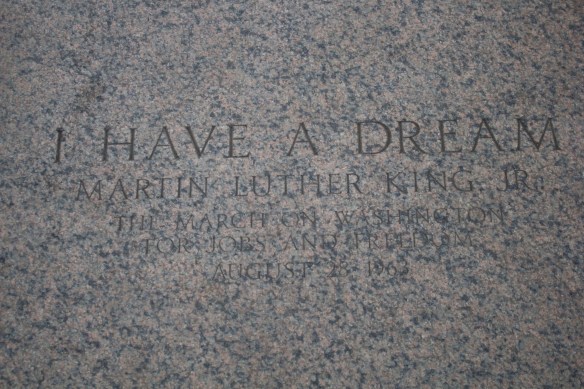
ive a dream

This trip has given us a small insight into what life is like here, some of the challenges and ways of life here. We hope we from this that we have a broader mindset of the American culture and will continue to build our friendships there.

To all of our old friends who we’ve reconnected with, it’s been a blast. For all of our new friends, what a pleasure it’s been to get to know you. Let’s do it all over again in a couple of years.

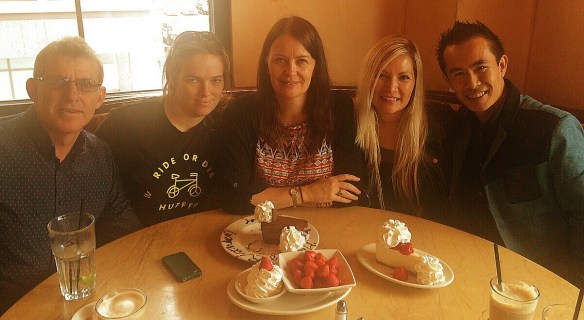
with trung and gloria

Travelling on a Shoestring

We love to travel, any where, any time. When we made the decision to move to Kenya I felt I had to kill the travel bug. You can’t volunteer somewhere, relying on donors to put food on the table, and be jet setting around the globe. It just isn’t right.

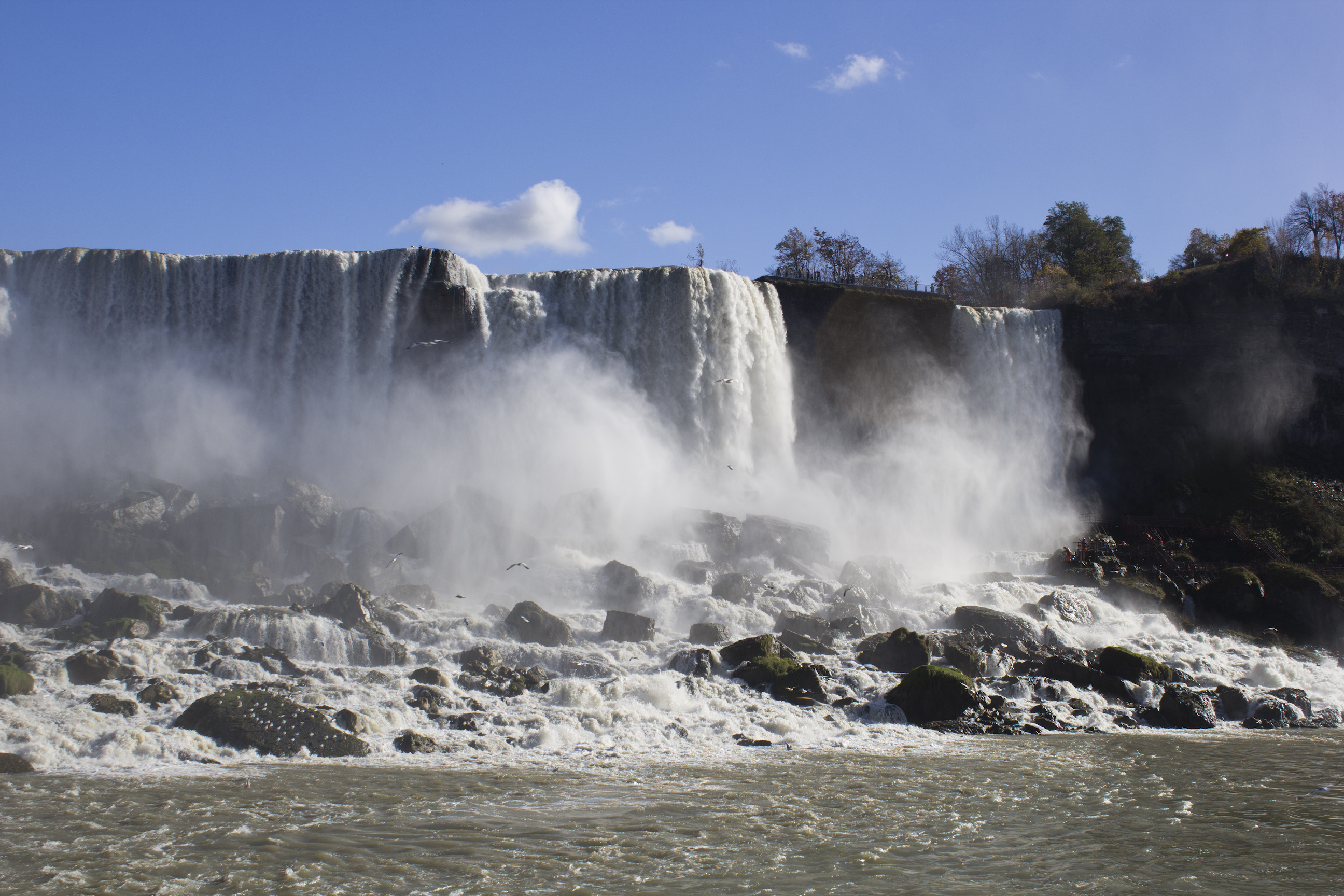
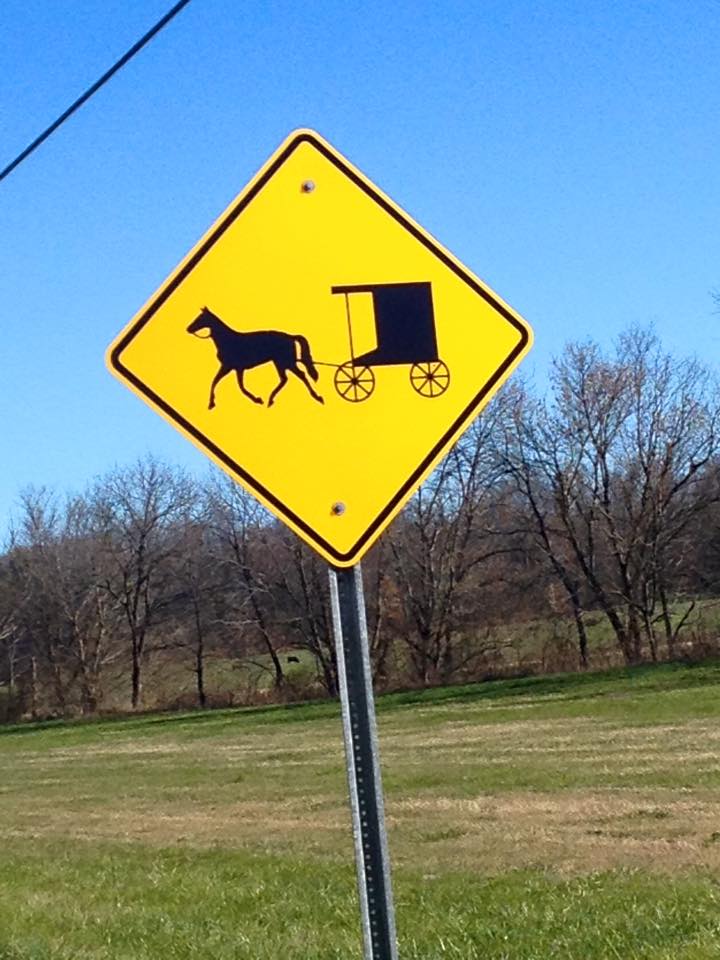
I wanted to see the Niagara Falls, the pyramids of Egypt and even visit an Amish farm.

whole falls

We’ve just completed 3 years in Kenya and about to start another 3 year stint. However, since we’ve moved there we’ve travelled more than ever before. So I thought I’d put together some tips for travelling on a super tight budget.

tea fieldsPlan well Ahead

You’re not going to get what you want if you leave it till the last minute. I often book a flight 6 months out and then work the itinerary within that time frame. It doesn’t always pan out, but it does give me time to research on what’s available. Only you can weigh on whether it’s better for your schedule if you can catch a bus or fly. On this trip we caught 6 flights, 7 bus trips and plenty of local trains. We could’ve cut down on the flights but riding a bus for 24 hours is pushing the limit for me.

IMG_1900Do your Homework

There is plenty of information on the internet. Use interest groups on Facebook to ask questions. For this latest trip we got told lots of incorrect information (the bus doesn’t stop, this is the best place to see something etc).

sign

I was so brain dead after travelling 30 hours from Kenya to the US that I got the wrong package for our phone (we only get a local SIM card for one phone). For another $15 I could’ve got a data package instead of just a text and talk package. It meant we had to rely on free wifi to access the internet, which isn’t always when you need it.

Cut down on your Costs

Some of your biggest costs on the ground will be accommodation and food. Why on earth would you spend lots of money on a hotel you are hardly in? I always try and get a place that has free wifi and breakfast provided. Even if there are 3 of us, we always share a room. Preferably we stay close to a train line.

If you can, bunk down at someone’s house. We always bring a small gift from Kenya for those who host us and it goes a long way to be appreciated.

If you’re in a place for a few days, check out whether it’s cheaper to get a weekly transport pass or just daily. A few weeks ago we stayed at someones place but found out it was $15 each way on the train, per person!

Food can be a big investment when travelling. Try to find a side walk diner rather than a restaurant. Shout yourself once a week to a good, solid meal. Buy fruit and bottles of water at the supermarket.

IMG_2653

Travel Lightly

Sometimes airlines charge for domestic flight baggage. We came to the US with 3 bags for a 6 week trip. We managed to store one at a friends house and just repacked everything. After a month, we returned to their house to pick up the other bag. Airlines were charging $25 per checked in bag, so it was better to pay for 2 rather than 3. How many trips have you taken and worn hardly anything you packed? Organise your smaller items like toiletries into zip lock bags in case they spill.

IMG_0147

Ask for Help

People are usually pretty good in helping out if you get lost or don’t know something. While it’s convenient to catch a cab, a train or bus can save you lots of dollars. We were in Buffalo, New York for a few hours and because we went to the info desk at the bus station, it saved us $60 not hiring a car, instead catching a $2 bus to Niagara Falls. Locals have the best information, just ask them.

IMG_0086

Use a Conversion App

Sometimes it gets confusing with trying to convert prices. Use a simple app like Xe to help you when it all gets too much. Some countries like the US don’t include taxes for many items to buy and it differs from state to state. Think about tipping charges as well. Find apps that help you before you go. Understand the difference in exchange rates and what your bank charges for withdrawals at ATM machines. Most banks have a relationship with a certain one in a foreign country which reduces your fees.

all the girls

Travel Maps

To a local, it’s very easy to get around. Not so much if you’re a tourist. Before you leave home, download maps, metro timetables and apps for Uber and Yelp. It will save you both time and money.

IMG_8751

A Visit To The Aberdares

The Aberdare Ranges is a 160km long mountain range north of Nairobi. It’s only 135km from our place and was easily driven in 3 hours. We’ve wanted to go there for ages but never made the time for it.
Hills everywhere

Hills everywhere

This weekend we had the opportunity because there was a group that needed some advice on growing crops, greenhouse s and irrigation. That’s Pete’s department, as a farmer, he’s pretty good at it. He has a whole lot of knowledge that can help community groups improve their agricultural situation.
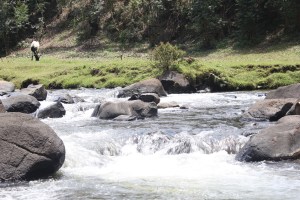
You can hear the river from your room.

You can hear the river from your room.

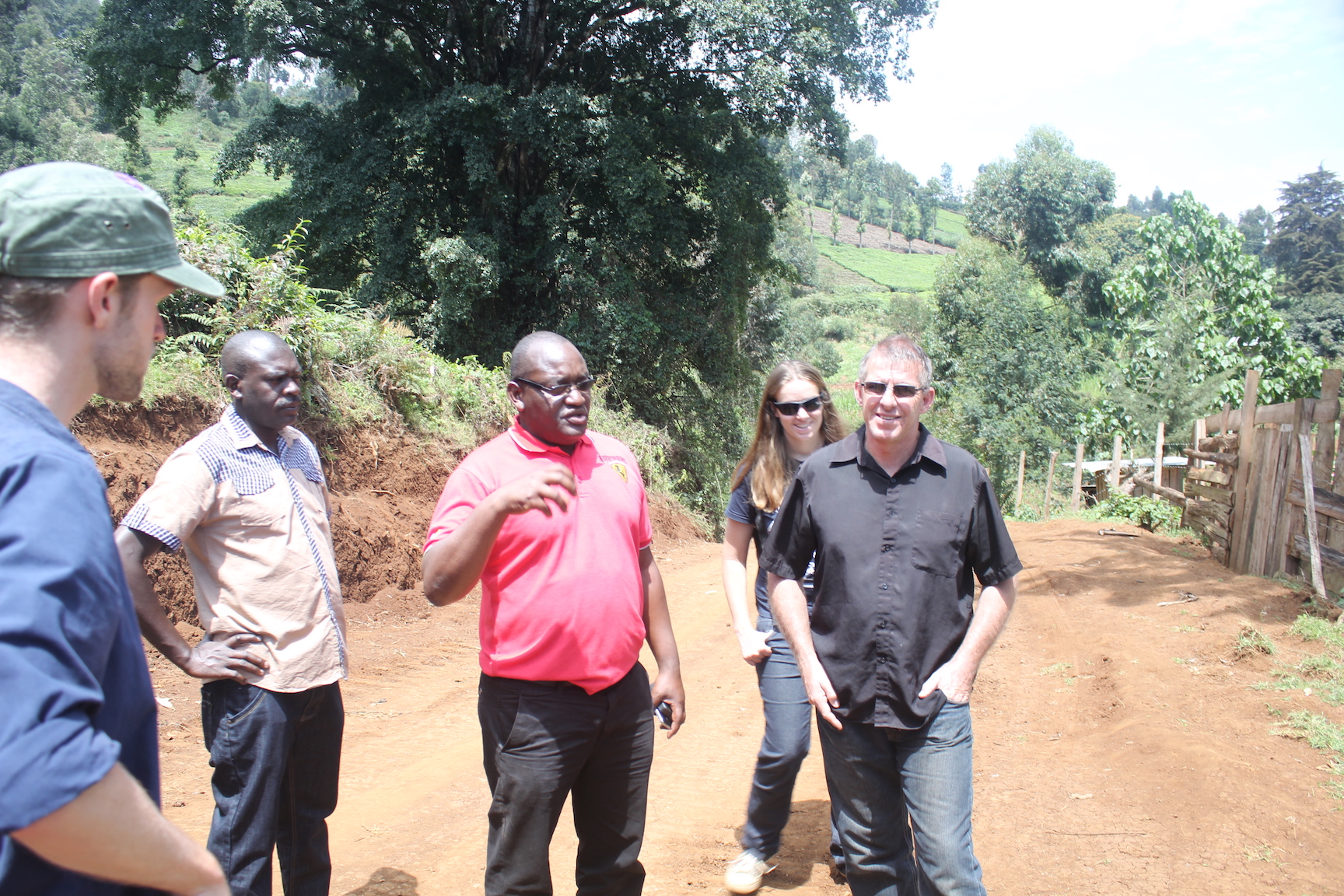
Our host Zack, from the Aberdare Cottages and Fishing Lodge. Invited us up for the night so we could spend as much time as possible talking with his team. We’ve never stayed at a lodge before because it’s way out of our budget.
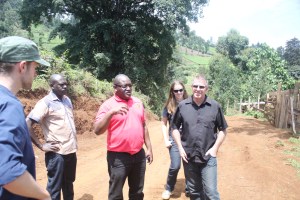
Zack explaining about the region

Zack explaining about the region

We were quite impressed with the road getting there. It’s the last 12 kilometres that is a bit of a challenge. It’s murram road, most of us would call it a dirt road, but it’s actually murram. It’s not horrendous, but you want to take it slowly. There’s quite a bit of building going on up the road so there’s plenty of machinery and people to contend with. Zack had emailed directions, and they were easy to follow – and correct!
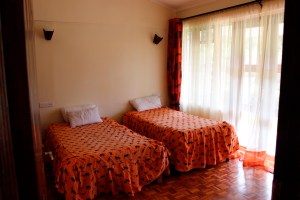
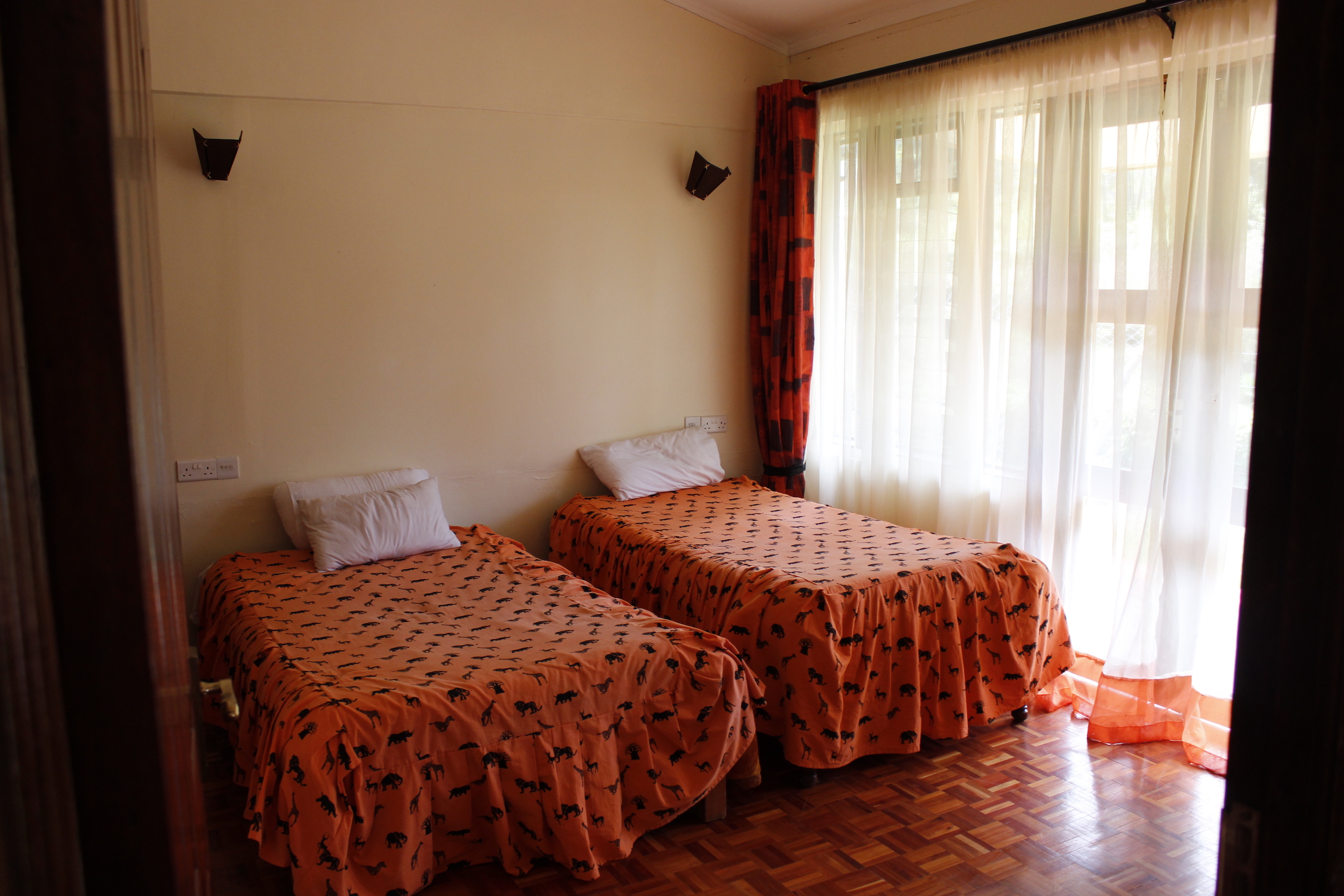
bedroom

One of the bedrooms in the self catered cottages

Zack wasn’t there when we arrived as he was in Nairobi for a meeting. I thought ‘here we go, we’ve just wasted 3 hours driving and he’s not going to turn up’. Moses, the staff member in charge made sure we had cold juice and hot face cloths to refresh while he checked on Zack’s progress. He would turn up later, meantime, Moses took us up to the greenhouse area so Pete could have a preliminary assessment of the situation.

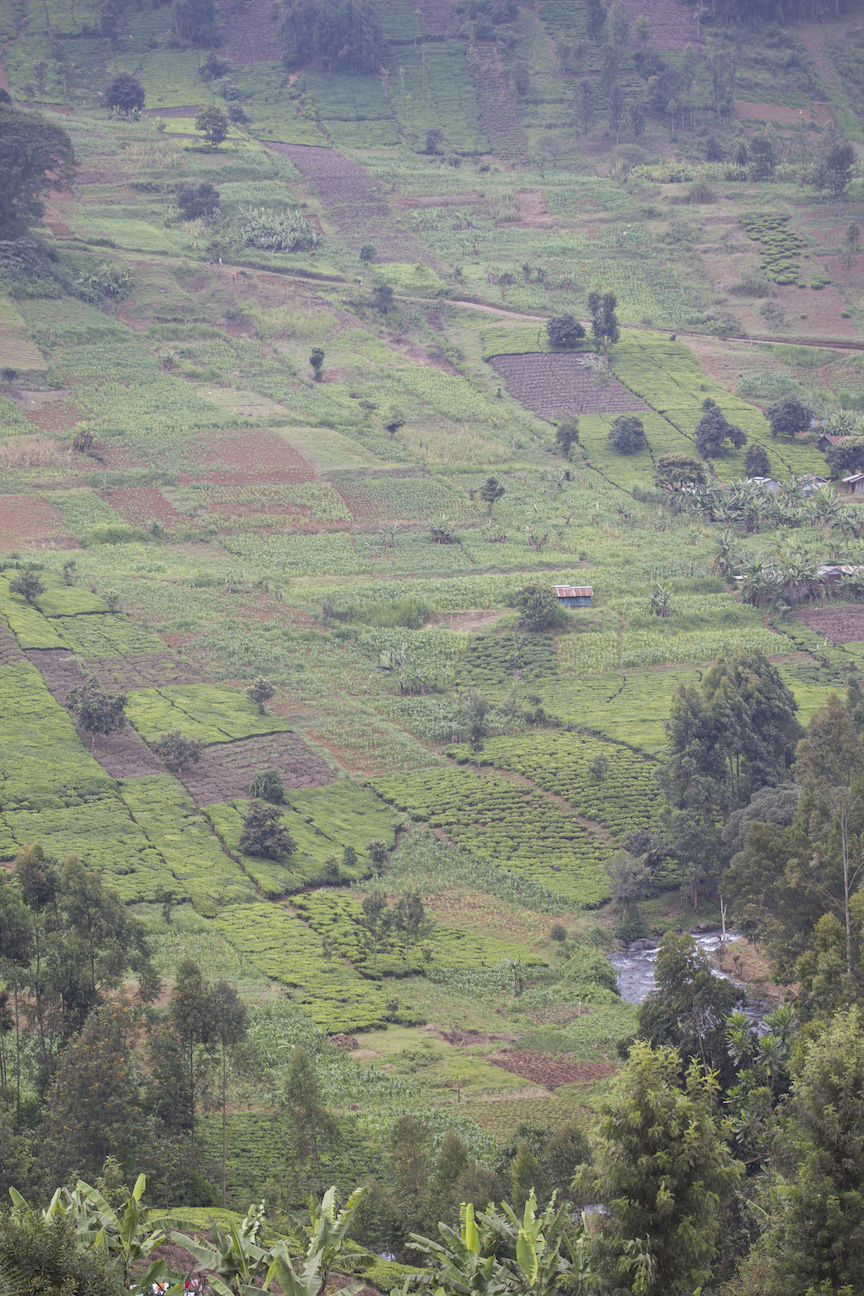
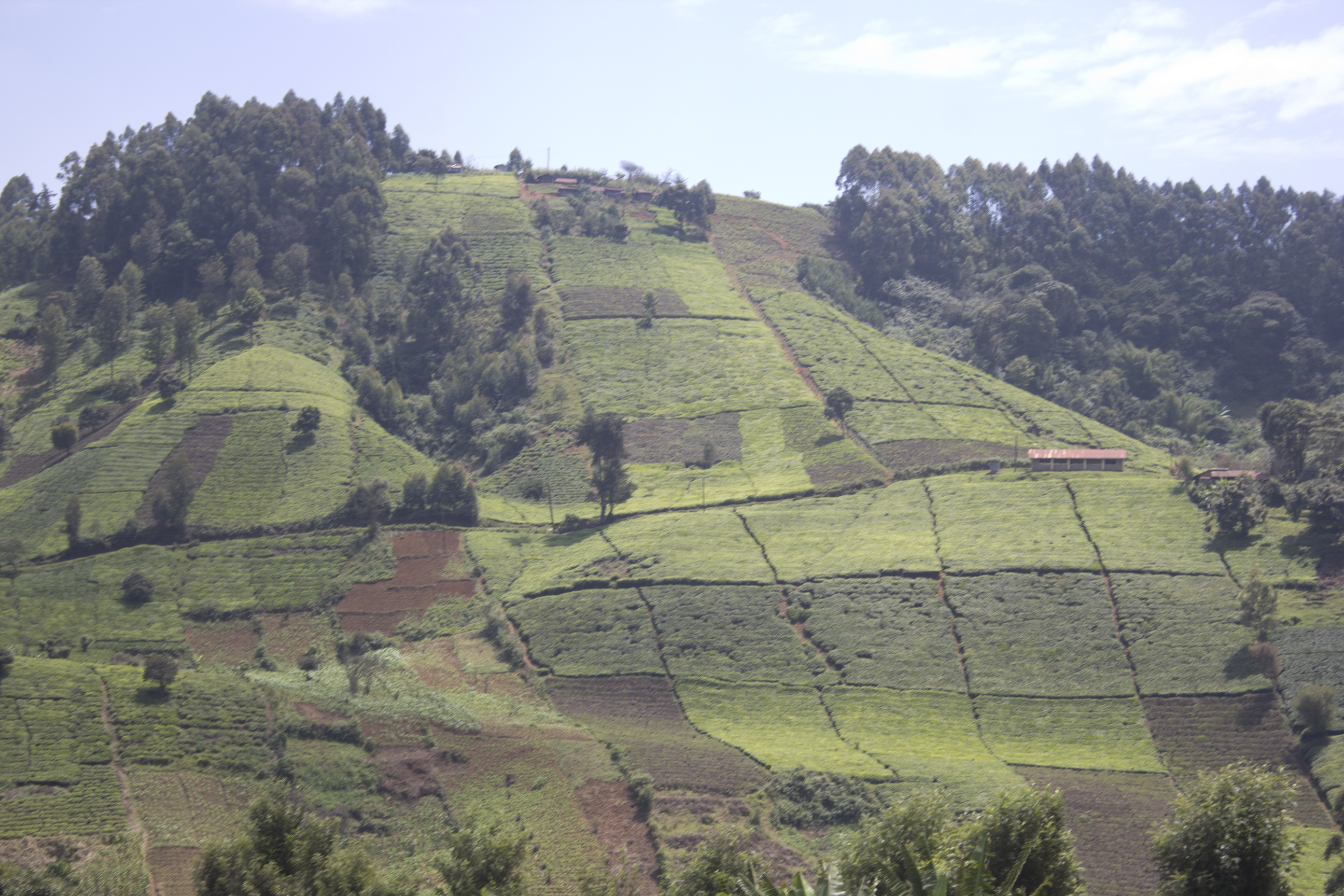
Everything in this area is on a hill. There are very few flat parts, so be prepared to get those legs working. People who live there are amazing how they have terraced out their properties to grow crops.
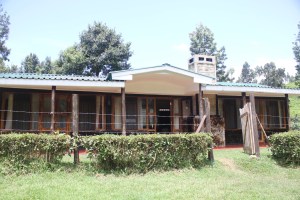
Self catered cottages, right beside the river.

Self catered cottages, right beside the river.

I have to say, the staff have been trained really well at hospitality. Our bags were taken to our room, which was partly a tent backing onto a bathroom. There was a king sized bed as well as a single (for Liz). I couldn’t believe how many blankets were on the bed, I hadn’t seen that for 15 years when we lived in New Zealand. I knew it could get cold at night, but that cold?

While Pete did some homework on the place, Liz and I crashed or an hour before lunch. I was really pleased that the bed was comfortable but I was worried about the road noise we might experience at night as there was the only road in the village outside our room. I didn’t hear one vehicle that night, and I am the world’s lightest sleeper.

Lunch was a small buffet outside under the umbrellas. Apparently there were two other couple staying that weekend but at that stage it was just us.
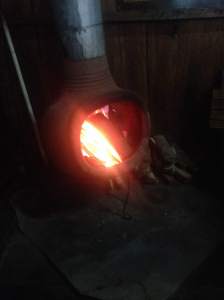
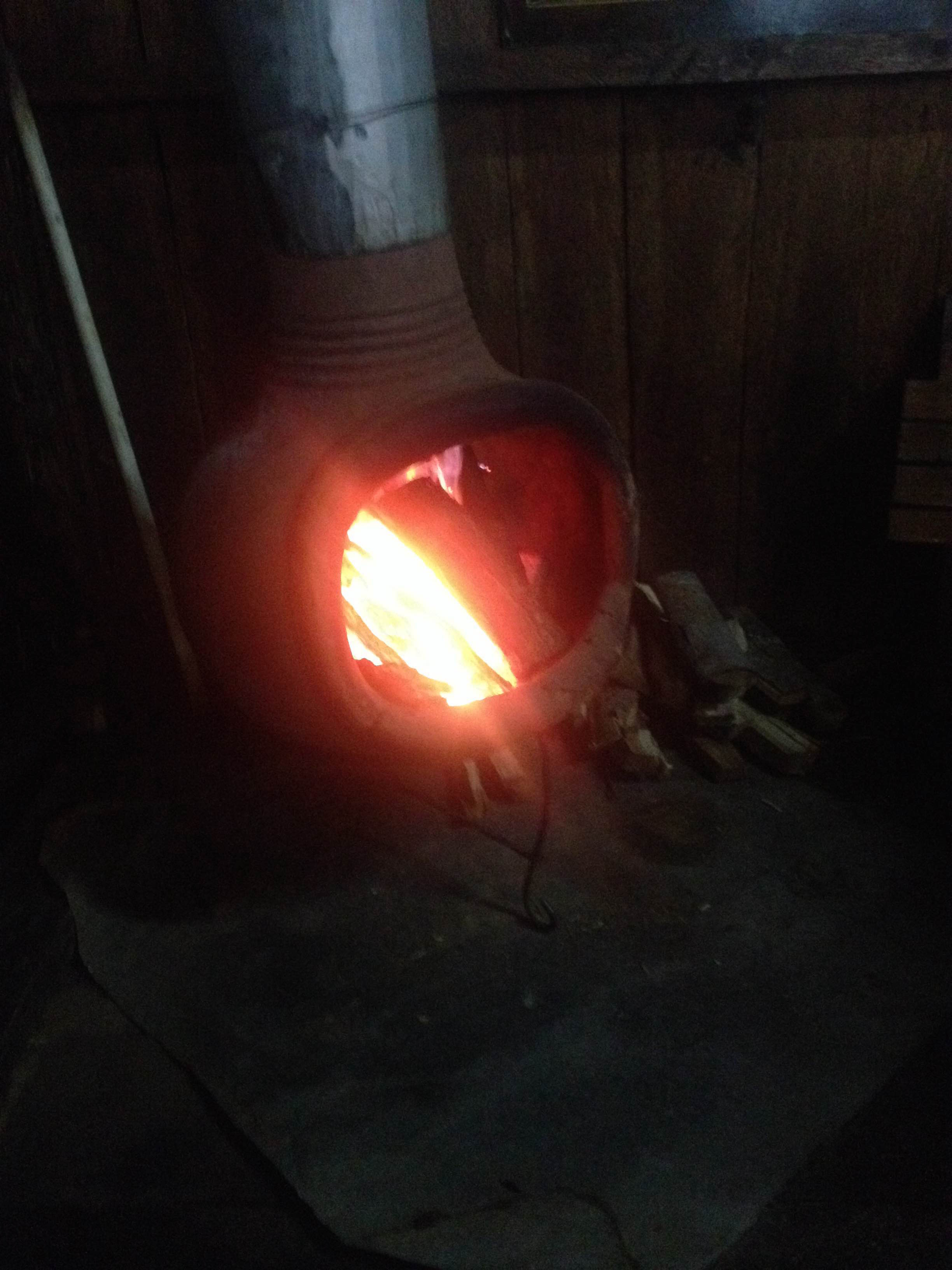
The first time we've had an indoor fire for about 15 years.

The first time we’ve had an indoor fire for about 15 years.

It didn’t take long to get a feel of the place. It’s not where you rush – you’re taking a breather out from the hectic life in Nairobi. You can do as little or as much as you want. The ideal is just to sit there, talk and enjoy your surroundings. The internet is on ‘E’ for enough so don’t expect to be uploading lots of videos. We found out afterwards that there is complimentary wifi but I think it’s a good opportunity to get off the Net and get connected with life again.

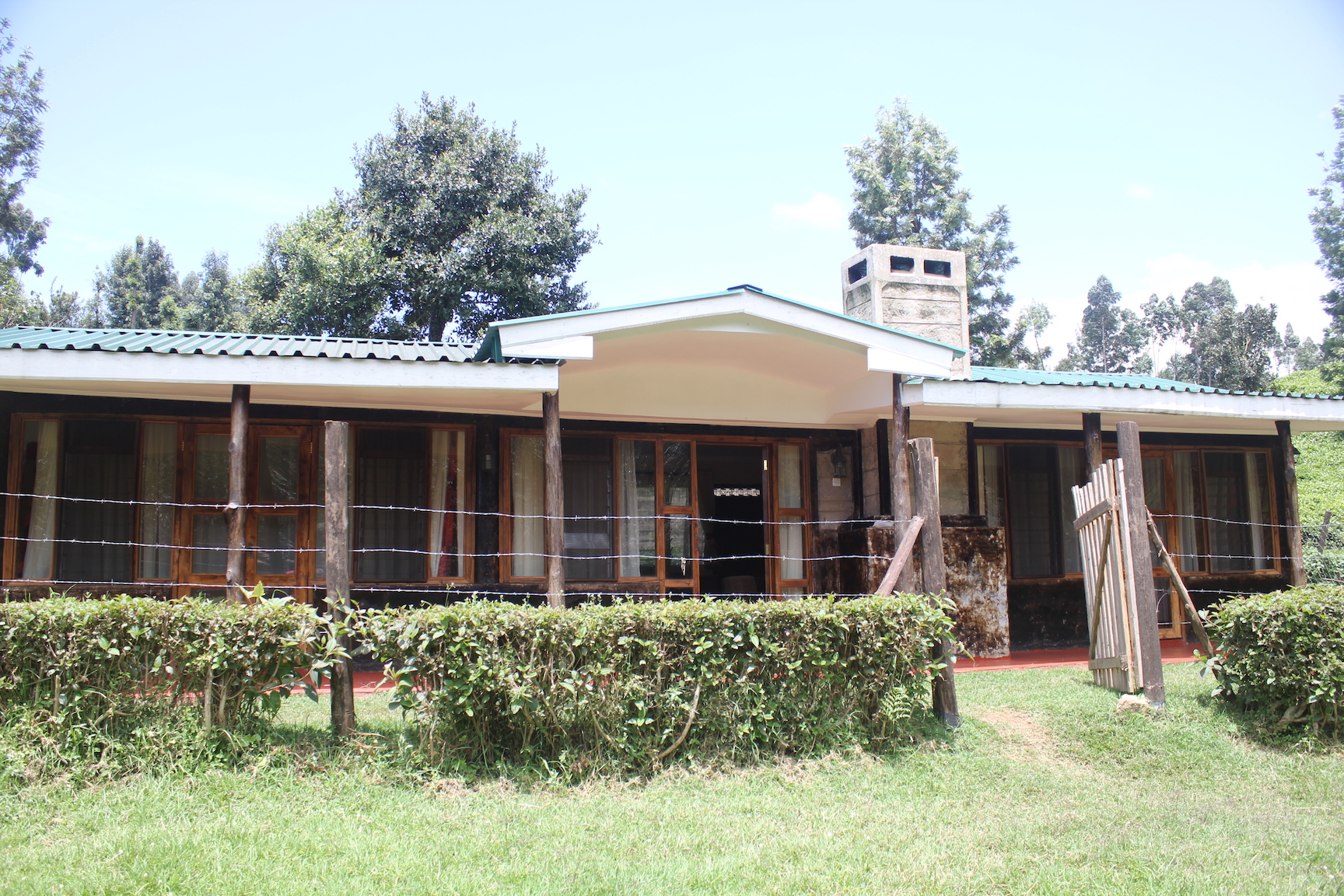
The cottages have a small verandah with chairs and a table to sit out on and relax. There are some cottages that are more like cabins but I quite like the idea of being in a tent – and in comfort. There’s no shortage of electricity and rooms have a couple of power points. I was really pleased to see there were hot water showers. I wish I’d taken my hair dryer but I didn’t know what we were walking into.

You certainly don’t come away from a lodge hungry. There was afternoon tea in one of the many community rooms on the property. There we got to meet the other couples and a nice verandah overlooking the valley. Zack had returned from Nairobi and the first thing he did was to greet all of his guests. To him, the lodge is an extension of himself. The property has been in his family for a number of generations. The rustic look comes from the trees that his grandfather planted. This is the only lodge in the area. There you can bring your own tent, use a cabin or just down the road they’ve built some self-serviced rooms right next to the river.
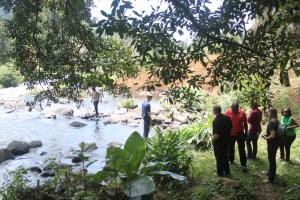
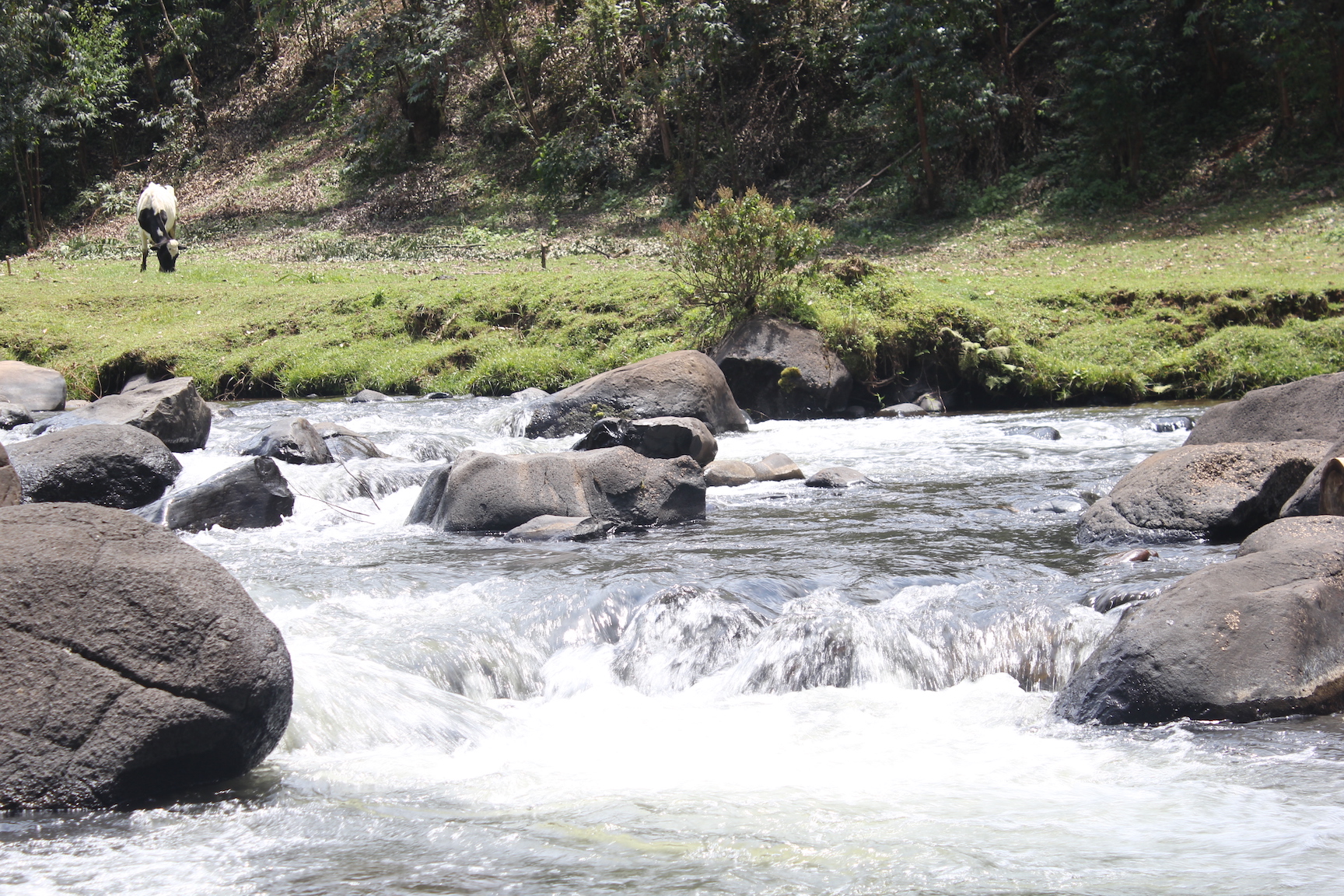
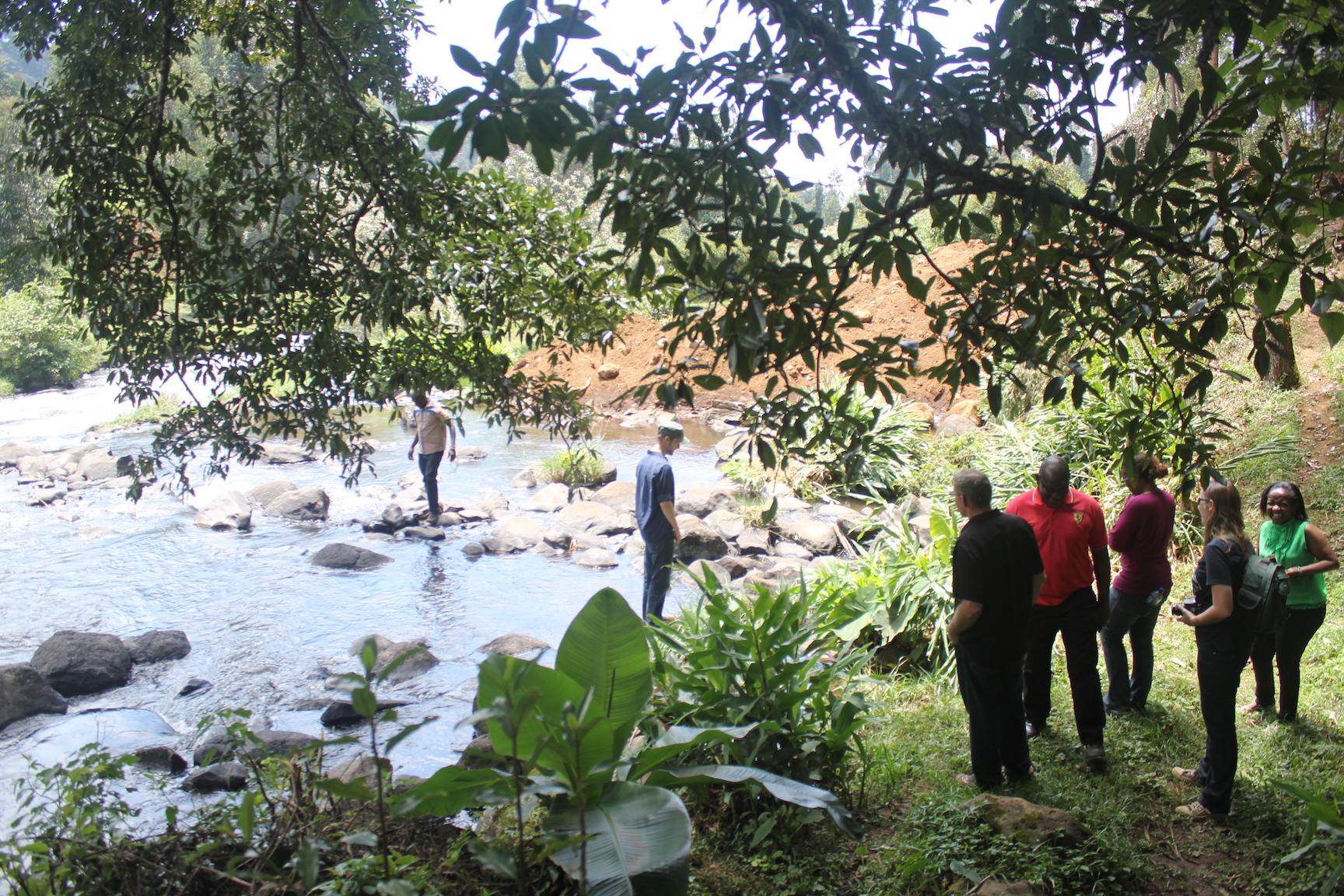
Looking at the river. The water was cold.

Looking at the river. The water was cold.

What I did like about Zack is that he’s a visionary. He wants to be able to use his property to teach the local community about different ways of farming, crops, business and education. He hires trained staff and gets them to work alongside locals to train.

I wouldn’t want the place to be packed out. With 11 cottages, when it’s full there would be at least 22 people. When we were there it was very intimate and peaceful. That’s the beauty of the place. It’s not an institution, it’s an invitation to tranquility.

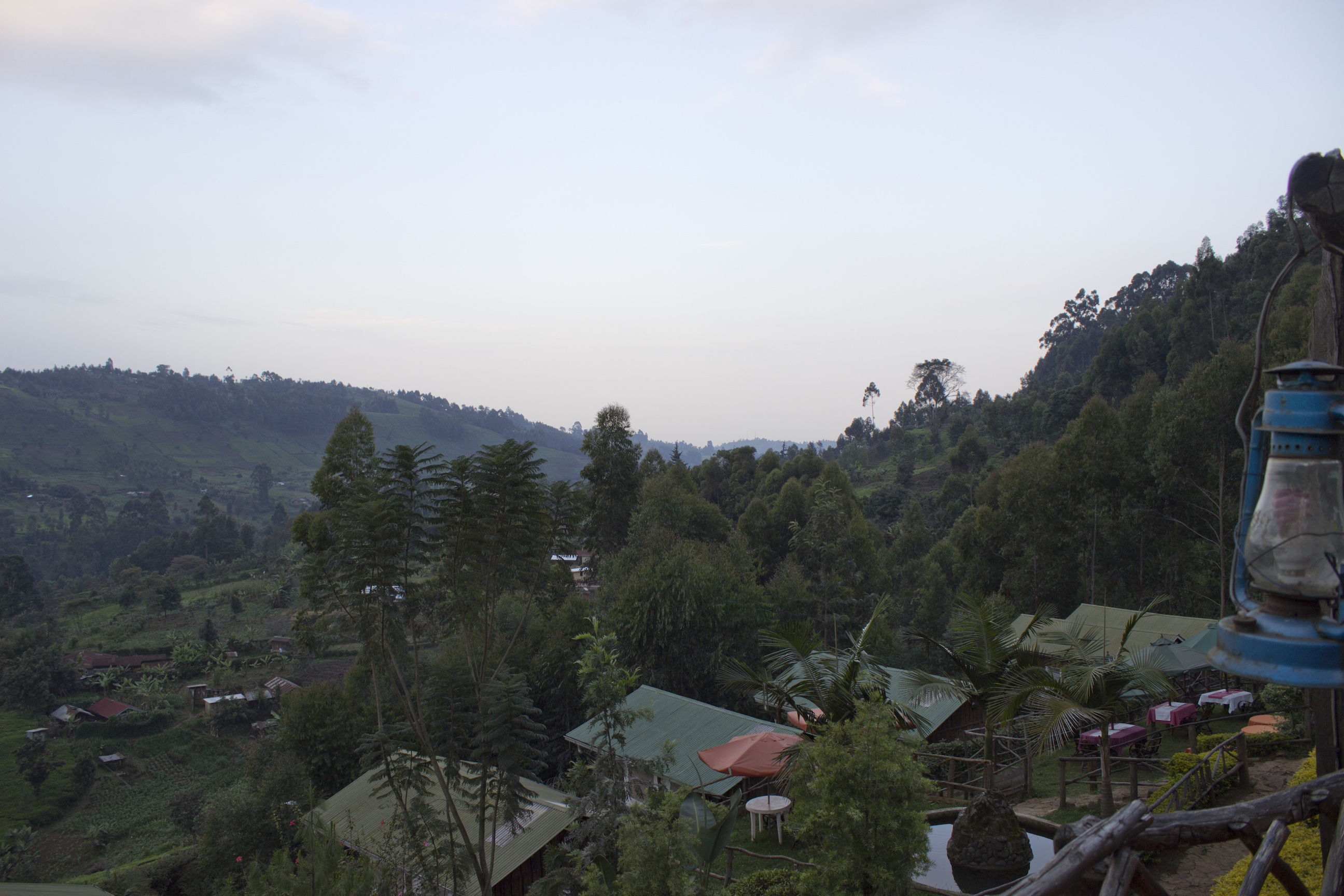
Looking from the verandah where we had breakfast.

Looking from the verandah where we had breakfast.

That night the fires were lit, but it wasn’t as cold as I thought it would be. Who turns down a good fire while eating dinner? The meals were pretty good. Not over the top flash, but a buffet style, so you could eat as much as you wanted. I’m a coeliac and I was at peace knowing there was food from the garden I could eat. I don’t know if they serve alcoholic drinks because none of us there were into it, but the drinks came out cold and ice was on offer. Pete was happy as he could get a real coffee there.

When we returned to our cottage at night I was shocked (in a good way) that there were hot water bottles in our beds. I was a bit concerned because I had left our laptops and wallets on the bed. Of course, I checked the wallets and found all of the money there. Whew, that doesn’t happen everywhere.

The hills are alive with the view of tea

The hills are alive with the view of tea

In Nairobi I am attacked by mosquitoes at night – constantly. We have to use plug in mossie repellent things to keep them away. Due to the height of where we were staying, I could even walk outside at night and not get eaten. I really thought the 5 layers of blankets would be too hot – but it wasn’t. Liz said she was a bit warm but I’m a hot bod and it didn’t worry me. I did have to throw out the hot water bottle during the night – Pete kept his.

Breakfast was held outside on the verandah. I always take gluten free cereal with me because most restaurants can’t cater for my needs. I needn’t have worried. There was a full cooked breakfast available as well as cereals, juice, hot drinks, toast and fruit. Again, it was a chance just to relax. We were there at 9am, and the first to turn up. Again, don’t come here and be in a hurry.
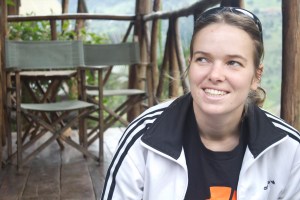
Liz on the steps of our cottage

Liz on the steps of our cottage

Afterwards Zack invited us all for a guided hike. Too bad I was wearing black jeans, a black tee shirt, no sunscreen nor a hat. It had really warmed up and of course, I took no water. Fool! Zack gave us the history on the place and all he knew about tea. He showed us the self contained rooms which are literally metres away from the river.

Back for lunch (yes, we ate our way through the weekend) it was then time to head home.

My likes:

  • The staff went out of their way to make us comfortable
  • The quiet, relaxed atmosphere
  • Lots or little activities that could be done
  • Comfy beds

My dislikes:

  • We didn’t get to stay longer

We can’t wait to get back in a few months. Maybe you should take time out and spend a weekend at the Aberdares Cottages and Fishing Lodge. You won’t regret it.
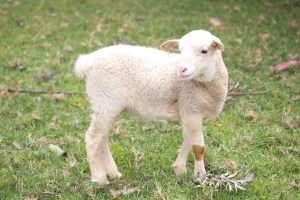
You don't see a lot of wildlife here.

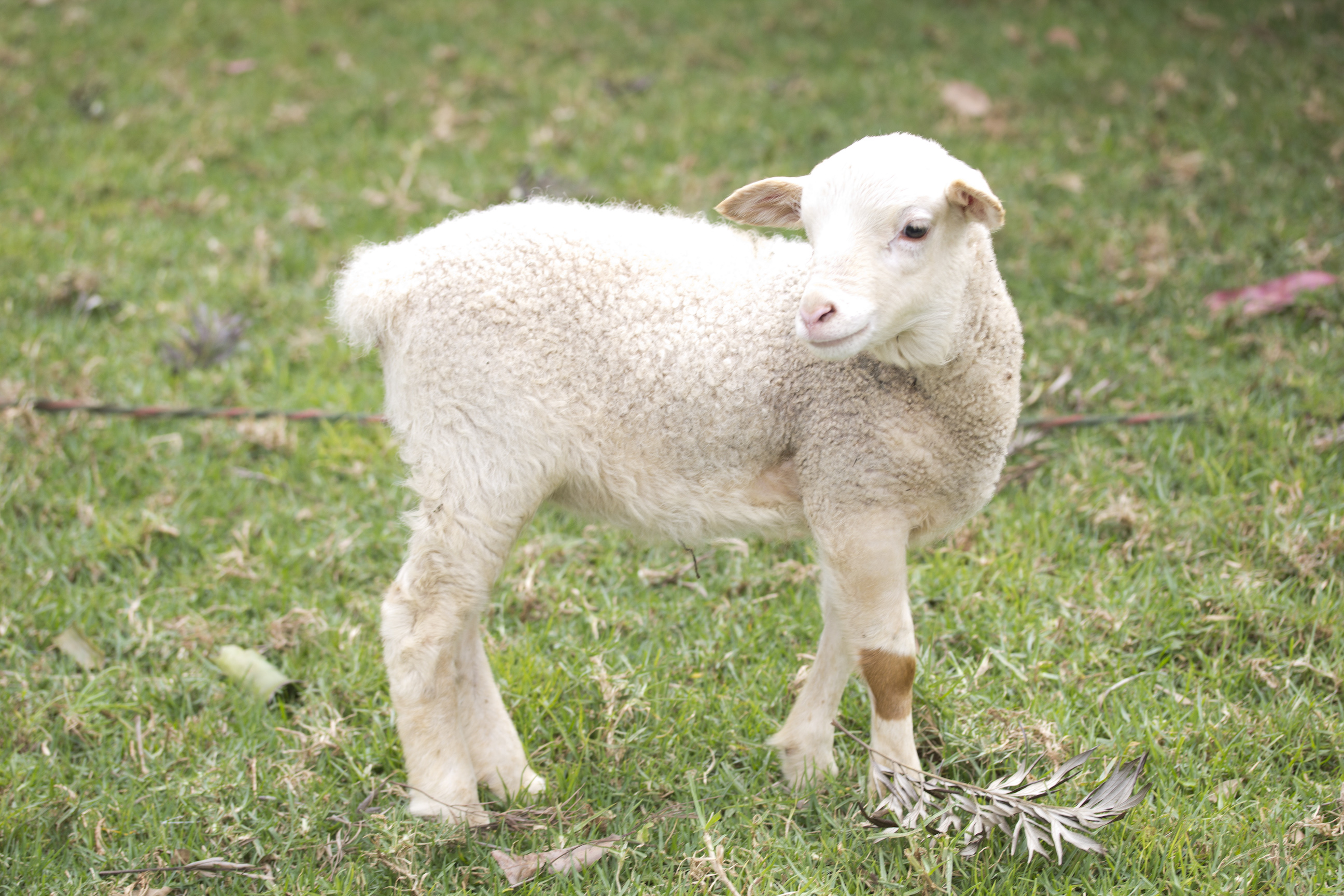
Wildlife includes lambs, eagles and rainbow trout.

Check them out HERE
5 Reasons why you SHOULD visit Africa

I often see these posts on Facebook of which country ranks as the best to visit and why, even in Kenya. Many of them are fabricated and one-sided, so I thought I’d give a more realistic list of reasons you should give it a go:

No Regrets

The reason we decided to relocate here was because we didn’t want to get to 70 years of age and go “If only”. We all have some regrets throughout our lives so why add more to it.

kids with raq 1

Bigger World View

The world is not all white, middle-class and English speaking. When our girls finished high school we all went off to East Africa for 2 months. We caught public transport, stayed at $2 backpackers, ate what the locals ate and had a blast. It helped them to see that the world is an adventure playground and there’s some really nice people in it.

hann

Crap Happens Everywhere

I often hear people say ‘don’t go to Africa, it’s too dangerous’. Here’s some news ‘bad stuff happens all over the world, every hour, every minute’. You have no guarantees that if you stay in your home country that you’re going to be safe. I often get people asking me if it’s okay when there’s an Ebola outbreak (wrong side of the continent), a bombing (if we’re alive it’s a good) or a fellow Kiwi or Aussie is injured (did we know them). Remember, bombs go off in Indonesia, London, Middle East and the US. A café was held up by a crazy dude in Sydney and the whole country went on alert. Schools in the US are often reported to have gunmen going through them. It wasn’t that long ago that people were up in arms about 2 Aussies executed in Bali – but people still go there.

AAU3B4500B

There’s Things You’ll Only Experience Here

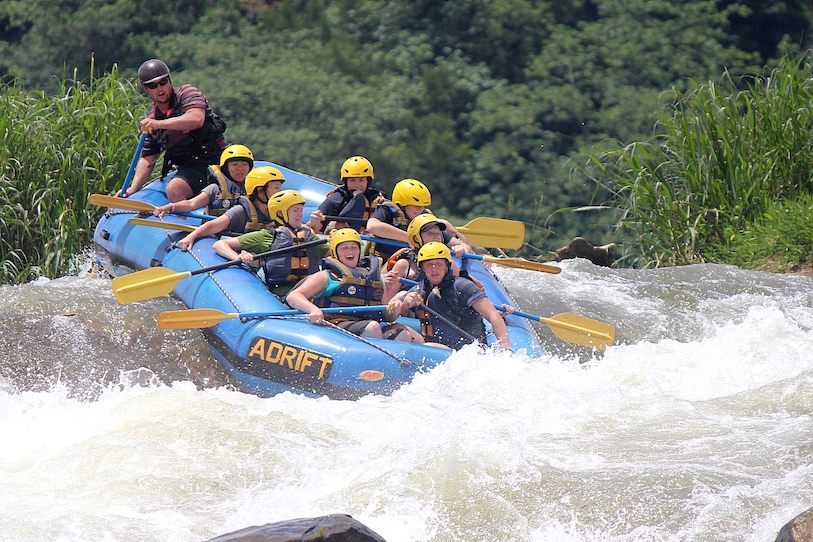
We live about 30 minutes from the Nairobi National Park where there is pretty much every wild animal except elephants (need a bigger place than that). We drove around for 8 hours last week and saw some exceptional groups of animals. Kenya has 25 national parks, 14 national reserves and 7 marine parks. And that’s just in Kenya alone. Imagine with 53 other countries what your experience could be. There’s also the adventure sports, culture and unique food to this part of the world. Not many can say they went white water rafting on the Nile.

IMG_6180

Travel On The Ground Is Cheap

Getting here would probably be the most expensive part of your trip. Once you’re here though, local travel, food and entertainment is pretty cheap compared to other places in the world. I can catch a bus to Uganda from Kenya for around $25, a private shuttle to Tanzania for around the same. You can get beef stew and rice for $2.50. Of course, there’s the other end of the spectrum where you can pay through the nose for services and entertainment, it all depends on your budget.

elephant crossing

Sure, I could go on about the wonderful friendships you’ll make, the unique encounters you’ve had or the different cultural practices you’ve discovered but it’s much more than that. It’s something you can’t explain in proper words to your friends when you return home. There are wonderful memories and experiences that only people who’ve been to this part of the world will understand.

The question is – what is really stopping you from visiting?

smiles

Our Partners Are Important

It’s coming up to 3 years of us living in Nairobi, Kenya. It’s been an interesting time, never dull or boring that’s for sure.

This time last week I was in Dubai escorting a teenager on their way to Australia. I remember thinking ‘Maybe it’s time to go home because it’s so convenient’. There’s hot water out of the tap, the electricity works all of the time, it’s clean and you can even walk about at night on the street. Although it was all a false world, it was pretty good for 2 days.

Me with Sam on his very first flight of his life.

Me with Sam on his very first flight of his life.

The truth is, life here is not always easy and you’ve got to have big shoulders to handle some of the challenges. Security is always an issue – gangs, terrorists, pickpockets. You’ve got to consider more than 40 tribes in the country, all with their own way of doing things. There’s the learning of Swahili, trying to cope with the traffic and not being able to buy all of the things you need very easily.

This is the cost that those who work in developing countries pay. However there are many benefits to it as well.

You meet amazing people who are similar but different to you. You get to see sights and in our case, wildlife that is particular to this part of the world. You get to experience a type of life that others only ever dream of.

elephant faceon

We try and see what we do as a privilege.

That privilege is only possible because of the partners we have. There’s 75 year old George who is nearly blind and is on the pension, who gives us $30 a month from his small income. There’s also a couple who give from the rent on their property. Someone gives us $5 a month as they are a single parent. It’s always very humbling.

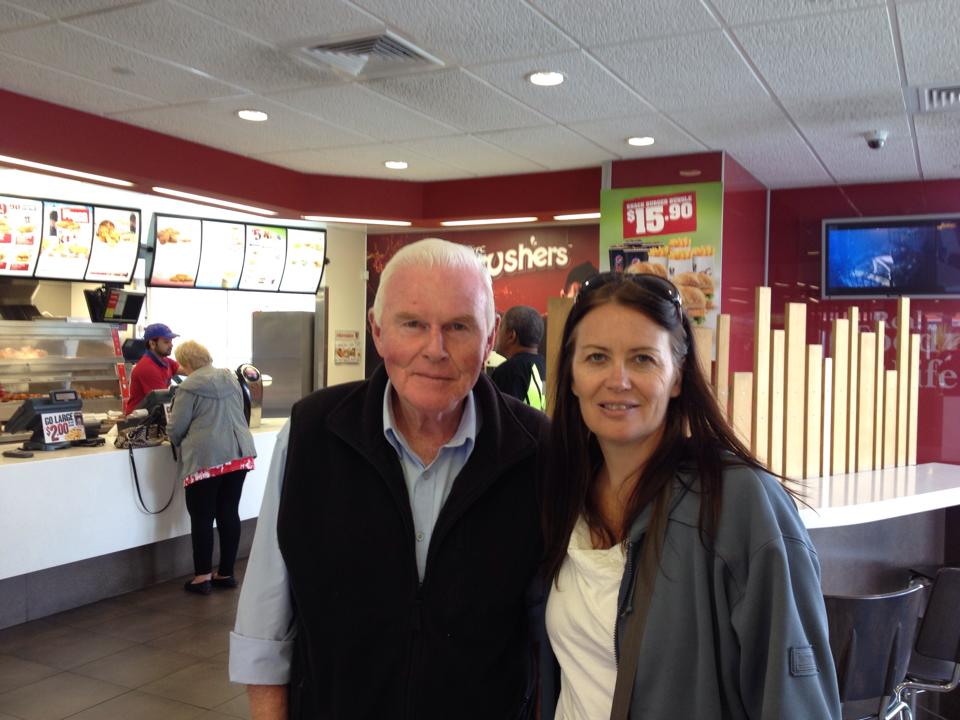
March 2014 with George who always takes us to KFC when we visit.

March 2014 with George who always takes us to KFC when we visit.

Without partners we can’t be here. Without people’s sacrifice, we’re stuffed.

Some of our partners give just once or twice. HD Projects is one such partner.

hdprojects1

Pete worked for HD Projects in Sydney for around 7 years, starting out as a labourer and eventually as a project manager. If you asked him he would say that it was the best companies he’s ever worked for. He has a lot of respect for the owners Richard and Clyde. The only reason he left was because he was tired and his role was pretty stressful. One thing about Pete is that he is committed to his work and gives it 150% of his effort.

HD Projects are one of our corporate sponsors. This happened way before we even came to Kenya, they just didn’t know it.

HD helped finance into Pete’s ute which he used for travelling all over Sydney for jobs. They then bought is back from us when we left in 2012. This helped provide for moving some household goods over with us.

In 2013 they provided the funds for a vehicle for us to use in our work here in Kenya. You can’t just buy a small hatchback here, you need a 4 wheel drive and a car that you can easily get parts for. In the end we found an X-Trail and are super happy with it.

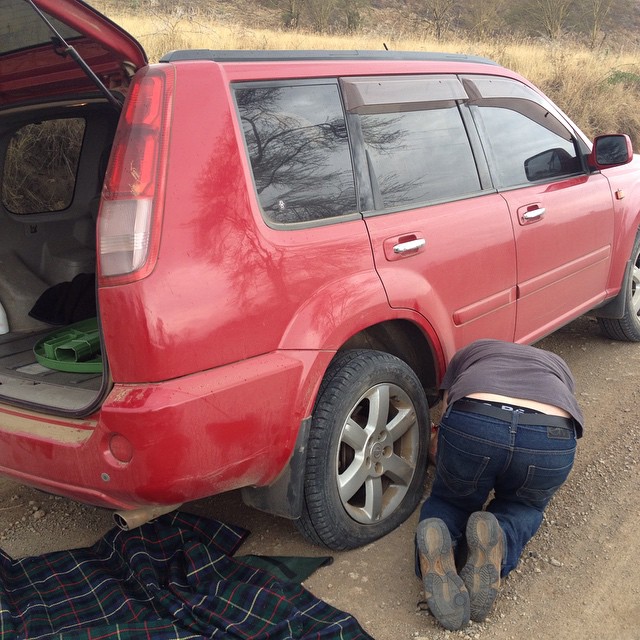
Now in 2015, HD Projects have funded our car costs for a year. It’s such a relief as most things are really expensive here and our budget for living costs is quite small. One tyre is $330 and we needed 4 of them. Pete is absolutely ecstatic that we are much safer on the road and that we can actually have funds to repair his bike and the car.

Pete changing a flat tyre in the middle of an animal wildlife park.

Pete changing a flat tyre in the middle of an animal wildlife park.

Whether it’s a retiree, a business, a church or a total stranger, all of our partners make what we do possible.

Today we want to say asante sana (thank you very much) to those who sacrifice and partner with us. It doesn’t go unnoticed and every day we are aware of the people in the bigger family of the ‘Wild Creanberries’.

Easter in Kenya

A while ago we had decided to go away for the Easter Break. We were so busy leading up to it though, that we hadn’t actually planned anything. In the end, we decided to crash at a friends house in Nakuru, around 2 ½ hours drive away (on a good day).

The day before we were to leave, the tragedy at the Garissa University happened. The loss of so many young people in a horrific act of violence put a damper on the whole country. What should’ve been one of the last long holiday before Christmas turned into a weekend of mourning. Watching it time and time again on TV was too much to bear.

One of the 10 rhinos we saw

One of the 10 rhinos we saw

We escaped to Nakuru at a slow and painful pace. I don’t know what public holidays do, but it brings out all of the idiots on the roads. It took two hours longer than normal to get there but we figured it was better to get there in one piece than not at all.

Janine and her team run Metro World Child here in Kenya. Each week they teach 52,000 children life skills. It was at Janines house that we crashed at. The whole idea was to pitch our tent in their large yard. That went down the toilet when it bucketed down with rain.

wet windscreen In fact it continued to rain for the rest of the weekend.

When it rains in Kenya, it’s not that nice gentle drizzle, it’s a downpour. The next morning we left just after six t go to the national park. The rain had cleared by then and the roads were really wet. We were only on the road for a few minutes when we saw two trucks and a car collide. To us it looked like a fatality.

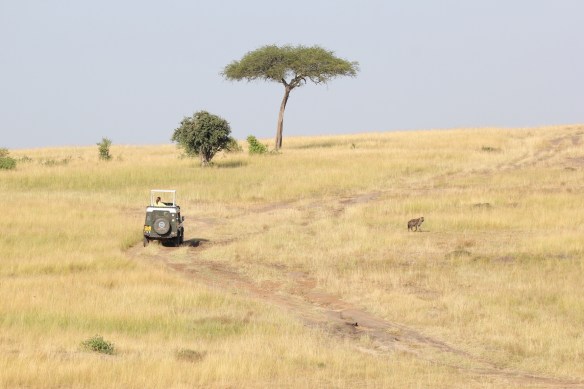
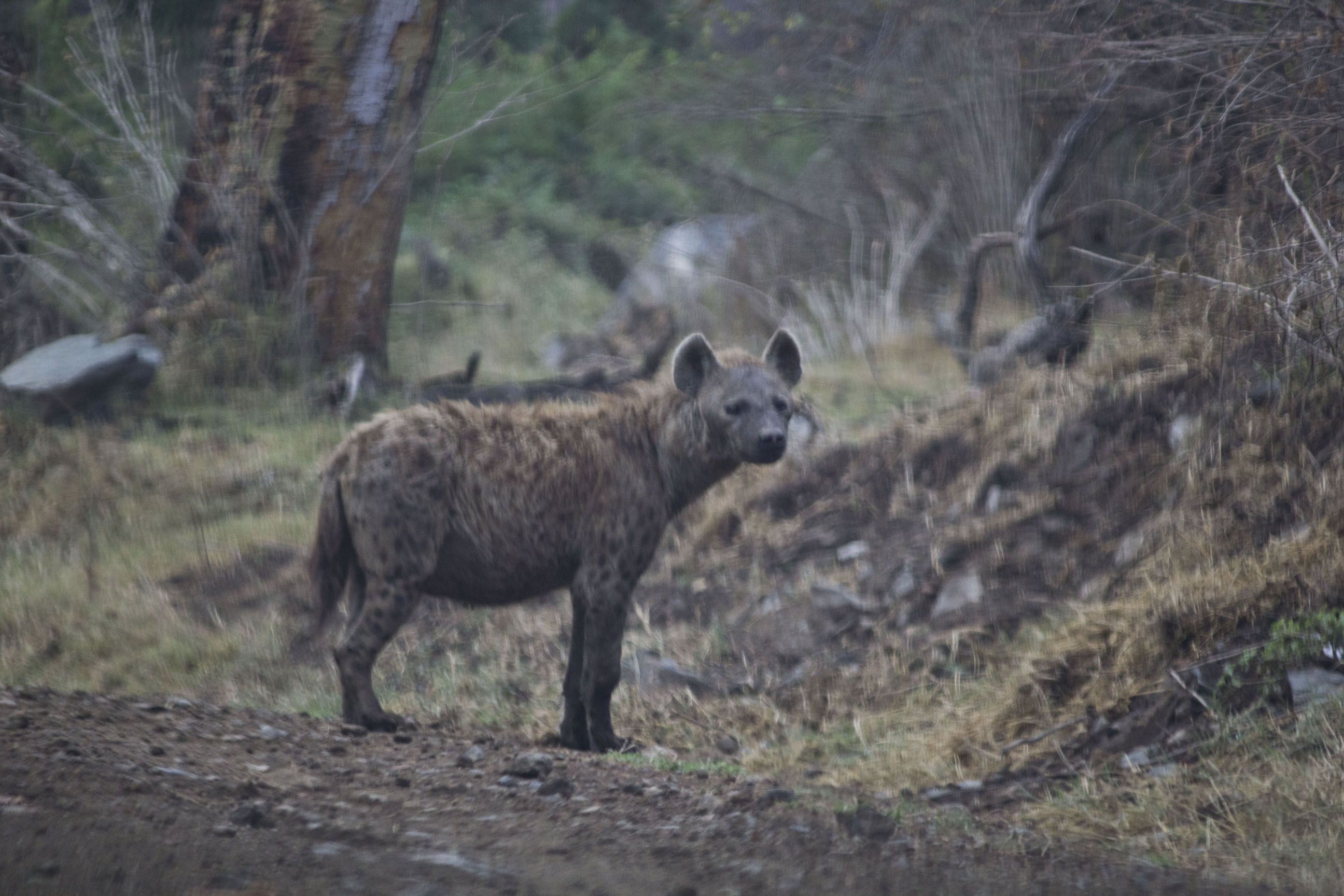
Hyenas are mean looking things

Hyenas are mean looking things

Getting into the park seems to take forever because the systems are so slow. I was really looking forward to getting in because last time we were there we saw so much wildlife.

This time it was quite different.

The grass was the brownest I’ve ever seen. The place where there used to be a beautiful waterfall was dry as a bone. The animals were much harder to find than normal. We drove for 7hours and saw a lot, but they weren’t easy to find. We were stoked because we got to see 10 rhino, the most we’ve ever seen.

The one part of the park that did have water was invaded by zebras

The one part of the park that did have water was invaded by zebras

Once we returned home, Janine, our host had to go to the hospital. Here, you don’t go to a medical clinic, you wait for hours at a hospital. Janine had malaria a couple of weeks ago and just hadn’t recovered well. Pete and Liz took her tone of the many hospitals and they returned 4 long hours later. I had attempted to cook dinner, but the gas ran out after one batch of cooking chicken.

Yep, it was a long night for all.

To the horror of the locals we didn’t go to church on Sunday morning. Instead we headed to Java House for a celebration brunch and ate our way through the morning. I really didn’t think Liz could eat 2 massive pancakes, but she did.

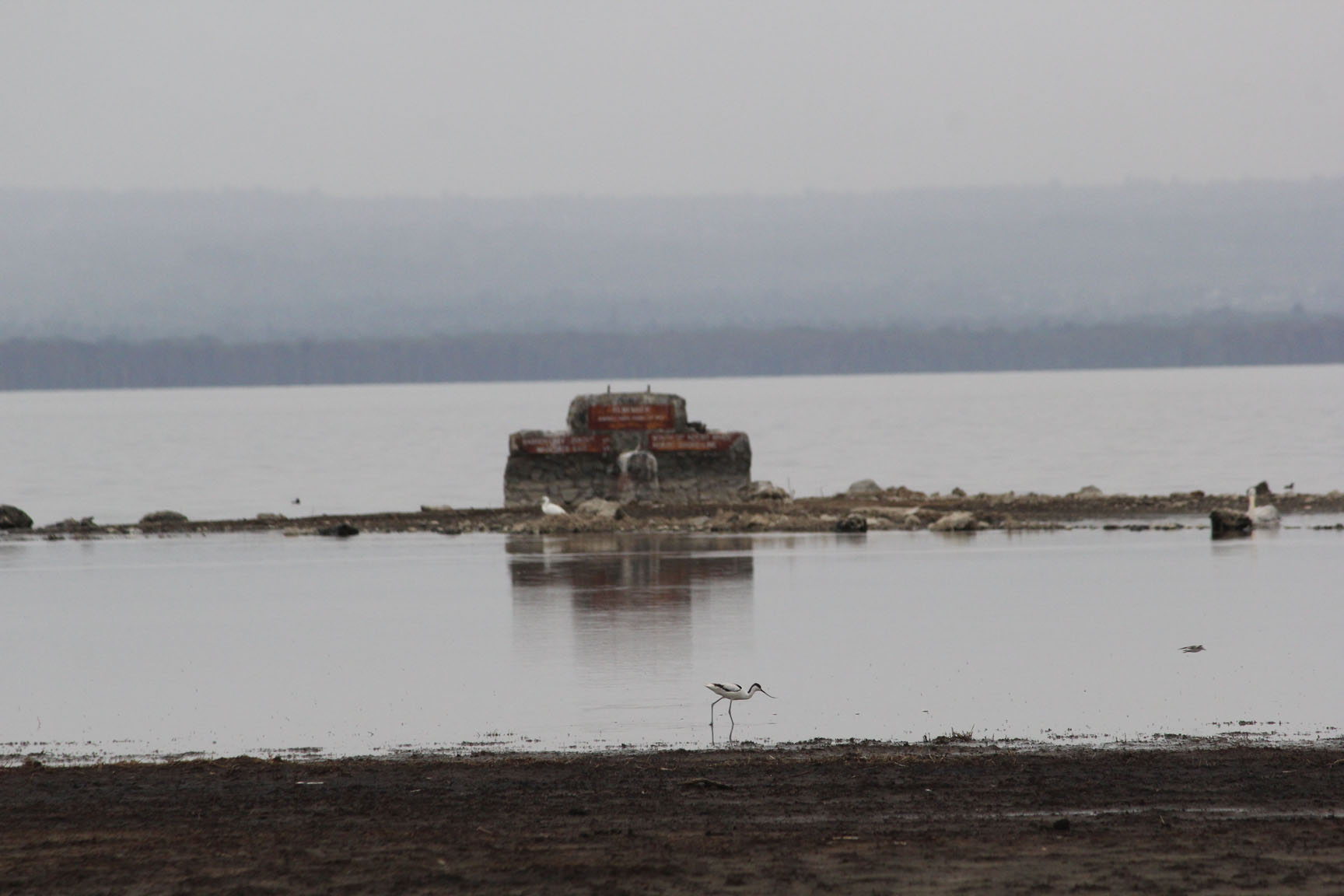
The lake is so flooded that a road sign is now under water

The lake is so flooded that a road sign is now under water

We headed to Thomson Falls, a 90 minute drive away. The scenery was amazing as we headed up some of the steepest hills I’ve seen yet. We were told that the road was good – it wasn’t. Apparently that was a different road.

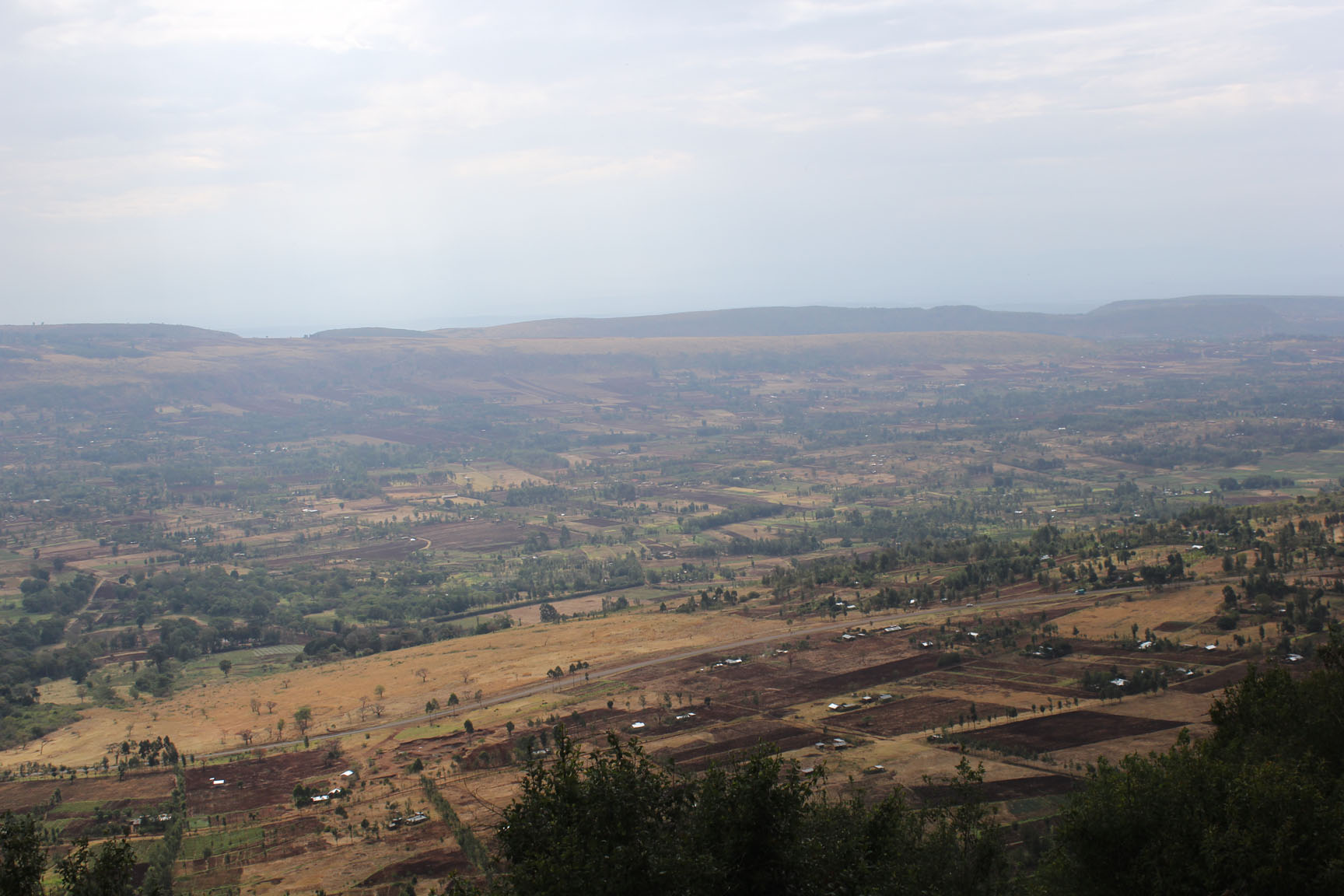
The valley

The valley

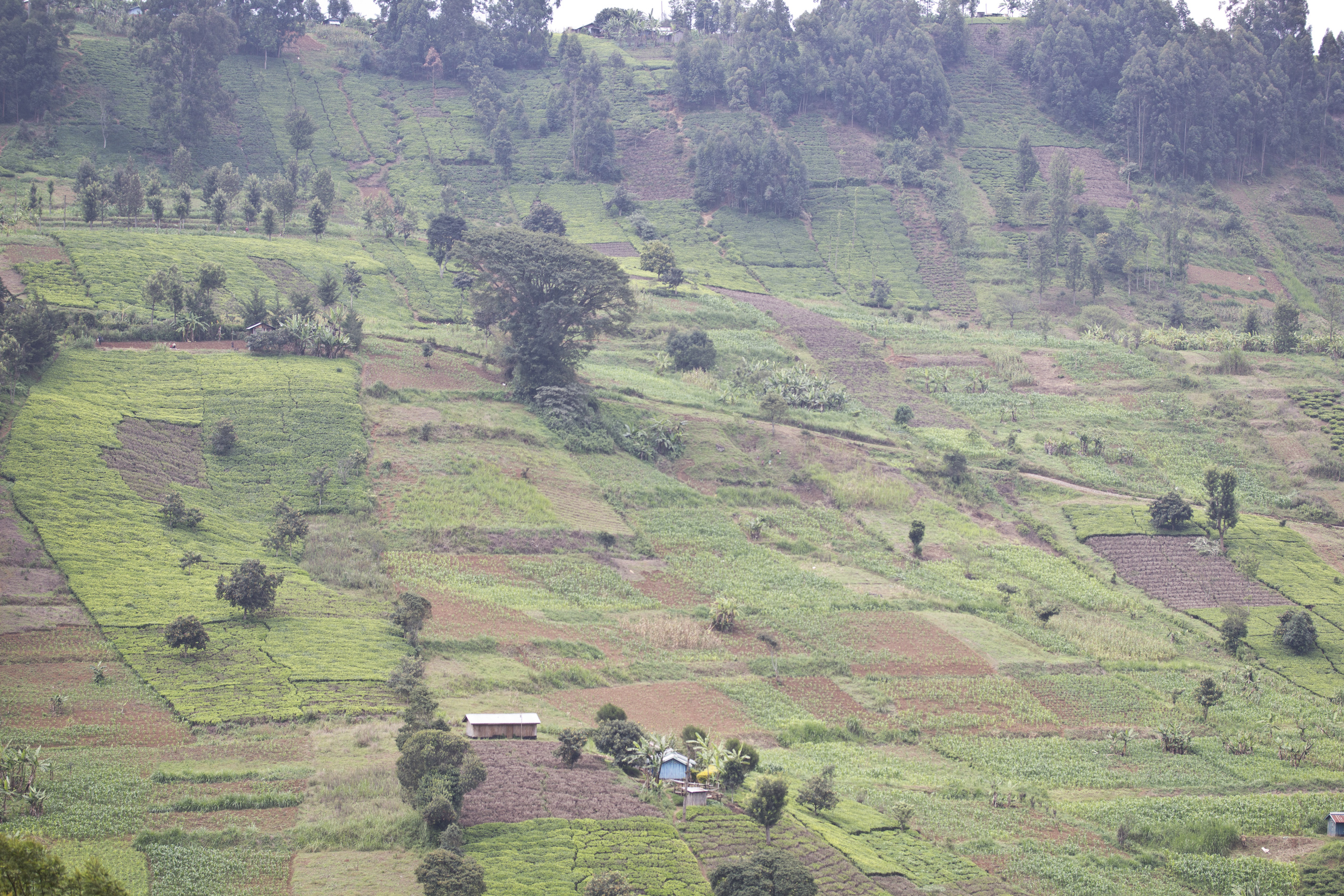
We passed bright green tea bushes and short stumpy coffee plants. We also passed a couple of times a sign that announced we had crossed the Equator. Pete wanted to stop and take a photograph, I said we’d get one on the way back down.

Bad move.

We got to Nyahuru to see Thomsons Falls. Little did we know that we had to pay $2.50 each to go and see it.

Thomsons Falls

Thomsons Falls

The waterfall was quite amazing. Brown but amazing.

It was only a moment before we were accosted by a local to come and have a look at her shop. Esther was her name, and no, we didn’t visit her store.

We could’ve gone down to the bottom of the falls but really we couldn’t be bothered. There were also lots of people there because it was a Sunday afternoon. A festival was going on at the lodge next to the falls where really bad country music was playing.

A track opposite to the falls, note the people looking from the top. They didn't want to pay the $2.50 to see it closer.

A track opposite to the falls, note the people looking from the top. They didn’t want to pay the $2.50 to see it closer.

We stopped in for a coffee before heading back to Nakuru. For some reason the road on this side was much better. The downside was that for the next 90 minutes it poured down so heavily that at times we couldn’t even see where we were going.

Liz at the Equator sign

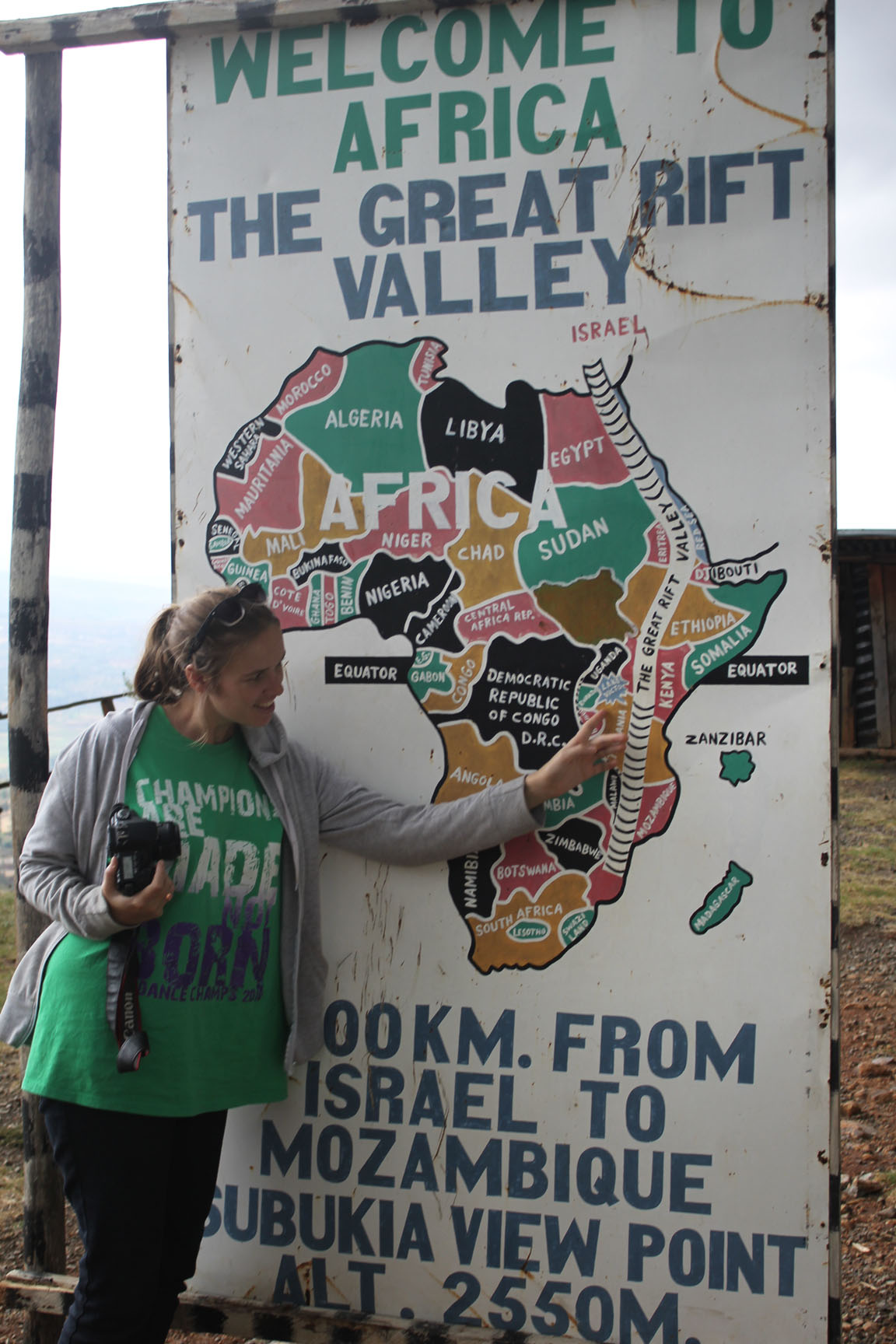
Liz at the sign for the Rift Valley

We did get out of the car for 15 seconds to get a very wet photo by the Equator sign. A guy came up to us and wanted to know if we wanted to see the ‘water trick’. The trick is that you stand on one side of the Equator sign and the water goes down one way. You stand on the other side and the water goes the other way. It was pelting down so much there was no way we were going to stop for it.

At the top of the lookout

At the top of the lookout

The good thing about it raining is that we wouldn’t get picked up by the police, they were all hiding in a house.

Unlike the 7 police checks we passed on our 4 hour trip home the next day!!