I Want To Help The Poor

Last week we had a friend from Australia come and visit for a few days before she moved on to look at other projects in Kenya.

She said something on the first day that I’ve heard many a time over the years “We’d better get busy, I’m here to help the poor.”

While I knew what she meant, it got me thinking about how we think about what we think helping others actually is.

In the West we have the mentality to put a band aid on something and walk away. Or, we write a cheque because it’s the easiest way for us to ‘deal with it’.

Not that there’s anything wrong with handing out money but is it really the answer?

Most weeks I get the privilege of going to the Kibera Slum. The reason I say privilege, is because as a white person by myself, it would be unwise and it wouldn’t be safe for me, but with one of our friends, I am fine. It’s not that they don’t like white people, but they’re over white people coming in buses, taking photos and leaving. They’re over white people telling them what to do.

They just want to get on with their lives and make the best of what’s been dealt to them.

I look at the slum of nearly a million people and how much money has been poured into that place over the years and wonder what impact it has made. And yet I see glimmers of hope.


How can we make a real impact on people:

1. Learn about the people you want to help

Do you remember their name or just their need? How can we tell people we care if we don’t know who we’re talking about? Our motto should always be ‘People matter most’. Leave the programs up to those living on the ground long term.

Ask people “What is your dream for your children?” They will be more than willing to tell you. For most it will be that they want their children to go to school and have a better life than what they did.

girlchild2. Learn their story

Everyone has a story but not everyone has a voice. Our job is to give them a platform to be heard.

When I lived in Sydney, Australia I was studying for my MBA and needed to go into the city to buy a $120 textbook for a subject. I was walking through an area called Martin Place at lunchtime and threw $5 into a bowl by a homeless lady who was sitting on the footpath. I went on my merry way and then this thought came to me ‘what a fat lot of difference that made’. I knew what I had to do. I went and bought my book, dropped into a friends million dollar jewellery store for a chat and went back to Martin Place. In my mind I was kind of hoping the lady was still there and then I didn’t. But when I saw her, I was relieved that she was.

I sat down with her and asked her story. There was a food cart across the street so I asked her if she wanted a Coke and chips, to which her answer was “No, just a bottle of water and a sandwich is fine.” I ended up buying as much as possible and sat back on the ground with her for a few more minutes. As a Jesus follower I asked if I could pray with her, which she allowed. Then I told her I had to go and catch a ferry to Manly. I walked away hoping that I gave her hope.

The gist of it is that I gave her a chance to tell about herself and I just had to listen – that was all.

home3. Link up with people working on the ground

When you come to a place like Africa all you will see are the things that need fixing – the roads, the electricity, the living conditions, the poverty. Plenty of people have walked in with pockets full of cash and gone home penniless. They give out money here and there. People’s stories will pull on your heart strings and you couldn’t imagine YOUR children living in some of these conditions. You’ll be shocked and want to give, give, give.

Can I suggest something. Give to organisations (never individuals) who have a good track record and can prove where the money goes. There is no harm in asking for copies of the receipts. Accountability is a good thing.

This week we gave a person we trust a small amount of money for some clothes for a young man. Even then, I asked if they could take a photo on their phone and to send it to me. It’s not because we don’t trust them, it’s because I want to use it to raise more money for more kids. Because we knew each other, we’d built this relationship, it wasn’t offensive.

Remember – the proof of the pudding is in the eating.

chocolate_pudding_s

4. Don’t make promises

When you see a great need it’s easy to get swept away in emotion, especially if there are young children involved. Too many people have come to Africa and said that when they return home they will do something to help. The truth is, when you get back home you hit the ground running and get caught up in every day life.

If you raise funds, that’s great. If you raise awareness that raises funds, even better.

poverty-in-africa5. Be rather than do

We tend to think that if we get in there and ‘fix it’ we’ve done our job. Sure, we can do it but what have we left the person with? Have we left them with a sense of value, belonging and that they are our equals? Or, do people just see dollar signs when they see us?

Play a game of soccer with the kids, have tea with the mamas, sit with people in their home, show them photos of your kids, be a friend.

basketball-children-africa

We always welcome visitors with open arms, but please, come to learn, then you will get everything out of your trip that is available. If you come to do, do, do, you’ll end up judging, frustrated and wonder what difference you’ve made.

Leave your chequebook at home. Then when you get back, you can give to one project that really touched your heart. Crumbs given out here and there don’t really impact much, but a larger one off donation can be utilised really well.

Big Changes

We’ve been in Kenya for 20 months so I thought it was time that I shared about a few things we have had to change since being here.

1. No Hot Water

Our apartment is three floors up. If we had our water cylinder connected up it would cost us $200 a month on our power bill. Instead we had instant water heaters on our shower heads. So, before you jump in the shower at our place you have to flick a switch by the door. The good thing is that you don’t have to wait for the water to warm up before jumping in.

The downside is that we don’t have any hot water that comes out of the taps. We put on a large pot of water to boil while we’re having dinner and because we have gas it doesn’t take too long to heat up.

This is our showerhead.

This is our showerhead.

When there’s no power in the mornings I only have 2 options – a cold shower, or heat up water in our trusty pot  and have a wash. I’ve done both and guess which one I like better?


2. Electricity

One thing you can guarantee about the power being on, is that it won’t always be on. For 3 weeks out of a month it seems to be pretty good and then for one week it’s off and on. If the electricity goes off I don’t even bother resetting the alarm clock until I go to bed at night. We have a solar lamp sitting on our windowsill so it’s always charged up. The longest we’ve been without electricity is 24 hours. We got so bored that night we went to the mall to do grocery shopping. When we bought a washing machine we especially got one that restarted at the same place when the power came back on.


3. Towels

I was really challenged by one of our colleagues about how we used new towels every second day. She said ‘Why, you come out of the shower clean, I wash mine every 2 weeks?’ It got me thinking as to why we do what we do. While we have lots of towels, my friend has ever only had one. Of course, when I heard this I was shocked and even though she never asked for it, I blessed her with some more. She had never had a new towel in her life before. So, just to shock you, we use the same towels for a week before they go into the wash.


4. The Car

Carjacking’s happen here often. So, every time I get in the car the first thing I’ve got into the habit of, is locking the car doors. Even when we go through smaller towns where traffic moves slowly and there are plenty of people around the car, the doors are locked. I often have my phone hiding under my thigh so if I’m ever carjacked they can take my money and my car but I at least have a way of contacting someone. The number one rule though is never run out of petrol.

Car jackers usually work in groups, at peak traffic times when there are jams and here they use guns over bats.

Car jackers usually work in groups, at peak traffic times when there are jams and here they use guns over bats.

5. Don’t Shop Just At The Supermarket

We have a good number of supermarkets here – Nakumatt, Uchumi, Chandarana and lots of shopping malls. There’s also smaller shopping centres dotted around the place. To get any gluten free food I need to go to a shop called HealthyU. Stuff there is awfully expensive but what choice do I have for such things as flour and cereals that I can actually eat and not get sick.

The best place to buy fruit and veges is at roadside markets or out of Nairobi. Generally people think that everything in Africa is cheap – I wish! We travel an hour each Thursday to a place called Kiserian where we spend the day on a training farm. Bananas are half the price there. Overall fruit and veges are cheaper here than back in Aussie but besides that groceries are way more expensive.

duka

Dukas are handy little shops all over the place.

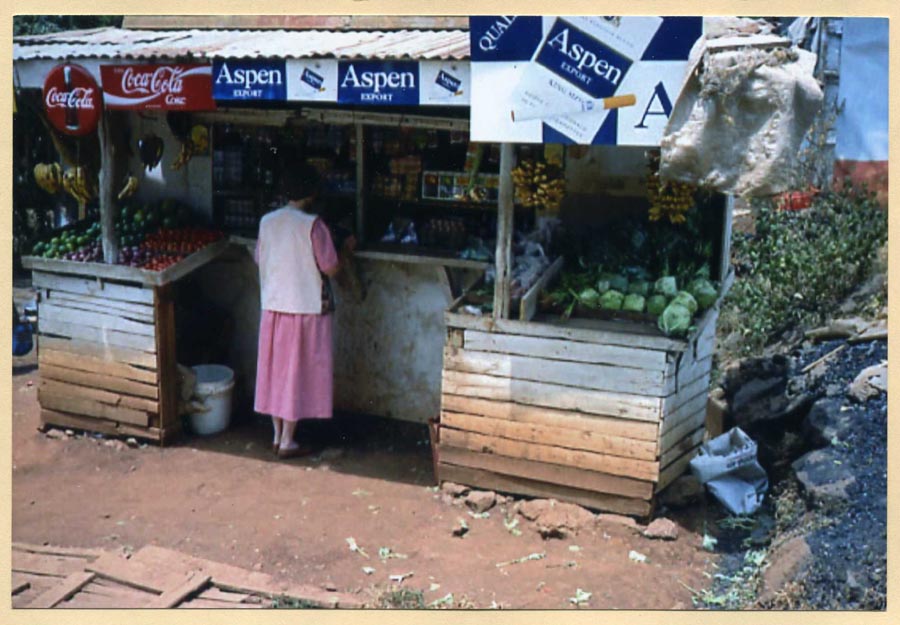
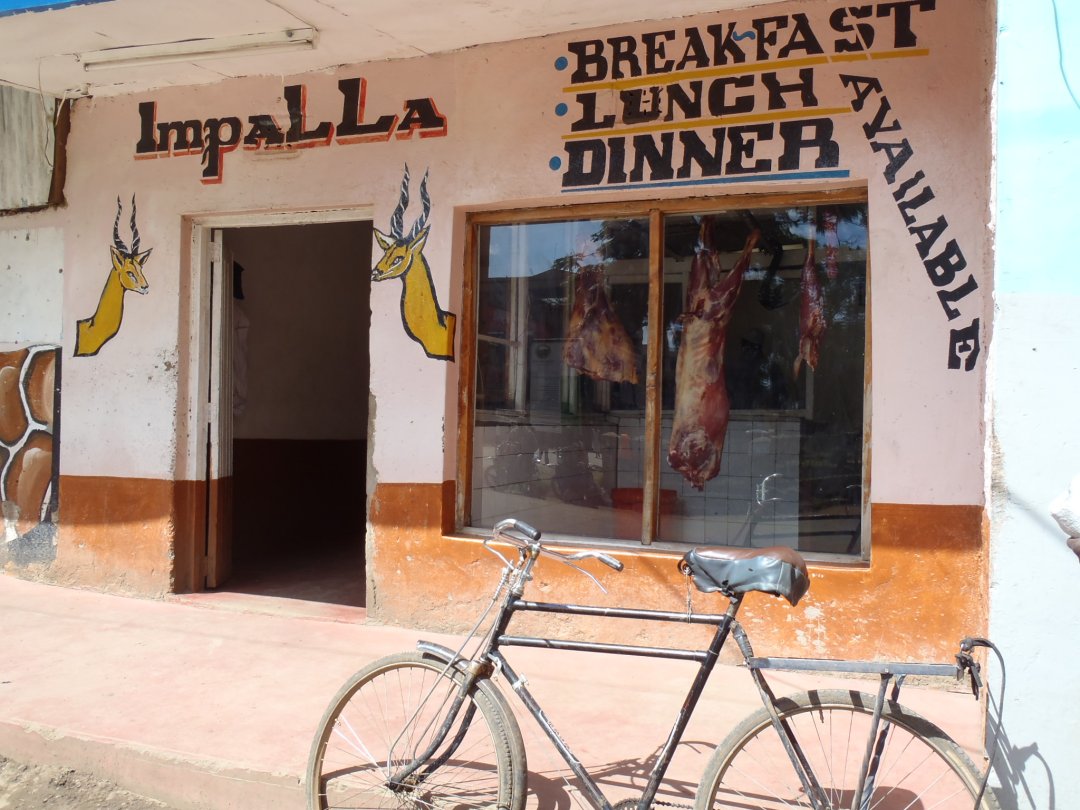
If we need credit for our phone or we’ve run out of something we don’t need to travel up to the supermarket, instead we have around 3 little dukas (shops/stalls) around our place. Be in avocadoes, dishwashing liquid or a bottle of Coke, they have it all. I only meat I get at the supermarket is chicken and mince, anything else is a plain ripoff. Instead we go to independent butchers. Mind you, we found this one around the corner from our house and it stinks to high heaven – never a good sign.

meat

I’ve never bought meat from a place like this.

When stuck in a traffic jam you can buy bags of fruit from the vendors who walk amongst the cars. They also have newspapers, kites, earplugs, maps and toys available.

We haven’t bought any of our furniture at the shopping mall or any furniture stores – it is just way too expensive. Instead we got things made by fundis (tradesmen) who make furniture at the side of the road. If we ever had to leave the country we would definitely get stuff taken back that was made here.


6. Flowers

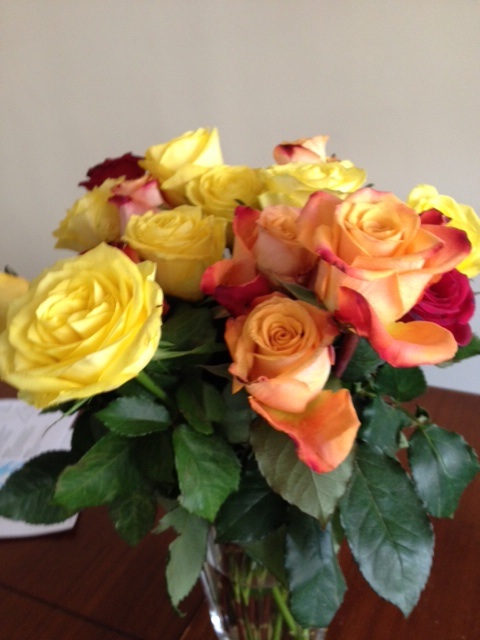
Oh my goodness, they are so cheap here – all of the time if you shop at the right place. For $2.50 you can pick up a big bunch of roses. This price is only from the small stalls on the side of the road. If you buy flowers from the florist or in the malls they will be the same price as back in Aussie.

flowers7. Security

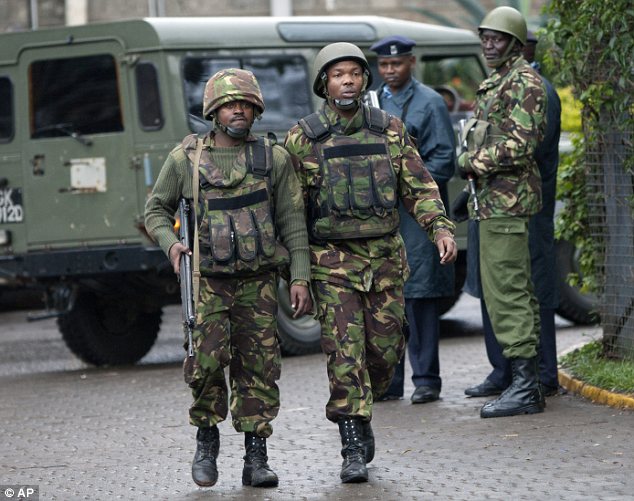
I noticed when I was back in Australia and New Zealand earlier this year I didn’t have to worry about security and we got really slack. Here you will find guards at every gate, bank, ATM, shopping centre and car yard. It’s not unusual to find guys from the army or police officers with rifles walking around. When you go into the mall or even a church your car is searched. It’s a hassle but better to be safe than sorry. Mind you, Pete asked a guard one day what he would do if he saw a bomb in a car and he said they would all run! Once you enter into the mall your bags and body are checked. Poor Pete, he has a metal pin in his leg and it often goes off. When there’s a threat in the city we are pressured to avoid any public place. We get security updates from the NZ and Australian High Commissions. While we don’t ignore them, we pretty much carry on life as normal. There are a lot more dangerous places to live in the world and we have this philosophy that when it’s your time, it’s your time. I just don’t want it to happen slowly and bit by bit. There is more danger travelling on our roads than terrorism.

guards

It never feels scarey having the army or guards around, unless one of them jumps in your car and points the gun at you!

Of course you also have to change how you speak, and not just in language. You have to learn how individual friends come from different cultural backgrounds and how to respond to them appropriately. What works in your home country doesn’t always work here. You can’t wear short shorts, travel long distances at night and yes, the food tastes different. Driving is insane. The people different.

If it wasn’t different here what was the point in coming?


About Money Matters

In light of what has occurred in the last few hours I thought I’d write my thoughts on giving online. If there is anything that will pull a person or organisation down is how they handle their finances.

I am sure all of us have received via email or social media a request for money for some need, or we have received a million dollars from some unknown relative. This week I’ve had someone offer our organisation $7,000 if we give $4,000 of it to another African organisation they have nominated. Also, an overzealous family member Facebooked a lot of our friends asking them to give money to help get Pete home to see his dad before he dies, and put the money in their own personal bank account.

So here goes:

1. Always Check the Spelling

It is more than obvious if the spelling, the grammar or their English is incorrect that you should just hit the delete button. If someone is asking for money they should at least have the decency to spell the words right.


2. Emotional Blackmail

I hate it when people post up photos from famine areas, use emotion to twist you into giving or give the ‘this is the last ditch effort’ type of ploy. If people feel to give, then let them do it.


3. Give Intelligently

Ask yourself ‘Can I afford to do this right this very second or will next week be better when I can give more?’ Find out more about the situation. Make sure your money gets to where it is meant to go and not in someone’s personal pocket (we call it lunch money here). Think about the way you can give that has the most impact.


4. Ask Questions

When will this money be spent, by whom, will I see the results, why do they need it right there and then? It’s okay to ask questions and if more people did they would be giving to areas that really bring about change.


5. Bank Accounts

Red flags go off if people ask me to give to their personal bank accounts. Where is the accountability and how will I be receipted? For us, we have a personal bank account in New Zealand that friends and family put money into to help keep us in Africa. That’s only because we haven’t set up a Trust there (yet). However, if it’s a business we have a partner trust people can give into and get a tax deductible receipt. In Australia, the US and the UK we have partner organisations who collect donations on our behalf and issue receipts.

Ensure everything is kept above board.


6. Ask the Person Involved Themselves

We’ve had some people who out of the kindness of their hearts asked for money on our behalf for personal costs. We became aware of it because a cousin sent me a message on Facebook telling us about it and did we know them. Hence, 3 hours later I am still cleaning up the fallout of that. Thankfully my cousin did that otherwise we would’ve been oblivious to it all and it really could’ve done some damage to our credibility. If you get a request from someone you think you know give them a call and ask them did they send it out or what is the best way they can help.

We want people to keep giving, no question about that one. However, we also don’t want to bring into disrepute the good work that volunteers around the world are doing. We have many friends who work with babies, children, the elderly and the special needs in countries some haven’t even heard of. Let’s keep supporting them because they really do need it. The vision is always bigger than the resources and while money doesn’t bring happiness it does help bring positive change to millions of people on our earth.

Honour Thy Father

Yesterday it was Father’s Day in lots of countries, including Kenya. Our youngest daughter lives in New Zealand and it doesn’t happen there until September.

So in honour of all dads (and single mums) I’m writing this blog, but especially in honour of Pete’s dad – Alvin Crean.

Dad is in hospital and we are all unsure of how much longer he’ll be with us. At 83 his heart is just holding on. It’s been a tough week for all of the family, we all knew it was going to happen but it doesn’t make it any easier.

It’s hit Pete really hard being so far away from everyone. The last time he saw his dad it was exactly 2 years ago. It was to say goodbye before we moved to Kenya. Pete knew it would be the last time he saw his dad, so it was extra special. Yesterday we did get to make him a video and then speak to him which was really good.

There’s some quite famous Creans across the world. One of them was Thomas Crean, an explorer that went to Antarctica with Ernest Shackleton. In fact this year there was a huge festival in his name held in Wellington, New Zealand. It looks like they originated from Ireland and made their way across the world.

The family crest

The family crest

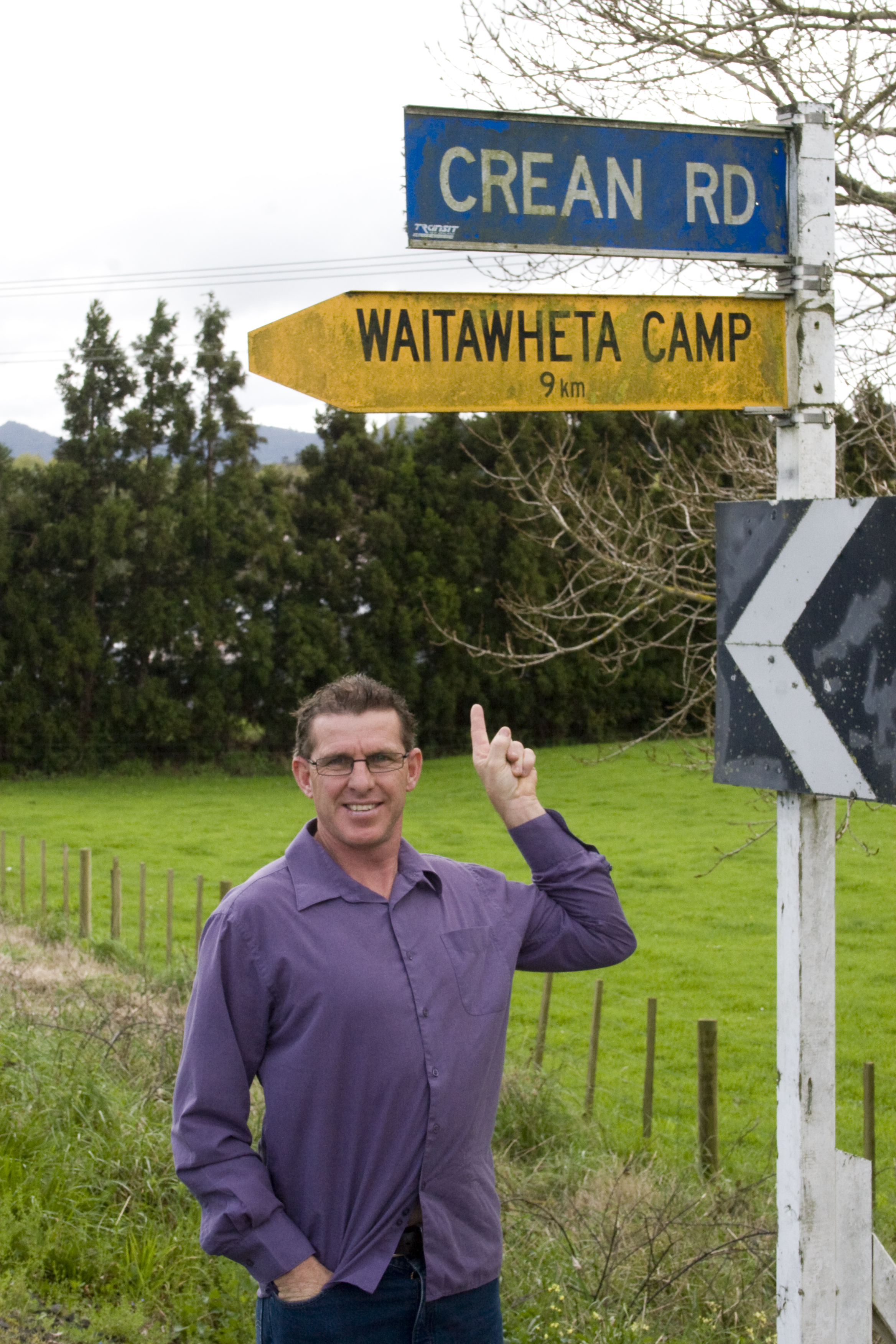
There’s even a ‘Creans Road’ named after Pete’s grandad in Waihi.

roadIn 1960 Pete’s dad married his mum (Alma). She already had 4 children from her previous husband who had passed away. That’s a huge thing to take on 4 kids that aren’t your own. Then, Pete and his sister were taken in when their birth parents abandoned them. Pete and Dawn were just a toddler and a baby.

It takes a lot of courage to take on 6 children with none of them being biologically yours. It wasn’t always a peaceful household and Pete has lots of colourful stories about his upbringing.

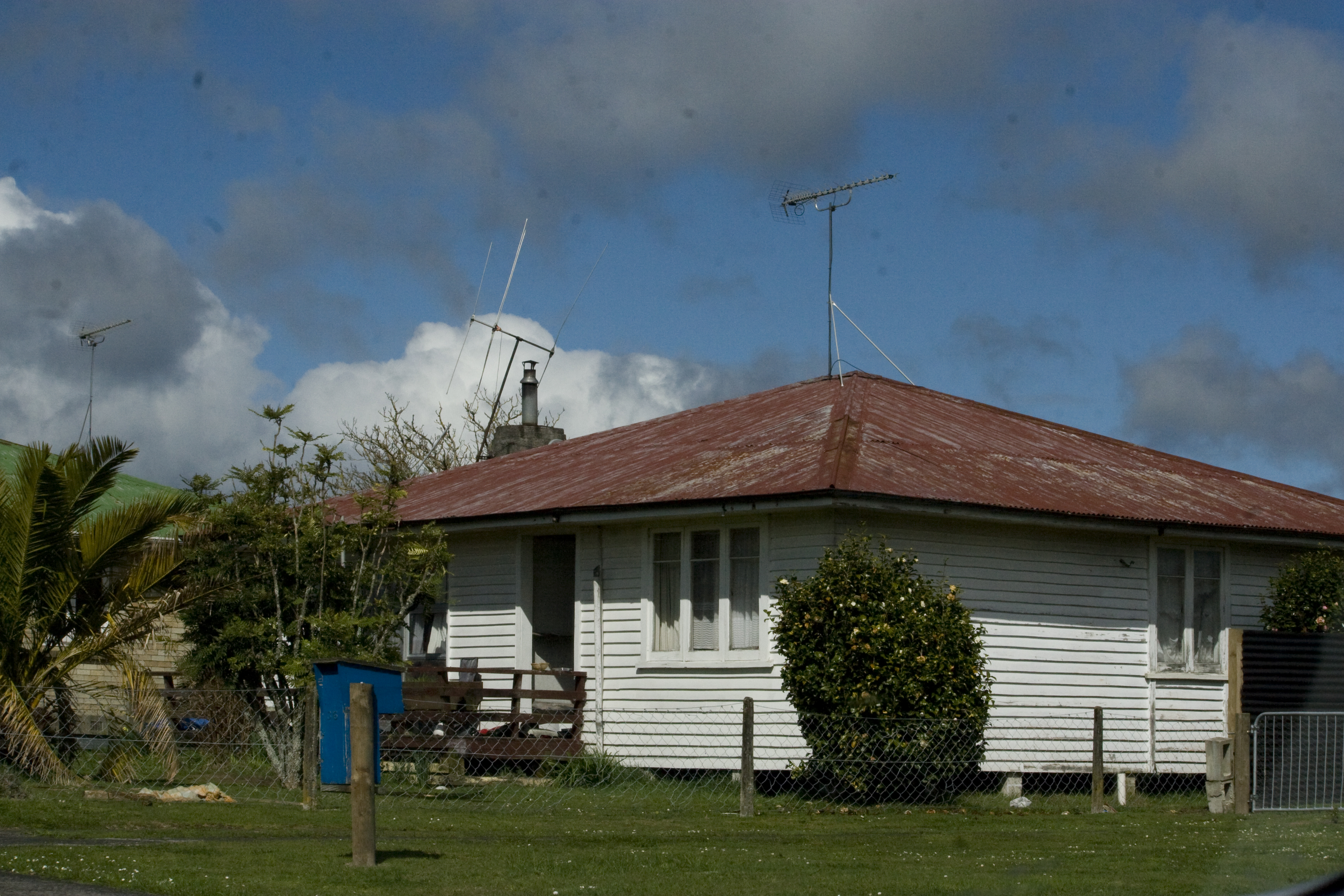
Pete liked living where they did because their house was on the fenceline of the school. In fact, it was only a few years ago that his parents moved out of there to a more rural setting.

The Crean house in Tokoroa

The Crean house in Tokoroa

Our girls loved visiting their grandparents little lifestyle block. There were pigs, dogs, chickens and lots of parrots. Pete’s dad loves birds. Even now at 83 he keeps birds in the back yard. One of our regrets is that he didn’t get to come to Africa and see the amazing wildlife here. He would’ve really liked that.

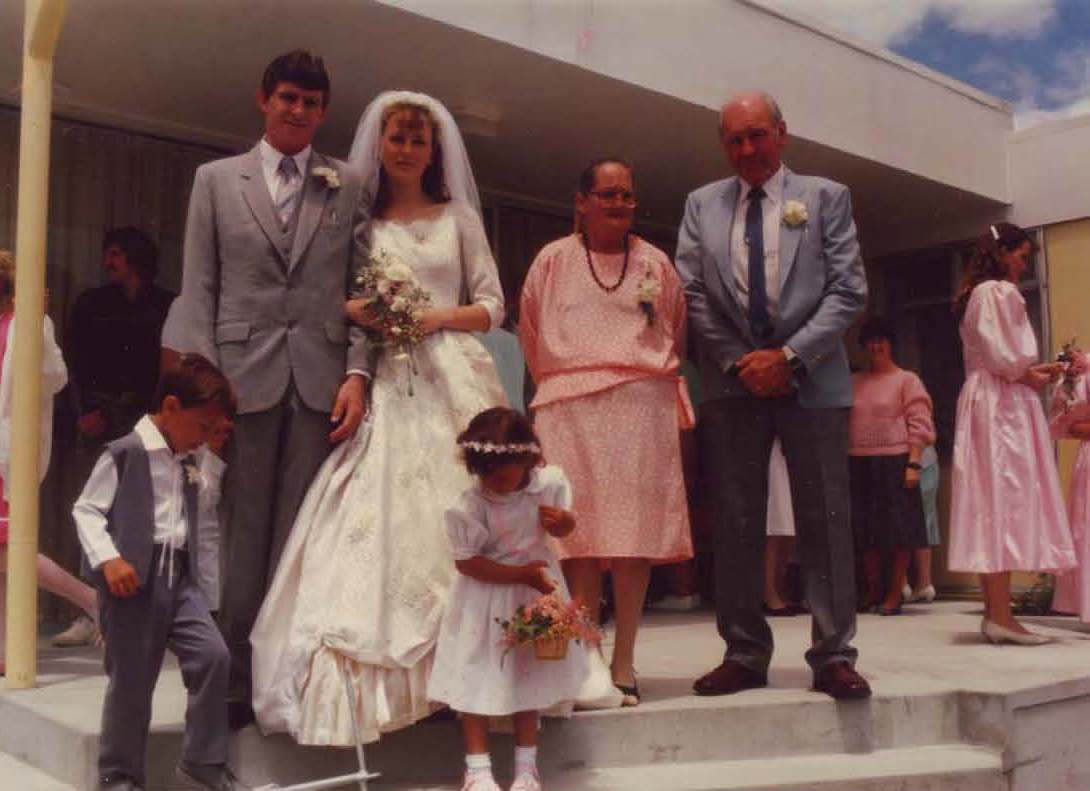
One thing I really respect about Pete is that he honours his dad. He doesn’t agree with everything he did or said but the fact that he took in so many and provided for them and calls them ‘all of his kids’ says a lot. On our wedding day, 26 years ago, Pete made sure during the speeches that his parents were given the due respect and thanks. Although it’s a blended family I’ve never heard anyone say ‘step brother’, ‘step sister’ or his dad say ‘they’re not MY kids’.

December 1987

December 1987

Some handy things Pete’s dad has taught him (purposely or not):

  • Work hard/play hard
  • Provide for your family even if you have to get 2 or 3 jobs
  • Always be hospitable (be ready with that cup of tea)
  • Every kid is special, they are not an accident
  • Treat animals well
  • It’s okay to argue with your spouse but work it out cause you still have to live with them
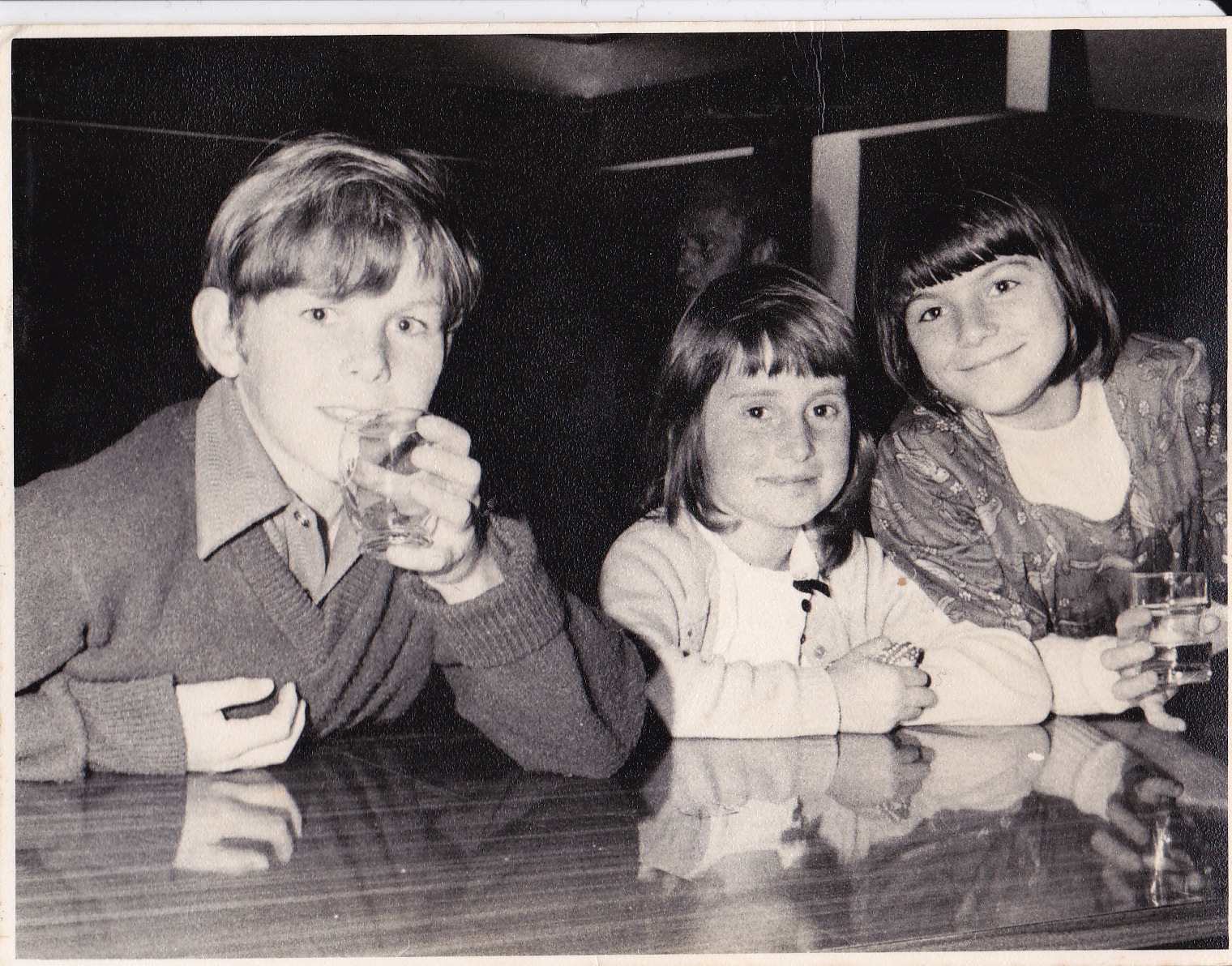
Pete and his sisters at the bar

Pete and his sisters at the bar

Whether you’ve had a good relationship with your dad or a real crappy one, take whatever lessons you can and use them in your own family. We choose the environment we have within our family, we don’t have to repeat how we were brought up if we want it to be different.

family

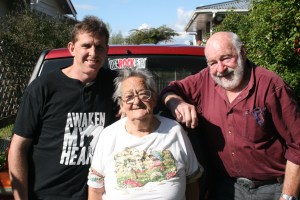
Pete with Mum and Dad

The word ‘Crean’ means ‘heart’. I would say that my husband has learned through his life experiences to have a heart for people. He is compassionate and kind, especially to those who are downtrodden and rejected by society. He chooses to honour his parents through his lifestyle.Dad’s heart might not have much longer to keep beating but he can be assured that the hearts, thoughts and prayers of his family will be with him now and always.


Daughter of a Missionary

To be honest, when mum asked me to write this blog post it was just after I had a huge blowout at her about how much I dislike (to say the least) the fact that they live on the other side of the world and had given up their lives to help those in need. People often look at missionaries and volunteer workers and say how wonderful it is that they have given up their lives to help those in need and that it’s such a heroic act. It seems that people don’t often think of the practical things like the sacrifice the rest of their family makes for this to happen. When mum and dad told me that they had decided to move to Kenya I thought that it was a “nice idea” for them to do something different. I had lived overseas before and knew that I would survive without them. But not long after they left for Kenya I felt like my right arm was chopped off. I think this was because I knew they weren’t coming back easily. After a few months of them being over in Kenya I was struggling a lot and decided to move back to New Zealand where all my extended family are.

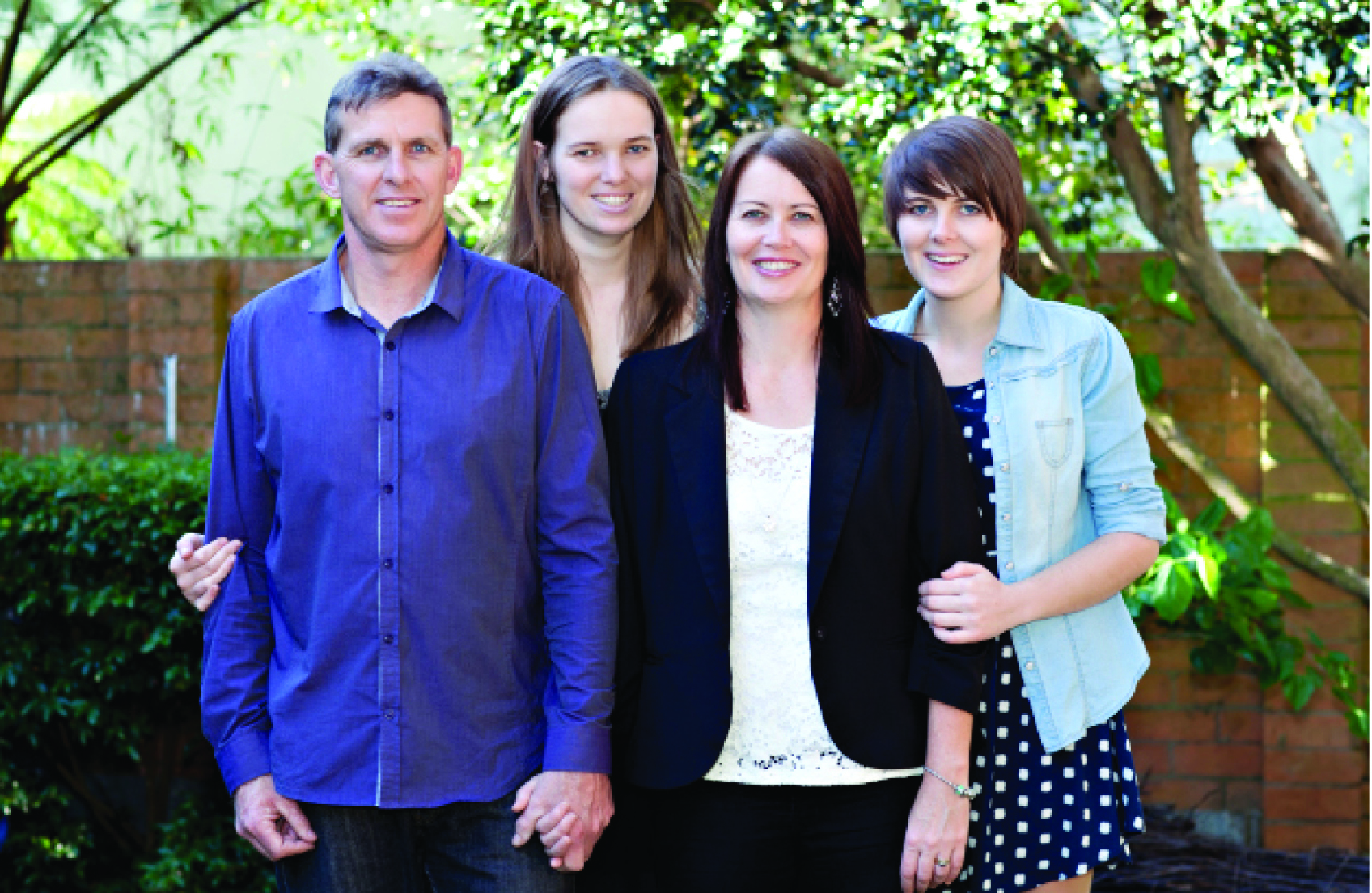
all of us

This was taken one week before my parents and sister left for Africa in 2012.

Here are 5 things I have learned over the past year and a half:

  1. You’re allowed to miss them

I miss the daddy daughter coffee dates, the ability to live at home (DON’T UNDERESTIMATE THE AWESOMENESS OF BEING ABLE TO LIVE AT HOME! Seriously though, I miss it quite a lot and wish I hadn’t taken it for granted), the painful but great back and neck massages mum gives, the long walks on the beach talking about life with my parents, family outings, special moments with my sister (which were few and far between since we were always arguing), and the list goes on. At first I felt guilty that I missed them because they were doing “such an amazing thing” but then came to realise that it’s my right as their daughter to say I miss them.

  1. Most people don’t understand

No one tells you how empty life can be without family. No one tells you how hard it is to organise skype dates between different time zones. No one tells you how scary it is when you hear of bombings and disasters that are just around the corner from where you know your parents are. The matter of the fact is no one tells you because no one really knows until you’re in the same situation. I don’t actually know anyone else who is a missionary’s kid.

Dad's 3 girls. Not sure how he puts up with us!

Dad’s 3 girls. Not sure how he puts up with us!

  1. Your parents are irreplaceable

The other week I was thinking about the future. What is going to happen when I get married one day? Is my dad going to be able to afford to come to my wedding and walk me down the isle? (He has no option; he’s going to be there whether he likes it or not thank you very much!) When I have my first child is my mum going to be able to be there to hold my hand through the ordeal? How often will they be able to see their grandkids? I don’t want my kids to miss out on having their crazy Crean grandparents around. There is no one who can ever replace my parents in those moments.

  1. Make “other family”

Throughout my life when travelling I have learnt to make other people my “other family” when mine aren’t around. Since living in New Zealand I have somehow managed to find Luke, my prince charming. (Awww!) His family, the Rutlands, have become my family, not because its kind of what happens when you get in a relationship, but because I chose for them to be. His dad, Andrew, takes me for driving lessons, makes me laugh, and gives me great advice. His mum, Sharon, (it’s a weird coincidence that our mums have the same name…) takes me for coffee, gives me hugs and talks with me about life. His sisters, Amy and Hannah, (another weird name coincidence which gets very, VERY confusing) have become my other sisters whom I can laugh with, argue with and cause mischief with. And his gran is one of the coolest gran’s around! I couldn’t do life here without them. I can’t say thank you enough to them for being so supportive and loving me like their own.

Mum and I Skype each week and we message each other all the time.

Mum and I Skype each week and we message each other all the time.

  1. Accept the fact that there is no such thing as normal anymore

As a missionaries kid you have to learn to modify your thinking of the basic things. What do you do at Christmas time, Fathers Day, Mothers Day, your birthday? Who do you spend those days with? Everyone else has his or her families.

The 4 of us in the US. I left them to come back to Aussie. They went to Kenya.

The 4 of us in the US. I left them to come back to Aussie. They went to Kenya.

I’ll tell you a secret: every other day I feel like calling my parents and telling them that I hate the fact that they chose to live in Kenya and that they should come back and live close to me. But I know deep down that this is what my parents are called to do. I know they wouldn’t be happy just living a “normal” life in Australia or New Zealand. And even though most of the time it sucks not having a normal family, I am really proud and glad that they are doing what they love.

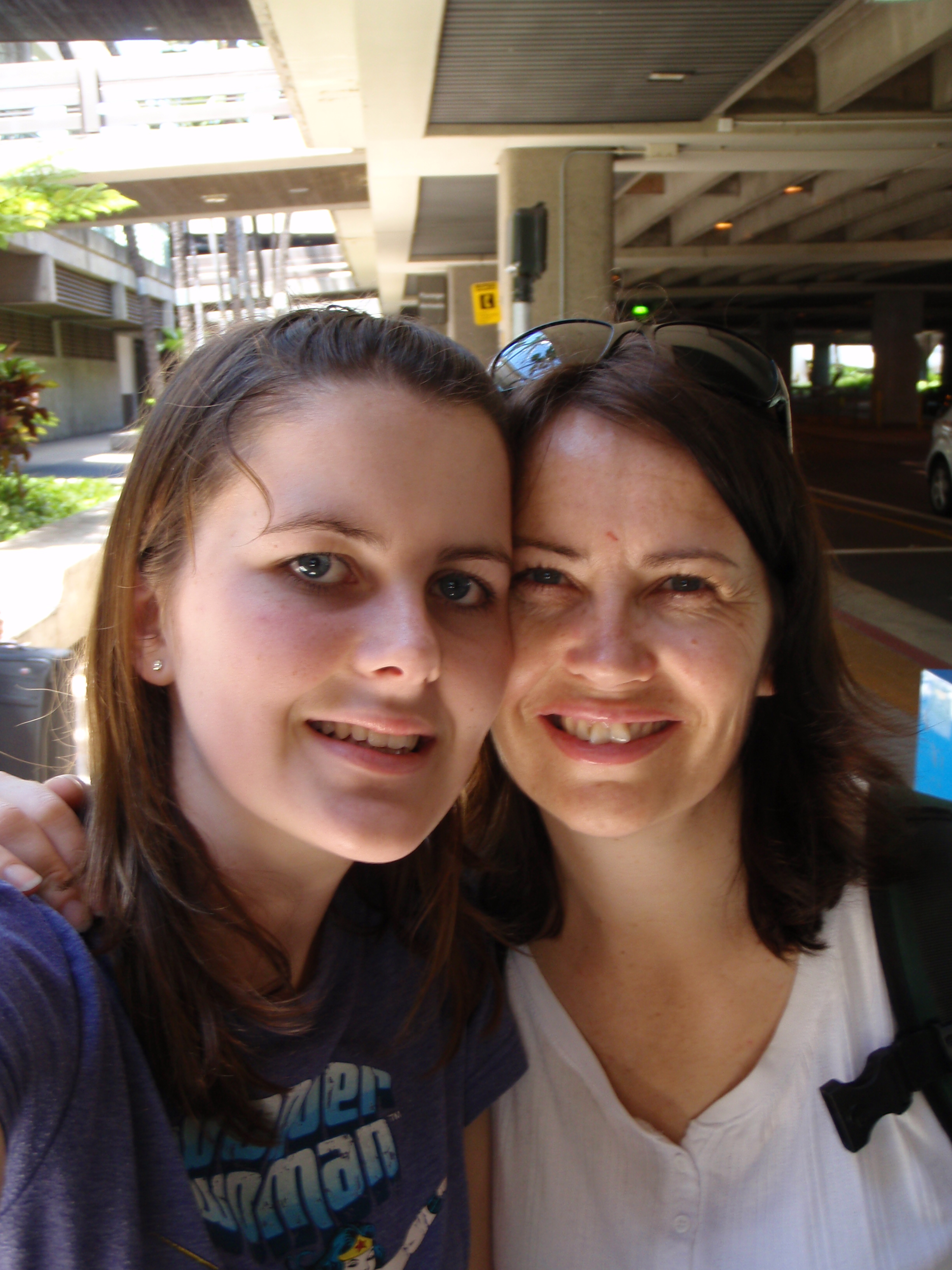
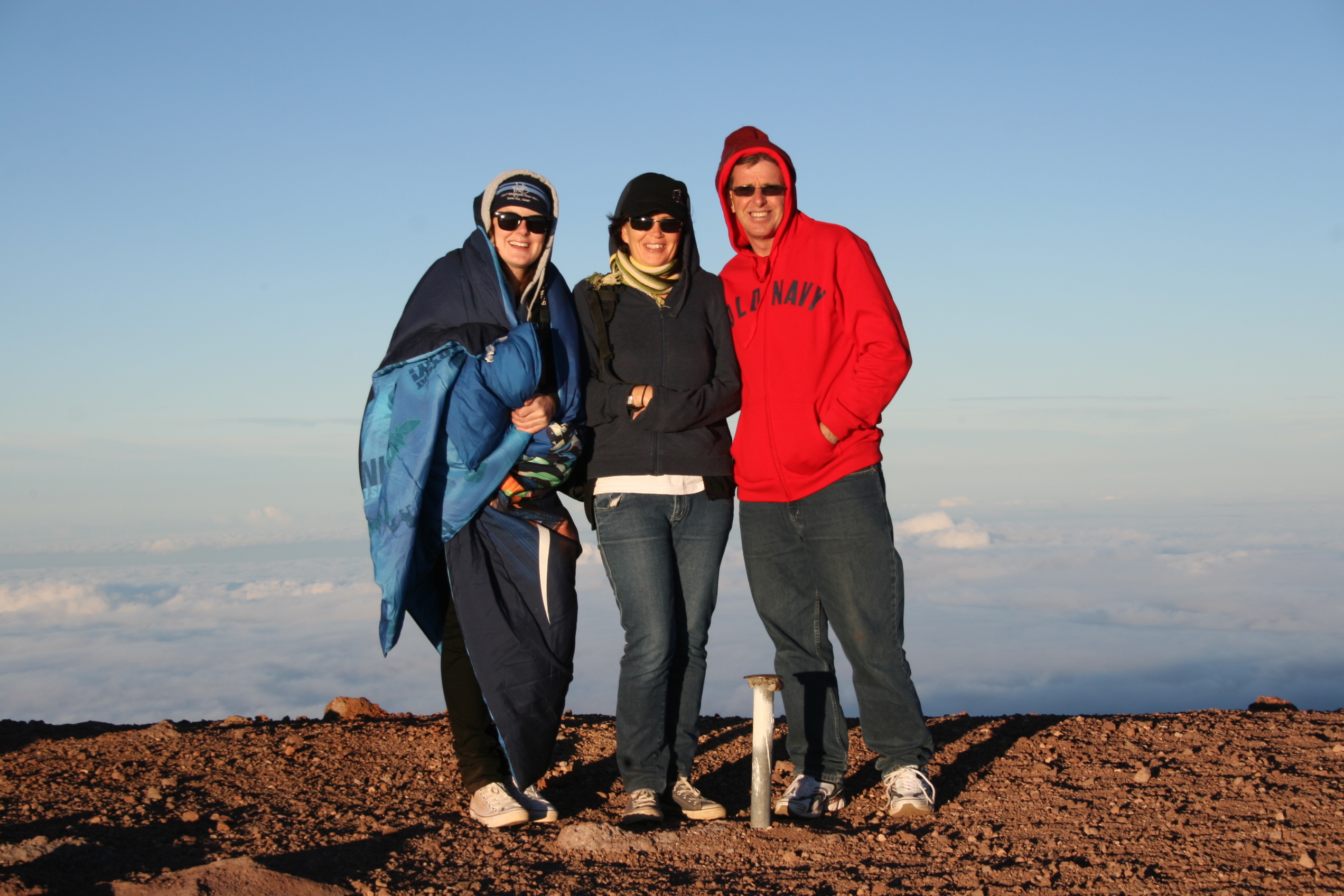
This is us on top of Mauna Kea in Hawaii before I went to school there.

This is us on top of Mauna Kea in Hawaii before I went to school there.


So, what do you do actually do for a job?

Here we (Shaz and Liz) are in the last week of a month speaking tour in New Zealand (NZ) before we head to Aussie to do the same. We’ve been in schools, unis, Rotary Clubs and had lots and lots of coffee catchups with people.

In this month alone we’ve slept in 12 different beds.

Besides the question of corruption the other question I mainly get asked is “So, what do you actually do for a job?” So here’s what we actually do, although every day is different.


Sharon

I try to be in the office by 8.45am but it depends on traffic. Sometimes it takes 5 minutes, other days 30. Basically in the mornings I volunteer with an organisation called Afri-Lift which works with children and youth for very poor backgrounds. On Mondays I’m in meetings until 2pm, Tuesdays I write grants for fundraising, Wednesday’s prepare for a 6 hour teaching day, Thursday teach, Friday do marketing.


The afternoons/evenings are taken up with work for BeyondWater (the Aussie charity we started in 2007), writing LOTS of emails, blogging, social network updates, looking at projects and every now and then taking Pete out for a coffee. I work till about 9pm most nights with my other spouse – the laptop.

IMG_7193

Some of the great kids we get to work with.

Three out of four weekends we also have programs on. One Saturday we train youth leaders, another we have a tuition program in the Kibera Slum and the third Sunday of the month we assist with the Riziki Childrens Program. That leaves us one extra Sunday to meet up with some young couples we are mentoring.


In addition we host lots of international visitors, sometimes go to the Kibera Slum with food packages or randomly do things like have the odd day off.


Pete

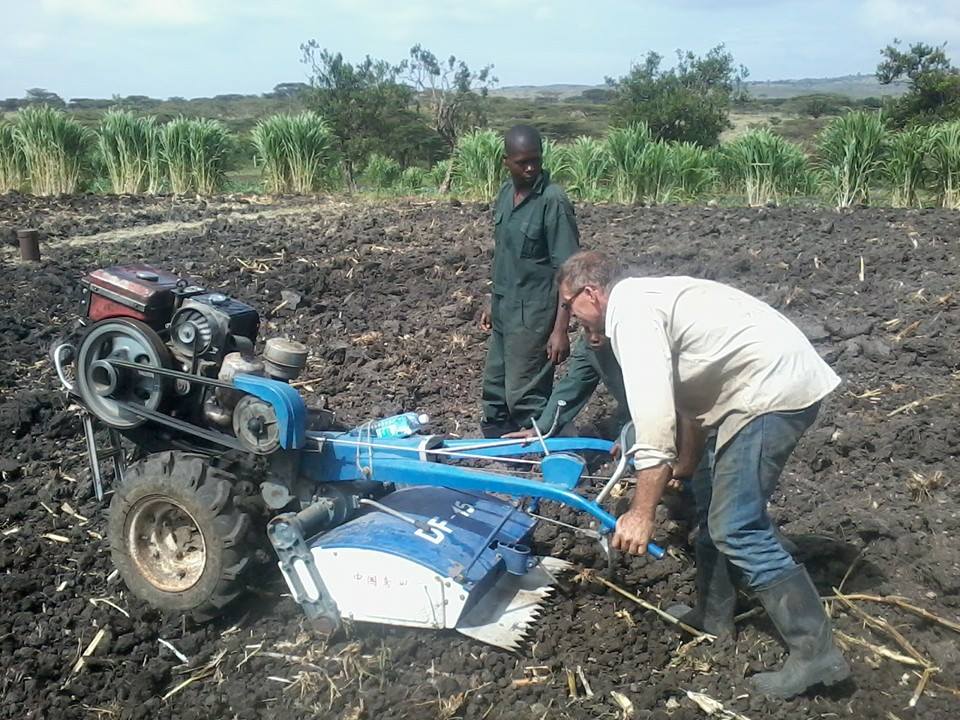
My days are certainly never dull and boring. Like Sharon, on Mondays we have a staff meeting for a couple of hours but every day/week is different. Sometimes you’ll find me tiling a kitchen, fixing a tractor, buying a truckload full of seeds to transporting tomatoes. You will also see me working with teenage boys training them on the ‘how tos’ of farming. This might mean pulling apart something that doesn’t work and showing them how to fix it. A lot tends to break down and it’s giving the locals the skills so next time they can fix it themselves. When I say things are varied, it’s a slight understatement. One morning I might be trying to find a market for the produce that the trainees grow and then that afternoon helping to install a water tank.

pete

Pete showing one of the boys how to use machinery.

I try and spend 2 – 3 days out at the farm which is about an hours drive. But I also need to be in town to work out all the other stuff. I’m not confined to an office or computer but every couple of days you can’t get away from paperwork. I work with a small team of people who have different roles but one thing I’ve learnt is that you can never over communicate.

Here in Kenya things are complicated and take much longer than say in Australia. You can’t go to one hardware store and get everything you want. Just because they say something is definitely in stock doesn’t mean it’s actually there.

This year I’m trying to take a couple of afternoons off a week. So far I’ve failed miserably.

Every couple of months we get personally involved with our water projects. That might mean driving a few hours to meet up with the community to make sure they’re on track.

That in a nutshell is our life, but it’s much more interesting in reality than in print. We meet amazing people, every day is a challenge and there is lots of work yet to be done.


Why not join us by:

  1. Giving (ask me how)
  2. Joining us (long or short tem)
  3. Find out more (shoot me an email – thewildcreanberries@gmail.com)

The Expat Dilemma

I’ve read about it, but experiencing it is quite different. I haven’t lived in New Zealand for 12 years and Australia for 16 months. We’re on assignment in Kenya (East Africa) and this visit was to make connections and raise much needed funds to keep us in Nairobi.

Firstly of course is the reverse culture shock – where you return to your home of previous residence. The only chance on our 4 flight trip to exit an airport was in Singapore where we went to my cousins for the day. I’d never been to Singapore so everything was very cool until I spotted a sign that said ‘Be considerate of other drivers and indicate’. I just started laughing in the back seat, I’m not quite sure if it was the 2 sleepless days catching up with me or the thought that this would NEVER happen in Kenya. When we arrived in Sydney there was the increase in early morning train rides that were a shocker and where you felt like an idiot for not knowing. One of the things that really bugged me was the lack of free wireless on offer at the malls. Every mall in Nairobi has some form of free wifi. Because labour is so cheap, toilets at the airport and malls leave for dead the quality of toilets in Aussie. I was so disgusted with Sydney airport toilets but I did appreciate those hand driers that are supersonic and dry your hands with just one pass in the drier.

liz surfing

Liz boarding. The bonus of NOT being 9hrs from the nearest beach.

The biggest sense is that of not belonging. I miss the familiarity of Nairobi and how Kenya works. Sydney is definitely not home anymore. Partly because Pete isn’t there and partly because we have moved on. Liz and I even went to a leaders meeting at our local church and my thought was ‘It’s great here but man would we be bored if we returned’. While it was great seeing friends and family, I also have friends and family in Kenya.

We were only in Sydney for just under 2 days to fly to NZ for a family reunion and then kick off a 6 week speaking tour. The last time I was at a family reunion I was 8 and our family lived about 4 hours away so we didn’t see the others very often anyway. So here’s this bunch of total strangers spending a weekend together at a remote beach that only those 60+ really have memories of. The rest of us sort of knew each other but it was just a matter of who are you, whose your parent and what have you been up to for the last 36 years? The saddest thing about choosing to live overseas is the lack of connection with family. There’s no holidays together, no shared memories. It doesn’t sound much, but it is quite a huge thing.

ang n shaz

Downside of 8 weeks on the road – wild hair.

In Kenya, customer service is a top priority but obviously not here. A taxi driver said about our one suitcase “I’m not lifting that into the car by myself”, hmm, don’t become a cab driver then!

I keep reminding myself that it is just different and we are not here forever. It’s not all bad. Family go out of their way to make you feel welcome. People are interested in your story and so far the weather has been good.

It’s early days yet but I think this trip will be worth it. I hold my breath and hope that we raise the necessary funds because we really do want to stay in Nairobi and work with the most amazing young people on the planet.


What To Remember When Going to Hells

Last week Pete announced that we were going to have a day off – it was a miracle! We often work on weekends and sometimes the weeks get really long. I’d always wanted to go to Hells Gate so last Wednesday that’s exactly what we did.

closeup of pete

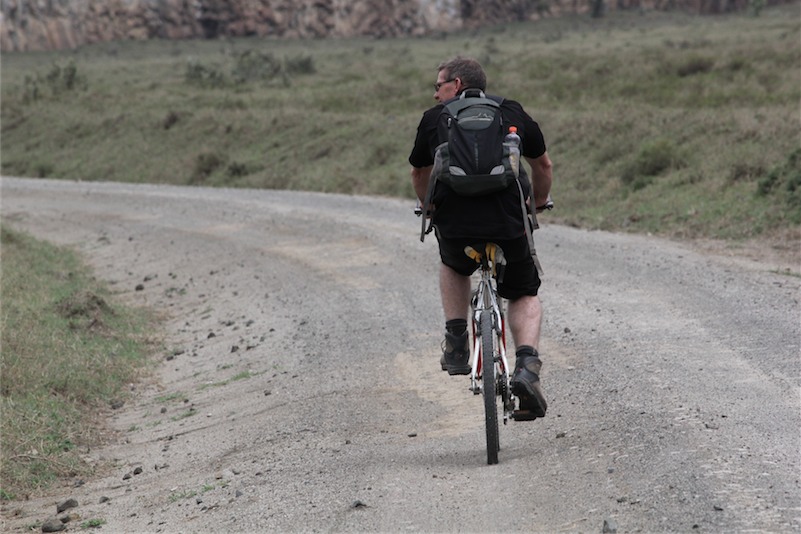
Easy riding when it’s downhill.

Hells Gate is one of the many national parks we have in Kenya. With our handy residents card we can get in to some of them for $5 while tourists pay $40. It’s the only park where you can jump on a bike and ride through the wildlife. There’s a dirt road which is in pretty good condition and you can literally just stop and make your way to the animals any time you like.

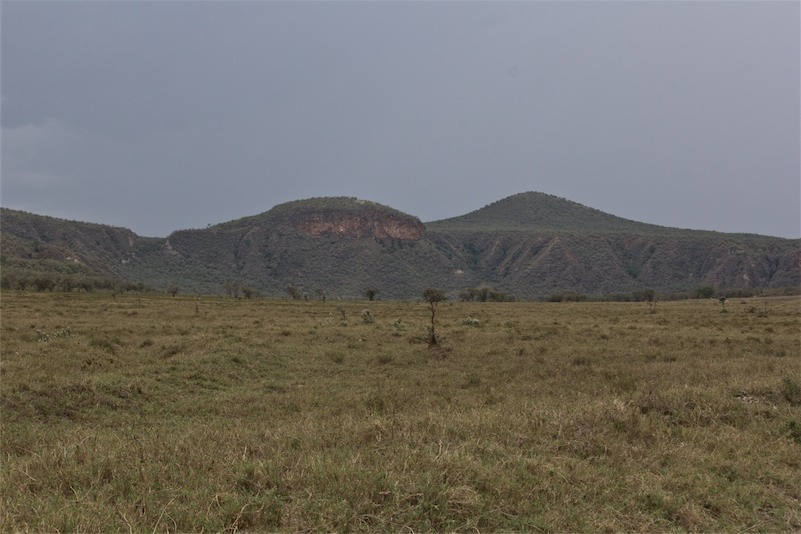
cliffs

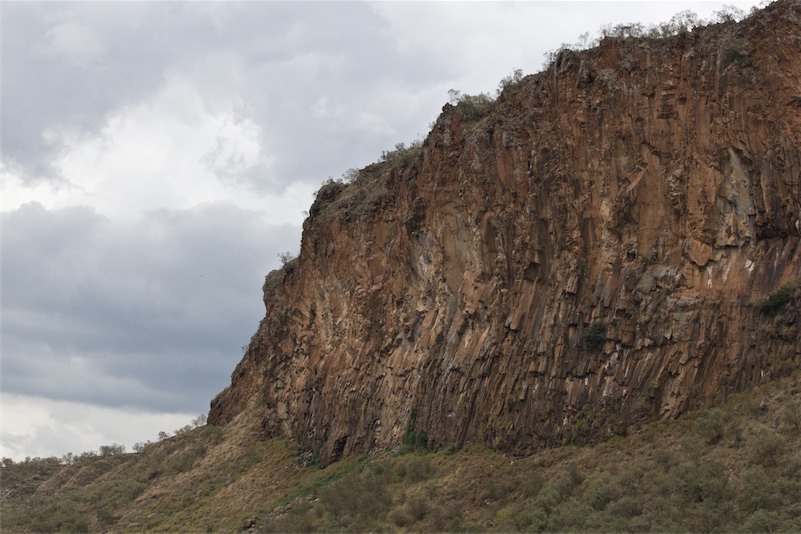
Lots of cliffs around, somewhere up there are baboons.

If you’re into rock climbing there’s a point about 5 minutes ride from the gate on which to practise. The deal is you have to hire a professional to assist, and we’re not really into that type of thing anyway.

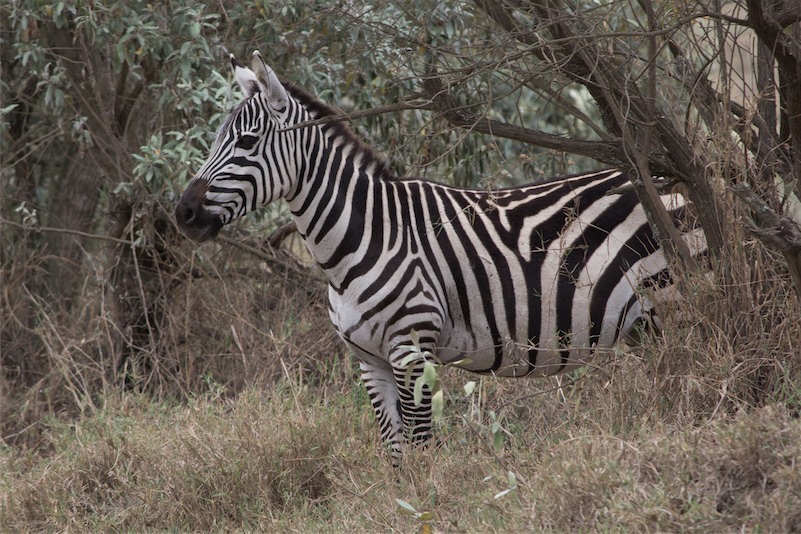
One of the few zebras that we could see up close.

One of the few zebras that we could see up close.

About 2km’s from the park entry just as you turn the corner there are guys waving you down to hire their bikes, we kept going. First thing to remember – hire your bike from these guys and not at the park. The park ones are crappy as. My gears wouldn’t change, the back tyre was half flat and Pete had to disengage the rear brakes because they were rubbing badly. His chain kept falling off and he couldn’t change the gears either. We didn’t notice these things until we were a few k’s up the road.

It's a pretty big place.

It’s a pretty big place.

You think the KWS (Kenya Wildlife Service) who manage all the national parks would maintain their bikes – oh, there’s no such thing as maintenance here! We called into the bike hire place outside the park and for the same price there were way better bikes.

Plenty of these at the entrance to the gorge.

Plenty of these at the entrance to the gorge.

Nairobi was wet when we left and we weren’t sure what the weather would be like in Naivasha where the park was. It was 2 hours away so it had to improve. We took raincoats anyway but didn’t need them. However it would’ve been good to take sunscreen – which we didn’t. While we did end up riding through a thunder storm (a bit scary) before that it was rather warm. At least we had a couple of litres of water – a must over here. I knew I was getting burnt but it all came out that night – my nose and forehead were as red as a beetroot. So while we take the antibacterial handwash with us I must remember to throw in one of the many sunscreen bottles we have in our cupboard.

Warthogs. We kept yelling out "You calling me a pig?" Pumba quote.

Warthogs. We kept yelling out “You calling me a pig?” Pumba quote.

Having a decent camera is important. There actually weren’t that many animals and they were all away from the road. Sure, we could get off our bikes and try to get up to them but these are wild animals and they ran as soon as we moved. There were lots of warthogs, a few zebras, gazelles, antelope and a few big birds. I was waiting to see some giraffes but these were a no go. It’s probably one time I’ve taken very few photos. Although I’ve got a zoom lens it’s still not big enough. One day I hope to invest into a big beast to capture better photos of these marvellous creatures.

Only here can you find a geothermal plant in a national park.

Only here can you find a geothermal plant in a national park.

Set aside your whole day to go to Hell’s Gate. I’d seen some amazing photos of The Gorge and really wanted to see it. We didn’t get to the park until 11am and with our detour to the camping ground (Pete wanted to suss it out) and crappy bikes we got to the gorge about 1pm. I could see the storm clouds starting to roll in. You can either take the 20 minute or 90 minute trek each way. While we could buy drinks at the rangers station you couldn’t buy lunch. We said no to the gorge, leaving it for next time (when we could drive in) when Liz would be with us. One of the great things about Kenya is that you can pretty much buy fruit and veges on the side of most roads. Pete had bought these really nice bananas so they kept us going all afternoon.

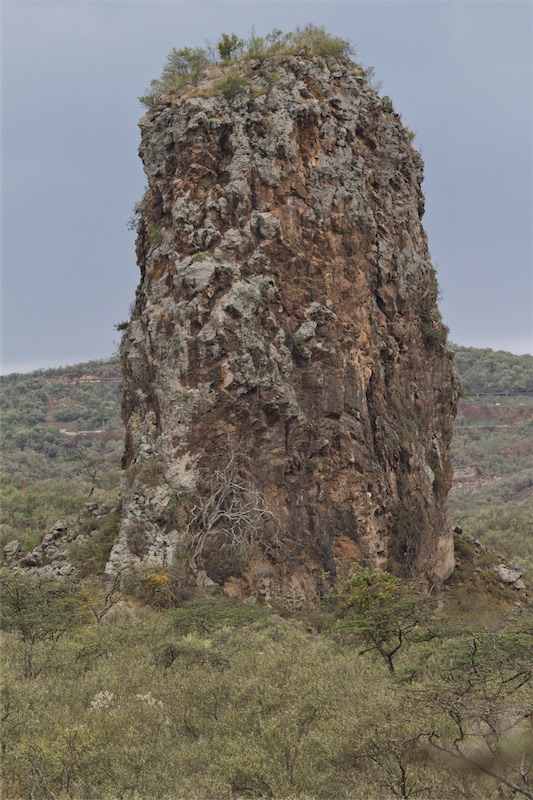
You can't climb this mesa - which locals call a volcanic plug.

You can’t climb this mesa – which locals call a volcanic plug.

Because I thought we’d be doing a lot more walking I wore my hiking boots from Mt Kilimanjaro. They were a slight overkill, I’m wearing sneakers next time. It’s the short rainy season here so I wasn’t sure how wet the ground was going to be. In fact things were pretty dry. We haven’t been bike riding for years so our butts were a bit sore for a couple of days afterwards. Pete more so than me because I wore my mountain shorts, his were way thicker. We both forgot hats (you don’t wear helmets here) and didn’t need a jacket (which stayed in the car anyway). Basically, go prepared for any type of weather, use toilets at the start of the park and go and have lots of fun.

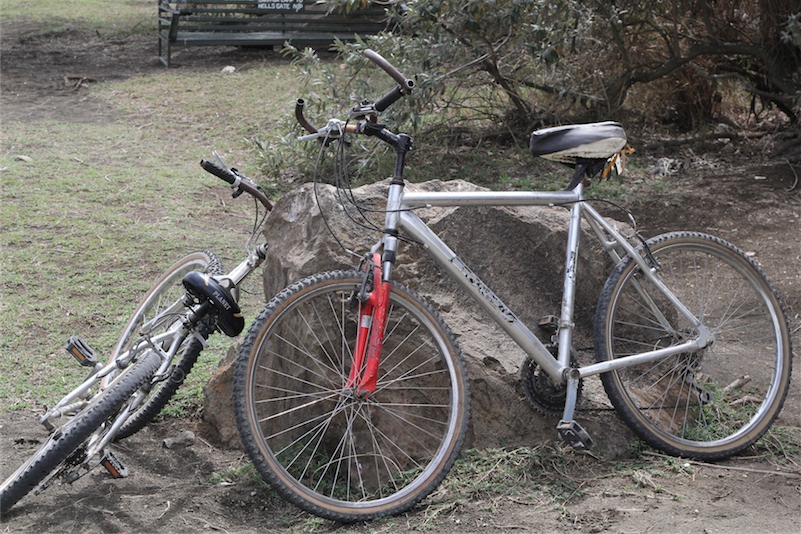
Our bikes having a rest, they were tired.

Our bikes having a rest, they were tired.

Hell’s Gate is good if you want to get out of the city for the day and just meander along. There’s no rush and there’s certainly plenty of places around to stop for food afterwards.

A Week With Terri

Terri (AKA Tee) is one of our many ‘extra’ kids we have in our family. We’ve known her since she was 4 years old, she is now 25. It was only a few weeks ago that she said she was coming here for 3 weeks, so we adjusted our calendar, planned some outings and finally got our guest room ready.

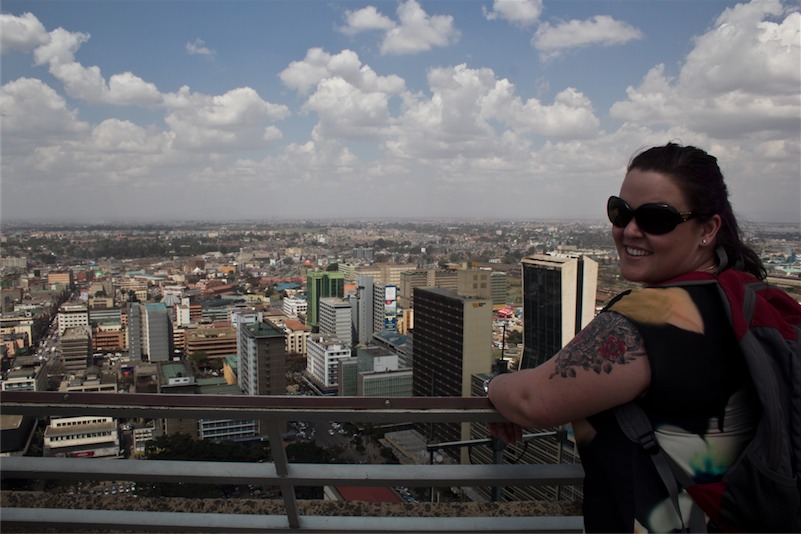
Looking out at Nairobi from the Convention Centre

Looking out at Nairobi from the Convention Centre

Until then the guest room was empty and we had always planned to furnish it, but didn’t have the funds for it. Just after we got the message that Tee was coming some New Zealand and Aussie friends gave us enough for a mattress and bed. When she arrived, another friend gave us the funds for some bedside tables. So now all we need is a BBQ, vacuum cleaner, solar backup and we are pretty much set up!

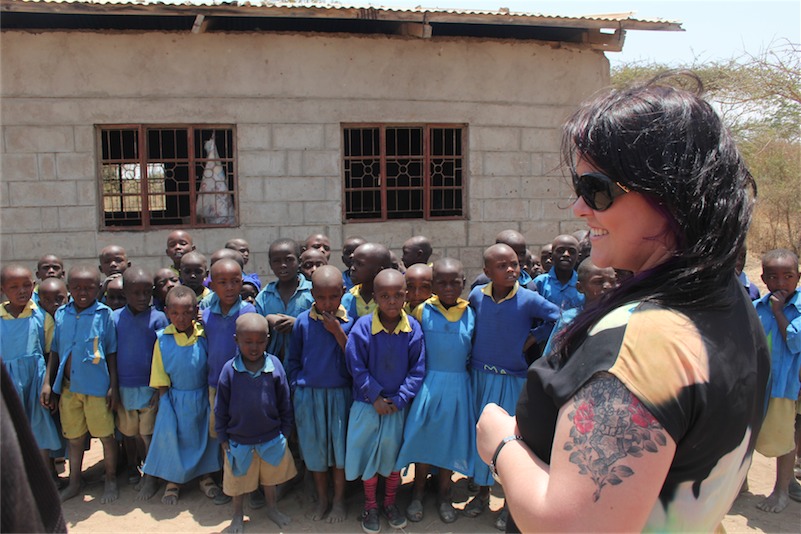
Visiting the KAG Primary School

Visiting the KAG Primary School

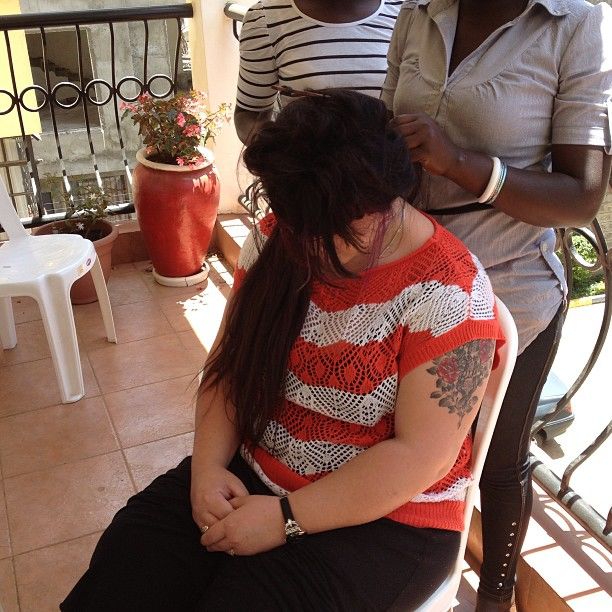
The great things about having visitors is that I get a chance to get out of the office. Not that I mind working with our team (they are the best) but endlessly looking at a computer screen gets just a bit much. So I’ve abandoned our team for the 3 weeks that Tee is here, keeping in touch online and going in only on Monday mornings. It means working at nights or sneaking in time like now when she is getting her hair braided – Kenyan style. We absolutely love having visitors and showing them that Africa is more than war, famine and poverty.

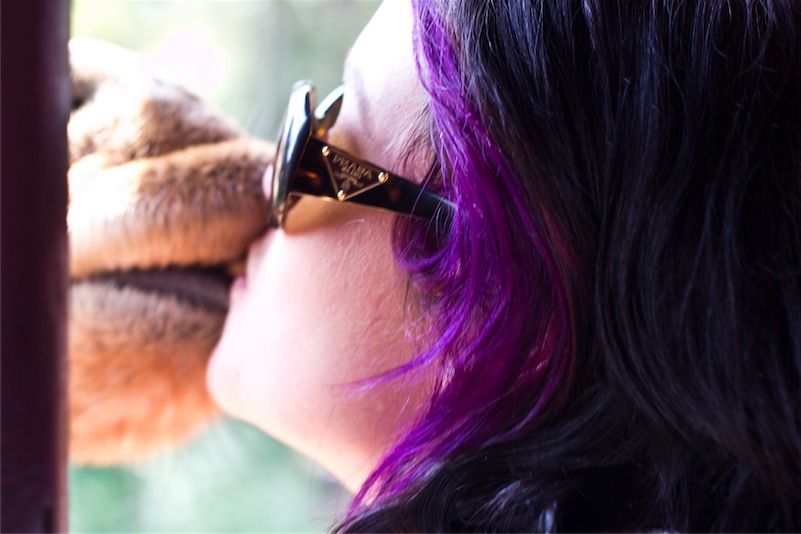
closeup kissy

This is how you kiss a giraffe

I always get amazed by what peoples reactions are to Kenya and everything it holds. Most are intrigued that we pretty much have all the modern amenities, that we drive in crazy traffic and don’t have a heart attack and how good the food is. I feel sorry for Tee because I told her that the weather had been cool, but by the time she got here it was quite warm. She came from 15 degrees in New Zealand to 25 – 27 degree heat. The other day I suggested we walk the 15 minutes to the mall – bad mistake. She has constantly reminded me and anyone we meet about how she nearly melted. Won’t be doing that one again.

Preschoolers in the Kitui District

Preschoolers in the Kitui District

The thing I love about Tee is her laugh it’s infectious. This is especially so when we’ve driven for hours and start quoting movies, Swahili practise and songs to suit the situation. That’s when we know we’re all tired and Tee’s laughs keep us going. She was only here for 2 days and we went to Kalambya in the Kitui District, around 3.5 hours from Nairobi. We left early in the morning and didn’t get back until after 9pm. It was to look at one of our new water projects but it was preceded by a 2 hour tour through a primary and secondary school. It was hot, dusty and I am sure we met everyone in the community. But, we had lots of fun along the way.

A day in the city in 26 degrees. I think they needed a coffee.

A day in the city in 26 degrees. I think they needed a coffee.

While we like to show people the touristy places we also like to show them another side of life in Kenya – where people live in poverty. We took Tee into the Kibera Slum where we were meant to take a food parcel to a needy family but their child ended up vomiting for hours and was rushed to hospital. Instead we visited some young men who are sponsored to attend school. Here we discovered that at one of their boarding schools they have to get up at 3.45am, every day! The boys were inquisitive about Tees tattoos, something happening more and more here. We also visited a school in Kibera where the little kids are so cute you want to take one home.

While you can go to some great places here, it is the people you meet who leave a lasting impression. There’s Mariam who gave us a Kenyan cooking lesson (Tee still doesn’t like ugali), Ayub and his family who came for dinner and Lucy who we took to dinner on our way back into Nairobi. Sure you can kiss a giraffe like Tee did (and who doesn’t!), feed a baby elephant or tour through a bead making factory. But it’s the incredible stories of joy and endurance that stay with you forever.

Tomorrow we take Tee to Nakuru with us to visit a school where we put down a deep bore well.  It’s only a few hours drive from here but we are staying overnight at someones house so the next day we get up at 6am to go to the national park. That afternoon we’re also out on a boat to see the animals from a water perspective.

Hair braiding takes hours.

Hair braiding takes hours.

Both Tee and Pete are big coffee drinkers. They are about half the price of what Tee would pay in New Zealand so she’s happy to stop several times at the local coffee shop. This morning I had to steer her away from Dormans, which she has come to know really well.

However, I may have to take her there later for her caffeine fix!


One Dollar At A Time

Here in Kenya we have plenty of opportunity to help people out. There are the beggars, the disabled sitting in wheelchairs and then those selling goods at the side of the road.

There are a couple of people who have stuck out here.

One of them is a man in a wheelchair who had his legs amputated from the knees down. He sits each day at the corner by a small shopping centre. He has children (we see them from time to time) and one of the world’s biggest smiles. He’s polite and doesn’t beg for cash but you can tell he’s in need.

Unfortunately there’s no disability support pension here for people like this man. They are totally reliant on having their families support them. Every now and then when we go past his spot we drop in 100 shillings, worth about $1. More than that though, we stop for a chat and ask him how he and is family is. It gives him respect that he is of value and not simply because he needs money.

A couple of weeks ago I met the most wonderful lady. Each day she stands by the road we take to work. She is there early in the morning till it starts to get dark. She has a baby strapped to her back. She holds out her right hand for the entire time, in it she has a bag of blue sweets for sale. I don’t know how much she sells them for but probably only for a shilling or two. I don’t know this lady’s name but I really admire her.

On either side of her stand men selling DVD’s, posters, flowers and the matatus (vans moving masses of people) and buses throwing out diesel fumes.

I admire her because she’s not waiting for her situation to change, she is changing her situation, one shilling at a time.

I am more than happy once a week to drop 100 shillings into her hand. I usually ask for a couple of sweets so it doesn’t look like I do it out of pity. No, I do it in admiration.

You might say that it’s only the odd dollar, what difference can it make? But to these 2 people it means they can buy some flour and make ugali that night. It means that they have something to put towards their rent. Or it may mean they can afford to buy one jerry can of water.

Even though our personal support level is short by about $1,000 per month, I’m not going to let it stop me being generous. These two people inspire me to keep going even when it all seems a bit much.

My next step is to get to know their names.

Tell me about someone who has inspired you lately.