Unknown's avatar

About thewildcreanberries

Join us on our adventure in Nairobi, Kenya. Working with the most underprivileged communities who lack clean water and sanitation facilities.

A Coeliac in Kenya

In October 2007 I travelled for 9 days to Kenya, then returned back to Sydney. Three weeks later I travelled via the UK to Ghana for a whopping 3 days. Then in January 2008 I started getting night sweats and not feeling 100%. In February I got pain from what I thought was appendicitis, which abruptly stopped at 2pm. Nothing much for the remainder of the year except this sharp pain in my right side.

The doctor couldn’t put it down to anything in particular.

About a year later I was eating a chocolate Tim Tam biscuit and my belly swelled up to what made me look 6 months pregnant. Pete thought it was hilarious. After having tubes put in both ends of my body the doctors told me I was a coeliac. I didn’t even know what it was. It was a harsh blow to find out that I wasn’t allowed to eat anything with wheat in it. There went 50% of my diet.

timA few months later the ‘could it be appendicitis’ pain struck at 6 in the morning. Pete took me to hospital, they took the appendix out and then told me the pain wasn’t because of that. The appendix was fine. However, since then the pain in my right side which dogged me for years disappeared. It was the caecum that was causing all the problem, which was connected to me being allergic to gluten.

So here I am in Kenya, a coeliac, with about zero people knowing about it.

I’ve had an interesting 19 months trying to figure out what I can eat and what to avoid. The food labelling here is useless. It might say vinegar but not which type (I can’t have malt/brown vinegar). You ask someone at a restaurant about whether it has flour or gluten in it and you get a blank look.

One of the hardest things is when you go to someones house. The last thing I want to do is offend someone who has gone out of their way to prepare a meal for you to tell them that you can’t eat it. Once I ate a couple of sandwiches and it made me sick for 2 weeks. Bread is a big thing here, usually what someone has for breakfast. A few weeks ago we went to a co-workers house for ‘tea’, but it’s never just a cup of tea here, it’s a full meal. People go out of their way to make your stay nice. These guys had even borrowed from their neighbours a table and couch for us to sit on.

I’ve smartened up a lot and now take a ziplock bag of goodies with me. I also tell Pete to eat ‘for me’ so that it looks good. On Thursdays we travel an hour to a training farm for former streetboys. We have a staffroom and I usually make scrambled eggs for lunch.

Like I said, the hardest thing is the lack of labelling. Even herbs and spices have gluten in them. You only find out when you have to spend a lot of time on the toilet or have intense pain in your stomach to figure out not to get that brand.

We do have some health food shops in Nairobi called HealthyU. Because everything is imported, it’s really expensive. While today they might have gluten free bread mix, tomorrow there might be none. So, I buy multiples of what I need to get. Liz travels back to Australia every few months so she brings me back things I can’t get here.

The big one is chocolate. There is absolutely no chocolate here in the supermarket that doesn’t have gluten in it, not a bar. It’s a tragedy.

Not all chocolate has the same recipe

Not all chocolate has the same recipe

I get to miss out on chapatis (divine taste), bread, sweets, chocolate and mandazis. However, there is lots of fruit, veges, rice and meat I do get to eat. Yes, it’s hard when people in the office are cooking toast and that lovely baked bread smell goes through the room. However, I get to bring in home baked goodies that our guys have never seen.
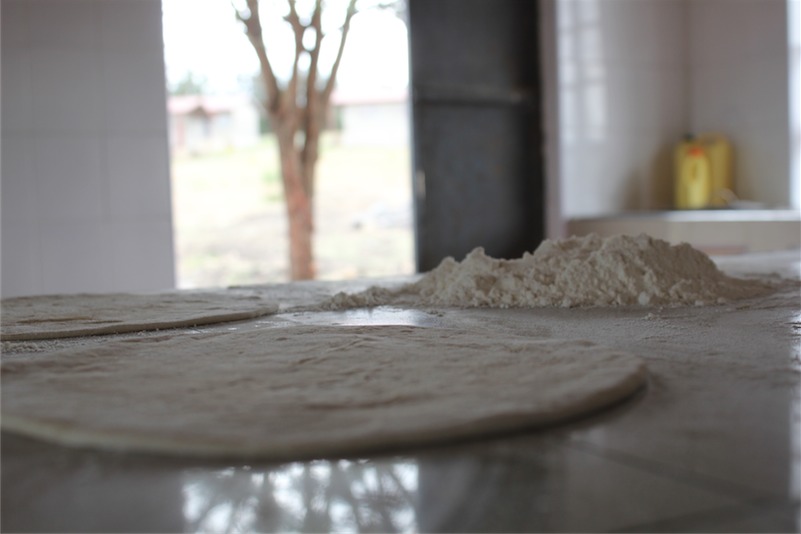
Chapati before it is cooked.

Chapati before it is cooked.

I do a lot of home baking. When someone from Aussie comes to visit I always ask them to bring me gluten free flour. I use that for everything instead of normal flour. I just have to add Xanthum Gum and sometimes an extra egg to give it the fluffiness. I can buy gluten free cornflour here so use that for thickening things. And I always, always have a packet of Edmonds Custard Powder in the cupboard.

custardWhile it’s tough, it’s not life threatening. Much nicer to be healthy and feeling great.

About Money Matters

In light of what has occurred in the last few hours I thought I’d write my thoughts on giving online. If there is anything that will pull a person or organisation down is how they handle their finances.

I am sure all of us have received via email or social media a request for money for some need, or we have received a million dollars from some unknown relative. This week I’ve had someone offer our organisation $7,000 if we give $4,000 of it to another African organisation they have nominated. Also, an overzealous family member Facebooked a lot of our friends asking them to give money to help get Pete home to see his dad before he dies, and put the money in their own personal bank account.

So here goes:

1. Always Check the Spelling

It is more than obvious if the spelling, the grammar or their English is incorrect that you should just hit the delete button. If someone is asking for money they should at least have the decency to spell the words right.


2. Emotional Blackmail

I hate it when people post up photos from famine areas, use emotion to twist you into giving or give the ‘this is the last ditch effort’ type of ploy. If people feel to give, then let them do it.


3. Give Intelligently

Ask yourself ‘Can I afford to do this right this very second or will next week be better when I can give more?’ Find out more about the situation. Make sure your money gets to where it is meant to go and not in someone’s personal pocket (we call it lunch money here). Think about the way you can give that has the most impact.


4. Ask Questions

When will this money be spent, by whom, will I see the results, why do they need it right there and then? It’s okay to ask questions and if more people did they would be giving to areas that really bring about change.


5. Bank Accounts

Red flags go off if people ask me to give to their personal bank accounts. Where is the accountability and how will I be receipted? For us, we have a personal bank account in New Zealand that friends and family put money into to help keep us in Africa. That’s only because we haven’t set up a Trust there (yet). However, if it’s a business we have a partner trust people can give into and get a tax deductible receipt. In Australia, the US and the UK we have partner organisations who collect donations on our behalf and issue receipts.

Ensure everything is kept above board.


6. Ask the Person Involved Themselves

We’ve had some people who out of the kindness of their hearts asked for money on our behalf for personal costs. We became aware of it because a cousin sent me a message on Facebook telling us about it and did we know them. Hence, 3 hours later I am still cleaning up the fallout of that. Thankfully my cousin did that otherwise we would’ve been oblivious to it all and it really could’ve done some damage to our credibility. If you get a request from someone you think you know give them a call and ask them did they send it out or what is the best way they can help.

We want people to keep giving, no question about that one. However, we also don’t want to bring into disrepute the good work that volunteers around the world are doing. We have many friends who work with babies, children, the elderly and the special needs in countries some haven’t even heard of. Let’s keep supporting them because they really do need it. The vision is always bigger than the resources and while money doesn’t bring happiness it does help bring positive change to millions of people on our earth.

Honour Thy Father

Yesterday it was Father’s Day in lots of countries, including Kenya. Our youngest daughter lives in New Zealand and it doesn’t happen there until September.

So in honour of all dads (and single mums) I’m writing this blog, but especially in honour of Pete’s dad – Alvin Crean.

Dad is in hospital and we are all unsure of how much longer he’ll be with us. At 83 his heart is just holding on. It’s been a tough week for all of the family, we all knew it was going to happen but it doesn’t make it any easier.

It’s hit Pete really hard being so far away from everyone. The last time he saw his dad it was exactly 2 years ago. It was to say goodbye before we moved to Kenya. Pete knew it would be the last time he saw his dad, so it was extra special. Yesterday we did get to make him a video and then speak to him which was really good.

There’s some quite famous Creans across the world. One of them was Thomas Crean, an explorer that went to Antarctica with Ernest Shackleton. In fact this year there was a huge festival in his name held in Wellington, New Zealand. It looks like they originated from Ireland and made their way across the world.

The family crest

The family crest

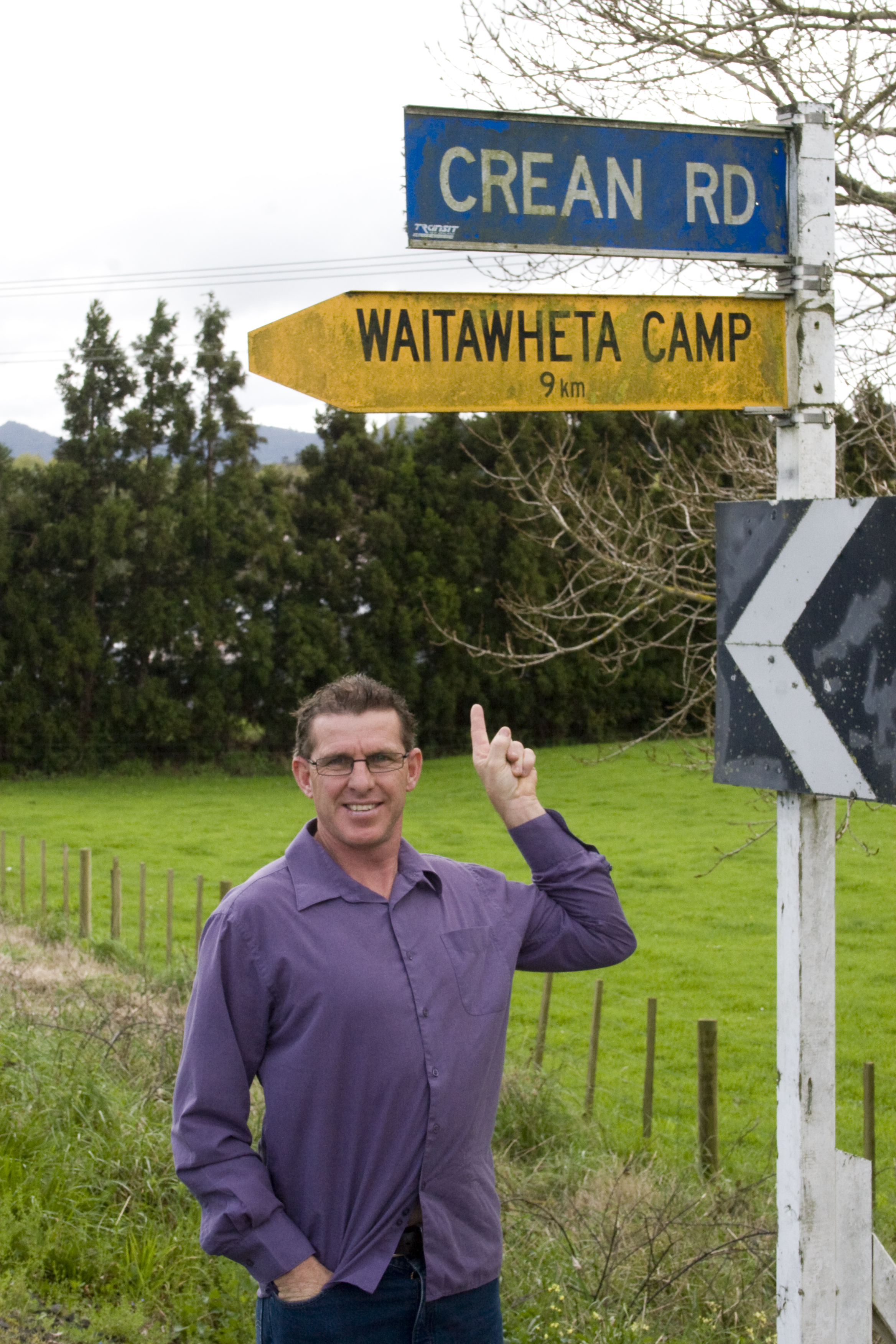
There’s even a ‘Creans Road’ named after Pete’s grandad in Waihi.

roadIn 1960 Pete’s dad married his mum (Alma). She already had 4 children from her previous husband who had passed away. That’s a huge thing to take on 4 kids that aren’t your own. Then, Pete and his sister were taken in when their birth parents abandoned them. Pete and Dawn were just a toddler and a baby.

It takes a lot of courage to take on 6 children with none of them being biologically yours. It wasn’t always a peaceful household and Pete has lots of colourful stories about his upbringing.

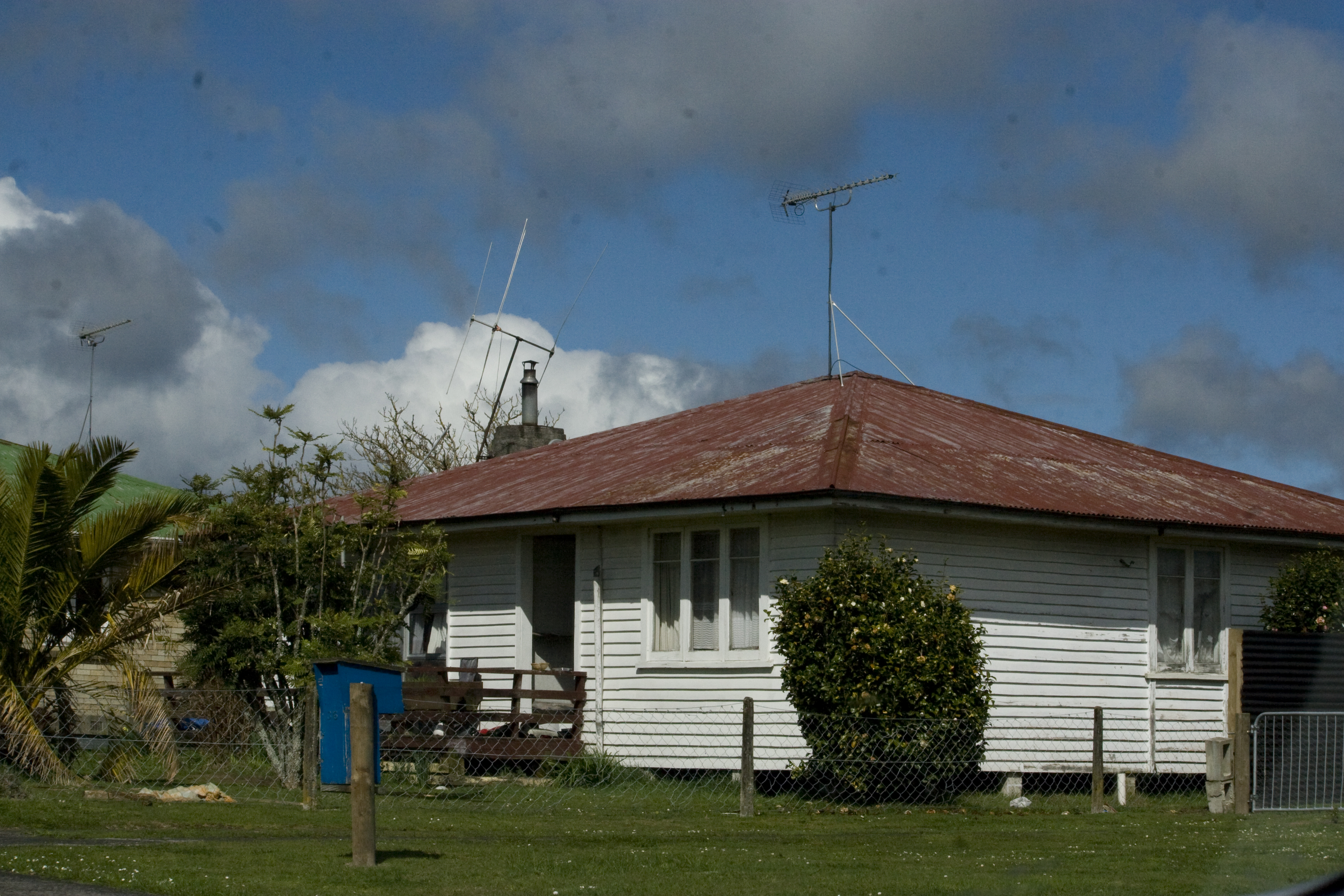
Pete liked living where they did because their house was on the fenceline of the school. In fact, it was only a few years ago that his parents moved out of there to a more rural setting.

The Crean house in Tokoroa

The Crean house in Tokoroa

Our girls loved visiting their grandparents little lifestyle block. There were pigs, dogs, chickens and lots of parrots. Pete’s dad loves birds. Even now at 83 he keeps birds in the back yard. One of our regrets is that he didn’t get to come to Africa and see the amazing wildlife here. He would’ve really liked that.

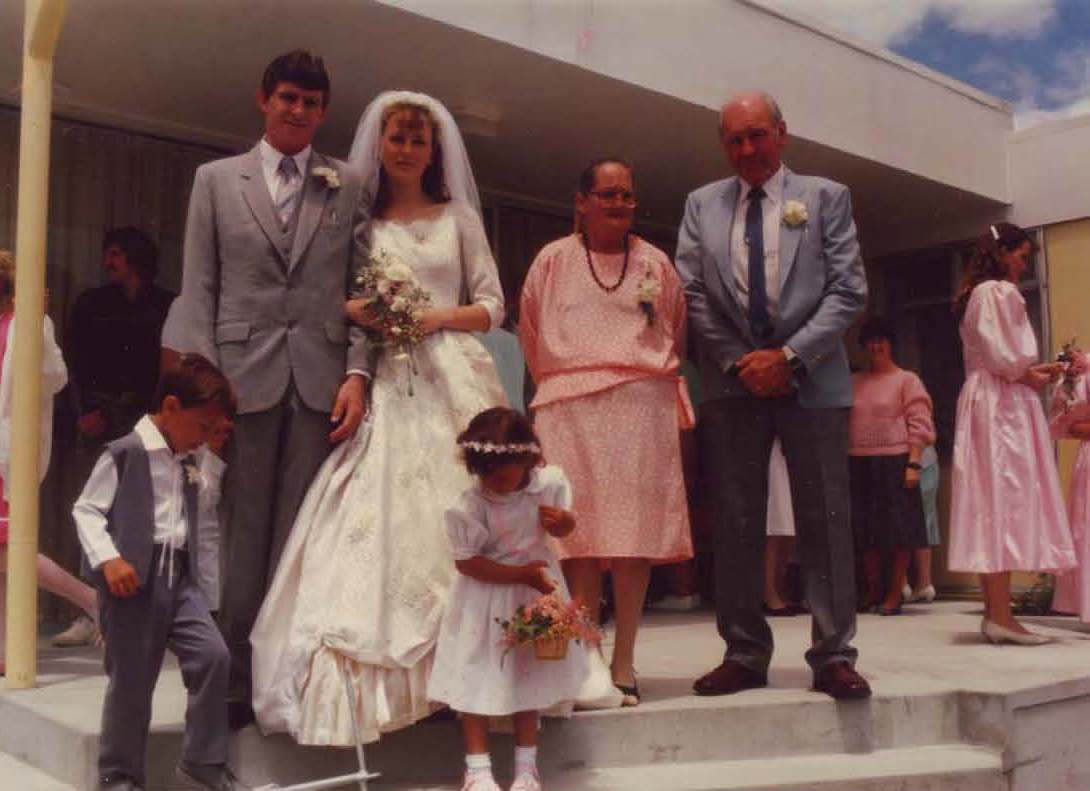
One thing I really respect about Pete is that he honours his dad. He doesn’t agree with everything he did or said but the fact that he took in so many and provided for them and calls them ‘all of his kids’ says a lot. On our wedding day, 26 years ago, Pete made sure during the speeches that his parents were given the due respect and thanks. Although it’s a blended family I’ve never heard anyone say ‘step brother’, ‘step sister’ or his dad say ‘they’re not MY kids’.

December 1987

December 1987

Some handy things Pete’s dad has taught him (purposely or not):

  • Work hard/play hard
  • Provide for your family even if you have to get 2 or 3 jobs
  • Always be hospitable (be ready with that cup of tea)
  • Every kid is special, they are not an accident
  • Treat animals well
  • It’s okay to argue with your spouse but work it out cause you still have to live with them
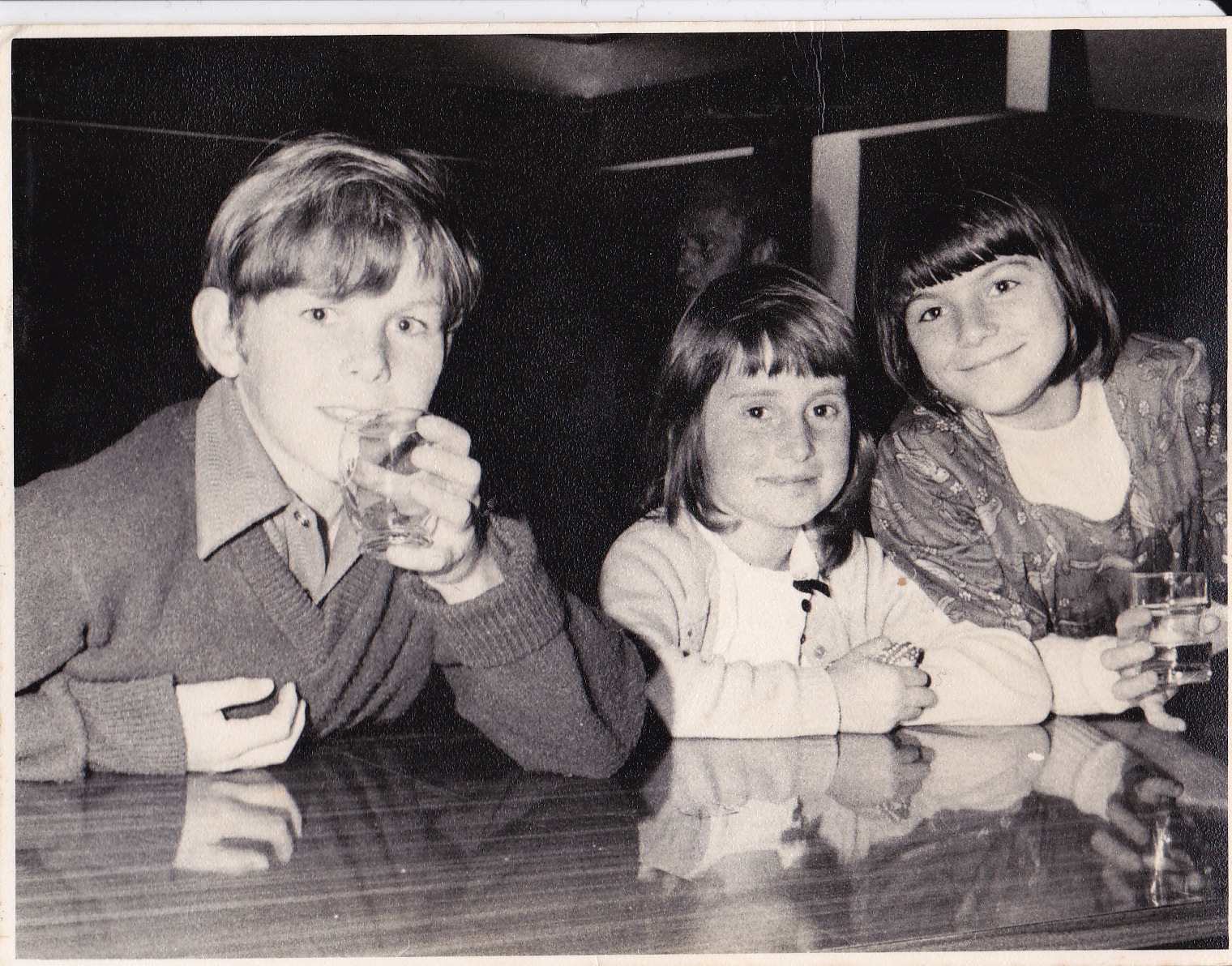
Pete and his sisters at the bar

Pete and his sisters at the bar

Whether you’ve had a good relationship with your dad or a real crappy one, take whatever lessons you can and use them in your own family. We choose the environment we have within our family, we don’t have to repeat how we were brought up if we want it to be different.

family

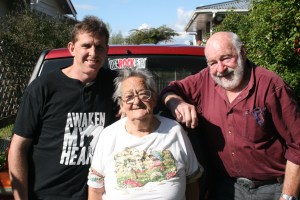
Pete with Mum and Dad

The word ‘Crean’ means ‘heart’. I would say that my husband has learned through his life experiences to have a heart for people. He is compassionate and kind, especially to those who are downtrodden and rejected by society. He chooses to honour his parents through his lifestyle.Dad’s heart might not have much longer to keep beating but he can be assured that the hearts, thoughts and prayers of his family will be with him now and always.


The Windsor

Okay, I admit I’m not into golfing at all. The last time I got close to a green was at a putt putt course in Sydney for Lizzies birthday. I remember when I was a kid getting paid 50 cents to be a caddy for my father and uncle as they played a round on the local golf course.

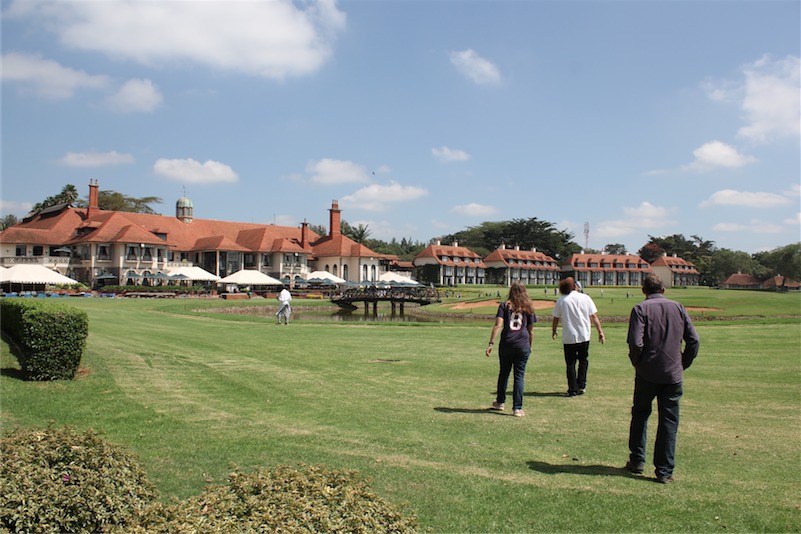
Image For the last couple of months we’ve had a boarder living with us. Anthony is from Germany but has a real American accent, he’s here in Nairobi researching for his Masters Program. Anthony told us about this place called The Windsor Golf Hotel & Country Club. We work most weekends but found one Saturday to go up there and have a look.

Image

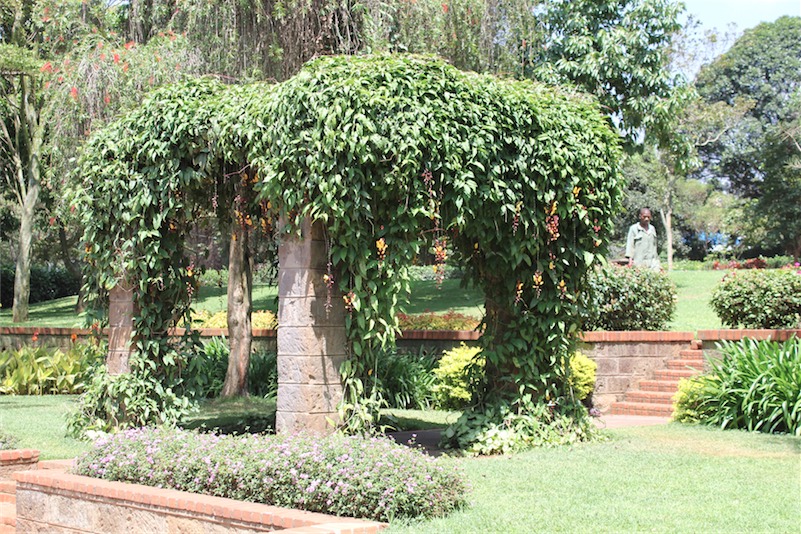
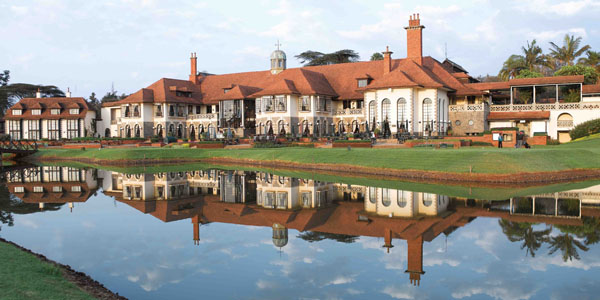
When you get there you can hardly believe that there is such a place like this in Nairobi. It’s clean, green and elegant looking.

Image

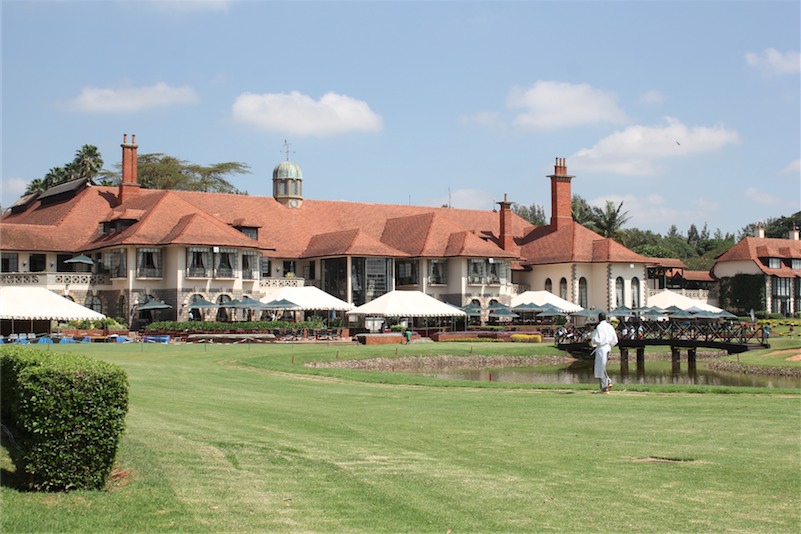
The buildings are all done in Victorian style even though the place was only established a few years ago. There’s stacks of activities to do there (we had a coffee) including golfing, bird watching, cycling, swimming and even petanque. I’ve been to a few clubs around here but this one definitely seems to be of the ‘old establishment’. In some clubs you are not allowed to use your mobile phone, other places it’s cashless and you use a swipe card, other places children aren’t allowed.

Image

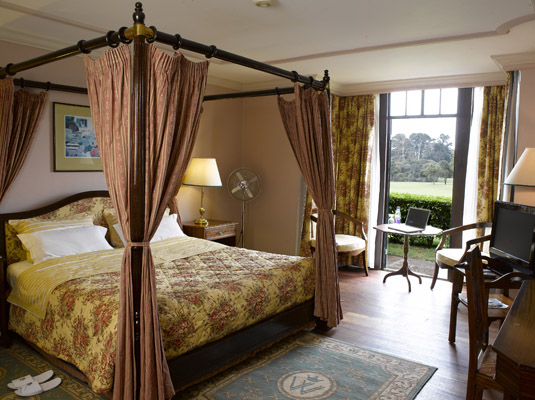
We didn’t get to go inside one of the rooms but they looked pretty good. There seem to be 4 posted beds, all done up in Victorian style. Wooden floors are the norm here so you’d want to have a pair of slipper available at this time of year when things are a bit cooler.

Image

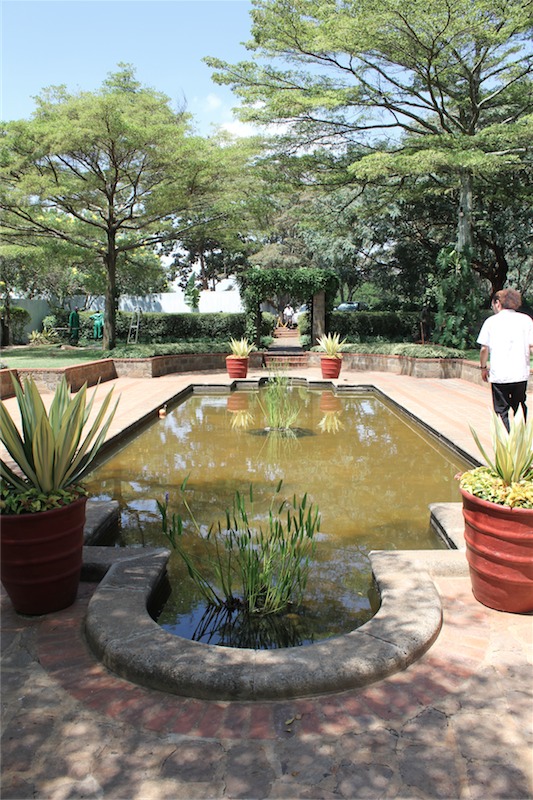
It’s a nice place for a wedding with some special gardens which would look great for a photoshoot. Apparently the most venue to hold a wedding is outside at the 10th tee which has the backdrop of the golf course and buildings. This alone costs you $2,000.

Image

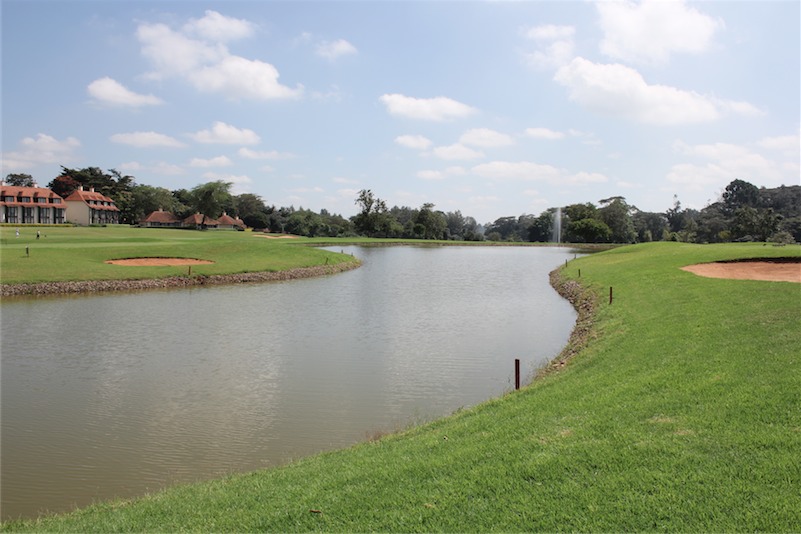
I do have to say that the service for the coffee was super slow. It wasn’t just for the coffee but getting the bill. Generally here in Nairobi you eat and then they bring you the bill in a wallet/folder. The waiter then comes up and gets it with either your credit card or cash. Tipping is not compulsory, only if you’re happy with the service and it’s up to you what you give. At least we had a great view of the golf course while waiting for what seemed forever.

Image

Even if you’re not into golfing the Windsor Country Club is worth the visit. They’ve got plenty of activities happening and it’s nice to get away from the madness of Nairobi without travelling too far.

Image

Check out their website for more info – http://www.windsorgolfresort.com/

Image

Daughter of a Missionary

To be honest, when mum asked me to write this blog post it was just after I had a huge blowout at her about how much I dislike (to say the least) the fact that they live on the other side of the world and had given up their lives to help those in need. People often look at missionaries and volunteer workers and say how wonderful it is that they have given up their lives to help those in need and that it’s such a heroic act. It seems that people don’t often think of the practical things like the sacrifice the rest of their family makes for this to happen. When mum and dad told me that they had decided to move to Kenya I thought that it was a “nice idea” for them to do something different. I had lived overseas before and knew that I would survive without them. But not long after they left for Kenya I felt like my right arm was chopped off. I think this was because I knew they weren’t coming back easily. After a few months of them being over in Kenya I was struggling a lot and decided to move back to New Zealand where all my extended family are.

all of us

Here are 5 things I have learned over the past year and a half:

  1. You’re allowed to miss them

I miss the daddy daughter coffee dates, the ability to live at home (DON’T UNDERESTIMATE THE AWESOMENESS OF BEING ABLE TO LIVE AT HOME! Seriously though, I miss it quite a lot and wish I hadn’t taken it for granted), the painful but great back and neck massages mum gives, the long walks on the beach talking about life with my parents, family outings, special moments with my sister (which were few and far between since we were always arguing), and the list goes on. At first I felt guilty that I missed them because they were doing “such an amazing thing” but then came to realise that it’s my right as their daughter to say I miss them.

  1. Most people don’t understand

No one tells you how empty life can be without family. No one tells you how hard it is to organise skype dates between different time zones. No one tells you how scary it is when you hear of bombings and disasters that are just around the corner from where you know your parents are. The matter of the fact is no one tells you because no one really knows until you’re in the same situation. I don’t actually know anyone else who is a missionary’s kid.

Dad's 3 girls. Not sure how he puts up with us!

  1. Your parents are irreplaceable

The other week I was thinking about the future. What is going to happen when I get married one day? Is my dad going to be able to afford to come to my wedding and walk me down the isle? (He has no option; he’s going to be there whether he likes it or not thank you very much!) When I have my first child is my mum going to be able to be there to hold my hand through the ordeal? How often will they be able to see their grandkids? I don’t want my kids to miss out on having their crazy Crean grandparents around. There is no one who can ever replace my parents in those moments.

  1. Make “other family”

Throughout my life when travelling I have learnt to make other people my “other family” when mine aren’t around. Since living in New Zealand I have somehow managed to find Luke, my prince charming. (Awww!) His family, the Rutlands, have become my family, not because its kind of what happens when you get in a relationship, but because I chose for them to be. His dad, Andrew, takes me for driving lessons, makes me laugh, and gives me great advice. His mum, Sharon, (it’s a weird coincidence that our mums have the same name…) takes me for coffee, gives me hugs and talks with me about life. His sisters, Amy and Hannah, (another weird name coincidence which gets very, VERY confusing) have become my other sisters whom I can laugh with, argue with and cause mischief with. And his gran is one of the coolest gran’s around! I couldn’t do life here without them. I can’t say thank you enough to them for being so supportive and loving me like their own.

Mum and I Skype each week and we message each other all the time.

  1. Accept the fact that there is no such thing as normal anymore

As a missionaries kid you have to learn to modify your thinking of the basic things. What do you do at Christmas time, Fathers Day, Mothers Day, your birthday? Who do you spend those days with? Everyone else has his or her families.

The 4 of us in the US. I left them to come back to Aussie. They went to Kenya.

I’ll tell you a secret: every other day I feel like calling my parents and telling them that I hate the fact that they chose to live in Kenya and that they should come back and live close to me. But I know deep down that this is what my parents are called to do. I know they wouldn’t be happy just living a “normal” life in Australia or New Zealand. And even though most of the time it sucks not having a normal family, I am really proud and glad that they are doing what they love.

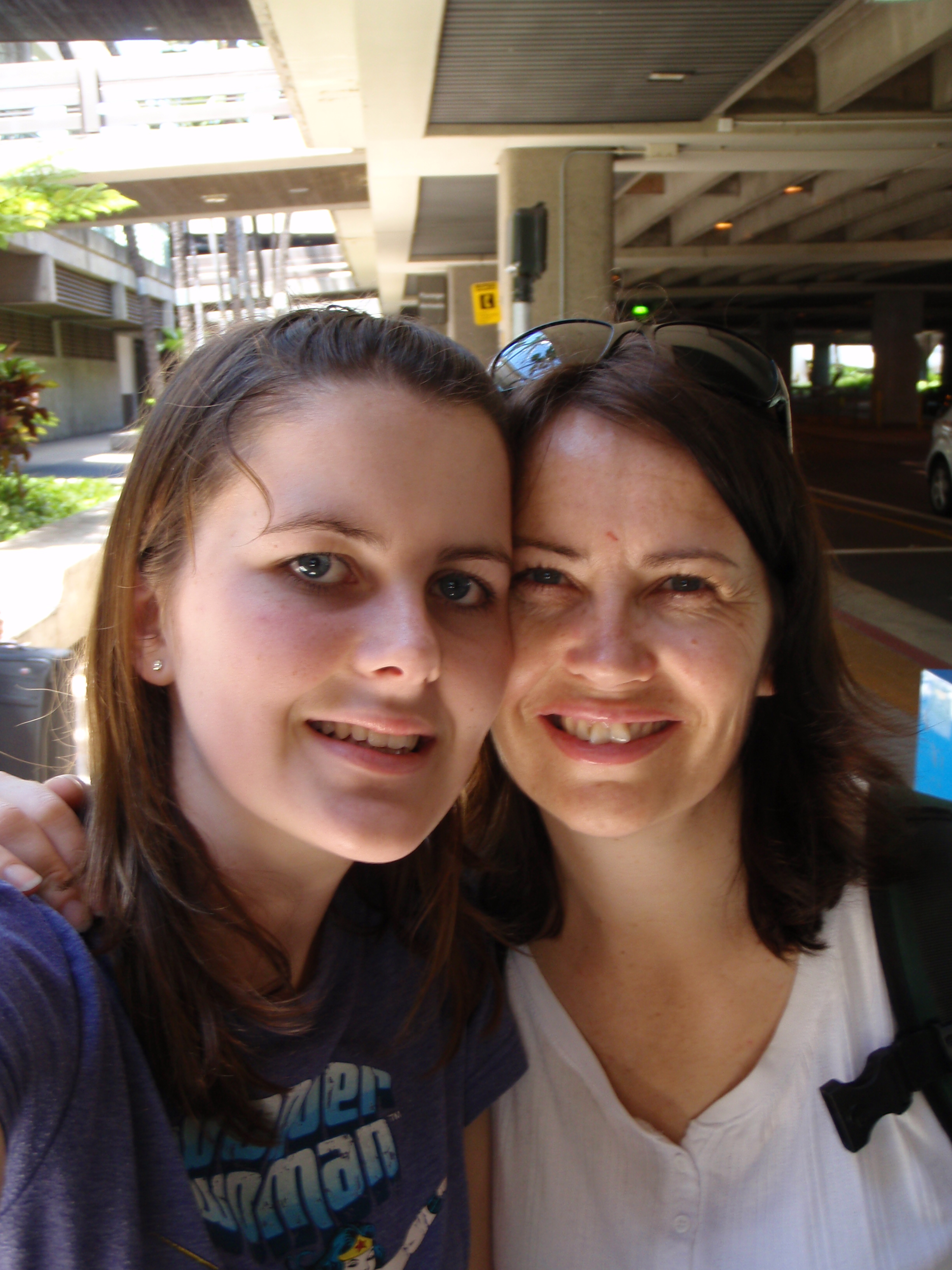
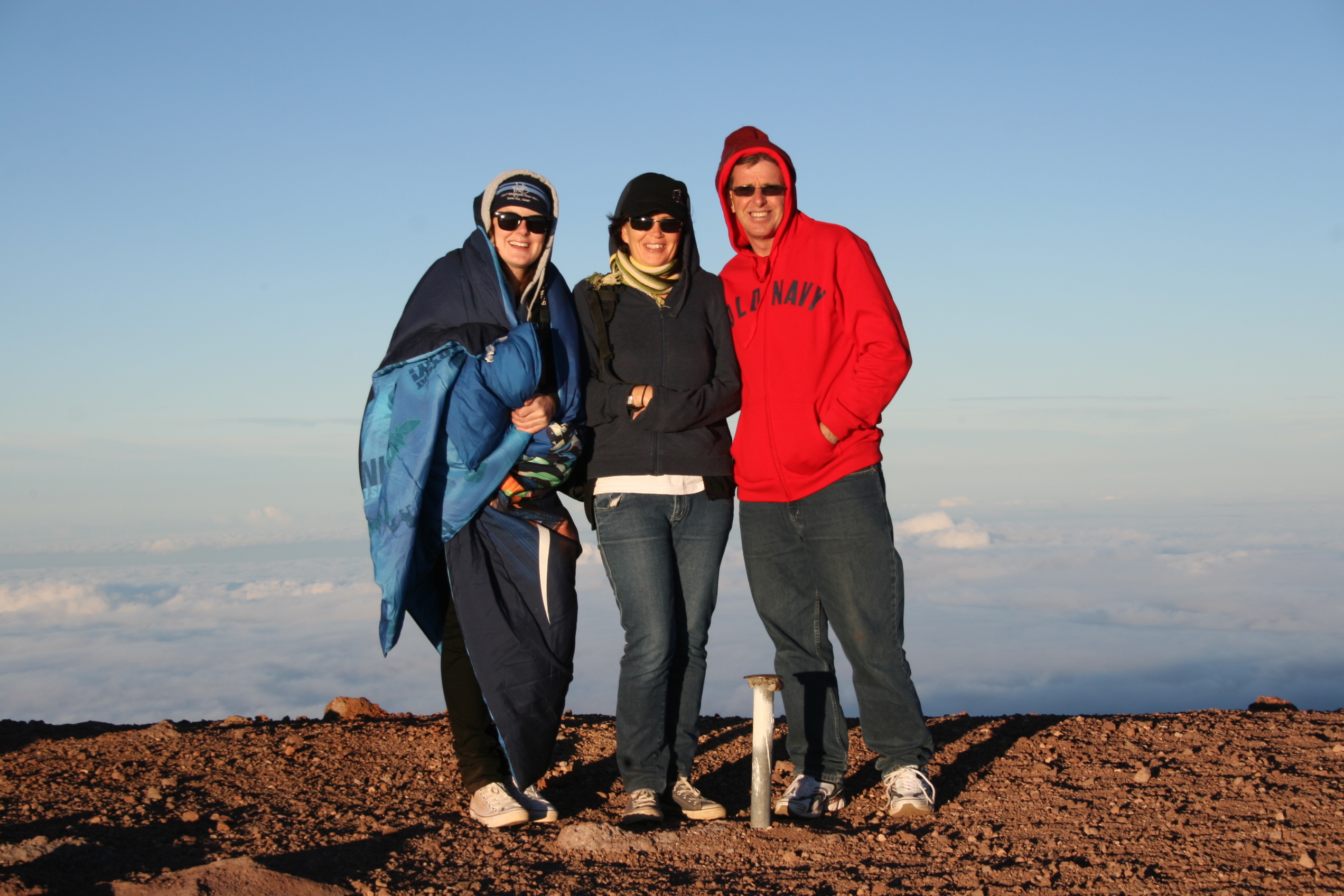
This is us on top of Mauna Kea in Hawaii before I went to school there.


Daughter of a Missionary

To be honest, when mum asked me to write this blog post it was just after I had a huge blowout at her about how much I dislike (to say the least) the fact that they live on the other side of the world and had given up their lives to help those in need. People often look at missionaries and volunteer workers and say how wonderful it is that they have given up their lives to help those in need and that it’s such a heroic act. It seems that people don’t often think of the practical things like the sacrifice the rest of their family makes for this to happen. When mum and dad told me that they had decided to move to Kenya I thought that it was a “nice idea” for them to do something different. I had lived overseas before and knew that I would survive without them. But not long after they left for Kenya I felt like my right arm was chopped off. I think this was because I knew they weren’t coming back easily. After a few months of them being over in Kenya I was struggling a lot and decided to move back to New Zealand where all my extended family are.

all of us

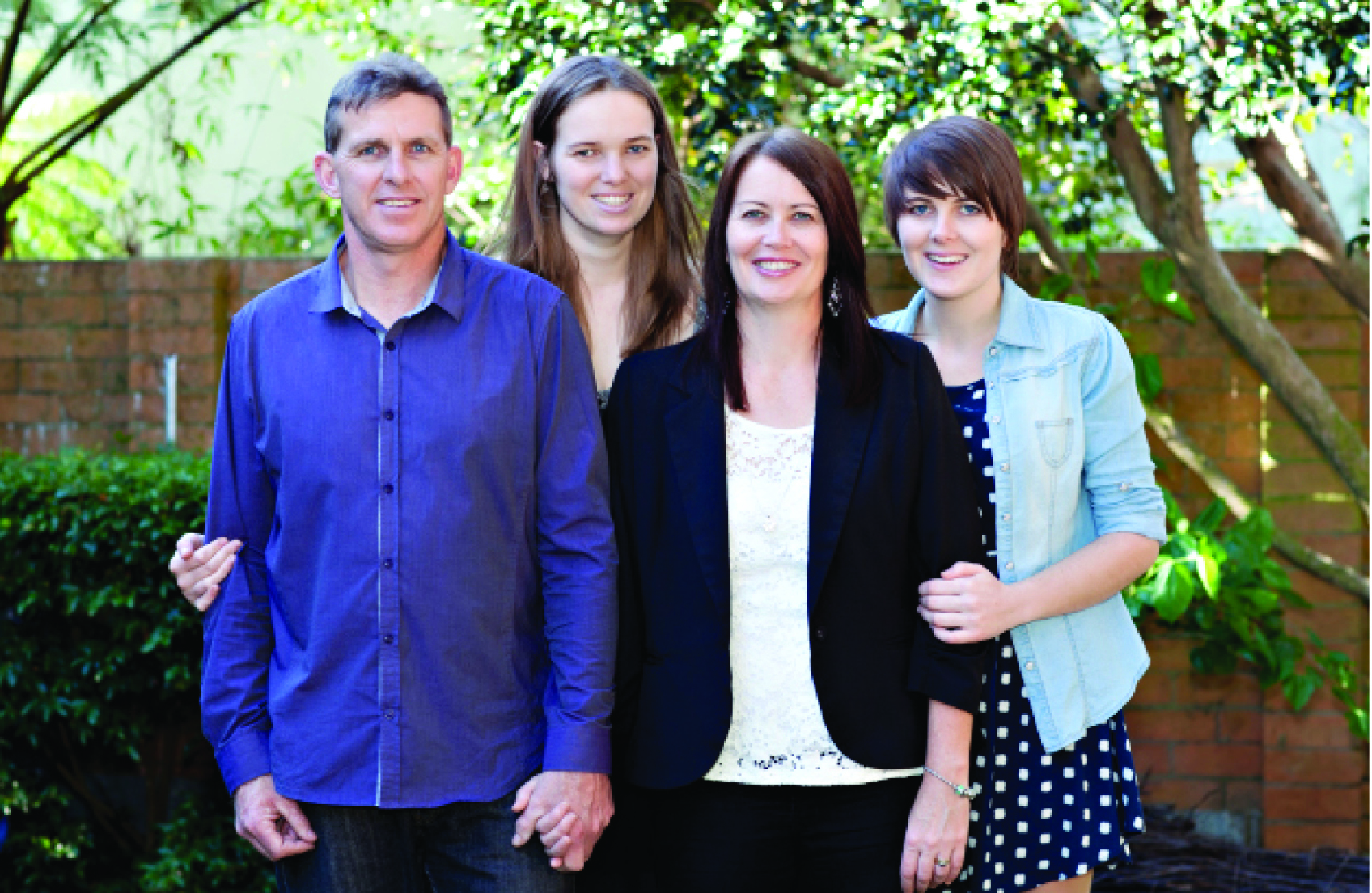
This was taken one week before my parents and sister left for Africa in 2012.

Here are 5 things I have learned over the past year and a half:

  1. You’re allowed to miss them

I miss the daddy daughter coffee dates, the ability to live at home (DON’T UNDERESTIMATE THE AWESOMENESS OF BEING ABLE TO LIVE AT HOME! Seriously though, I miss it quite a lot and wish I hadn’t taken it for granted), the painful but great back and neck massages mum gives, the long walks on the beach talking about life with my parents, family outings, special moments with my sister (which were few and far between since we were always arguing), and the list goes on. At first I felt guilty that I missed them because they were doing “such an amazing thing” but then came to realise that it’s my right as their daughter to say I miss them.

  1. Most people don’t understand

No one tells you how empty life can be without family. No one tells you how hard it is to organise skype dates between different time zones. No one tells you how scary it is when you hear of bombings and disasters that are just around the corner from where you know your parents are. The matter of the fact is no one tells you because no one really knows until you’re in the same situation. I don’t actually know anyone else who is a missionary’s kid.

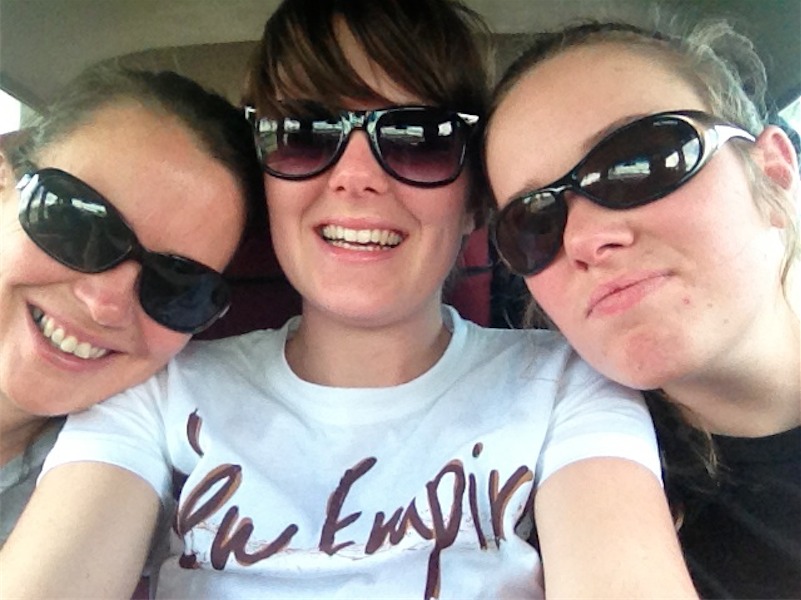
Dad's 3 girls. Not sure how he puts up with us!

Dad’s 3 girls. Not sure how he puts up with us!

  1. Your parents are irreplaceable

The other week I was thinking about the future. What is going to happen when I get married one day? Is my dad going to be able to afford to come to my wedding and walk me down the isle? (He has no option; he’s going to be there whether he likes it or not thank you very much!) When I have my first child is my mum going to be able to be there to hold my hand through the ordeal? How often will they be able to see their grandkids? I don’t want my kids to miss out on having their crazy Crean grandparents around. There is no one who can ever replace my parents in those moments.

  1. Make “other family”

Throughout my life when travelling I have learnt to make other people my “other family” when mine aren’t around. Since living in New Zealand I have somehow managed to find Luke, my prince charming. (Awww!) His family, the Rutlands, have become my family, not because its kind of what happens when you get in a relationship, but because I chose for them to be. His dad, Andrew, takes me for driving lessons, makes me laugh, and gives me great advice. His mum, Sharon, (it’s a weird coincidence that our mums have the same name…) takes me for coffee, gives me hugs and talks with me about life. His sisters, Amy and Hannah, (another weird name coincidence which gets very, VERY confusing) have become my other sisters whom I can laugh with, argue with and cause mischief with. And his gran is one of the coolest gran’s around! I couldn’t do life here without them. I can’t say thank you enough to them for being so supportive and loving me like their own.

Mum and I Skype each week and we message each other all the time.

Mum and I Skype each week and we message each other all the time.

  1. Accept the fact that there is no such thing as normal anymore

As a missionaries kid you have to learn to modify your thinking of the basic things. What do you do at Christmas time, Fathers Day, Mothers Day, your birthday? Who do you spend those days with? Everyone else has his or her families.

The 4 of us in the US. I left them to come back to Aussie. They went to Kenya.

The 4 of us in the US. I left them to come back to Aussie. They went to Kenya.

I’ll tell you a secret: every other day I feel like calling my parents and telling them that I hate the fact that they chose to live in Kenya and that they should come back and live close to me. But I know deep down that this is what my parents are called to do. I know they wouldn’t be happy just living a “normal” life in Australia or New Zealand. And even though most of the time it sucks not having a normal family, I am really proud and glad that they are doing what they love.

This is us on top of Mauna Kea in Hawaii before I went to school there.

This is us on top of Mauna Kea in Hawaii before I went to school there.


Lizo Crean

We have the best two kids in the world – every parent should think their kids are the best by the way. But truly, they are very cool.

Image

Liz at 8 days old with her dad.

 I’ve decided to write about Liz because so many people ask about her and her ‘story’. Most say they notice something a little different about her but can’t put their finger on it. So here goes.

Image

It took her a long time to get used to Santa.

Liz was born at 2.10am on December 31st, 1989. It was a normal pregnancy, a long birth, but you know the first labour, as soon as you get a bit of pain you think it’s all started. She was a bit of a floppy baby at first but fed REALLY well.

Things progressed normally for a few years but there were some differences. Things like she packed the biggest tantrums if she couldn’t go with her dad. She didn’t like going to sleep. Her speech was slow in developing. She didn’t interact with kids the same age. Liz crawled at 12 months and walked at 13.

Image

Taken at around 19 months of age when we first lived in Australia.

Liz has always had the cutest smile and her personality has taken her a long way. She’s always been an outdoor girl. Forget playing with dolls and having pretend tea parties. Get her to ride with her dad on the farm bike and that was another thing.

When Liz was 3 we went to India for 3 weeks. Both the girls got the chickenpox and I remember my sister Angela nearly throwing them at me when we returned (she was a champ). After this, our pastor sat with us and suggested that we take Liz to the doctors as she wasn’t advancing as fast as her peers. I’d suspected for a while that something wasn’t right but for Pete there was no way that HIS daughter had anything wrong with her.

Eventually we took her to our GP who got her into some tests and then a speech therapist. Jeanette was the best thing since sliced bread. Until we left Tokoroa Liz would meet up with her each week. I still have all of Lizzies speech language books. I still remember all the specialists visits, the blood tests, the million and one questions about pregnancy, birth and milestones. Liz knew every test by heart because she had them year after year.

Image

Sleeptime was never Lizzies favourite time of night – still isn’t.

It wasn’t until years later that we were told that Liz had a syndrome called ‘Global Delayed Development’ and that she was mildly intellectually disabled. Basically she was 6 – 8 years behind what she should’ve been. We were devastated and went back to Jeanette with THE piece of paper. Her reply – “I knew it but didn’t want you putting her or yourselves in a box. Liz will be able to do what Liz can do”. Sure, she had therapy to try and do buttons up, Riding for the Disabled, visits to a child psychologist for her anxiety issues. There were some really tough times – on all of us.

There were times of going one step forward and two steps back. There was the time in her teenage years when you could see her getting depressed and it looked like a little bit of her (inside) was dying each day. There was her younger sister who had everything she didn’t, and Liz became aware of it. There were the struggles of her trying to do mainstream subjects and finding it really difficult. There were the heartaches of her going to youth group and coming home upset because not one person who talked to her.

And then there were the victories. When she was 17 Liz learned to tie up her shoelaces. She finished high school (neither Pete nor I had). She got to be the youngest deacon ever in church. Liz got into photography and helped out with that. There are some phenomenal older people who’ve become Lizzies honorary grandparents and she loves them to bits. The times she has got employed were great and now she volunteers 5 days a week at a preschool in Nairobi.

Image

Liz with her mate Pastor Don McDonell.

Who would’ve thought that this kid who hated to be touched, was scared of the ocean and couldn’t put 2 words together when she was 3 ½ could’ve turned out to such an incredible young adult. When Liz was little all I wanted her to do was to hold my hand, but her skin got negative impulses from touch and it had to be trained. When she was about 18 she started holding my hand in public, and it was a bit embarrassing until I thought to myself ‘I’ve waited all these years for it and I’m going to enjoy it’. I’m not sure how she overcame her fright of the ocean but now you can’t get her out of it.

I remember the first time Liz said ‘I love you’. I was hanging out the laundry in Tokoroa and Liz was playing outside. That’s a trillion dollar memory.

So what does the future hold for Liz? Who the heck knows – well actually God does and I’m pretty comfortable with that. She’s been receiving the disability pension for the last couple of years while we were in Australia. Because we moved from New Zealand to Aussie she had to wait 10 years for it. Then we moved to Kenya. For the past 18 months she has had to travel back to Aussie every 13 weeks to keep that pension. Most of it goes on travel and she’s had a blast doing it.

The new regulation is that she has to travel back every 6 weeks. It’s insane, but there are not exceptions to the rule, even if you are helping vulnerable kids in a developing country. We are now in the final stages of the next step. It involves her getting assessed by a GP to see if she is at a stage of never being employed (sweeping a broom could be a job). Next, she is interviewed by a Centrelink rep. Then, we wait 6 months for their decision. Either her pension will be stopped or they will allow her to keep getting it without her returning every 6 weeks.

Image

Liz and her Uncle Dave. Taken in 2014.

We’re hoping for the latter but preparing for the former. Having Liz go back every 6 weeks is a real killer. Trying to find flights that she can pay for is tough. Finding places for Liz to stay is getting tougher. We’ve had some really generous people who’ve had Liz over but you can’t keep using them. Then, what is she to do each day? It’s like living in 2 worlds. While she is away it’s not the real world – people never get ticked off with you, you don’t have any responsibilities, people spoil you. Then it takes a good month to settle into life back here and then you do it all over again.

We are so grateful that Liz is an easy going person. She still has lots of challenges (low reading level, not good at handling money and not always the greatest at reading social cues) but they may be lifelong things. Liz needs a good amount of support for daily living, but she is doing okay for now.

And now is all that matters.

2 Months On The Road

So here we are at the end of 7 weeks travelling through various countries (UAE, India, Singapore, Australia & NZ). We’ve spent a lot of time talking, talking and more talking. This has included primary and secondary schools, Rotary Clubs, business meetings, churches and university students. In between we’ve done lots of coffee meetings doing catchup with supporters and friends.

3 creanies

So here’s some advice for those thinking of doing the long trip idea:


1. Lock in time out

I’ve made the mistake of not doing this. The idea was to get along to the doctors for a checkup and places like the skin cancer centre. It just didn’t happen and it simply was my fault. In the end I even had to cancel other meetings because of a lack of time.


2. Plan for travel time

I didn’t put enough time in to get from A to B, especially in New Zealand. Because we hadn’t lived there for over 12 years I’d forgotten how tricky it is to get around it fast within a strict budget. I should’ve put in an extra day for travel without appointments on that day.


3. Book in a hotel sometimes

We were really blessed to be able to stay for free at peoples homes. It meant staying on mattresses, pull out couches, spare beds and bed sharing most of the time. I never realised how much my daughter snored until this trip. A real highlight was booking a couple of nights in a Melbourne hotel. Sure, I got it super cheap (why pay full price for anything) but just having that was very special. I highly suggest that every now and then when you ‘re on the road long term to do the same. I know it sounds weird but being able to go to the toilet without having to rush or someone else banging on the door is a wonderful thing.


4. Take time out for friends

Speaking to large groups is great you get the advantage of the masses. However there’s nothing like one on one coffee with friends. Not only do you not have to keep telling your story over and over again, but you get to just be yourself. Sitting down to have a laugh and a coffee while reconnecting is worth the world. I don’t think I’ve eaten and had so many drinks (don’t worry I don’t drink alcohol) for a very long time. To me my relationship with people is even more important than the work I do.


5. Pack lightly

I’m kind of impressed with myself for how little clothing we brought with us. ¾ of our baggage was actually filled with merchandise that we would be selling. The only things I didn’t wear were my swimmers and running shoes. Shoes because I didn’t even have time to get out in the fresh air for some exercise. You’ll find we all pack too many clothes when travelling. I foolishly thought that it would be warm where we were going. In Christchurch it dropped below 9 degrees and I froze to death. Hence, always take a jacket.


6. Rethink the 8 week idea

We got to about 5 weeks and thought ‘it’s time to go home’. I remember when we were travelling for 8 weeks in Africa as a family and we got to about 6 weeks and thought the same. Continually travelling is exhausting work. If you can break it up with a week off I think that would be better. However, for me, I was going to be away from my husband for 7 weeks and that was way too long so I wasn’t going to make that happen. However, thanks to a Kiwi friend we have a week together in Dubai at the end of the trip.


7. Take a trip buddy with you

I had our daughter Liz travelling with me for the entire time. It was a great idea for both of us. I got to see what it was like for her travelling 50 hours just to get to Australia. We got things down to a tee. Liz would set up the audio visual equipment, I would do the talk and she would pack down. Liz only missed one meeting because a colleague from BeyondWater came to a Rotary meeting instead. Liz was stellar and I couldn’t have done this trip without her. I would’ve got really lonely without her and often we talked on how we could improve on our trip. Liz would often keep me in line and remind me about what needed to get done. I highly suggest having a travel buddy. You need someone to not only laugh with but also someone to cheer up. Having a travel buddy is a must.


Snippets to remember:

–        Zip lock bags (avoid toothpaste throughout your bag)

–        Pack a pen with your passport

–        Put your passport and phone in the same place every time

–        Get money transferred into US dollars on this side of the world (best rate)

–        Don’t be afraid to ask people for help

Neways, Maccas and Corruption

I’ve spent the last 6 weeks travelling through New Zealand and Australia talking with both younger and older people about Africa and the work we do there. It’s been quite a transition in getting used to the convenience of life here and trying not to speak in Swahili and then the biggest shock of how expensive food is.

There’s a few things that we don’t get in Kenya where we are based.

Neways. These are a great range of products that have ingredients that don’t harm us. You’d be surprised what chemicals are in our hair, skin and household products. When we lived in Australia we converted as much as possible to Neways products and really saw the difference. 18 months later we still have some shaving gel left, but everything else has been used up. It’s a real bummer that we can’t get Neways in Kenya but that’s not all we can’t get.

neways McDonalds. Yep, while there’s KFC there is no sight of Maccas. Kenyans love chicken and chips, but there are also some burger bars around the place. KFC is extremely expensive and because I’m a coeliac, can’t eat it anyway. KFC is so popular that sometimes you have to wait 30 minutes for your order.

maccas There’s a big difference on why both Neways and Maccas aren’t in Kenya and it’s very simple – corruption. For any international company to get established in a country across East Africa, there would have to be a lot (and I mean a lot) of ‘incentive dollars’ or ‘lunch money’ handed over. I’m not saying KFC or any other business is corrupt, but I do know for a fact that both Neways and McDonalds could if they wanted to, buy their way into East Africa.

Corruption has strangled the advancement of developing countries. In 1963 Kenya and Singapore were both on the same economic level. I know that there are several reasons why Kenya is in it’s current economic state but everyone knows that corruption has eaten away at the quality of life there. It goes through every level in our communities and it is a horrible thing. It is common practise to be pulled up by police for lunch money, or be given a different price because we are white. While we will do pretty much anything to not be thrown into a Kenyan jail there is always the fight to do what is right.

The pastoral team at our church have made a stand not to give in to corruption even if they have to go to jail. Now, if we can get the other 43 million in our country to do the same maybe we might just be able to turn things around.

So, what do you do actually do for a job?

Here we (Shaz and Liz) are in the last week of a month speaking tour in New Zealand (NZ) before we head to Aussie to do the same. We’ve been in schools, unis, Rotary Clubs and had lots and lots of coffee catchups with people.

In this month alone we’ve slept in 12 different beds.

Besides the question of corruption the other question I mainly get asked is “So, what do you actually do for a job?” So here’s what we actually do, although every day is different.


Sharon

I try to be in the office by 8.45am but it depends on traffic. Sometimes it takes 5 minutes, other days 30. Basically in the mornings I volunteer with an organisation called Afri-Lift which works with children and youth for very poor backgrounds. On Mondays I’m in meetings until 2pm, Tuesdays I write grants for fundraising, Wednesday’s prepare for a 6 hour teaching day, Thursday teach, Friday do marketing.


The afternoons/evenings are taken up with work for BeyondWater (the Aussie charity we started in 2007), writing LOTS of emails, blogging, social network updates, looking at projects and every now and then taking Pete out for a coffee. I work till about 9pm most nights with my other spouse – the laptop.

IMG_7193

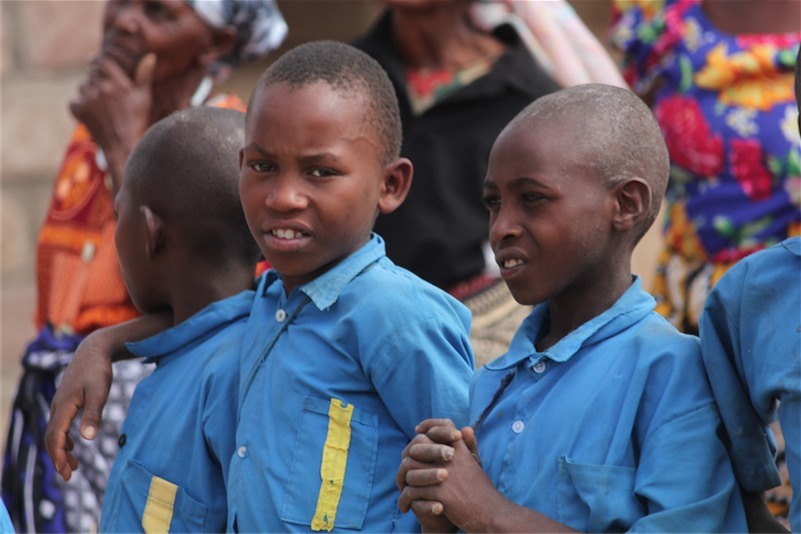
Some of the great kids we get to work with.

Three out of four weekends we also have programs on. One Saturday we train youth leaders, another we have a tuition program in the Kibera Slum and the third Sunday of the month we assist with the Riziki Childrens Program. That leaves us one extra Sunday to meet up with some young couples we are mentoring.


In addition we host lots of international visitors, sometimes go to the Kibera Slum with food packages or randomly do things like have the odd day off.


Pete

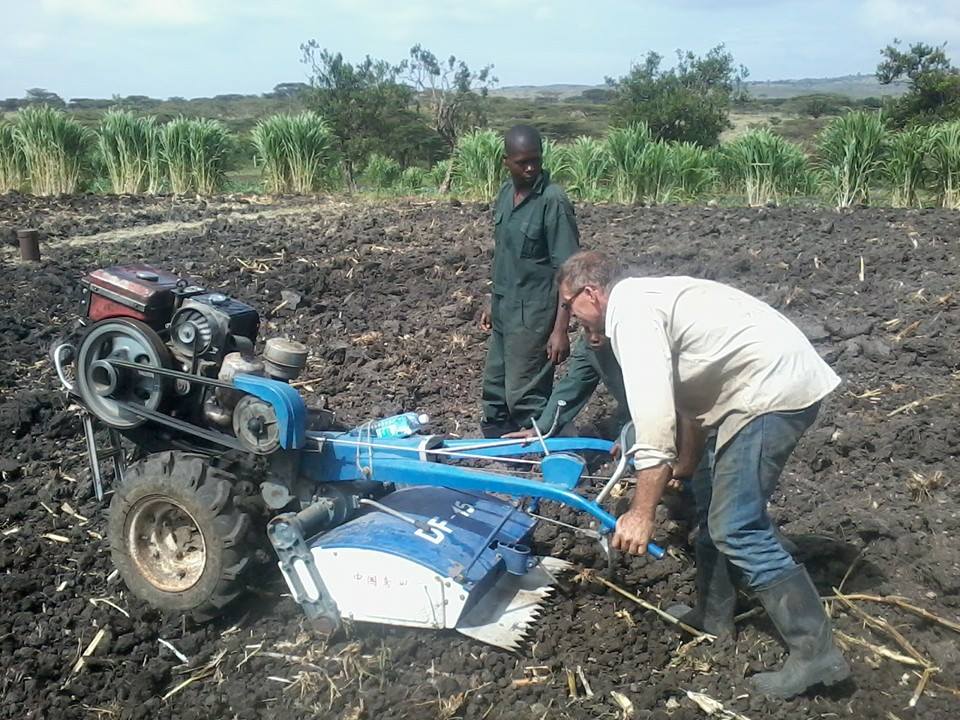
My days are certainly never dull and boring. Like Sharon, on Mondays we have a staff meeting for a couple of hours but every day/week is different. Sometimes you’ll find me tiling a kitchen, fixing a tractor, buying a truckload full of seeds to transporting tomatoes. You will also see me working with teenage boys training them on the ‘how tos’ of farming. This might mean pulling apart something that doesn’t work and showing them how to fix it. A lot tends to break down and it’s giving the locals the skills so next time they can fix it themselves. When I say things are varied, it’s a slight understatement. One morning I might be trying to find a market for the produce that the trainees grow and then that afternoon helping to install a water tank.

pete

Pete showing one of the boys how to use machinery.

I try and spend 2 – 3 days out at the farm which is about an hours drive. But I also need to be in town to work out all the other stuff. I’m not confined to an office or computer but every couple of days you can’t get away from paperwork. I work with a small team of people who have different roles but one thing I’ve learnt is that you can never over communicate.

Here in Kenya things are complicated and take much longer than say in Australia. You can’t go to one hardware store and get everything you want. Just because they say something is definitely in stock doesn’t mean it’s actually there.

This year I’m trying to take a couple of afternoons off a week. So far I’ve failed miserably.

Every couple of months we get personally involved with our water projects. That might mean driving a few hours to meet up with the community to make sure they’re on track.

That in a nutshell is our life, but it’s much more interesting in reality than in print. We meet amazing people, every day is a challenge and there is lots of work yet to be done.


Why not join us by:

  1. Giving (ask me how)
  2. Joining us (long or short tem)
  3. Find out more (shoot me an email – thewildcreanberries@gmail.com)