The Windsor

Okay, I admit I’m not into golfing at all. The last time I got close to a green was at a putt putt course in Sydney for Lizzies birthday. I remember when I was a kid getting paid 50 cents to be a caddy for my father and uncle as they played a round on the local golf course.

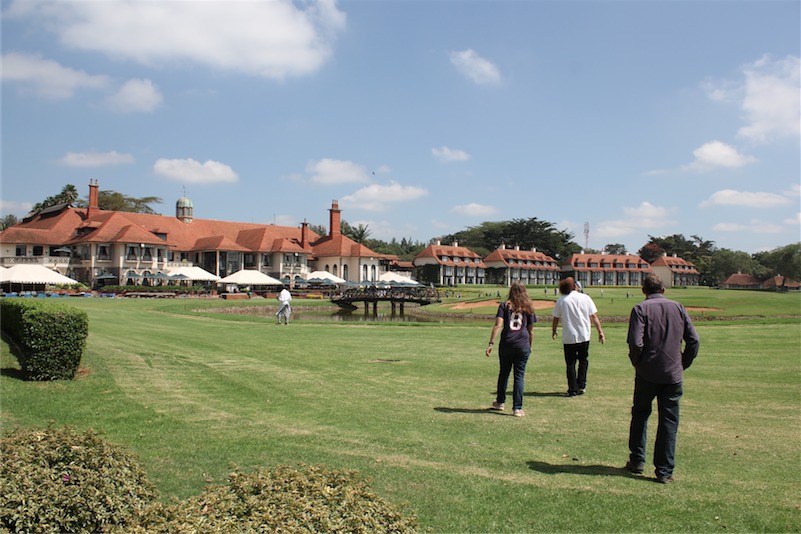
Image For the last couple of months we’ve had a boarder living with us. Anthony is from Germany but has a real American accent, he’s here in Nairobi researching for his Masters Program. Anthony told us about this place called The Windsor Golf Hotel & Country Club. We work most weekends but found one Saturday to go up there and have a look.

Image

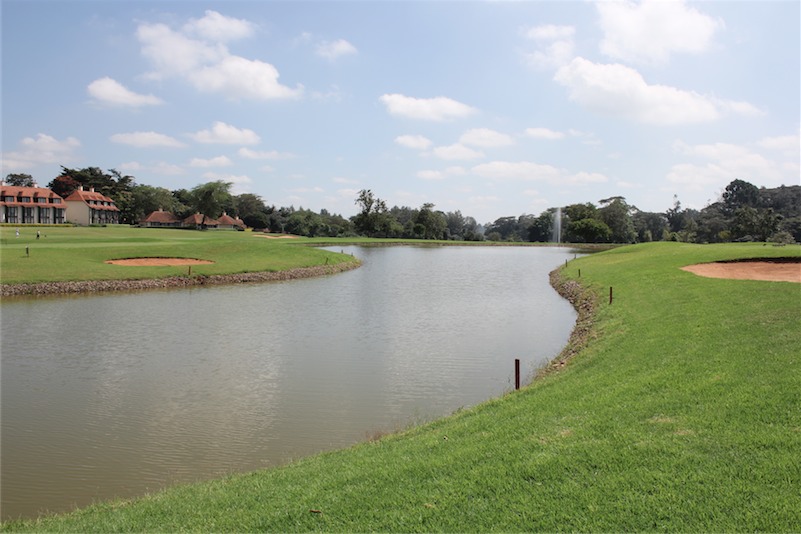
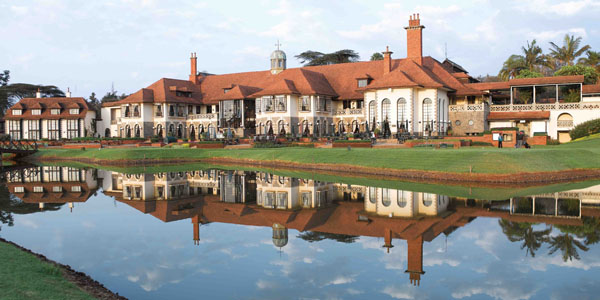
When you get there you can hardly believe that there is such a place like this in Nairobi. It’s clean, green and elegant looking.

Image

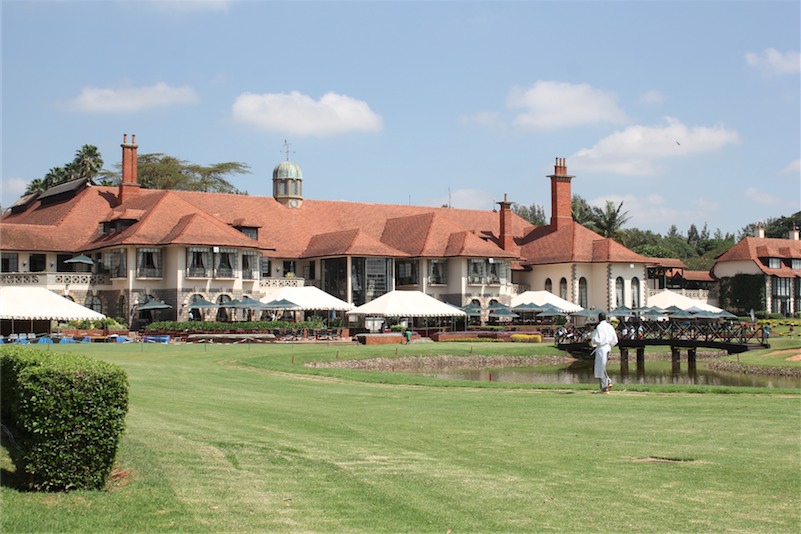
The buildings are all done in Victorian style even though the place was only established a few years ago. There’s stacks of activities to do there (we had a coffee) including golfing, bird watching, cycling, swimming and even petanque. I’ve been to a few clubs around here but this one definitely seems to be of the ‘old establishment’. In some clubs you are not allowed to use your mobile phone, other places it’s cashless and you use a swipe card, other places children aren’t allowed.

Image

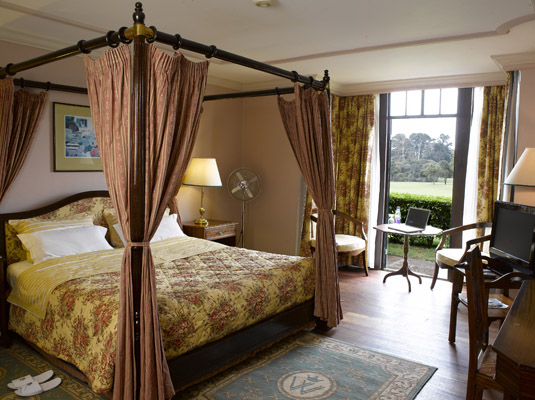
We didn’t get to go inside one of the rooms but they looked pretty good. There seem to be 4 posted beds, all done up in Victorian style. Wooden floors are the norm here so you’d want to have a pair of slipper available at this time of year when things are a bit cooler.

Image

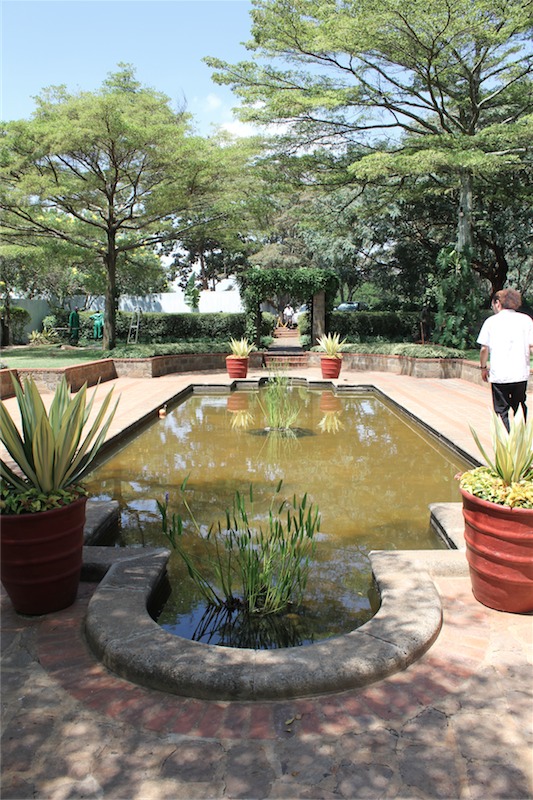
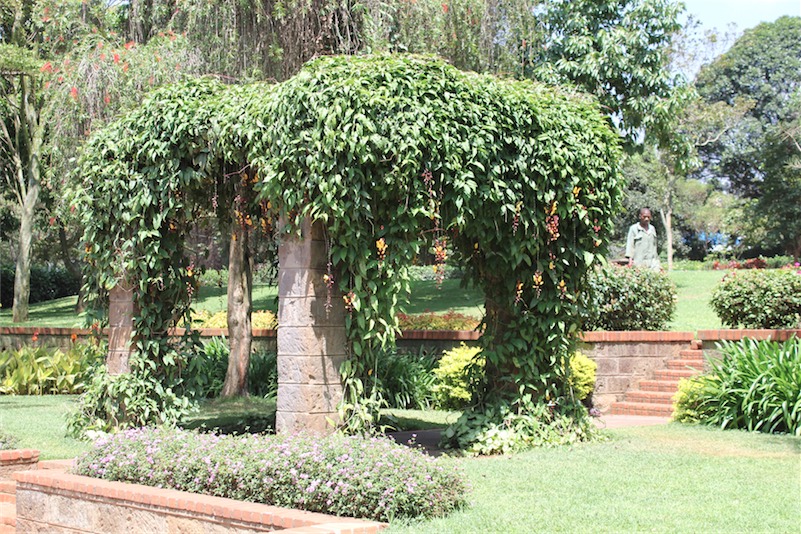
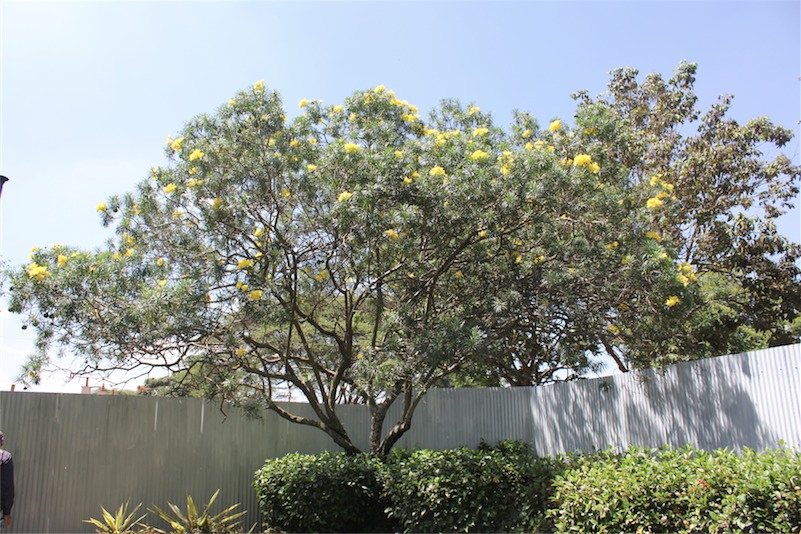
It’s a nice place for a wedding with some special gardens which would look great for a photoshoot. Apparently the most venue to hold a wedding is outside at the 10th tee which has the backdrop of the golf course and buildings. This alone costs you $2,000.

Image

I do have to say that the service for the coffee was super slow. It wasn’t just for the coffee but getting the bill. Generally here in Nairobi you eat and then they bring you the bill in a wallet/folder. The waiter then comes up and gets it with either your credit card or cash. Tipping is not compulsory, only if you’re happy with the service and it’s up to you what you give. At least we had a great view of the golf course while waiting for what seemed forever.

Image

Even if you’re not into golfing the Windsor Country Club is worth the visit. They’ve got plenty of activities happening and it’s nice to get away from the madness of Nairobi without travelling too far.

Image

Check out their website for more info – http://www.windsorgolfresort.com/

Image

Daughter of a Missionary

To be honest, when mum asked me to write this blog post it was just after I had a huge blowout at her about how much I dislike (to say the least) the fact that they live on the other side of the world and had given up their lives to help those in need. People often look at missionaries and volunteer workers and say how wonderful it is that they have given up their lives to help those in need and that it’s such a heroic act. It seems that people don’t often think of the practical things like the sacrifice the rest of their family makes for this to happen. When mum and dad told me that they had decided to move to Kenya I thought that it was a “nice idea” for them to do something different. I had lived overseas before and knew that I would survive without them. But not long after they left for Kenya I felt like my right arm was chopped off. I think this was because I knew they weren’t coming back easily. After a few months of them being over in Kenya I was struggling a lot and decided to move back to New Zealand where all my extended family are.

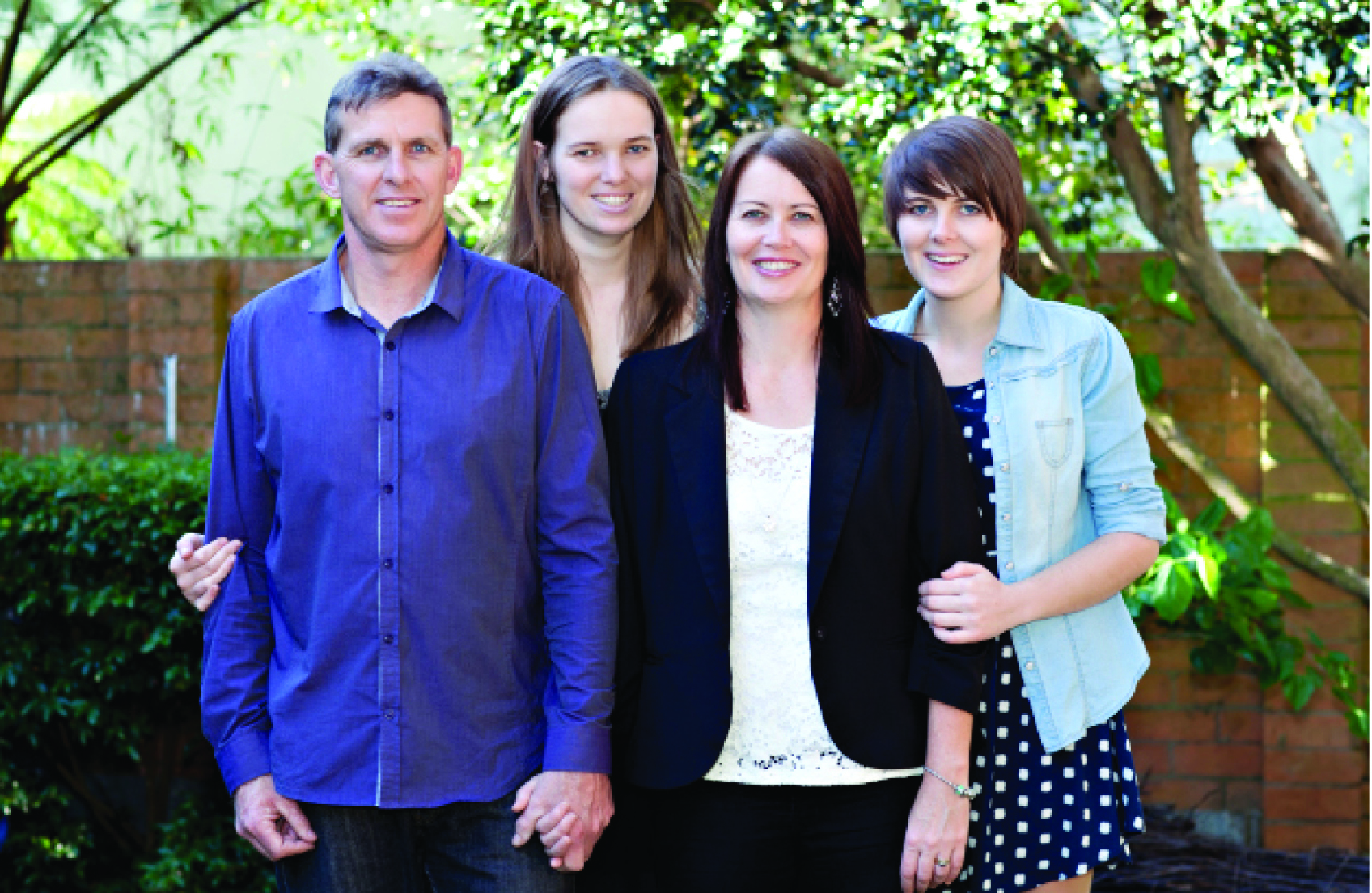
all of us

Here are 5 things I have learned over the past year and a half:

  1. You’re allowed to miss them

I miss the daddy daughter coffee dates, the ability to live at home (DON’T UNDERESTIMATE THE AWESOMENESS OF BEING ABLE TO LIVE AT HOME! Seriously though, I miss it quite a lot and wish I hadn’t taken it for granted), the painful but great back and neck massages mum gives, the long walks on the beach talking about life with my parents, family outings, special moments with my sister (which were few and far between since we were always arguing), and the list goes on. At first I felt guilty that I missed them because they were doing “such an amazing thing” but then came to realise that it’s my right as their daughter to say I miss them.

  1. Most people don’t understand

No one tells you how empty life can be without family. No one tells you how hard it is to organise skype dates between different time zones. No one tells you how scary it is when you hear of bombings and disasters that are just around the corner from where you know your parents are. The matter of the fact is no one tells you because no one really knows until you’re in the same situation. I don’t actually know anyone else who is a missionary’s kid.

Dad's 3 girls. Not sure how he puts up with us!

  1. Your parents are irreplaceable

The other week I was thinking about the future. What is going to happen when I get married one day? Is my dad going to be able to afford to come to my wedding and walk me down the isle? (He has no option; he’s going to be there whether he likes it or not thank you very much!) When I have my first child is my mum going to be able to be there to hold my hand through the ordeal? How often will they be able to see their grandkids? I don’t want my kids to miss out on having their crazy Crean grandparents around. There is no one who can ever replace my parents in those moments.

  1. Make “other family”

Throughout my life when travelling I have learnt to make other people my “other family” when mine aren’t around. Since living in New Zealand I have somehow managed to find Luke, my prince charming. (Awww!) His family, the Rutlands, have become my family, not because its kind of what happens when you get in a relationship, but because I chose for them to be. His dad, Andrew, takes me for driving lessons, makes me laugh, and gives me great advice. His mum, Sharon, (it’s a weird coincidence that our mums have the same name…) takes me for coffee, gives me hugs and talks with me about life. His sisters, Amy and Hannah, (another weird name coincidence which gets very, VERY confusing) have become my other sisters whom I can laugh with, argue with and cause mischief with. And his gran is one of the coolest gran’s around! I couldn’t do life here without them. I can’t say thank you enough to them for being so supportive and loving me like their own.

Mum and I Skype each week and we message each other all the time.

  1. Accept the fact that there is no such thing as normal anymore

As a missionaries kid you have to learn to modify your thinking of the basic things. What do you do at Christmas time, Fathers Day, Mothers Day, your birthday? Who do you spend those days with? Everyone else has his or her families.

The 4 of us in the US. I left them to come back to Aussie. They went to Kenya.

I’ll tell you a secret: every other day I feel like calling my parents and telling them that I hate the fact that they chose to live in Kenya and that they should come back and live close to me. But I know deep down that this is what my parents are called to do. I know they wouldn’t be happy just living a “normal” life in Australia or New Zealand. And even though most of the time it sucks not having a normal family, I am really proud and glad that they are doing what they love.

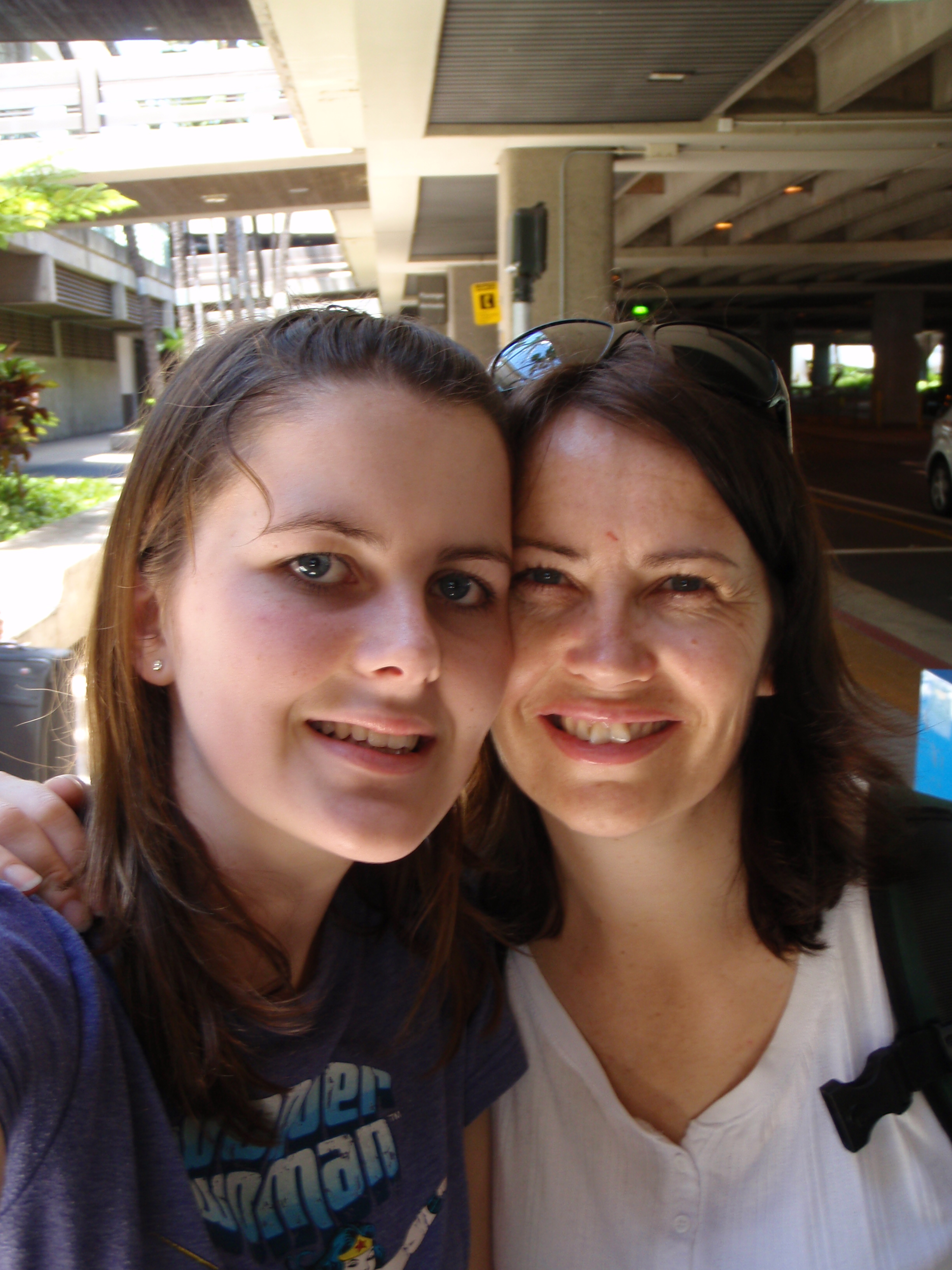
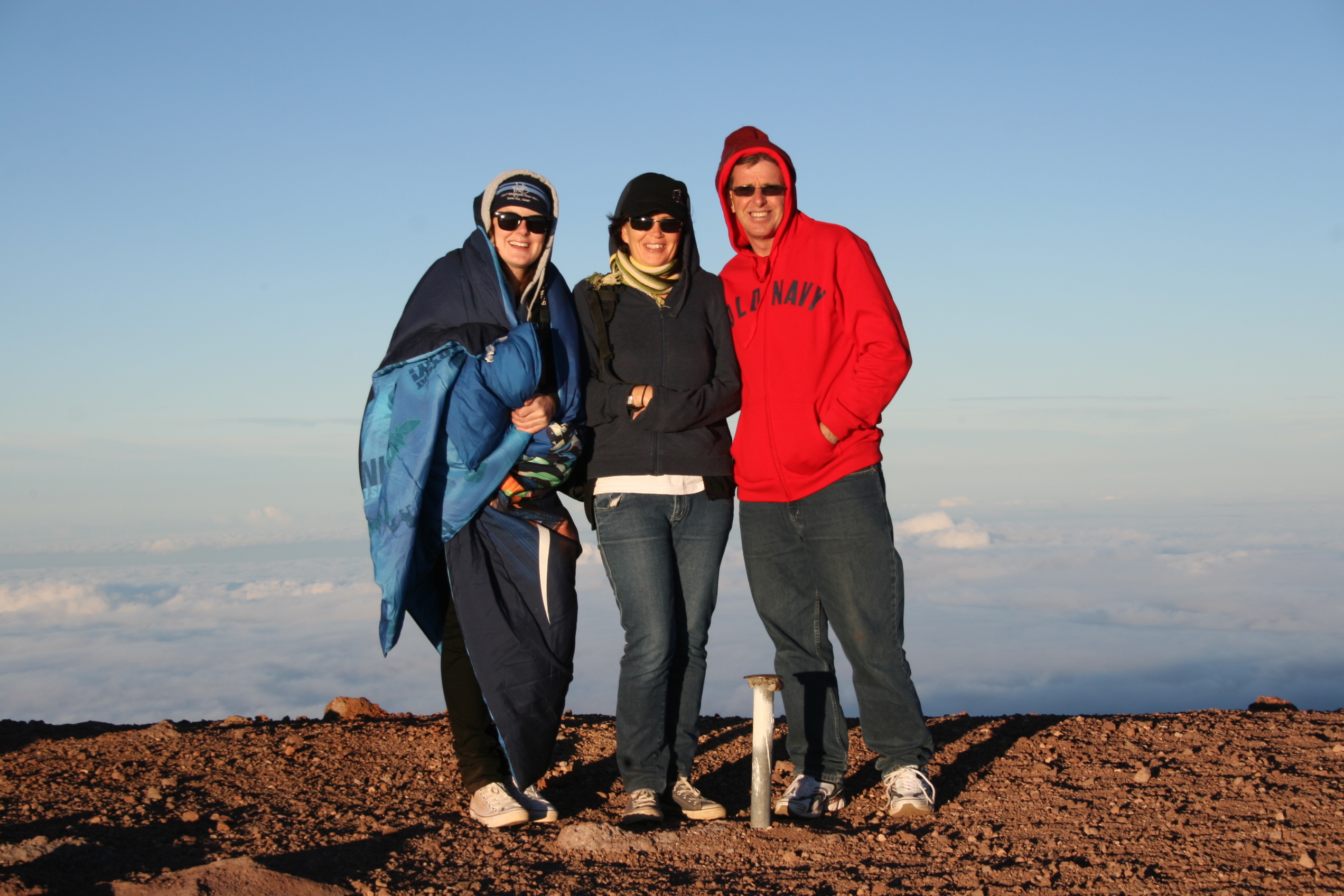
This is us on top of Mauna Kea in Hawaii before I went to school there.


Lizo Crean

We have the best two kids in the world – every parent should think their kids are the best by the way. But truly, they are very cool.

Image

Liz at 8 days old with her dad.

 I’ve decided to write about Liz because so many people ask about her and her ‘story’. Most say they notice something a little different about her but can’t put their finger on it. So here goes.

Image

It took her a long time to get used to Santa.

Liz was born at 2.10am on December 31st, 1989. It was a normal pregnancy, a long birth, but you know the first labour, as soon as you get a bit of pain you think it’s all started. She was a bit of a floppy baby at first but fed REALLY well.

Things progressed normally for a few years but there were some differences. Things like she packed the biggest tantrums if she couldn’t go with her dad. She didn’t like going to sleep. Her speech was slow in developing. She didn’t interact with kids the same age. Liz crawled at 12 months and walked at 13.

Image

Taken at around 19 months of age when we first lived in Australia.

Liz has always had the cutest smile and her personality has taken her a long way. She’s always been an outdoor girl. Forget playing with dolls and having pretend tea parties. Get her to ride with her dad on the farm bike and that was another thing.

When Liz was 3 we went to India for 3 weeks. Both the girls got the chickenpox and I remember my sister Angela nearly throwing them at me when we returned (she was a champ). After this, our pastor sat with us and suggested that we take Liz to the doctors as she wasn’t advancing as fast as her peers. I’d suspected for a while that something wasn’t right but for Pete there was no way that HIS daughter had anything wrong with her.

Eventually we took her to our GP who got her into some tests and then a speech therapist. Jeanette was the best thing since sliced bread. Until we left Tokoroa Liz would meet up with her each week. I still have all of Lizzies speech language books. I still remember all the specialists visits, the blood tests, the million and one questions about pregnancy, birth and milestones. Liz knew every test by heart because she had them year after year.

Image

Sleeptime was never Lizzies favourite time of night – still isn’t.

It wasn’t until years later that we were told that Liz had a syndrome called ‘Global Delayed Development’ and that she was mildly intellectually disabled. Basically she was 6 – 8 years behind what she should’ve been. We were devastated and went back to Jeanette with THE piece of paper. Her reply – “I knew it but didn’t want you putting her or yourselves in a box. Liz will be able to do what Liz can do”. Sure, she had therapy to try and do buttons up, Riding for the Disabled, visits to a child psychologist for her anxiety issues. There were some really tough times – on all of us.

There were times of going one step forward and two steps back. There was the time in her teenage years when you could see her getting depressed and it looked like a little bit of her (inside) was dying each day. There was her younger sister who had everything she didn’t, and Liz became aware of it. There were the struggles of her trying to do mainstream subjects and finding it really difficult. There were the heartaches of her going to youth group and coming home upset because not one person who talked to her.

And then there were the victories. When she was 17 Liz learned to tie up her shoelaces. She finished high school (neither Pete nor I had). She got to be the youngest deacon ever in church. Liz got into photography and helped out with that. There are some phenomenal older people who’ve become Lizzies honorary grandparents and she loves them to bits. The times she has got employed were great and now she volunteers 5 days a week at a preschool in Nairobi.

Image

Liz with her mate Pastor Don McDonell.

Who would’ve thought that this kid who hated to be touched, was scared of the ocean and couldn’t put 2 words together when she was 3 ½ could’ve turned out to such an incredible young adult. When Liz was little all I wanted her to do was to hold my hand, but her skin got negative impulses from touch and it had to be trained. When she was about 18 she started holding my hand in public, and it was a bit embarrassing until I thought to myself ‘I’ve waited all these years for it and I’m going to enjoy it’. I’m not sure how she overcame her fright of the ocean but now you can’t get her out of it.

I remember the first time Liz said ‘I love you’. I was hanging out the laundry in Tokoroa and Liz was playing outside. That’s a trillion dollar memory.

So what does the future hold for Liz? Who the heck knows – well actually God does and I’m pretty comfortable with that. She’s been receiving the disability pension for the last couple of years while we were in Australia. Because we moved from New Zealand to Aussie she had to wait 10 years for it. Then we moved to Kenya. For the past 18 months she has had to travel back to Aussie every 13 weeks to keep that pension. Most of it goes on travel and she’s had a blast doing it.

The new regulation is that she has to travel back every 6 weeks. It’s insane, but there are not exceptions to the rule, even if you are helping vulnerable kids in a developing country. We are now in the final stages of the next step. It involves her getting assessed by a GP to see if she is at a stage of never being employed (sweeping a broom could be a job). Next, she is interviewed by a Centrelink rep. Then, we wait 6 months for their decision. Either her pension will be stopped or they will allow her to keep getting it without her returning every 6 weeks.

Image

Liz and her Uncle Dave. Taken in 2014.

We’re hoping for the latter but preparing for the former. Having Liz go back every 6 weeks is a real killer. Trying to find flights that she can pay for is tough. Finding places for Liz to stay is getting tougher. We’ve had some really generous people who’ve had Liz over but you can’t keep using them. Then, what is she to do each day? It’s like living in 2 worlds. While she is away it’s not the real world – people never get ticked off with you, you don’t have any responsibilities, people spoil you. Then it takes a good month to settle into life back here and then you do it all over again.

We are so grateful that Liz is an easy going person. She still has lots of challenges (low reading level, not good at handling money and not always the greatest at reading social cues) but they may be lifelong things. Liz needs a good amount of support for daily living, but she is doing okay for now.

And now is all that matters.

So, what do you do actually do for a job?

Here we (Shaz and Liz) are in the last week of a month speaking tour in New Zealand (NZ) before we head to Aussie to do the same. We’ve been in schools, unis, Rotary Clubs and had lots and lots of coffee catchups with people.

In this month alone we’ve slept in 12 different beds.

Besides the question of corruption the other question I mainly get asked is “So, what do you actually do for a job?” So here’s what we actually do, although every day is different.


Sharon

I try to be in the office by 8.45am but it depends on traffic. Sometimes it takes 5 minutes, other days 30. Basically in the mornings I volunteer with an organisation called Afri-Lift which works with children and youth for very poor backgrounds. On Mondays I’m in meetings until 2pm, Tuesdays I write grants for fundraising, Wednesday’s prepare for a 6 hour teaching day, Thursday teach, Friday do marketing.


The afternoons/evenings are taken up with work for BeyondWater (the Aussie charity we started in 2007), writing LOTS of emails, blogging, social network updates, looking at projects and every now and then taking Pete out for a coffee. I work till about 9pm most nights with my other spouse – the laptop.

IMG_7193

Some of the great kids we get to work with.

Three out of four weekends we also have programs on. One Saturday we train youth leaders, another we have a tuition program in the Kibera Slum and the third Sunday of the month we assist with the Riziki Childrens Program. That leaves us one extra Sunday to meet up with some young couples we are mentoring.


In addition we host lots of international visitors, sometimes go to the Kibera Slum with food packages or randomly do things like have the odd day off.


Pete

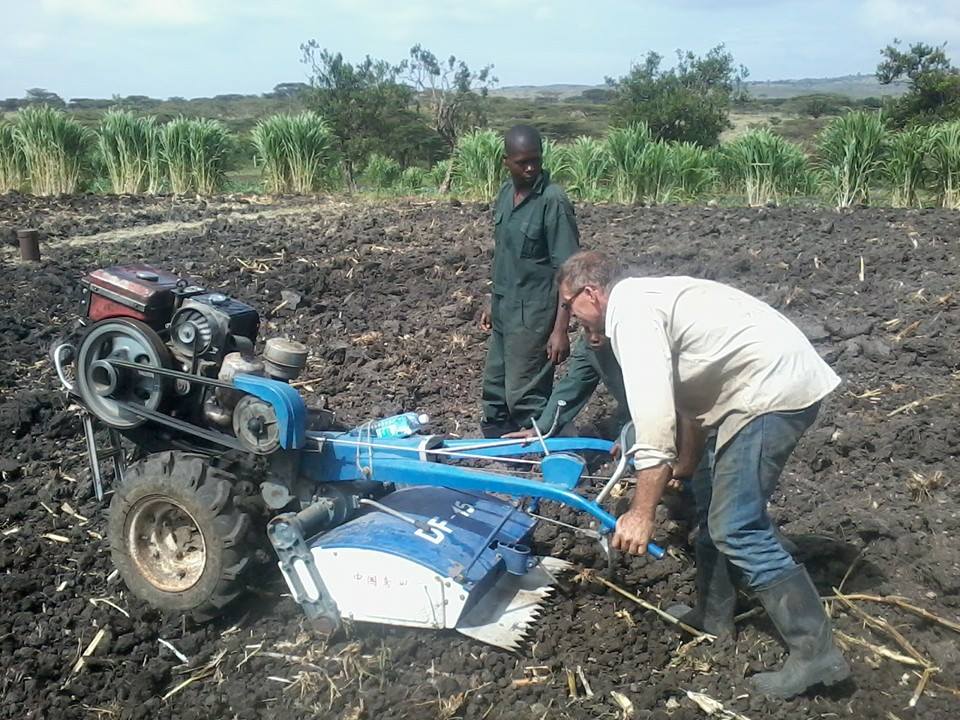
My days are certainly never dull and boring. Like Sharon, on Mondays we have a staff meeting for a couple of hours but every day/week is different. Sometimes you’ll find me tiling a kitchen, fixing a tractor, buying a truckload full of seeds to transporting tomatoes. You will also see me working with teenage boys training them on the ‘how tos’ of farming. This might mean pulling apart something that doesn’t work and showing them how to fix it. A lot tends to break down and it’s giving the locals the skills so next time they can fix it themselves. When I say things are varied, it’s a slight understatement. One morning I might be trying to find a market for the produce that the trainees grow and then that afternoon helping to install a water tank.

pete

Pete showing one of the boys how to use machinery.

I try and spend 2 – 3 days out at the farm which is about an hours drive. But I also need to be in town to work out all the other stuff. I’m not confined to an office or computer but every couple of days you can’t get away from paperwork. I work with a small team of people who have different roles but one thing I’ve learnt is that you can never over communicate.

Here in Kenya things are complicated and take much longer than say in Australia. You can’t go to one hardware store and get everything you want. Just because they say something is definitely in stock doesn’t mean it’s actually there.

This year I’m trying to take a couple of afternoons off a week. So far I’ve failed miserably.

Every couple of months we get personally involved with our water projects. That might mean driving a few hours to meet up with the community to make sure they’re on track.

That in a nutshell is our life, but it’s much more interesting in reality than in print. We meet amazing people, every day is a challenge and there is lots of work yet to be done.


Why not join us by:

  1. Giving (ask me how)
  2. Joining us (long or short tem)
  3. Find out more (shoot me an email – thewildcreanberries@gmail.com)

The Trial of Getting a Visa

Pete puts it nicely – It’s not difficult to live in Kenya, it’s just complicated.

With 5 days out before we started out 52 journey home I remembered I didn’t have a visa for our 15 hour stay in Mumbai, India. Great for someone who has put together a 7 week itinerary through a few countries, schools, churches, clubs and business meetings – I totally forgot  about this.

No worries, after a couple of phone calls and checking out the website which stated that a transit visa could be done in one day and only $27 each. It’s kind of weird, India just announced that you can finally get a visa at the airport, just not a transit one. Liz has travelled through Mumbai airport a few times, me I haven’t been there for over 20 years. Most people say to stay clear of this airport but we had no choice. BeyondWater generously paid for my ticket but Liz was a different story. She has to be back in Aussie anyway as part of her pension agreement and she had no spare money.

So the trip has ended up Nairobi to Dubai, to Mumbai, to Singapore to Sydney. Sure it is painfully long but cut the price down by $1,000, so it will be worth it.

I convinced Joy, one of my co-workers to take Liz and I into town on a matatu as he was taking the car out to the farm. His motorbike won’t be ready for a few more days. Joy says she will be at our place the next morning at 6.30am, as she says, it’s better to be there early than to wait forever, and you never know what the traffic will be like.

First though we had to get new passport photos as the India visa requires a different size. Pete’s out late working so we walk up to the mall (only 15 minutes) and get our new photos at a price of $10. They look good, but we also had some normal size ones sitting in our draw at home.

Joy arrives on time as promised. She had to convince her parents that she wasn’t chucking a sickie from work and walks a distance to our apartment. Pete drops us off at Lavington, a 10 minute drive away and we manage to get straight into a matatu, which is rare. It’s normal practise to wait until the matatu fills up before it leaves and we filled the last seats.
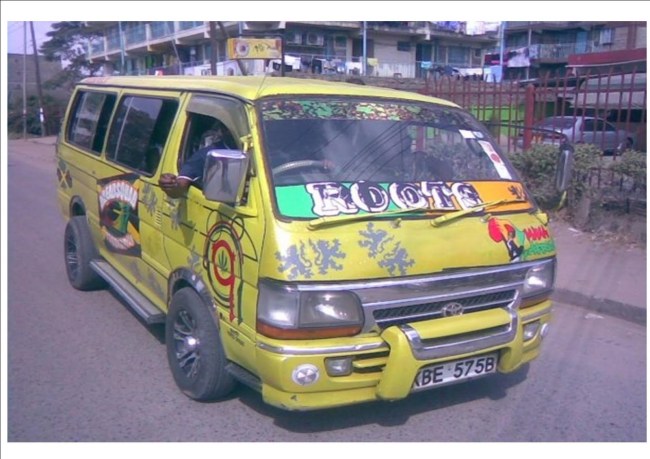
Image

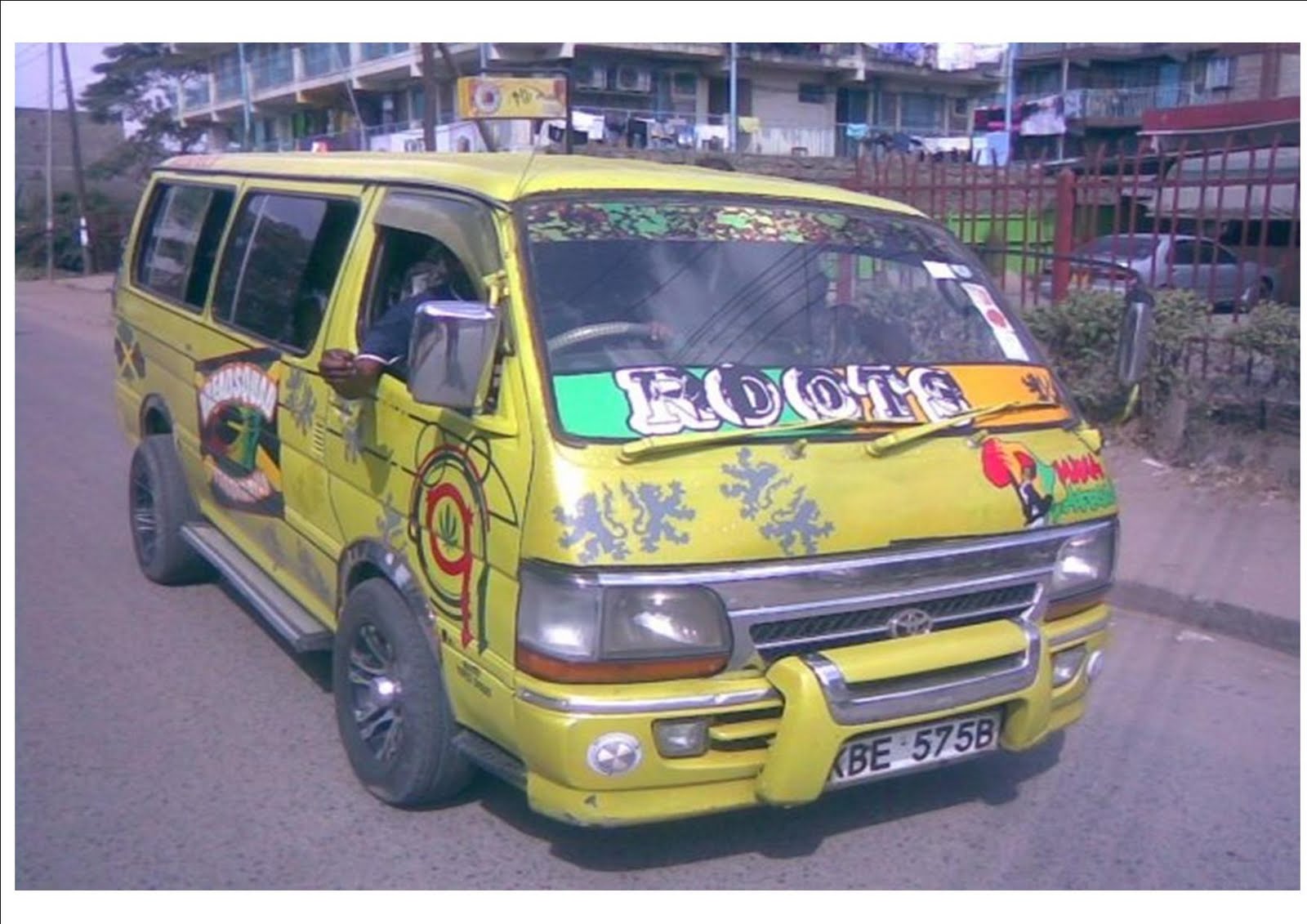
This is what a matatu may look like.


Now this is not a nice flash new 10 seater van. This is a beatup looking thing with Kenny Rogers and Lionel Richie blaring out over the speakers. The great thing about catching a matatu is that they go where no one else dares and at a speed that is crazy for around here. If I were to drive not only would the parking be a nightmare, it would take 2 hours in the morning. We were moving along nicely until all of a sudden the traffic came to a standstill. This didn’t deter our thrifty driver, he swerved to the right and headed on the wrong side of the road, side swiping a cyclist with a passenger (they were fine) and he headed to the front of the line. While there is an insane driver there is also the conductor who collects the money (50 cents for a one way ride). He may or may not have a seat and when someone wants to get off he whacks the side of the van to tell the driver to pull over. He is also happy to yell out the one window that work ‘’Town, town’ in case someone needs a lift.

All is well until we near the CBD where we don’t move for 20 minutes. We decide to walk, a much better option. As soon as we get out a drunk elderly man walks past Liz and says ‘Nice hat’ – she wasn’t wearing one.

Right on 8.30 we get to a building that a security officer says is the high commission office. No signs, just another guard who tells us to leave our bag at the entrance. As in every other public place the security wand is waved over us. We proceed to a room that looks like an ancient library. Still no signs, no staff, just a couple of people who tell us that the line is the seating. So we sit for an hour. Slowly the crowd builds up, but no staff.
Image

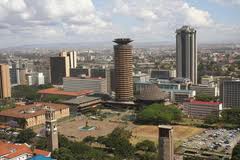
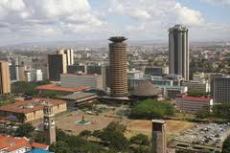
A view of the Nairobi CBD


Dead on 9.30am a man walks in with his stamp, get’s it on the correct date and yells ‘next’. That my friend is but step one in the process. This nice gentleman says to go to the opposite room (no signs yet) where we take a seat. Our number (3) is called. The lady goes through the stamped papers and tells us we need to see her manager – the man seated next to her. We return to our seats to see the manager telling a woman that he ‘won’t process her visa and why did she leave it till now to get it’. No worries I thought, we’ve called, checked out the website. Liz and I approach the desk. He asks if these are the tickets (they say they are), we give all the forms. He knows what date we fly out, he knows we need a transit visa. He brings out another form which we duly fill in. He gets out his receipt book and starts with adding about another $15 to the fee.

At this point, I ask again for the umpteenth time ‘So, we will get a visa by the time we fly out on Friday’. He stops, puts his pen down and asks what time our flight is. His simple answer is ‘No, it won’t happen’. No, you can pay more and get it done faster, no reason why, just that he won’t do it. He’s the manager and it was his choice.

Stuff it I think to myself. How many times do you have to ask about time frames, will something get done, is it possible? I’m not asking to be in the country forever, just 15 hours.

‘I will have to withdraw my application’ I say. No reaction from him except ‘That’s your choice’.

What a dude.

So after a drink we catch an even more dodgy matatu back to work. Liz, she loses her phone.

No visa = changing tickets to be in India for only 6 hours + $100USD. I think it was worth it.

Today at 11.35pm we head for home.
Size doesn’t Matter

We seem to be caught up in a world of numbers (how big your church, outreach, youth group), money (how much you are on) strength (how many pushups you can do) and belongings (how many properties you own). Sometimes I get a bit over it. When did numbers and money become the ultimate goal of life?

Sure, I love having money to do the things we want to do, who doesn’t? I love travelling (been to 18 countries, and not just airports), I love speaking to the thousands and I love doing crazy things like white water rafting on The Nile.

my 2 loves

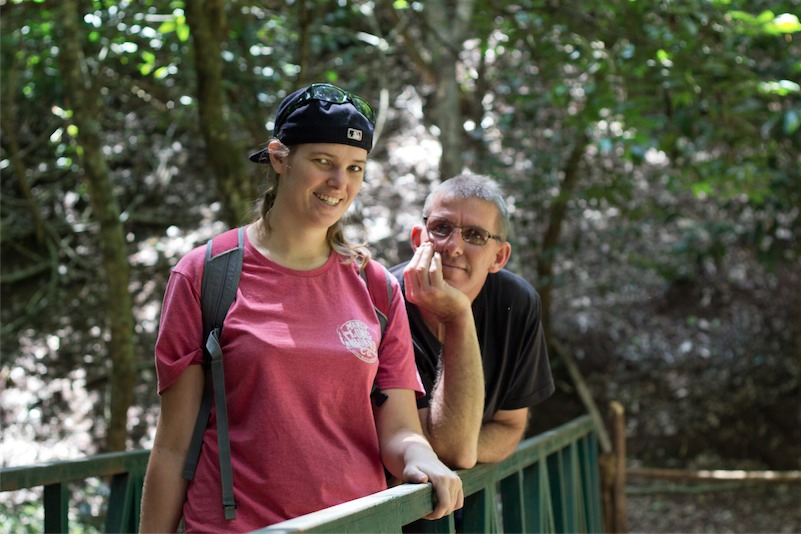
Bushwalking in Kenya

But one thing I’ve learned over the years is that there will always be someone smarter, richer, more fit and better at some things than myself – and that’s okay. I’ve completed an MBA but want to do another Masters Degree some time soon but does that make me more than someone who has just done their undergrad? Does it make me lesser of a person because I choose not to do a PhD?

I think it’s time we put quantity aside and look at quality of something.

We are on assignment in Kenya (that’s East Africa if you didn’t know) for who knows how long. There’s no shortage of NGO’s, community help groups, churches or ‘mega outreaches’. If you go into the slums you can see endless schools in tin shacks, lunchtime church meetings and welfare organisations operating. I dread to think how much aid and development money has gone into organisations and I ask myself ‘What impact is it making?’

Now while this might sound a tad negative, actually it’s a good thing. We constantly look at what we’re involved in and are more than happy to see lives changed forever.

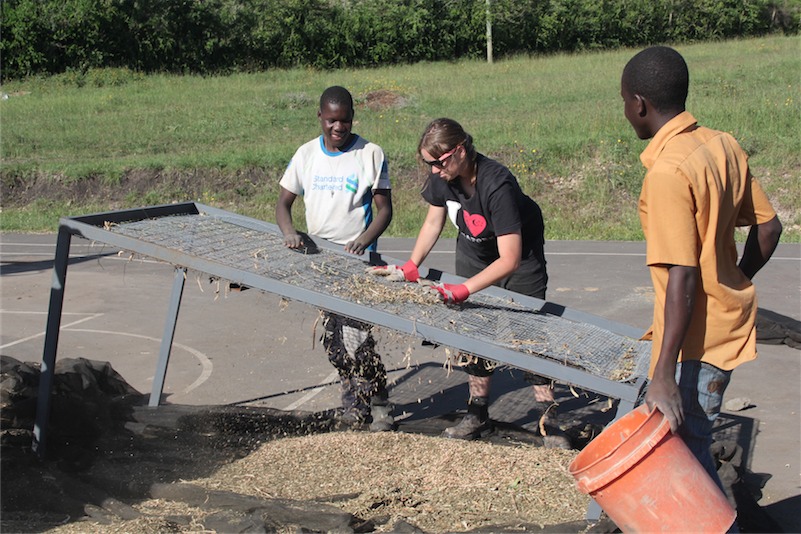
liz sorting maize

Liz showing the trainees how to use the bean sorter

Kids are going to school where before they had no way in. Others are no longer living on the street and stealing, they are being educated and are now in jobs. Some who were sponsored are now volunteering, giving back to their community. We’re working with an organisation that doesn’t have the thousands on the books but their history is quite incredible – schools, sponsorship programs, agricultural training, leadership programs are just a bit of what they’ve done. That’s because they are into developing young people and not just giving a handout.

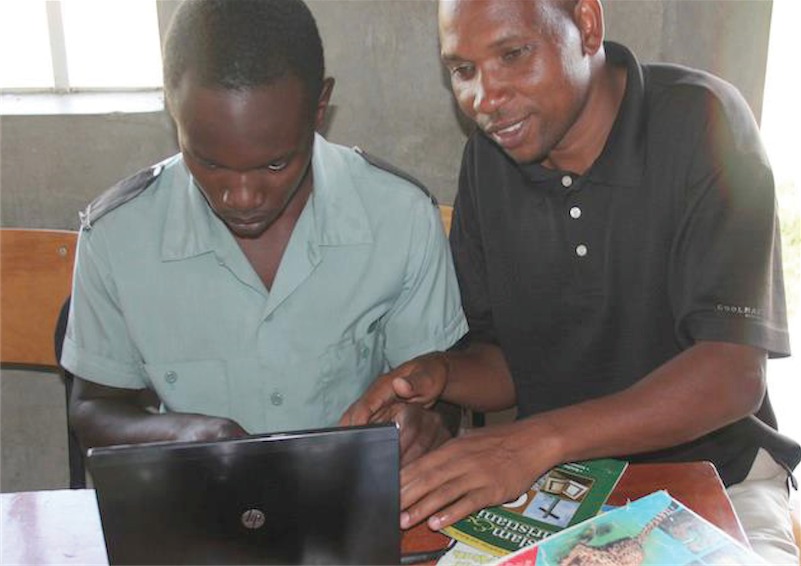
teacher 2

Teaching computers on a donated laptop

The key is not how many have come through the door of your work, but what lifetime change are you bringing?

For us personally, the person who gives us $5 a month to keep us here is as much as of a hero as someone who gives 10 times more. Every person who gives does so sacrificially. We have those in their seventies who give from their small pension. There are those who are students who have an after school job and give to us, while others give from their house rentals. It’s not about the amount but the impact it’s made.

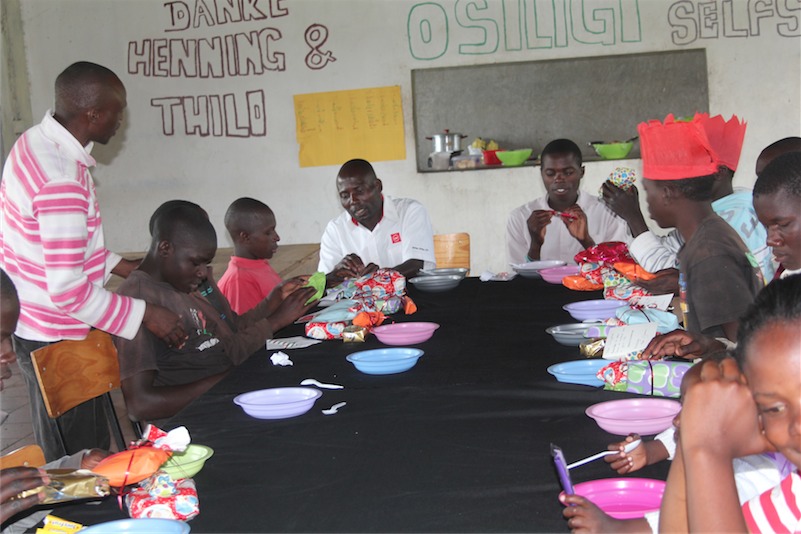
Some generous person gave us $500 as a one off gift and from some of that we were able to give some teenage boys their first ever Christmas party. That meant small presents, a buffet lunch, party hats, streamers – the works. They got involved in making the meal and decorating the room and it was a special time for all of us – especially our family. Rather than being a day where we miss our youngest daughter (even more than normal), we were out with a bunch of kids who had no place to call home. But this was only possible because someone sacrificed A LOT.

present opening

Present opening

So please don’t look down on what you do or give – it does make a difference – if not to you to the person you are helping out.

It’s not the size it’s the heart motivation that the action is done in

Want to find out how you can help in our work – check it out HERE.

Living Without Technology

The last month has been one of the most frustrating all year – for technology anyway. Technology is great, when it works. When it doesn’t I feel powerless and want to throw my laptop out the window – which of course I don’t do even though I feel like it.

techI’ve spent endless hours and Skype calls between Nairobi, Auckland and Sydney trying to sort out our new website and emails. I built this new website but couldn’t get it launched because of name servers, login details and email systems that wouldn’t work. Then of course, there’s the electricity which decides to go off for hours. In fact we had almost 2 days without power. Just to top it off the battery in my laptop decided to crap out so it decided all by itself when and where it would go.

Can you imagine being without power, the internet, your phone or computer – for a whole day? How do you work, talk to people overseas, find out addresses, look for businesses, design material, contact people or prepare school lessons?

masai

Masai warrior

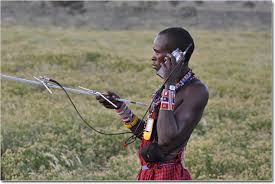
I see people on Facebook who say they are going to do a fast for a week or month from it. While that’s nice, I see other people complaining that the power went out for two whole hours and their life was miserable. The thing is, we are so reliant on technology that I don’t think any of us can really do without it. I see Masai men herding their cattle in the middle of nowhere who access apps to see what the price of meat and veges are going for at the market.

lap

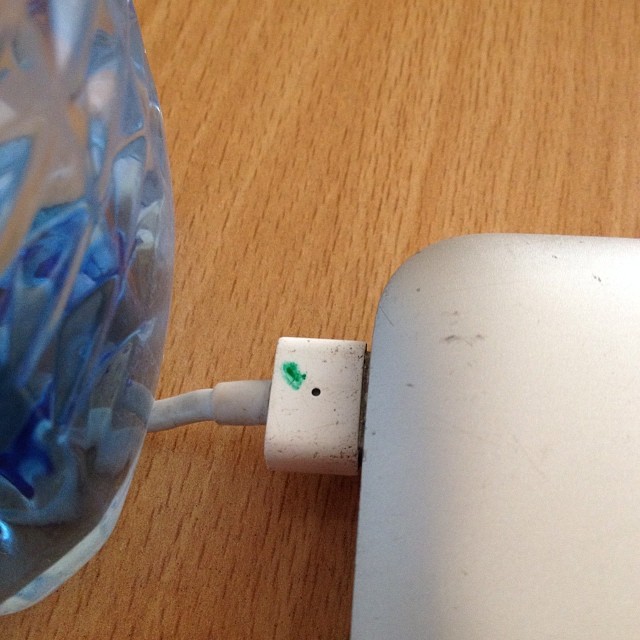
The only way to make my charger work.

One of the things we miss is the convenience of life, including access to technology. Living without it is a pain in the butt however it’s the reality of life for millions of people. So we learn to celebrate when we do have it, and survive when we don’t.

Here’s how we manage our challenging situation in Kenya:

  • Keep electronics charged 24/7
  • Put on surge protectors
  • Make sure you have enough credit on your phone for both airtime and the internet
  • Carry a plug in internet flash drive (with credit loaded)
  • Put at least 1,000KES (about $10) on your Mpesa system
  • Remember the cafes that have free wireless internet
  • Have a solar lamp powered up and ready to go
  • Have spare lights around the house
  • Buy a washing machine that automatically goes on when the power returns

What is your plan of action for living without technology?

What To Remember When Going to Hells

Last week Pete announced that we were going to have a day off – it was a miracle! We often work on weekends and sometimes the weeks get really long. I’d always wanted to go to Hells Gate so last Wednesday that’s exactly what we did.

closeup of pete

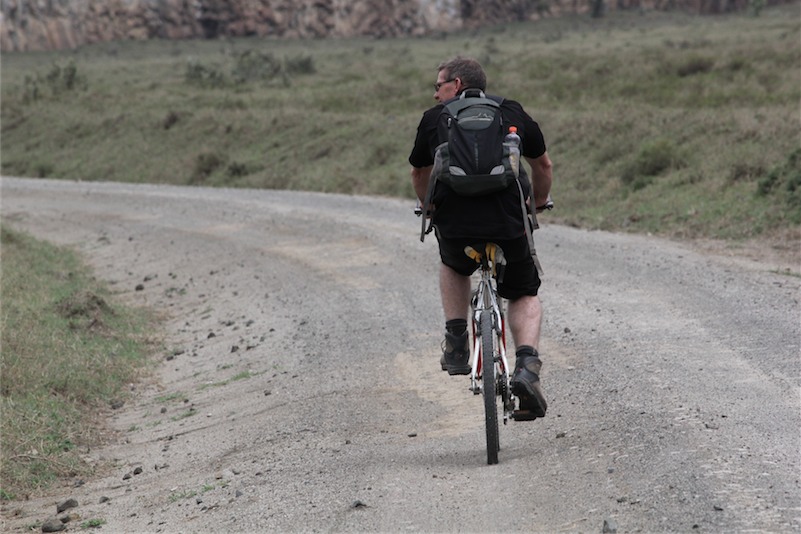
Easy riding when it’s downhill.

Hells Gate is one of the many national parks we have in Kenya. With our handy residents card we can get in to some of them for $5 while tourists pay $40. It’s the only park where you can jump on a bike and ride through the wildlife. There’s a dirt road which is in pretty good condition and you can literally just stop and make your way to the animals any time you like.

cliffs

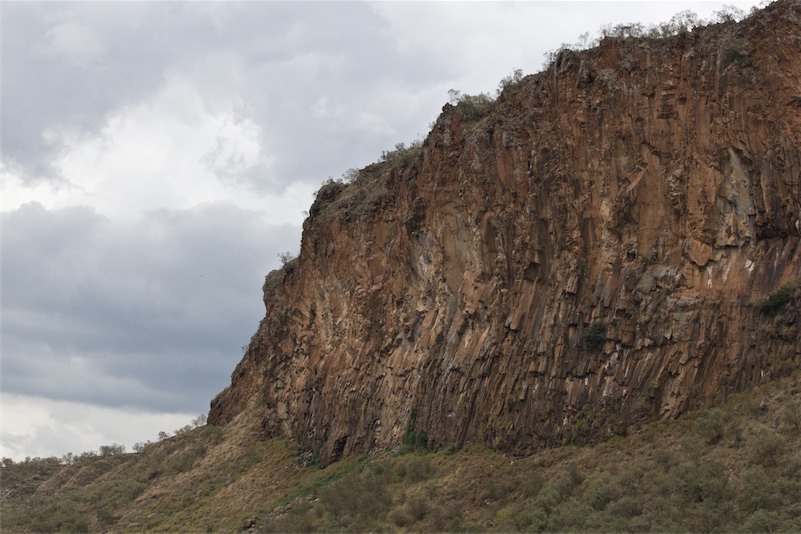
Lots of cliffs around, somewhere up there are baboons.

If you’re into rock climbing there’s a point about 5 minutes ride from the gate on which to practise. The deal is you have to hire a professional to assist, and we’re not really into that type of thing anyway.

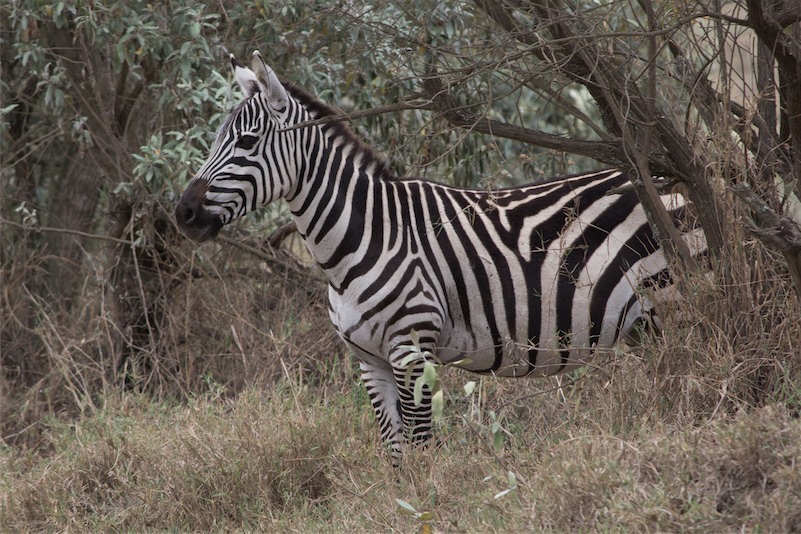
One of the few zebras that we could see up close.

One of the few zebras that we could see up close.

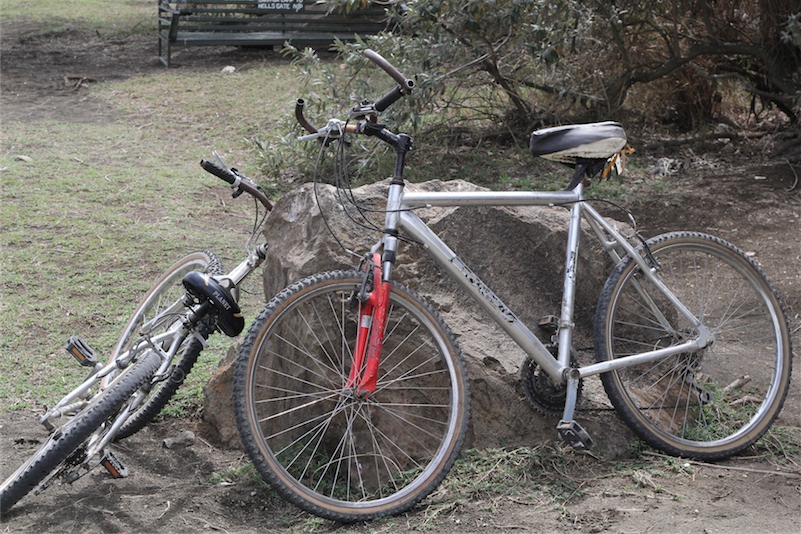
About 2km’s from the park entry just as you turn the corner there are guys waving you down to hire their bikes, we kept going. First thing to remember – hire your bike from these guys and not at the park. The park ones are crappy as. My gears wouldn’t change, the back tyre was half flat and Pete had to disengage the rear brakes because they were rubbing badly. His chain kept falling off and he couldn’t change the gears either. We didn’t notice these things until we were a few k’s up the road.

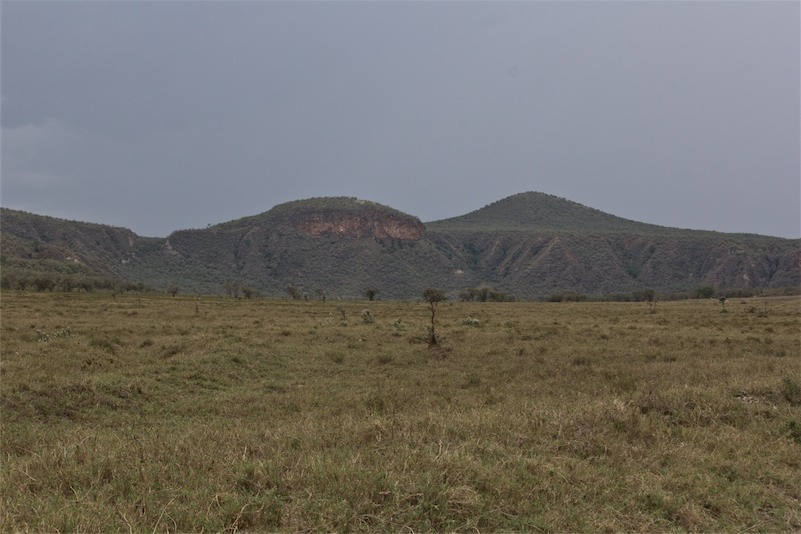
It's a pretty big place.

It’s a pretty big place.

You think the KWS (Kenya Wildlife Service) who manage all the national parks would maintain their bikes – oh, there’s no such thing as maintenance here! We called into the bike hire place outside the park and for the same price there were way better bikes.

Plenty of these at the entrance to the gorge.

Plenty of these at the entrance to the gorge.

Nairobi was wet when we left and we weren’t sure what the weather would be like in Naivasha where the park was. It was 2 hours away so it had to improve. We took raincoats anyway but didn’t need them. However it would’ve been good to take sunscreen – which we didn’t. While we did end up riding through a thunder storm (a bit scary) before that it was rather warm. At least we had a couple of litres of water – a must over here. I knew I was getting burnt but it all came out that night – my nose and forehead were as red as a beetroot. So while we take the antibacterial handwash with us I must remember to throw in one of the many sunscreen bottles we have in our cupboard.

Warthogs. We kept yelling out "You calling me a pig?" Pumba quote.

Warthogs. We kept yelling out “You calling me a pig?” Pumba quote.

Having a decent camera is important. There actually weren’t that many animals and they were all away from the road. Sure, we could get off our bikes and try to get up to them but these are wild animals and they ran as soon as we moved. There were lots of warthogs, a few zebras, gazelles, antelope and a few big birds. I was waiting to see some giraffes but these were a no go. It’s probably one time I’ve taken very few photos. Although I’ve got a zoom lens it’s still not big enough. One day I hope to invest into a big beast to capture better photos of these marvellous creatures.

Only here can you find a geothermal plant in a national park.

Only here can you find a geothermal plant in a national park.

Set aside your whole day to go to Hell’s Gate. I’d seen some amazing photos of The Gorge and really wanted to see it. We didn’t get to the park until 11am and with our detour to the camping ground (Pete wanted to suss it out) and crappy bikes we got to the gorge about 1pm. I could see the storm clouds starting to roll in. You can either take the 20 minute or 90 minute trek each way. While we could buy drinks at the rangers station you couldn’t buy lunch. We said no to the gorge, leaving it for next time (when we could drive in) when Liz would be with us. One of the great things about Kenya is that you can pretty much buy fruit and veges on the side of most roads. Pete had bought these really nice bananas so they kept us going all afternoon.

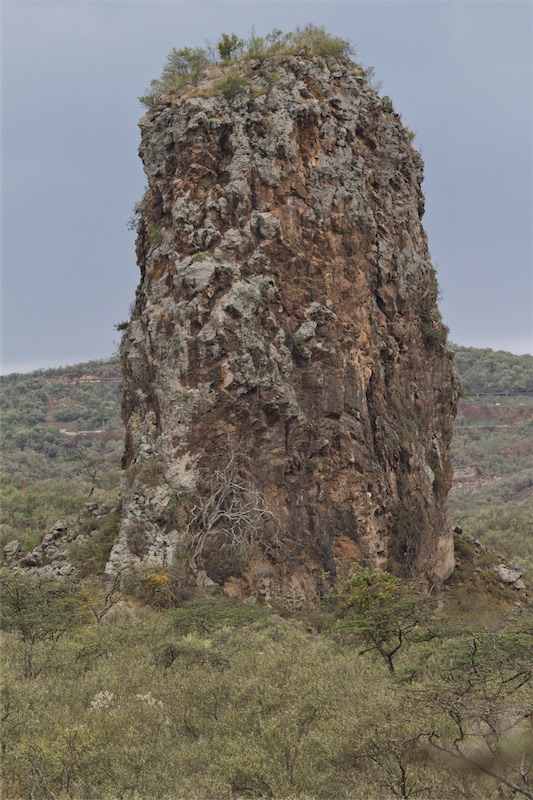
You can't climb this mesa - which locals call a volcanic plug.

You can’t climb this mesa – which locals call a volcanic plug.

Because I thought we’d be doing a lot more walking I wore my hiking boots from Mt Kilimanjaro. They were a slight overkill, I’m wearing sneakers next time. It’s the short rainy season here so I wasn’t sure how wet the ground was going to be. In fact things were pretty dry. We haven’t been bike riding for years so our butts were a bit sore for a couple of days afterwards. Pete more so than me because I wore my mountain shorts, his were way thicker. We both forgot hats (you don’t wear helmets here) and didn’t need a jacket (which stayed in the car anyway). Basically, go prepared for any type of weather, use toilets at the start of the park and go and have lots of fun.

Our bikes having a rest, they were tired.

Our bikes having a rest, they were tired.

Hell’s Gate is good if you want to get out of the city for the day and just meander along. There’s no rush and there’s certainly plenty of places around to stop for food afterwards.

Don’t Come and Live in Africa

A year ago we made the crazy move from the beautiful Northern Beaches of Sydney Australia to go and live in Nairobi, Kenya. Why do I say it was crazy (as some of our friends think)? Why would a couple in the most productive and money making years of their lives leave it all behind to go and work with the most poor young people in this part of the world?

There’s no simple answer for that one. I’ve heard people from here say ‘Why don’t people come here long term to serve on the mission field?’ There seems to be a lot of questions on both sides.

So here are my thoughts on the matter.

1. Not everyone is called to move to Africa.

Africa is not a picnic. Sure, there’s some things you only get in this part of the world but not everyone has the tenacity to hack it with all of the negatives, and that’s okay. It takes a certain amount of insanity to live here. There’s a big differences between visiting somewhere for a few weeks and dedicating the rest of your life to a cause on foreign soil with being challenged every day, having to rely on friends for your daily needs or hoping you don’t get really sick because the healthcare is limited.

Just today I had some guy yelling out “Mzungu, mzungu” the whole time I was walking up the street. It was so annoying I wanted to give him the royal finger (another reason I don’t call myself a missionary) and yell a few choice words at him. I feel like saying “Oh my goodness, I never knew I was white”.

mzungu

2. You can be of most excellent use in the West.

You can make money and support a missionary or development worker here by remaining at home. You can pay school fees, earn enough to send kids on a camp, pay travel insurance for someone. You can earn and give, it’s a win win situation. One of the best thing you can do is be an advocate/representative of someone you know who is serving in Africa. Most of the time it’s ‘out of sight, out of mind’ and you could be the key to changing that.

africa

3. Missions aren’t what they used to be.

You need to learn another language, a new culture, a new way of doing EVERYTHING. You need to have computer skills as well as practical ones. It’s not about being behind a pulpit but offering a skill to the local community. The developing world needs doctors, nurses, teacher of teachers, people skilled in media and those who are willing to rough it. You have to be prepared to have less than half of the resources you’re used to. Sometimes the power doesn’t work, you have to boil your water and the internet works when it feels like it.

You’ll end up spending much more time in the office than you thought you would’ve.

People will tell you what a noble thing it is you’re doing. It isn’t and it certainly doesn’t feel that way when you’re trudging through sewerage or spending 12 hours straight in front of a computer trying to sort out email and website issues.

sign

It ain’t what you think it is.

4. No guarantees of a holiday.

Forget about a 40 hour week and 21 days annual leave. We’ve been here a year and there’s no holidays in sight. We’ve worked on public holidays and most weekends. The average person on the international field will return to their home country every 3 years, but that’s not a holiday at all. It’s full on speaking in churches, schools, clubs and to supporters all that time. We often work on weekends running different programs. The closest beach is a 9 hour drive away and belonging to a club is way too expensive. Every now and then we take a half day off, or like this week the whole of a Wednesday just to get out of the office and out of town, but that means pulling a couple of 15 hour days beforehand. Of course, the paid staff just don’t get it. They clock off at 4.30pm, while I’m often working till 10pm.

5. The loneliness and challenges can be overwhelming.

Everyone is enthusiastic when you first leave but it doesn’t take too long for the contact to dwindle. It’s normal as people have to get on with their lives. There will only be a few dedicated friends who stay in touch. To make new friends takes a long time. For some, the gap on between is too much to bear. Being apart from family is not for everyone. While Skype is great it isn’t the same as day to day interaction. If you move here you may have to pack your kid off to boarding school and only see them every few months. Are you prepared for that. Our youngest daughter will not see Pete for 3 years – that’s 3 years too long.

Do I think that people should forever stay in the country they call home. Most definitely not!

Every person, and I mean everyone should at least once in their lives visit a developing country to get involved short term with a work that is making a difference in a local community.

Short term volunteers make a tremendous difference to an organisation. For us our volunteers have been able to assist kids who can’t read well, encourage local leaders, teach sport and give kids hope. Short term is anyone who stays under 2 years, with the average person staying just over a month. Even a 2 week stint is huge.

Coming for a few months can give you a glimmer of an idea of what it could be like long term. It will also make you grateful for all of the conveniences of life you have at home and what those on the international field have to go without.

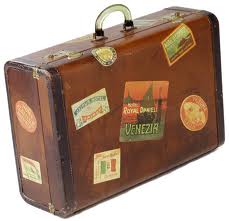
suitacaseSo give it a go. Come for a visit and see what happens. And if you move here, don’t say you weren’t warned!!!

Church in Kenya

There seems to be a church one every corner here in Nairobi. They go from a little tin shack to the huge 5,000 seat auditorium. Some are in huge marquees, others in buildings without windows to the tabernacles that you can see from miles away. There’s some that have short names, others like ‘The Church of the Deliverance of the Holy Ghost in XYZ’. I kid you not.

Worship at Frontrunnerz

Labels and titles are so over rated here. If you’re a ‘bishop’ you almost have to treat them like a king. A Deacon is a church leader and not someone who helps physically set up the service. On the other hand you will see people in top jobs who are happy to be in the car park making sure everyone gets in. Only a few have services online but one thing they all have in common is that they like their music loud.

Dance Moves

The thing that Kenyans know how to do is praise and pray. Some church services go for 3 hours, then they have other programs in the afternoon. As far as I know there are no night services in Nairobi. Probably because people have been in church all day, but also it’s a security risk getting home when it is dark (around 6.45pm).

We decided before we came that we would got to the International Christian Centre (ICC) where I visited in 2007. One mistake people make when moving to a new place is to try every church out in town for one that suits them. Sometimes you just have to make a decision and stick with it. It’s and English speaking church with mostly Kenyans in it. Some songs are in Swahili so it’s good practise to figure out what is being sung.

Pete, Liz and I go to the 10.30am service which is aimed at young professionals, it’s called Frontrunnerz and led by Pastor Gibson (meet him below). They have 2 services in the morning, with about 600 going to the second service. They do have a Saturday night service but we work most weekends so it’s not always easy to get there.

Meet Gibson

Some people might say it’s a happy clappy church. I figure it’s much better than attending a service that is like a funeral. Sure, there’s time for reflection and quietness, I’m all into that but sometimes it’s just great to enjoy the good things that God has done. Here in Kenya things like getting a job, being able to study, making safely through the week or having food on the table is something to get super happy about.

Not a funeral service

We’ve been to some African churches where they get so excited they lift up the plastic chairs and do a dance with it. There’s been some where all the women get up and do a special dance (a good opportunity to hide behind a camera). I’ve been in ones where Pete gets to sit up the front and me way back (being just a woman of course!).

Dancing up the aisle

What I love about Frontrunnerz and ICC is that they present a relevant message in a relevant way. Sure, it’s not perfect but neither are we!!

It wasn’t our goal to come to Kenya to start a church but it is part of our DNA to be a part of a local church. We’ve all heard how no person is an island but it’s so easy to do. It’s easy to look at ‘The Church’ and point the finger, look at all the deficiencies and things that are done wrong and decide not to be a part of it. That’s the thing though, no one nor any organisation is perfect. We’re a work in progress.

Everyone getting into it

I remember Pastor Simon McIntyre who was with us when we were at C3 Oxford Falls (Sydney) saying ‘This church might not suit you, but there is a church for you, a church for everyone’.

If we stopped complaining about ‘The Church’ and decided to be a part of it, we would see some of the great things that are happening. We would meet some different people, some who would drive us up the wall. We would be challenged to get out of our comfort zones. We might even find a place we can call home and a family that accepts us, warts and all.

Worship at Frontrunnerz