Our home
Video
Reply
I very rarely endorse anything because there’s always pitfalls, people are only human and will let you down, or some things are just a fad.
However, I’ve been on the road for a few months now, and based in East Africa for a few weeks more. I’ve lived in several homes, motels, units and even tents in that time. Now we’re actually settling down in Nairobi, I’m able to start setting up home. In reality, we’re only in our transformed container cottage for another 5 weeks and then we house sit for friends for 5 months, but a sense of home and belonging is important. The day we can stop living out of a suitcase will be a day for celebration.
While there are a few supermarkets here, there seems to be a myriad of household and personal products. That is except for a scrubbing brush for the dishes and some good quality things like shampoo and conditioner. In the past few months we’ve been to 6 different countries and I’ve yet to find anything that measures up to the Neways products.
Either the shampoo leaves your hair feeling like straw, or just about every personal product has aluminium or palm oil in it. That’s not good for our bodies nor the environment. You know that stuff like moisturiser is watered down and unless you are going to pay through the roof prices you can’t get anything decent.
After only 3 weeks of being in Kenya people are asking ‘So, are you ready to call it quits and come home yet?’ Quite frankly, we are home and although we’re short of the few comforts of life, it’s not that bad. It all comes down to attitude.
However, I am darn sure to get some good quality healthy homecare products from organisations like Neways. Their toothpaste needs no water, their shaving gel means less razor use and the shampoo actually is good for your hair and the skin cleaner actually works. Unfortunately I can’t get them delivered to Kenya but have friends who can pick up some goods for me and wait for someone to come through.
If you haven’t heard or tried Neways before, contact my friend Ginny Parker (ginny@aslanassociates.net) and she will help you out.
It was Pete’s Dad’s birthday last Sunday so we Skyped him from Nairobi. While it wasn’t the best line for them, we could hear them clearly. His parents are so old school, they have a mobile phone but don’t ever use it and the internet is something other people use.
I had to snicker as his Dad said ‘Have a good working holiday or whatever you’re doing over there’. We are so blessed we’ve travelled more places than either of our parents, seen more of the world and the wonders it holds.
Every trip we’ve undertaken has been paid for by ourselves. We’ve never received grants, been paid for by organisations or used fundraising tactics to get our flights. It’s been a lot of hard work and sacrifice, especially the last 5 years. We’ve gone without a lot so that we could jump on a plane and visit all sorts of places.
This is the first time we’ve asked people to partner with us to live long term in Kenya serving communities and working with young people. It’s quite a different and humbling experience. There’s no way to make extra money for surprise expenses. Normally if we need something like a car we’d go hard out making the extra dollars. Now, we need to live as cheaply as possible and make every dollar count. We’re helping to run a camp this weekend, and we’ve pitched in to buy extra things needed to make it happen.
That’s how it works here. Everyone pitches in because we’re all in the same boat.
Our biggest splurge since coming here has been the Christmas tree. Life here is so different, so to have something normal like a tree is unbelievably nice. We even managed to find some lights for the tree, so we’re quite happy.
A working holiday entails working a bit to make some money, then take time off to see the countryside and relax. What we’re doing is quite different. We’re either in the office, out on the farm, organising events, writing reports, learning a new language, spending hours in traffic jams, writing endless emails, in meetings, and every now and then take a breather. Because we’re newbies it can get overwhelming, but we’re realistic about giving it time.
We weren’t even going to try and explain it (again) to Pete’s Dad what we’re doing. All we say is that we’ll be back for a visit in about 3 years and that makes him a happy camper.
So, if you do get to go on a working holiday – go for it, but for the rest of us – it’s back to work!

It’s always an interesting time when you move house. Some things magically disappear no matter how organised you are.
It happened this week at a really important time. Someone posted on Facebook that they had their ESTA (US) visa to go to the States on holiday. It suddenly hit me that we hadn’t applied for ours yet. Liz, our oldest daughter is paying for the whole family to go to the US for a holiday on the way to moving to Kenya. It’s our 25th wedding anniversary soon, so we’re heading to Disneyland, San Diego Seaworld, Houston, NYC and Washington. While it’s done on a shoestring it will be an absolute blast.
We’d moved out of our apartment in Dee Why by the beach to Turramurra, in the bush a couple of weeks ago. Our good friend Jill allowed the three of us to move in so we could save some money and wrap up a few loose ends. From there, we were repacking before sending off a shipment of our stuff to Kenya.
While it’s easy to loose a hairbrush, how does one loose and important document like a passport, in fact, three of them!! It seems that the complexities of being on the road are just beginning. By the time we get to Kenya we would’ve not been in a real home for 2 months. Suitcases just don’t replace a set of drawers. I like to be super organised, everything has a place, so this is driving me crazy!
Thankfully Pete found them, in the very last box we used when leaving our home, which is great because they’re all new. Replacing 3 passports would’ve cost us around $700.
ESTA visa has been applied for, boxes are ready to send, passports are securely in the bedroom – all is well once again.
While our beloved passports have been found, I don’t know where the hairdryer has been left in our travels.
We’ve been slowly selling off our belongings, most for only a few dollars. It’s quite depressing to know that you’re virtually getting nothing for something you slaved your guts out to save for.
Tonight, someone bought our 2 and 3 seater couch for $30. After sitting on the floor for the last 20 minutes my butt is numb already. The next 5 days before we move out will be a bit uncomfortable, especially since I’m still doing all my admin work from home.
It kind of reminds me of how we have got used to being comfortable in Sydney and how cruisey it can get. Not that there’s anything wrong with comfort, I highly recommend it! We live a 4 minute walk from the beach, a 30 minute bus ride to the city, a supermarket 2 minutes from our house and stacks of cafes to choose from should we want a quick caffeine fix.
Living in Nairobi, while we will have a great place to live and the mall just up the road, will be uncomfortable in some ways. If locals want to rip us off, all they have to do is speak in Swahili and we wouldn’t know any different. We can’t earn money on our particular visa, so will be living frugally as possible. While there are eftpos machines, at most places you can’t use a credit card. A majority of the roads are unsealed so you often feel like you’re in a milkshake machine. We have to make a whole lot of new friends because we only know about 5 people in total.
So, we can either shrink back and say it’s all a bit much, or we can take the challenge head on and see what happens. As Pete just said ‘If it all fails, what have we got to lose?’
But what happens if we succeed?

At present our support level is at about 55%, which is no problem because we serve a BIG God and He knows exactly our needs. I’ve once again started spending endless hours emailing everybody I know, asking them for $20 a month. Then I started thinking about why we are a great investment. It’s a good question to ask because why should people give us money to go and live in another country and totally depend on people for our survival?
So here’s 6 reasons why we’re a good investment:
1. We’re in it for the long run.
Travelling to East Africa every year is easy. You’re there for a couple of months, have quite a few comforts and know even if it’s tough there’s an end date for returning home. While this has been great, the effectiveness of your work is limited. The only way for a community to be developed is for people to be on the ground long term. It’s going to take us about a year to get used to how things really work, settle into our home and then another few more years before we get a good grasp on Swahili. While Rome wasn’t built in a day, we’re realistic that time is what we need to devote to our work.
I just read this quote from Paul Osteen who is a short term medical missionary currently in Zambia and it rang true for us:
The fact that wherever there was a significant, lasting work for the Kingdom, there were these kind of people faithfully serving. People who have stayed the course. People who have run with perseverance. People who have fought the good fight and have not given up. People who have put their hand to the plow and not looked back.
2. We’re honest and respectful.
I’ve always taken the aspect that we are stewards of what we’ve been given and it’s not really our own. Whether that be counting the offering at church, taking donations for water projects, working at the office from home, studying individually or using supporters money in the most effective way.
It’s this respect for others that has taken us a long way. If someone gives money for a particular project e.g. a camp for kids, then that’s what the money goes on. I’ve always taken accountability as a good thing, not something to be feared.We’re an open book about our finances and try to be the best stewards as possible.
3. We’ve got the goods to deliver.
We’re not going to Kenya because we have something to prove, to feed our egos or show people that we have something to prove. Pete’s 49 and I’m 43, if we haven’t got over ourselves by now then there’s something seriously wrong! It’s not actually about us at all, it’s about serving the leadership of Afri-Lift and bringing what we have to the table. We’ve learnt a lot and have some skills that can strengthen the work there. When the rubber hits the road, we’ve got the assets to make a difference. We are confident not because of our abilities, but because of the God we serve.
4. We know what it’s like to live with much and little.
When we came to Sydney nearly 11 years ago we did so with $3,000, no jobs, nowhere to live and knew one person. We lived for 9 days at the backpackers, Pete got a job within 4 days and we started over again. We had to go and buy a pot and some plates and cutlery to cook with. That one pot did an amazing job. Since then we’ve been to the other extreme where we’ve been able to bless people who were in need and even fly people to Australia for holidays. Personally I prefer to have much rather than little, but regardless we’ve learned to be satisfied with either.
People often quote the scripture in Philippians 4:13 “I can do all things through Christ who strengthens me.” When you read it in context, it’s about living with lots and with little.
It’s about knowing who is the source of everything you have – Christ.
5. This is our calling from God.
While it shocks most people that we intend to go to Kenya for 20 years, few are shocked that we’re actually going. It’s been over 25 years in the making. There is no other option for us. Anything else would be dead set boring! It’s not like we’ve heard some voice from Heaven saying ‘You should give up everything and go live in Kenya’. It’s a knowing, a journey, an unfolding plan. Sure, there’s scriptures but they are more an extra bonus along the way. Are we called – heck yeah!
6. We’re tax deductible.
Okay, so it only matters for this if you live in Australia. What people don’t know is that to get tax deductibility status is a nightmare. Only about 1/4 of those who run charitable services actually get this status. Over the years we’ve built a good relationship with Global Development Group in Brisbane and now partner with them. What it does say is that we are credible and so is the work we do. They keep us both financially and project accountable. They visit us on the ground and make sure we’re doing what we said we would do. Every 3 years we have to submit a business plan and every 6 months a project report to see what we’re up to. These guys have really high standards and we’re proud to partner with them.
To reach our target goals, we need your continued support. It would be great if everyone who ‘liked’ our work on Facebook or read our blogs/newsletters/tweets transcended that into a few dollars. It means that we can achieve so much more. I’d love to have annual camps for kids who live in poverty, develop more youth leaders, hold more seminars and host more visiting teams.

Here’s an easy way to give:
IN AUSTRALIA:
Account Name Afri-Lift
BSB 032324
Account Number 235873
IN NEW ZEALAND:
Account Name Pete and Sharon Crean
Account Number 03-1509-0037038-025
Please use your name as the reference so we can track your donation. If you live outside of these two countries drop me an email (sharoncrean@beyondwater.org.au) so I can tell you the best way to support our work.
I was kind of shocked last week when someone we know was concerned that we would arrive in Kenya and be sitting round twiddling our thumbs.
That would be the biggest joke of the century!
So, what will we be up to you may ask?
Here’s a list of just some of the things we actually will be doing:
Our main objective is to serve the ministry of Afri-Lift (www.afrilift.com). Part time we will continue our work with BeyondWater (www.beyondwater.org.au). It’s the perfect combination really.

So, while we will be having the odd coffee at the mall, there won’t be much time sitting around!
We’ve had the Olympics and now it’s the Paralympics. In January next year there will be the Special Olympics Winter Games.
Some times we’re a bit schizophrenic about our allegiances. Firstly, we’re Kiwis living in Australia. That in itself can cause all sorts of problems. We’ve a split household. I’m a die hard for the Aussies, except when the haka is on, I’m for the Kiwis. Everyone else goes for the All Blacks.

The Olympics and other world competitions are a whole other story. We’re super proud of the Aussies and we even bought Liz an Australian flag, which she draped over the couch when watching the games. It was cool that the Kiwis did well. There’s so much friendly banter between the Aussies and Kiwis, but underneath things, it’s serious business.
Everyone knows the Kenyans and Ethiopians are the best long distance runners in the world, and we back them. When the athletes came out at the opening of the games I couldn’t help get a bit teary eyed. The sacrifice that everyone (including their families) have made, the stories of hardship and victories are inspiring and especially so for those from countries where every day is a struggle.
I’m biased to the African nations and make no apologies for it.

In a couple of months we move to Nairobi, the place we’ll call home. When it comes to ANZAC Day, we’ll be there with the other Kiwis and Aussies. We have New Zealand passports but have a great relationship with the Australian High Commission.

The fact is, we live in a global society. Home is where the heart is, and for us, Kenya will be it. Yes, we’ll still cheer for the All Blacks, and are proud to wear Aussie colours but we’ll be Kenyan through and through.
Actually, it’s better known as travelling in a developing country, but it’s not as catchy as a title. It doesn’t matter if it’s Africa, India, Indonesia or any other place in the world that isn’t as ‘flashy’ as yours.
Losing your passport in New York is one thing, but to do it on Mount Kilimanjaro, Tanzania is a whole other story. Here’s some key things I’ve learned over the past 20 years of global trotting.
1. Your Passport
You lose this and you’re in serious trouble. Before you leave home scan a copy and email it to yourself. Remember to take at least 2 recent headshots of yourself.
Carry your passport with you, but not in your back pocket. Forget the bag, and scrub off your list a bum/fanny bag. Any decent thief can strip you of these in seconds.
2. DFAT
If you’re an Australian, register your travel plans with DFAT just in case anything happens to you. If you are from another country, register with your agency. If you can’t find anywhere, at least email the high commission in the country you will be visiting.
3. Make a Conversion List
This is really handy as it’s sometimes difficult to remember how much an item is in your national currency. Make a list in Excel, starting at 50c (for example), the next line $1 and then up to $100. In the next column put the conversion in the country you are travelling to. A good conversion rate can be found at xe.com. If you are travelling to multiple countries then put in multiple columns. Print it off, cut it out and put it in an A5 book or on your phone for easy reference.
4. Mobile Phone
Global roaming is a killer on the wallet. You are much better off paying $20 for a mobile in the country you’re visiting and putting up the number on your social network site. At least if you lose your phone or it’s stolen, you’re not losing an iPhone or Blackberry worth much more. Don’t forget to put autolock on your phone.
5. Safe Transport
Safe transport is a bit of an oxymoron in lots of countries in Africa. Ferries are always overloaded, you don’t always need a helmet on a motorbike and minivans made for 14 may have 30 people packed into them. On buses from one part of the country to another you may end up sitting on a bag of maize or share your seat with a chicken.
However, there are some things you do have control over.
– Always negotiate the price of a taxi ride before the car takes off.
– If at all possible don’t travel a long distance after dark.
– Travel in pairs.
– Ask for a receipt.
– Keep your bag with you, attached to your front not your bag.
– Wear minimal jewellery.
– Don’t hitchhike.
6. Who is your Toilet Buddy
We had an ex-SAS officer train our team before their first visit to East Africa. His opening line was ‘Don’t worry if you get kidnapped, they only want your money’. However, he did give some good pointers:
– Don’t wear pj’s to bed, if you get kidnapped, that’s what you’ll be wearing for a while.
– Nominate a toilet buddy. This is the person who has to come with you if you have to get up to go to the bathroom in the middle of the night. It’s also the person who goes with you if you need to go to the shops or for a walk up the road. Even now our grown kids still say ‘whose my toilet buddy?’
– Don’t act like a tourist. Take off the camera, expensive jewellery and anything else that says ‘Come steal from me’.
– Don’t be the hero. In a conflict situation forget wrestling the man with the gun. Your life is more important than your belongings. Many people have been killed trying to protect their stuff. Stuff can be replaced, you can’t.
7. Food & Water
Never, ever get ice in your drink, specifically ask for none. Get the waiter to open your bottle of drink in front of you. Only drink bottled water. There are very few who travel to a developing nation who don’t get an upset stomach, but you can minimise the risk.
We tend to shy away from salads as they’re great disease carriers from not being washed properly, even in good hotels. If you end up out in some far flung village, you’re going to be pretty sure that your meat is overcooked. Nothing like barbequed meat that’s like charcoal!
8. Baby Wipes
These are my best friend when travelling. It doesn’t take much to pick up a bug, but you can reduce it with baby wipes and hand sanitizer. You need to get into the habit of sanitizing your hands after every handshake, greeting, before meals and afterwards. Great hosts offer hand washing facilities, but there’s nothing quite like the assurance of hand sanitizers and baby wipes. Just remember to take a clip lock bag to take away your rubbish.
You can have an absolute bast if your trip is well planned and you are flexible when things change. Life in Africa is complex and basic at the same time. There aren’t all the conveniences of the West, but there sure are some wonderfully unique things that you’ll only find in the developing world.
Feel free to ad your suggestions in the comment box.

At the moment I’m reading two books. One is for prepping to go to Kenya, the other one is just for pleasure.
‘When Helping Hurts’ (Steve Corbett) is about how not to do missions. It’s aimed at the American Church, as if they’re the only ones doing something. It’s taken me about half way through the book before I didn’t want to throw it away.
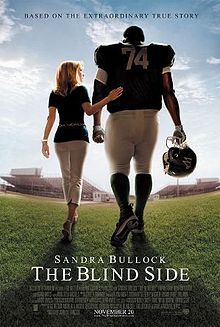
If you’ve seen The Blindside then you should read ‘I beat the Odds’ (Michael Oher). The Blindside is on my top 10 movies to watch but the book gets inside the life of Michael which isn’t portrayed in the movie.
The thing about both of these books is that they look into poverty and how we think we should ‘fix it’. I’m not going to discuss that as much as what the curse of poverty does.
While we all go through times of not generating enough money, abstract poverty is way more than that.
Here’s some of my thoughts on it, and I look forward to your comments.
1. Poverty gives you no options.
Probably one of the few options it does give you is which child will go to school. Beyond that there isn’t much else to tell. Even though you know that fruit is better for your children, you can’t afford it so you buy something full of sugar. Coke is cheaper than water in Kenya. The quality of what you can buy is low, which actually means you spend more on replacing them. You are forced to work two jobs, leave your children unattended, and can’t ensure they’re actually going to school or doing their homework. If there is one meal a day, regardless of how hungry you are, there will be no more food.
2. Poverty does not allow you to create a future.
When you are stuck in the cycle of poverty, you cannot foresee a future because all you are worried about is surviving today. The thought of going to university or some form of training that will increase your chances of earning more are not even thought of. Your next meal or the next rent payment is all that can consume you.
3. Poverty is a cycle that goes around and around.
Just when you think you might get a break, something else happens to steal away an opportunity. When you’re in this cycle there is no option for saving for a rainy day, the present consumes all resources. For those whose income is derived from agriculture all it takes is for the rains not to come or be delayed for months. This may go on for years. A sick child may take all the money you have, and because in places like East Africa you must pay all before they are discharged, you have to borrow the money from other family members.
4. Poverty steals your dreams.
While you may want to follow a certain profession, the reality is you will never get there. Not an if, but or maybe, just a never. That’s because the education system culls students who don’t make the grade, or your parents have to pay a bribe to the teach to let you through. Even if you get qualified there aren’t enough positions. There are many taxi drivers across Africa who are qualified engineers. Unemployment rate in such countries is often 50% or more.
5. Poverty is a curse.
There is nothing good to come from poverty, there’s no upside to it. It keeps children from attending school, is a cause of death for unborn babies, creates an environment that encourages corruption and makes people desperate enough to do things that are morally wrong. There are desperate parents who watch their family members die off because they don’t have a way to get to the hospital nor the money for medication.
I am so looking forward to getting my hands into training young people to help them get themselves out of poverty. As Michael Oher states in his book, the odds even though they may be stacked against you, can be beaten.
 thewildcreanberries