Do We Know What We’re Doing?

It sounds awesome to spend a few months on the road camping and seeing some of the amazing wildlife and scenery of Africa. The closer we get to going on safari (trip) the more nervous we get about making sure we’re really ready to go.

I just read about a couple who were on safari in South Africa who were in a rooftop tent and a lion came up and started making holes in their tent. When you hear of safety precautions like not visiting the toilet at night and sitting with your back to the vehicle, it makes you a bit nervous.

This week we aim to buy an air horn as apparently that will keep the lions and leopards away.

One thing we’re doing is knowing how to put up our rooftop tent properly. It’s taken a bit of practise but once it’s up it’s great. We bought it from an American missionary who had been in Djibouti for 10 years but came back to Kenya occasionally for a rest, and camping. Unfortunately he got cancer so had to spend a few years going back and forth to the US for treatment. Once he got better, he and his wife decided to return permanently to the US to take up a leadership role in a church.

We bought the tent off him and it had hardly been used.

When we went to Northern Uganda last year to build some toilets, we slept in it for a few nights. It was way more comfortable than what we anticipated. You definitely have to be careful for a midnight toilet visit. It took is a few days to realise there was another piece that attached to the ladder to make it lean on a better angle.

We haven’t slept in the tent when it is pouring down with rain, but it does have a waterproof cover on it. I guess we’ll find out very soon.

There are a couple of windows in the tent for ventilation and lots of pockets on the inside walls for putting in things such as phones.

You can hear everything from the tent, so if we’re in a campground that is noisy, we’re going to have to suck it up. I’m a light sleeper, so hear every animal moving, birds singing and people talking – even from a long distance.

Do we actually know what we’re doing? Sort of, but in the end like everything else, we’ll just have to figure it out.

Where Do You Sleep?

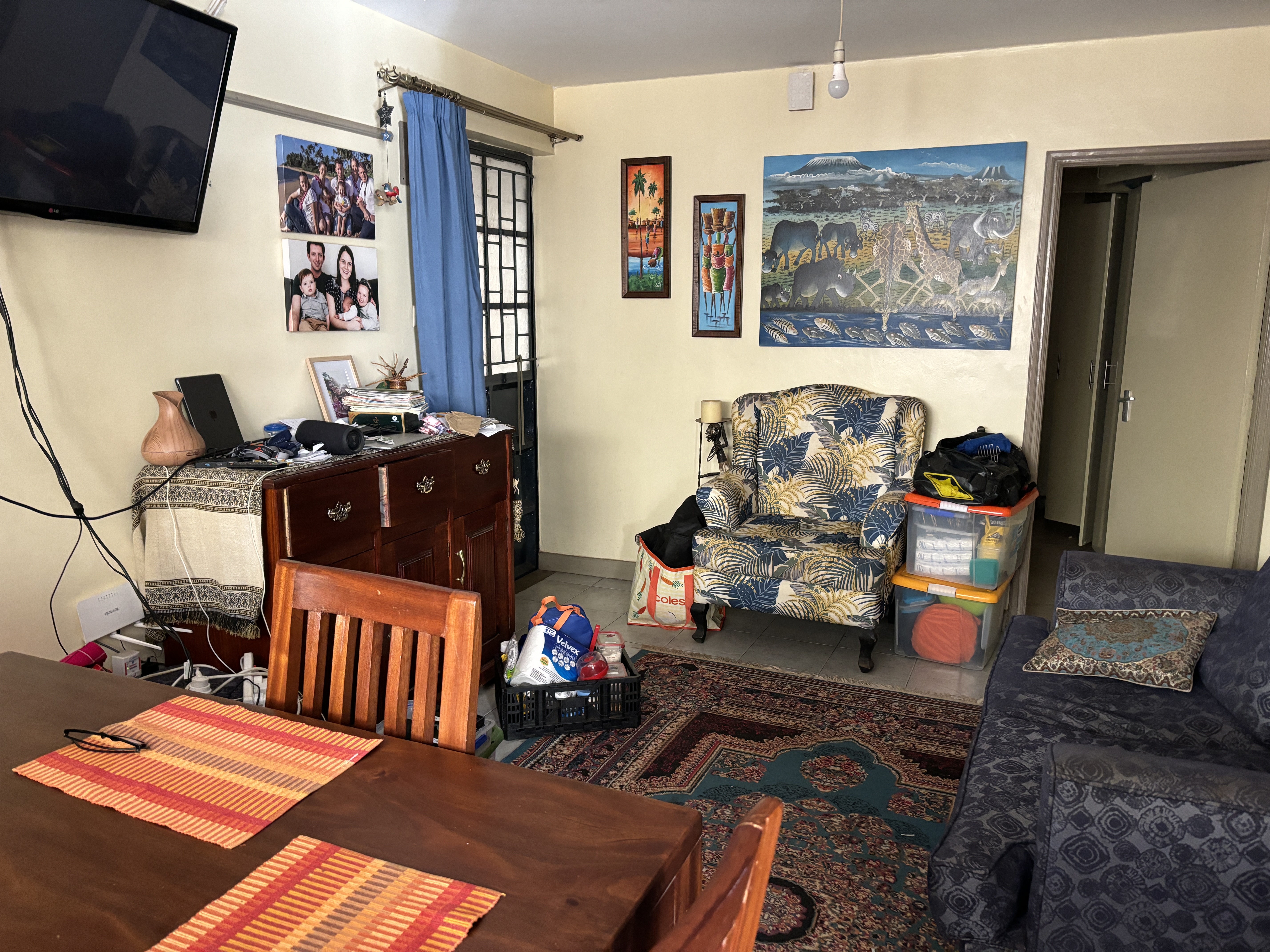
Our home is a rented two bedroom apartment in a suburb called Jamhuri in Nairobi. It’s really small but it’s affordable and across the hallway from the office. That means it’s a quick 3 second trip between the two.

The downside is that it doesn’t have a security grill, only a direct door to the hallway. If someone comes to the door, you have to ask loudly who it is. It’s a bit of a dodgy area but we actually like it. Downstairs is a open air marketplace where you can buy fruit and veges, as well as a supermarket.

Our lounge/dining area which currently has lots of camping gear ready to go.

When it comes to camping, it’s a whole other story.

We have a rooftop tent that we adults sleep in. It has a thin mattress, windows and you have to go up in it with a ladder. The downside is that if you want to go to the toilet in the middle of the night you have to go down the ladder.

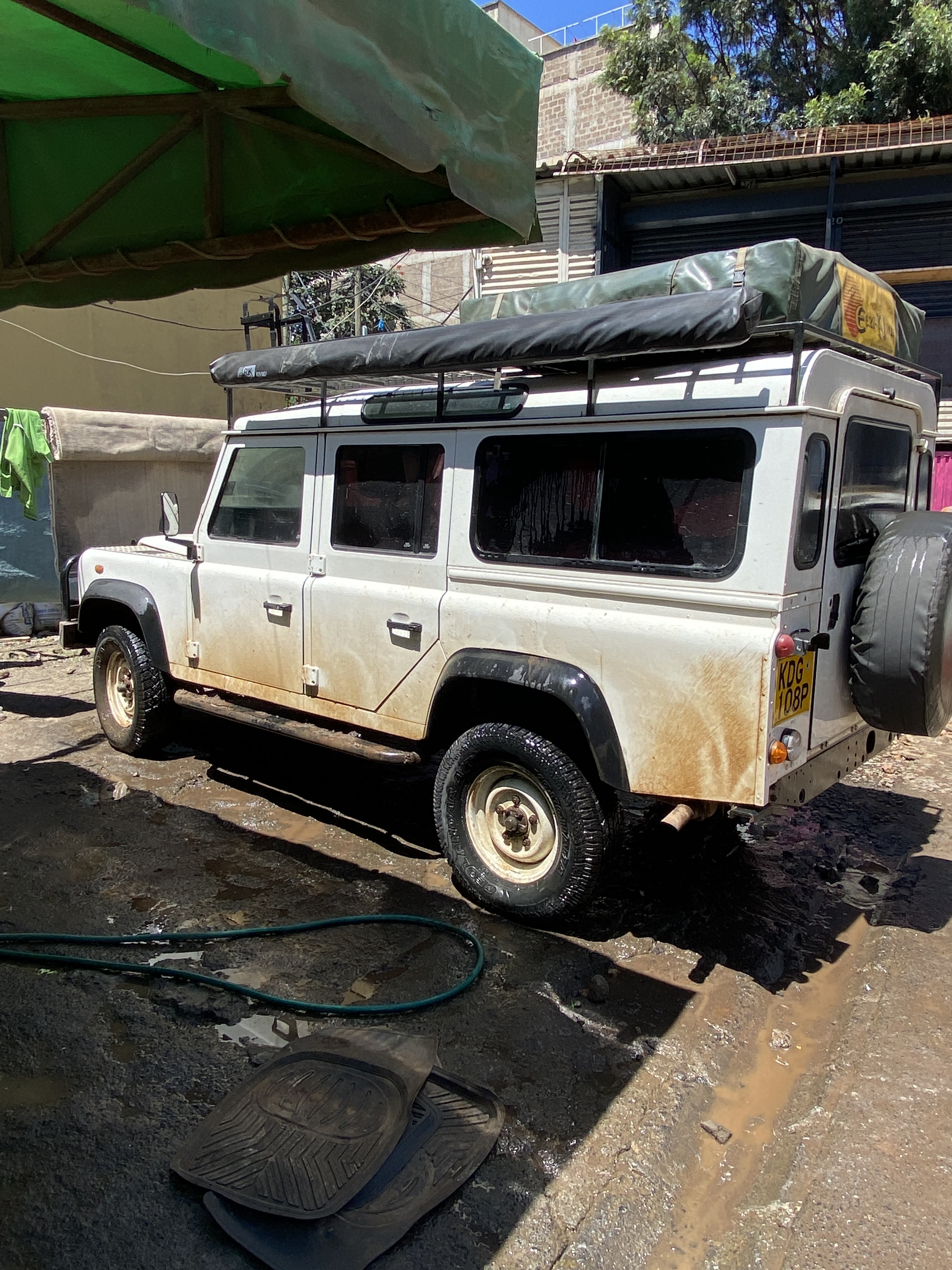
Liz sleeps in a side room on the ground that comes out from the Land Rover. When we first had to put up it took a bit of working out but now it makes sense. It has sides you can let down for fresh air but keep the mossies out. Liz will have direct access to the landy at night just in case there’s a lion or leopard roaming around.

Check out our quick video of how we set up Lizzies room here.

Big News!

When we started BeyondWater in 2007, we established a Board of Directors. Their job is to set up policies, procedures and as much as possible, ensure our future. This is not always easy when we’re based in Kenya and they in Aussie.

All of our boards are hand picked business men and women who have a passion for bringing about positive change through our work. We’re all in this together.

A couple of years ago, our Aussie board asked us to consider taking 6 months off for a sabbatical/long service leave. Can you imagine Pete sitting around for 6 months? Not only is he a sanguine, he has ADD and needs to be doing something practical, otherwise we all suffer. I get what they were saying, it’s time we took time out to refresh our batteries for the next season of the work.

We managed to whittle it down to 3 months. It’s still a long time and also means we can’t do fundraising when we go. We normally travel a few months a year in the US, Australia or New Zealand but if we were to take three months off, this wouldn’t happen.

We looked at doing short courses but nothing came up. Going back to Australia to see the family would’ve cost $10,000 just in flights – and it’s very expensive being there. Would’ve been great to go back and see them but this will have to wait until the end of 2025.

So, we’ve decided to take 12 weeks leave and drive in our landy all the way down to Namibia and back. That means going through Tanzania, Zambia, Botswana, Namibia, South Africa and maybe even Malawi. We’ve all got things we want to see, the big one being Victoria Falls and the deserts of Namibia.

We were going to leave at the beginning of May but because we got back from New Zealand later than intended, we’ve delayed it. We might go at the beginning of June but we’ve a few things to wrap up in the office – like taxes first.

Check out our announcement here:

16 Years & Counting

In 2007, we came up with a crazy idea to give people across East Africa better and safer access to drinking water. Thus, BeyondWater was born. Originally it wasn’t called BeyondWater, because we were going to partner with a company in the USA, but in the end we decided along with our Board of Directors to go it alone.

Fast forward 5 years and we found ourselves moving to Nairobi, Kenya. The plan was to volunteer part time with some kiwis who had their own program and do BeyondWater part time. After two years, we parted ways.

It was then that things really started coming together. We had one part time person, then another and then we increased days and staff. We moved into a very small office and after a couple more years had to find somewhere bigger as our staff numbers increased.

Our original plan was to go back every few years to touch base with family and donors, but grandkids changed all that. Our youngest daughter Hannah, got married and then for the next few years kept birthing children. So, we (or at least Sharon) travelled back and forth to New Zealand and ended up speaking to community groups such as Rotary and also in schools. This actually set up a pattern for the next few years.

16 years later, we are active in several countries across East Africa. We have a large team based in Nairobi, community workers across Rwanda, Kenya and Uganda and Board of Directors in Australia, New Zealand, the USA and Kenya.

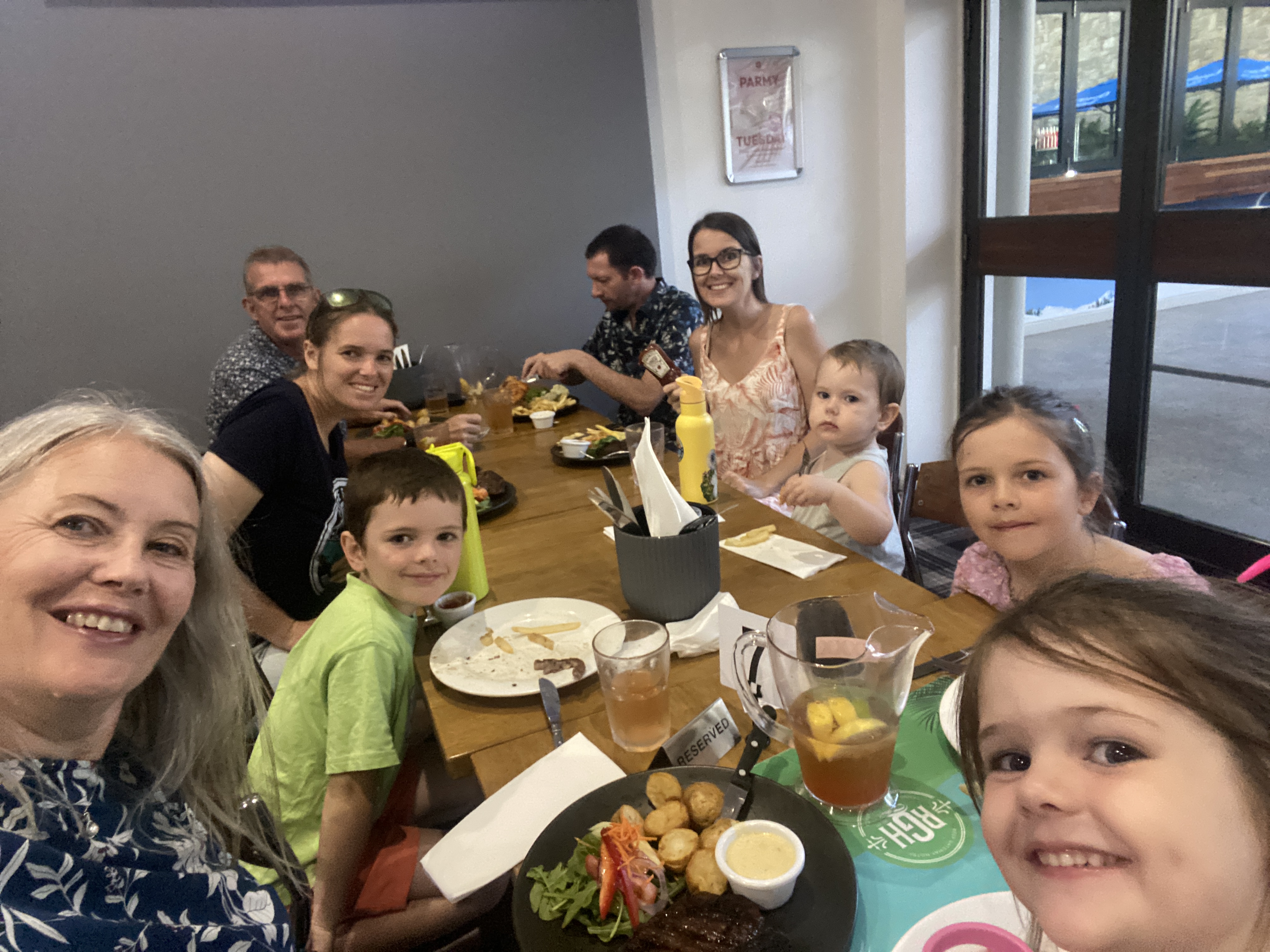
With the family in Aussie

In November 2023, a wonderful couple from C3 Frisco in Texas surprised us with this video celebrating our 16th anniversary and the 240,000 people who each day get access to clean drinking water and sanitation facilities.

We don’t see ourselves as missionaries, but just normal people who stepped out to do something to help people help themselves. Yes, we have our personal faith in Jesus Christ, but BeyondWater was set up as a community group.

Giving out sanitary products in The Girl Project

We’re Back!

I wasn’t sure if I should try and get this blog going again so I’m giving it one more year. Liz and I have just finished our first week back in Nairobi. It’s the first time I have been here without Pete, but only two more weeks and he’s on home soil.

So what did the first week entail:

  • Getting Liz into a routine in a new country
  • Sorting out her phone, making sure she has Mpesa for funds
  • Going through all the work laptops to make sure they’re updated and protected
  • Lots of shopping for stock at Carrefour
  • Going to church at ICC
  • Team meetings
  • Going to the gym
  • Lots of washing clothes by hand
  • Bucket showers

What’s the gym like?

We go to Smart Gyms at the Junction Mall. It’s a 15 minute walk from our apartment and depending on traffic, it could take that long to drive. It’s certainly not cheap, and at 13,750Kshs ($176) for 3 months you want to make it worth it. It’s modern, has music going, water available and the best showers.

Why do you hand wash your clothes?

Our apartment is so small that there’s no place for a washing machine. I’ll do a blog on it one day to show you what it’s like. The weather here is good so things only take a day to dry.

Why bucket showers?

When our 1,00litre tank runs out, the pipes get air bubbles in them. That means very little comes out of the taps, including the shower. I didn’t know how to get the air bubbles out so our friend Ayub came to the rescue. Once I sussed it out, it was no problem. Our landlord gets water in when Nairobi Water fails to supply, which is basically all the time. We had water for a couple of days and that was it. We have spare water containers around so that’s used for the toilet. Before I figured out how to bleed the pipes, it was a bucket shower for us. You can also have a bucket shower with just one litre of water.

While it’s been good to settle back in, we’re both looking forward to Pete returning home.

Why I Went Grey

Whether you spell it gray or grey, it’s not blonde, brown or red.

I got my first grey hair at the age of 21. I was sitting outside a friends house when another person said “Sharon, you’ve got a grey hair!” and promptly pulled it out (thanks Mrs. Haines). It’s all been downhill from there.

In the end I ended up colouring my hair once a month. In Kenya it’s pretty expensive to buy the hair dye so I would get it in bulk when I was back in Australia and it would keep me going for a year. I’d do it myself because it was way cheaper than going to a hair salon.

I made a decision that by the age of 50 I wanted to stop dying my hair. That was easy to say but what about the important thing – what my husband thought.

I started by researching online, watching YouTube videos and seeing photos of people who looked fantastic with silver hair. Silver sounds more glamorous than grey. Pete was silent on the matter, which meant he didn’t approve. Basically he didn’t want an ‘old looking’ wife. Fair enough, but he wasn’t the one putting chemicals on his hair and therefore going into your body.

So, I stopped colouring my hair about August and when the skunky look happened I started using a coloured hair spray. It’s one where you match your hair colour with the bottle and just spray it on. It’s fantastic, but only till you wash your hair again. When you go running every second day, it was becoming a drag.

hairWe were heading to the US in December on a speaking tour so Pete suggested that I invest the most money I’ve spent and get my hair professionally done. I went into the salon in Nairobi that specialises in foreigners hair, which is totally different from Kenyans. I told the lady that I wanted it to be highlighted as I was growing it out. I walked out exactly the same, and cried. Thankfully the owner organised for it to get redone and I absolutely loved it.

The first thing Pete said was “You look just like your cousin Jeanette” This is the only thing I felt I had ever really been selfish and done for myself, and I was okay with that.

And I’m never going back to colouring my hair.

In most cultures, having grey hair is really not appreciated, in fact, it is very much looked down upon. Well, too bad, my grey hair is going to stay. I stopped colouring my hair simply because I decided enough is enough – for me.

I’m over 50 and I’m embracing the more senior years of my life. We should enjoy each stage of our life and what it offers. Be comfortable in your own skin, and if you feel you need a few adjustments or something that makes you view yourself better – then go for it.

So if you want to go grey here’s some things to consider:

  • It will take at least 2 years to grow it out
  • You’ll need to put oil in the ends of your hair to stop it going straw like
  • There’s a high probability that you’ll need to change your makeup colours
  • Use purple shampoo once a week to stop the ‘brassiness’ that can occur
  • Get regular hair cuts to promote hair growth


The Tourist v The Resident

We often get short term visitors here in Kenya, some for just a night, others for a week. Not many come for a couple of weeks as they’re usually passing through on their way to another country. We always go out of our way for visitors, but I think they assume that’s how it always is. For our last visitor we bought bacon but I don’t think he has a clue that we only buy bacon once or twice a year – it’s way out of our budget.

We’ve been living here for 5 years and before that travelling back and forth for another 5. The longer we are the more interesting observations we’ve made.


Clothing

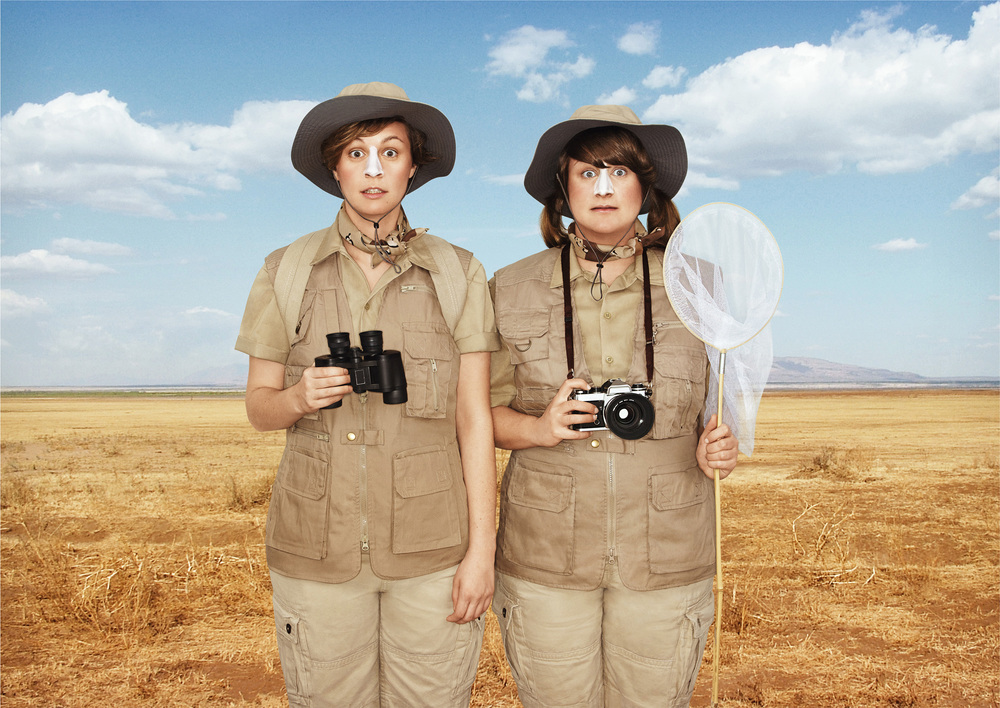
Tourists like to wear khaki coloured shorts or shirts. Naturally, when they go out on safari, this is the chosen colour. They also wear funny looking sandals. Too often, we see people wearing inappropriate clothing – like super short/tight shorts – it doesn’t leave much to the imagination.

As a resident, you know to wear covered in shoes because its so dusty and the ground dirty. I’m always jealous of Africa women because they can get away with brightly coloured clothes. Me, I’m just emerging into florals. Khaki is only for safaris that’s for sure. Unfortunately we are seeing more locals wear shorter clothing but nowhere near what we see in the West – thankfully.

tourist


Photos

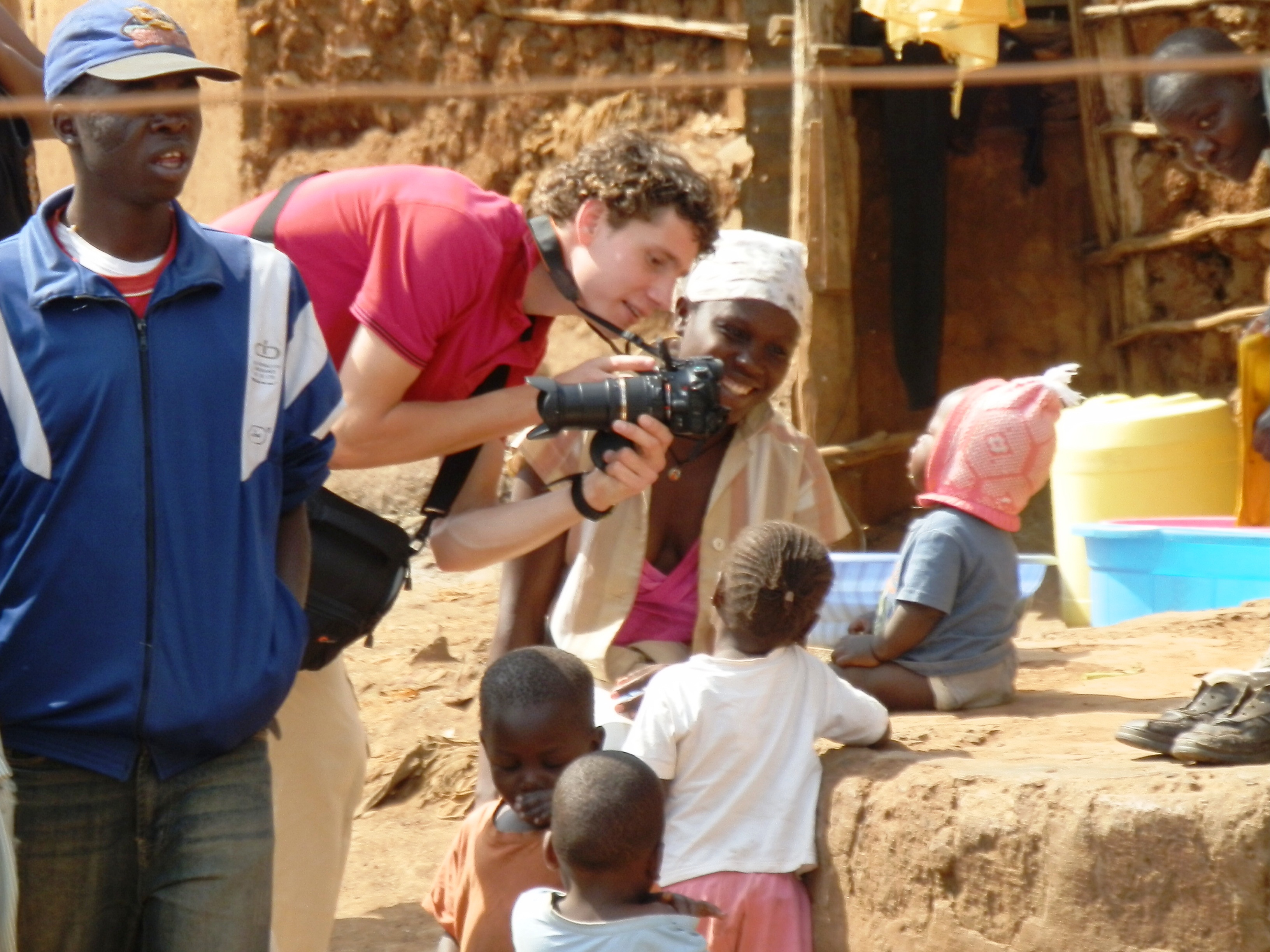
Yep, you can spot the tourists as they all hang their cameras around their necks. They whip out a camera and take a billion and one shots – without asking the person. They are happy to shove a camera in the face of a stranger and snap away and then wonder why the person asks for money.

As a local you learn pretty fast that you don’t win friends that way. No one likes having their photo taken without permission. It’s also not safe to walk around with a camera. Nothing says ‘steal from me’ than a camera on your body.

OLYMPUS DIGITAL CAMERA

Security

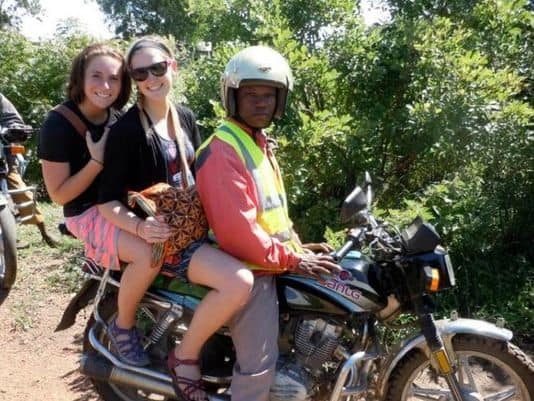
I feel afraid for people when I see them walking around as it gets dark. It starts getting dark at 6.45pm and pitch dark by 7pm, it happens that fast – every day. I also see people on the back of motorbike taxis with no helmet or safety gear. It’s not like you can grow another head or anything!

Our daughter Liz travels lots of places on the back of a bike, but only if she wears a bright protective jacket and she has her own helmet. Once, her driver skidded on mud while he was taking a short cut and she ended up on the ground. It totally shook her up but reinforced the need for safety gear. We try not to drive long distances when its dark, there’s just too many people who walk around and vehicles without any lights to make it worth it. You have to have a plan if you want to last long term here. That includes not walking around when it starts getting dark. There’s been way to many muggings for that.

bike

Money

Tipping isn’t compulsory here but when you get good service, it’s appreciated. Our biggest note is 1,000 shillings, equivalent to $10USD. At one meal out with some visitors someone dropped in a whole 1,000 shillings, against our protests. For him it was nothing, but for us we could see the ongoing issues with it. The waiter was impressed because he was getting a great amount, but then it reinforces the thought ‘all foreigners are wealthy and we ‘poor Africans’ should be looked after’.

If we are just getting a coffee, we’ll give 50 shillings (65 cents), if it’s a meal, it will be 100 shillings ($1.30). If there’s a large group we’ll add another one hundred shillings. You have to think about the affect of what you do on the communities you work with.


So when you come, and we hope you do, please listen to us – we might just know a thing or two about the place, the culture, the people. This is their home, this is our home.


White People!

A few weeks ago I was talking with someone back in our home country who was trying to help out a friend who was travelling to East Africa to volunteer for a couple of weeks. This person had been before, for a few months so had a small insight into some of the challenges visitors have. No matter what she said, the other person was ‘I know, I know’ even though they had no clue what they were letting themselves in for. My friend said in exasperation “White people!” (she is white herself).

I just laughed as those two words sums up the frustration many of us have with visitors.


It doesn’t matter how many books you read or movies you watch, you just ‘don’t get it’ until you spend some time here on the ground – and with an open mind.

tourist


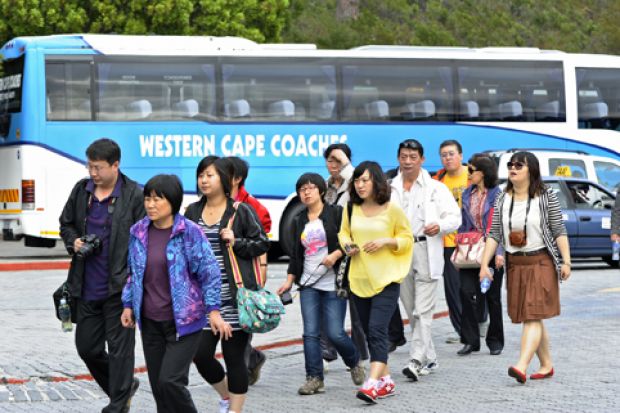
We recently spent a day with some people from overseas who had been here a long time ago. No matter how many times we told them not to, they became happy snappers, wanting photos. I know it’s always exciting to be in a new place and try and capture as much as possible, but we and our team actually live here and have to do life with the people you’re wanting to photograph. Too many foreigners have come with their cameras, climbed out of their large safari vehicles, snapped some shots (without asking permission) and whizzed off again.


It makes people feel like they are animals in a zoo.


So here’s some tips for when you go to a new country, whether it’s developing or not:

  • Learn some of the local language, like greetings
  • Wear appropriate clothing
  • Ask before taking photos
  • Carry little cash on you
  • If you don’t like something (like the food) keep it to yourself and try not to show it on your face (out of respect for your hosts)
  • Don’t take your security for granted


When you’re in a new place, it’s not like home, it’s different, and different is good.


If you’re visiting for a short while, you’re a tourist. Even if you go somewhere for a couple of months, you’re still a tourist. Anything up to two years, and you’re still a visitor.


Please have respect for the local culture, take things slowly, and pretend youre back in school – it’s a great learning experience.

tourist-2


The Medical Gap

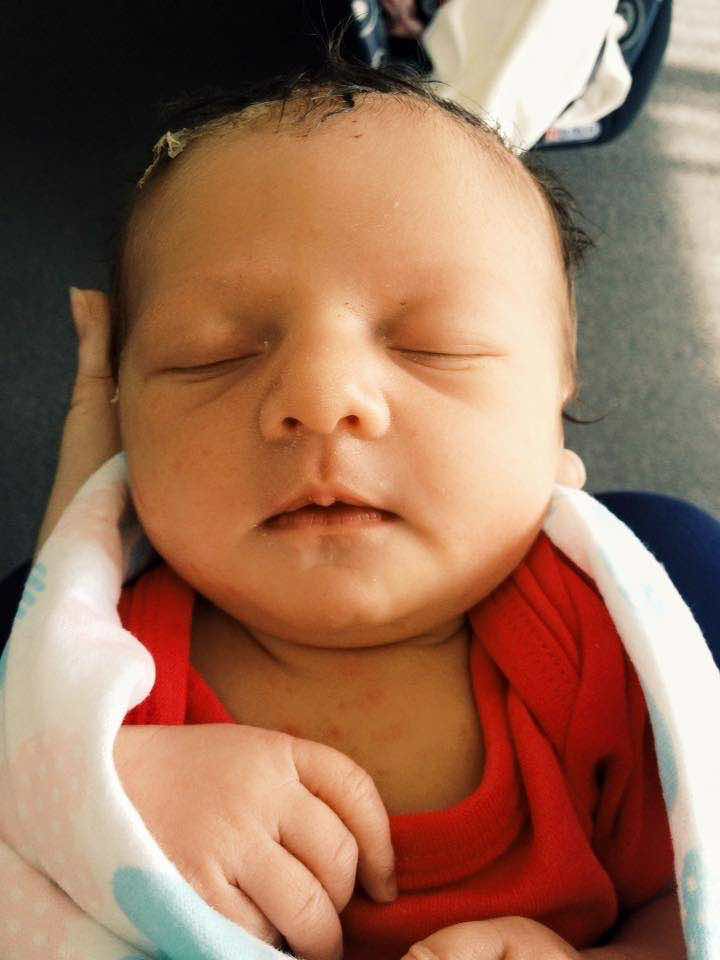
As pretty much the entire universe knows, our youngest daughter gave birth to the most perfect baby girl on Wednesday. But it hasn’t been without its dramas.

Hannah has had gestational diabetes throughout her pregnancy. That means she has had to cut out sugar, reduce her carbs and test her insulin levels 5 times a day. There’s extra scans and monitoring baby growth closer.

Baby had been super active in the womb and it was all looking good that the doctors had decided to let Hannah go right up to the 40 week mark, where originally they were going to induce her at 38 weeks.

And then baby stopped moving.

This was one of those events that stops your heartbeat. I suggested to Hannah to call the midwife whose care she was under, who said we should immediately go to the hospital. Luke (Hannah’s husband) drove pretty determinedly but there was this heavy silence in the car. No waiting, they saw us straight away. The relief experienced when we heard the heartbeat was huge. They decided to keep her in anyway.

Although baby’s heartbeat was good, the doctors had decided to induce baby on the Tuesday night. Not sure why they chose nighttime as the morning seemed a much better idea to me.
babe

I was really impressed with the staff, the quality of care but mostly the concern for baby and mother. The resources and technology are amazing, way better than when I had my kids 25 years ago.

Of course, it all got me thinking about the huge gap between what is available here and that in developing countries. I’ve friends in Kenya who have had babies and it’s a whole different world there.


  1. The God Factor

I call it this, because there tends to be a thinking in East Africa from people in certain positions – medical staff, police, teachers – which says ‘Don’t you know who I am, I must be obeyed without questions at all times’.

Kenya: You would never dare question what the doctor says and you simply don’t ask.

NZ: They give you informed options and don’t flinch if you question them ‘why’ or ‘could we try this’.
hospital 2

  1. The Price

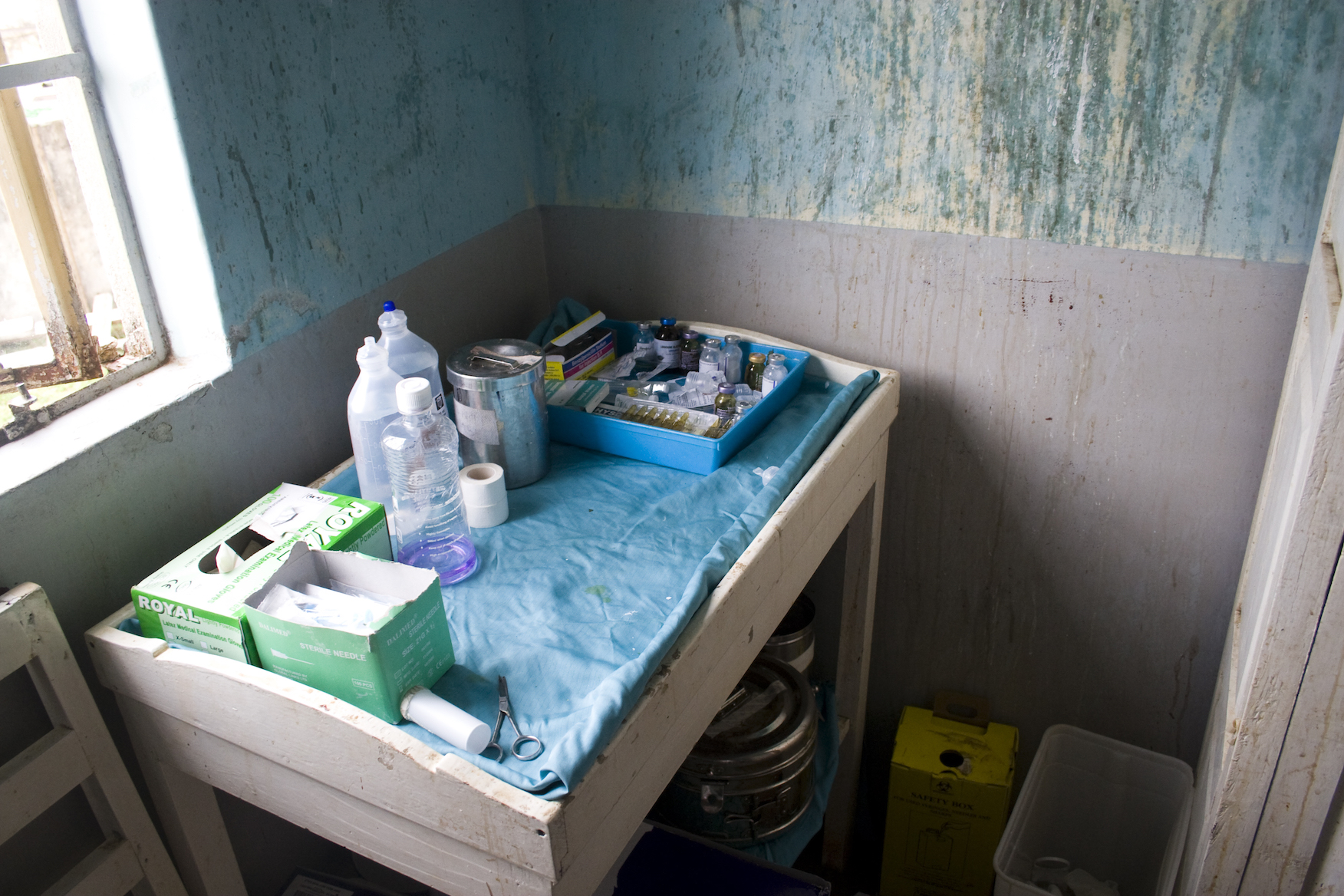
Kenya: While there is a policy of free maternity care, practically it’s not so. You need to pay for services like scans. I’ve close friends who didn’t have the $30 for a scan and had a breach baby who died 20 minutes after birth because of complications. The emergency cesarean section would’ve saved his life but that was around $800. They only earn $200 a month. You need to take everything in with you to hospital.

NZ: Every single thing is free. Food, personal bathrooms, sanitary products, scans, hospital stay, sheets, pillows and even free wifi.
tray

We met a young 18 year old who had been raped and become pregnant. We arrived on the day she gave birth to her son. She was not allowed to leave hospital because her family did not have the funds for payment. Every day she stayed the debt was accruing. No doubt the family had to borrow money to get the girl home.


  1. Rooms

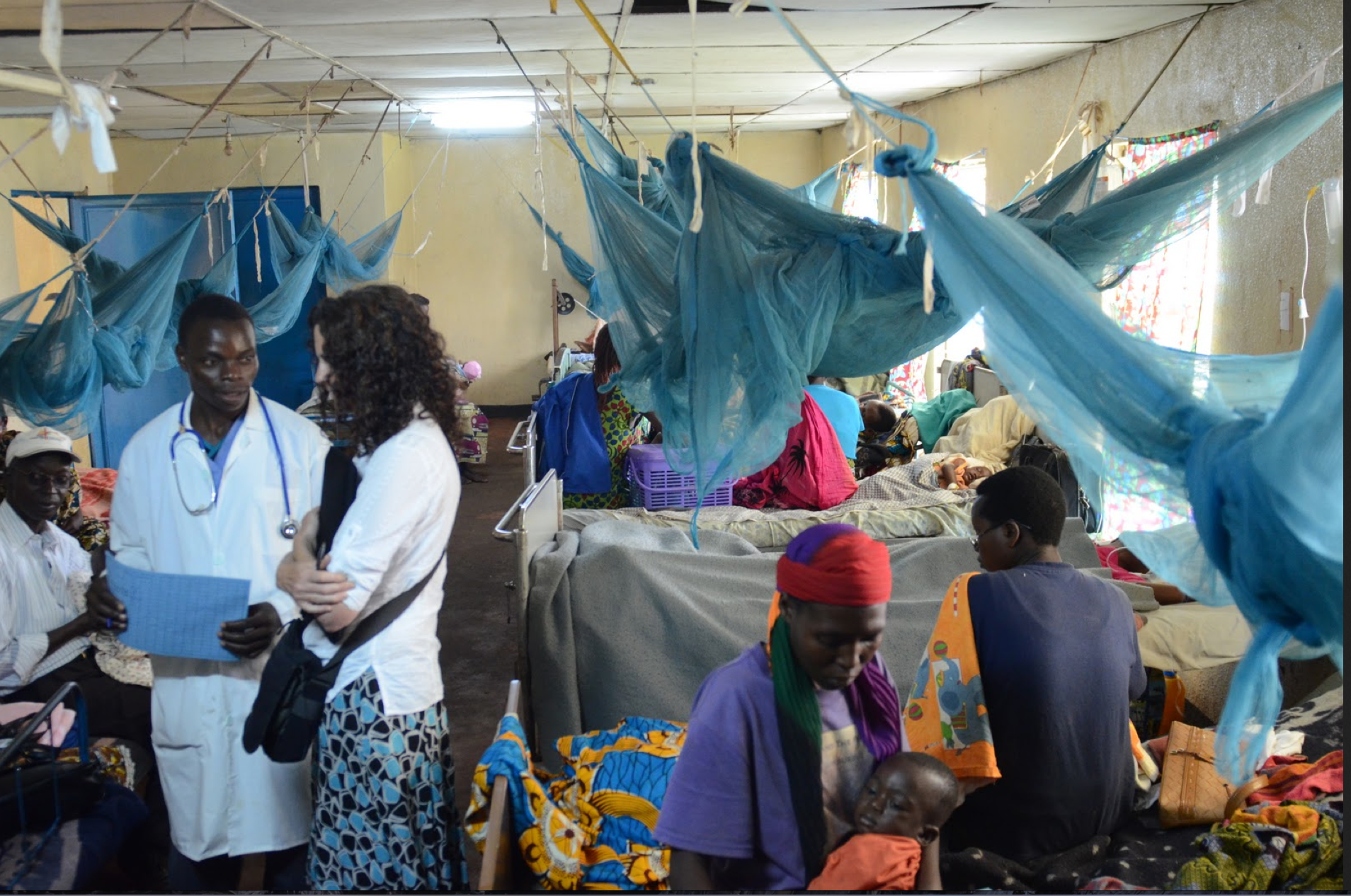
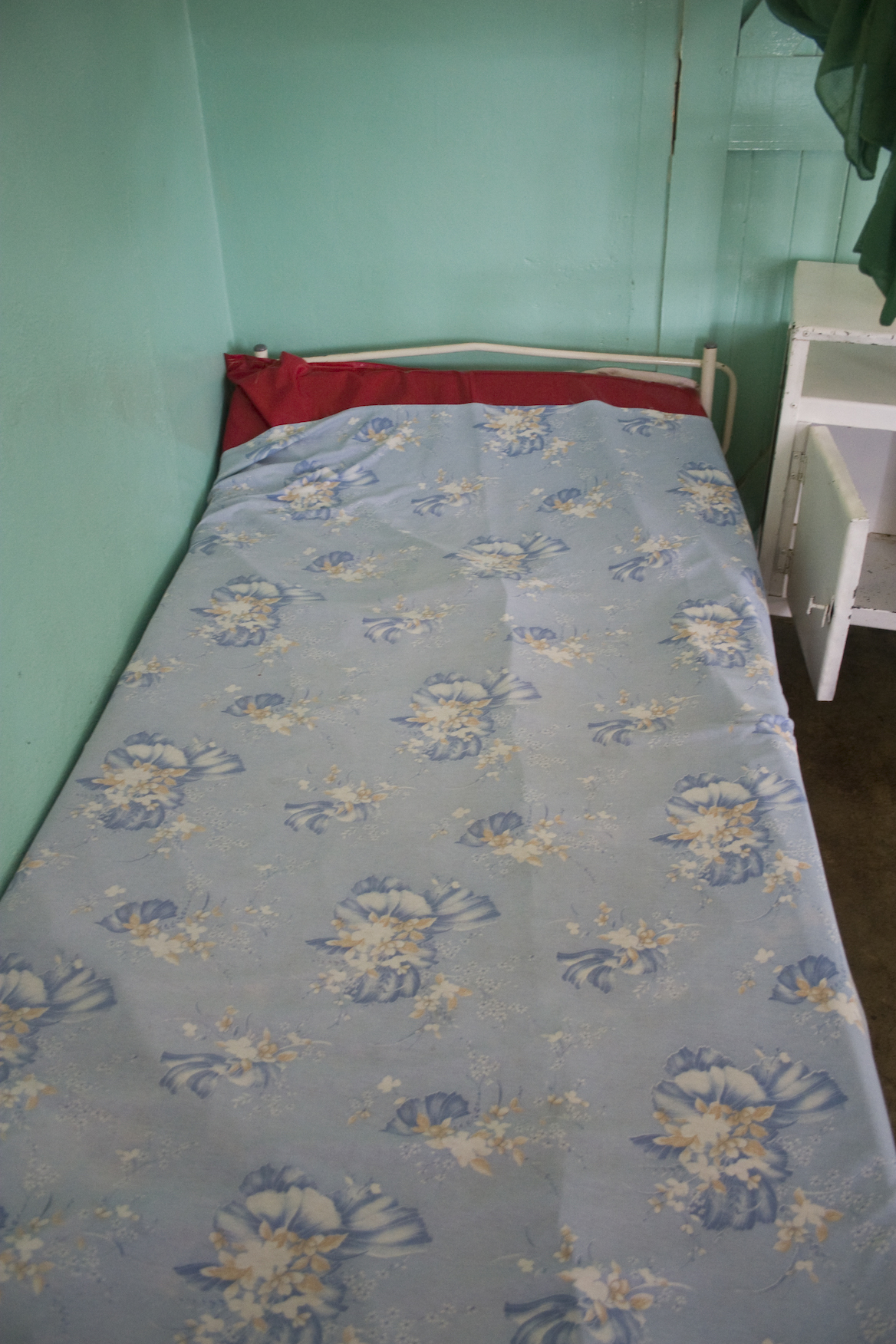
Kenya: Don’t be surprised if you are sharing a room with 8 other women. Imagine a metre between your bed and the next. Babies are often kept in a nursery, except for feeding.

NZ: While there’s the odd room that will have 4 beds in it, most are single or doubles. Baby is in your sight at all times, in a plastic bassinet beside you.
hospital 1

  1. The Birth

Kenya: I’ve yet to meet a Kenyan man who has been in the birthing room. It’s just not done any other way. In rural areas it’s older women who assist.

NZ: At the hospital our daughter went to, you could have as many support people as possible. In the birthing unit you could have two.

Nairobi has a few really good hospitals, so if you can afford to go to them you do. One is notorious for bad after birth care, but people go there because it’s free.

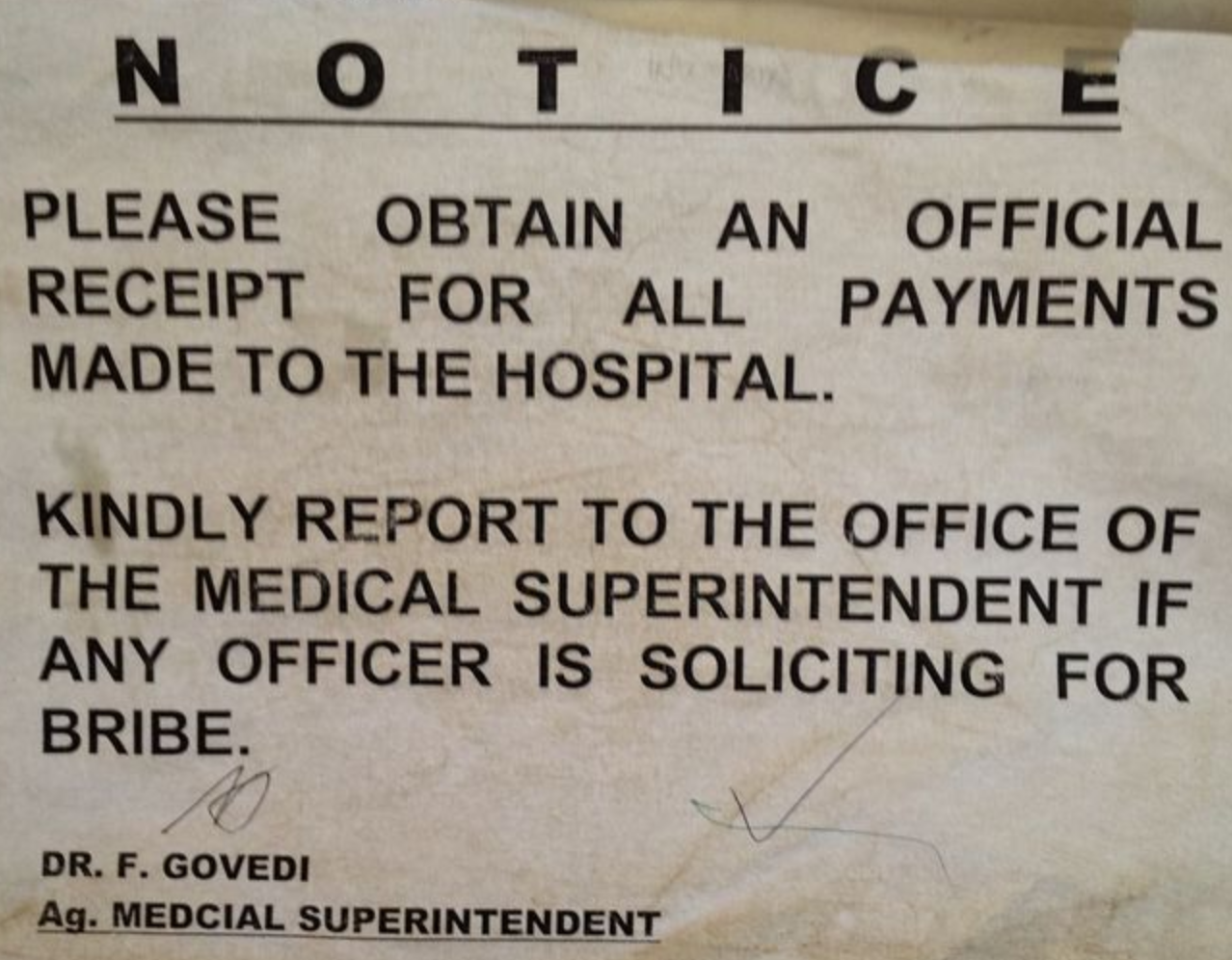
Our close friends whose baby died not long after a breach birth were forced to go to one such hospital. She should’ve had a c-section but the staff said to her that the lines to the theatre were long and ‘she carried small so she should deliver okay’. Of course, as in Kenyan culture, the dad went home (by public transport) but was called back because something was wrong. When he got there he was told his son had died. He never got to hold him because there was ‘confusion’ to the whereabouts of his sons’ body. He was told it was in the morgue, went there and they said to him he was on the ward. Went to the ward and was told he was in the morgue. What the attendants really wanted was bribe money. A terrible experience to an unnecessary tragedy.

Of course, if you have money, nothing is a worry. I’ve friends who’ve been in birthing centres in Nairobi and loved it. I’ve also known people who travel for half an hour on a motorbike to a rural clinic to give birth, all by themselves.

I applaud the work of Kenya’s First Lady – Mrs. Margaret Kenyatta in creating Beyond Zero which aims to improve maternal health. She is using her position to bring about awareness and change in a much needed area.

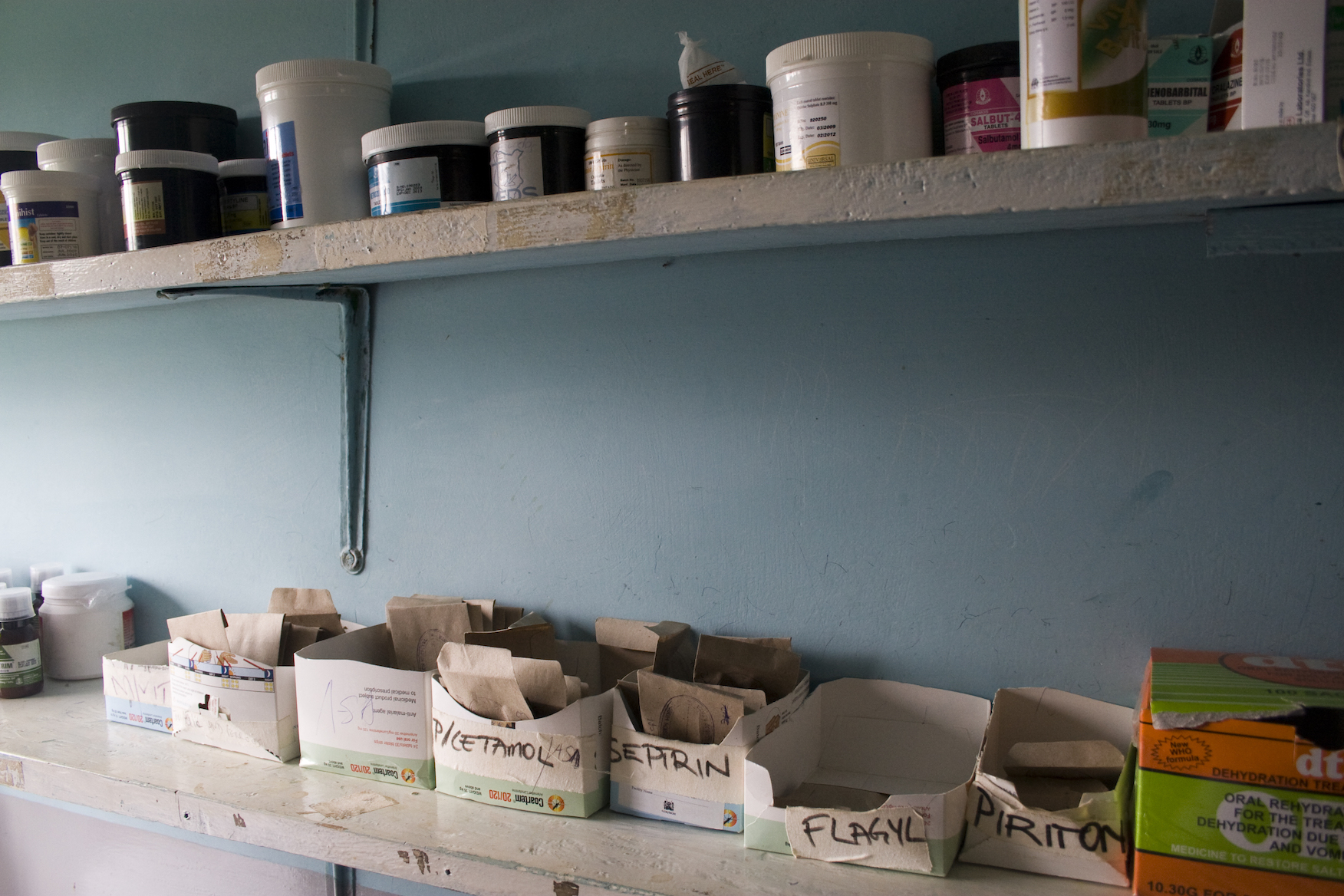
Me, one of my goals to is ensure that remote medical clinics have access to water, latrines and hand washing facilities. It’s high on our 3 year goal.
bed

Every life is precious no matter where they are born. For me, I’m getting to enjoy my short time with Isabella Rose and find inspiration every time I look at her to help other children across East Africa have a great start in life.
drugs


The Challenge of Exercising in Nairobi

Nairobi is not the easiest place to keep fit. There are lots of gyms popping up but there are very few places you can get out in the fresh air. We have Karura Forest which you can walk or run through, for us it’s a 30 minute drive away. If you’re into tennis there’s a number of courts to hire. Some people risk their lives biking. I think Nairobi has one actually hockey field but it’s under construction. We have the only ice skating rink in East Africa and costs $10 for a one hour session.


IMG_7588

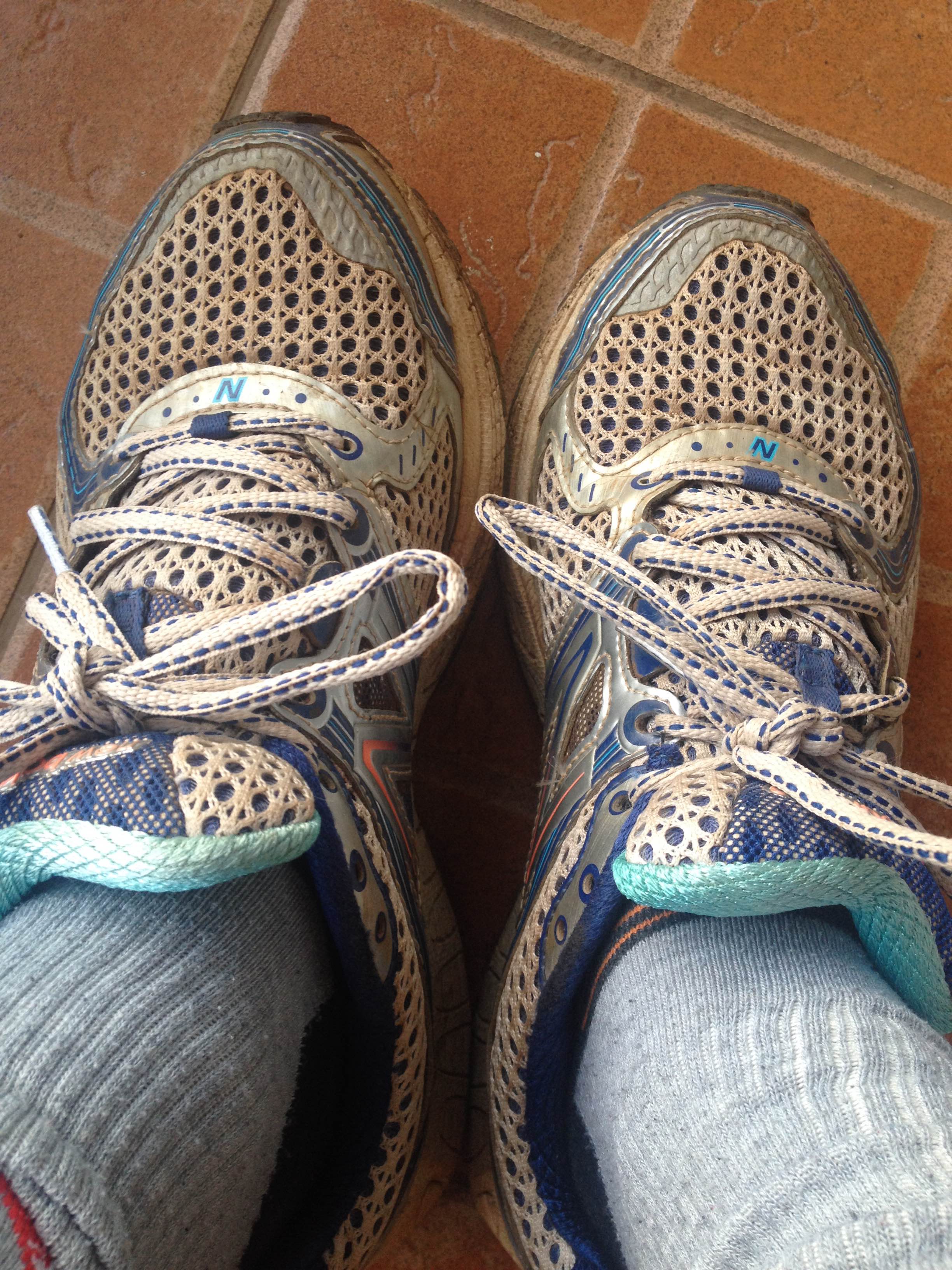
My faithful runners have kept me going for 5 years

So there’s not a lack of variety of things to do, you just need to have the budget and time to drive to where you need to go. Liz plays soccer (we call it football here) on Saturday mornings and she’s just discovered volleyball on Friday nights.

For me I like to run.

I like getting out there as soon as the sun rises and it’s safe to be out there by myself. This means the earliest I can go is 7am. Because we’re close to the Equator the sun starts rising at 6.30am, every day and it’s pitch dark by 7pm.

IMG_7593

Normal 7am traffic

I’ve never been a fast runner, in fact it’s probably more jogging than running. I’ve dubbed it my ‘granny shuffle’.

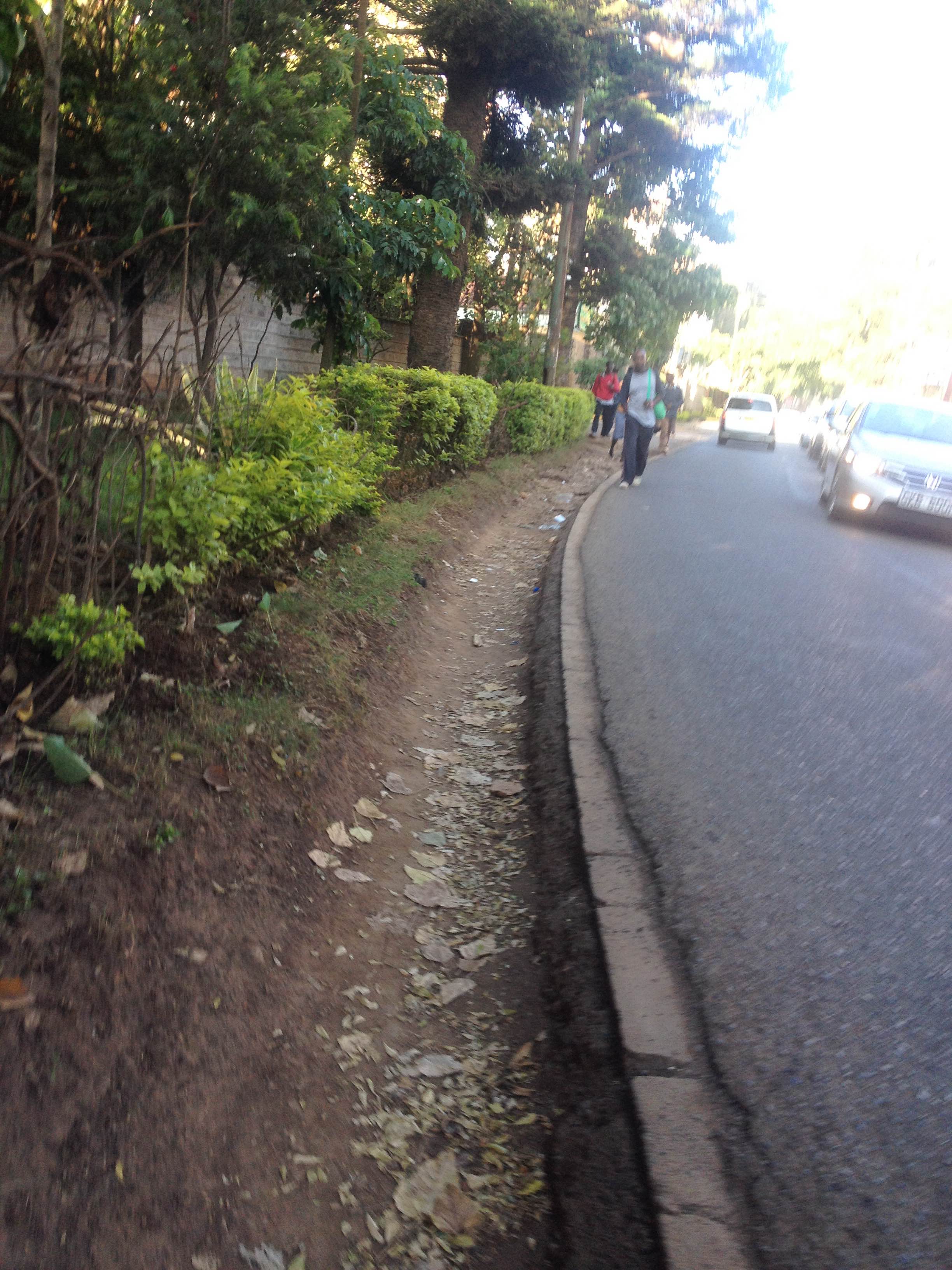
It’s not exactly easy to run here though. Hundreds of people are walking on the side of the road to get to work. 85% of Nairobians rely on public transport. That means they walk as far as possible to reach a bus to take them to work. The average person spends 1 – 2 hours each way to work. That means I have to run in between people, and most don’t move over.

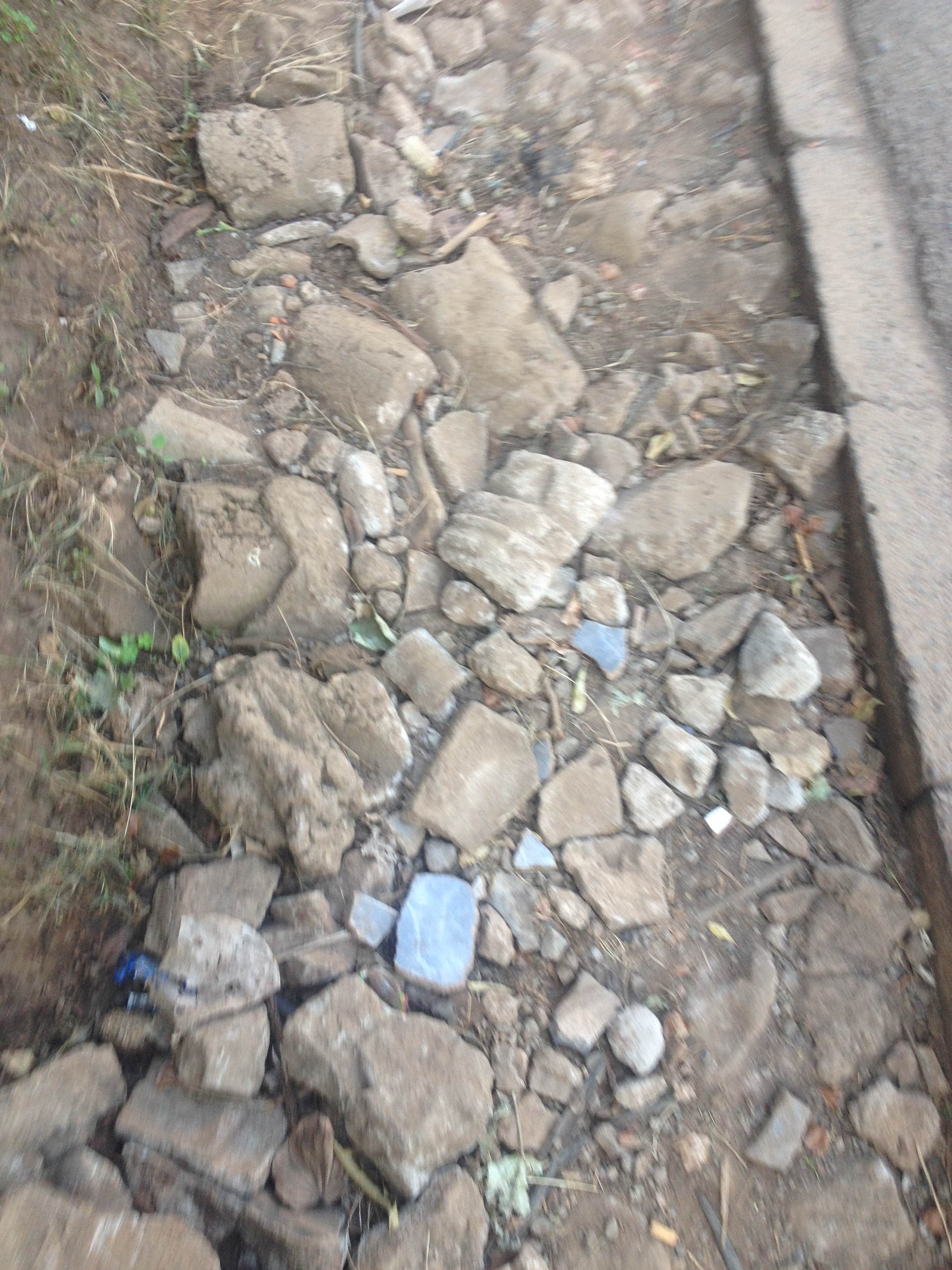
There are very little footpaths in our area. You simply walk on a dirt track on the side of the road. More footpaths are being built which is great, but not around us. I try and run on the road when it’s clear but with the condensed traffic it doesn’t happen much. Some idiot on a local building site decided to put the broken tiles and bricks into a shallow ditch that suffices as a path. It’s really dangerous whether you are walking or running. It’s easy to twist an ankle.


IMG_7596

The ‘footpath’

Buses are my biggest annoyance. The other morning there were 3 school buses outside our compound picking up school kids. The blocked the whole road and don’t care about pedestrians. Just up the road a bus pulled up in front of me and parked up on the only footpath we have. There’s plenty of private schools in the area and kids are picked up from 6am onwards. It’s sad to see the little preschoolers being picked up super early and then they get dropped off at 5pm.

Between the traffic, dirt tracks and people it’s a real challenge to even want to get out there.

However, I’ve found a secret place.

IMG_7594

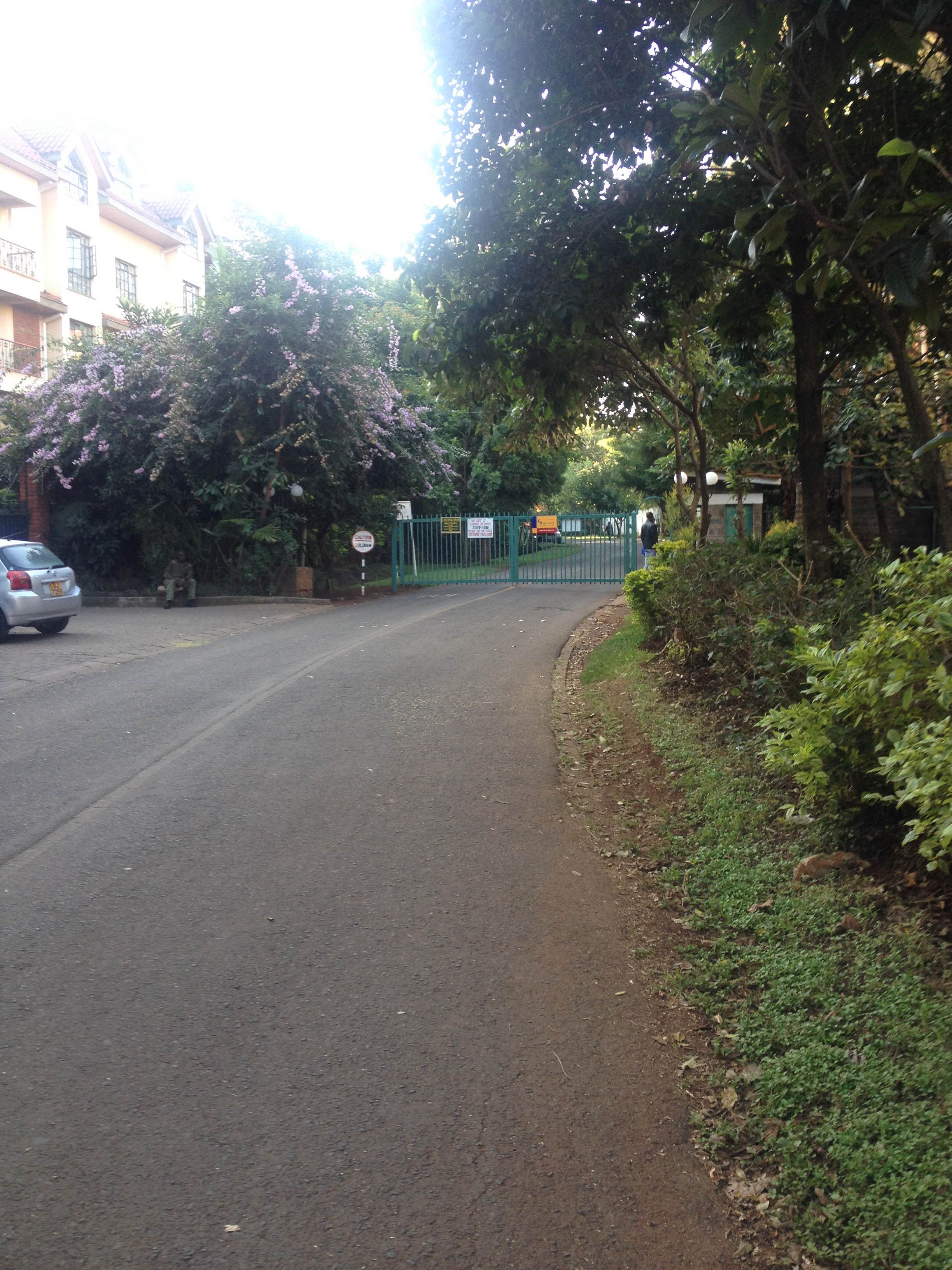
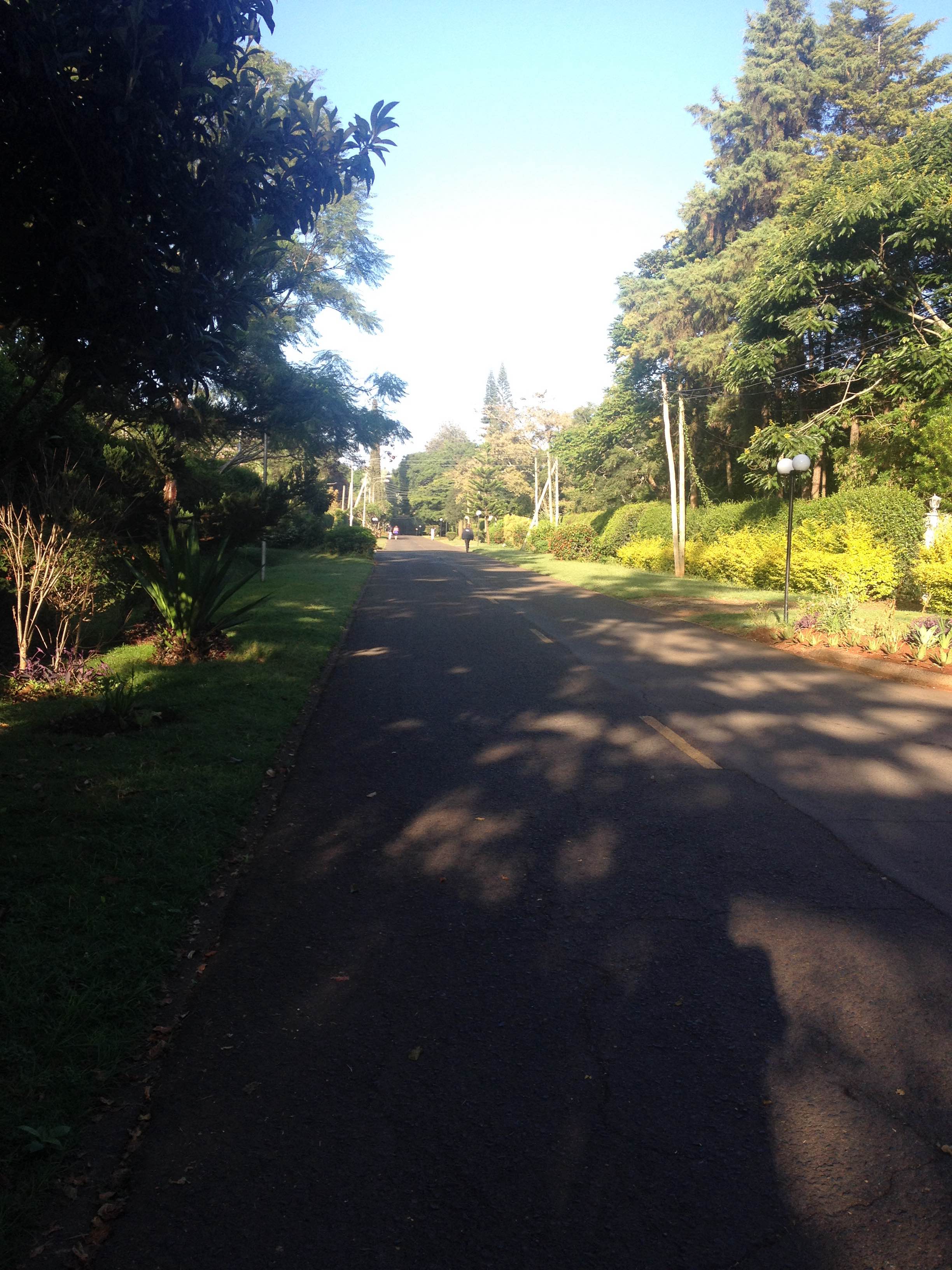
A 5 minute walk from our house is a gated community full of huge houses hidden behind large fences and security guards. Pete tells me there are a few politicians living there which explains the niceness of it all. Only residents can drive in there, there’s painted lines on the road and there are no potholes at all. In fact you don’t feel like you’re in Nairobi at all.

Running along there with the beautiful green trees, no noise (except the guard dogs) is just serene.


IMG_7592

The entrance into the gated community

Over the last couple of months of exercising there I’ve seen the regulars and spotted the new ones out there either walking or pounding the pavement. There’s even a small fitness group with a personal trainer that meets a few times a week.


IMG_7590

A little slice of heaven

We move out of our place at the end of the month and I often wonder if we will get an apartment in the same area when I return in September. If not, then I’m going to have to start finding a safe running area all over again. This one took me 2 years to find this one, I wonder how long it will take to find the next one.


IMG_7598

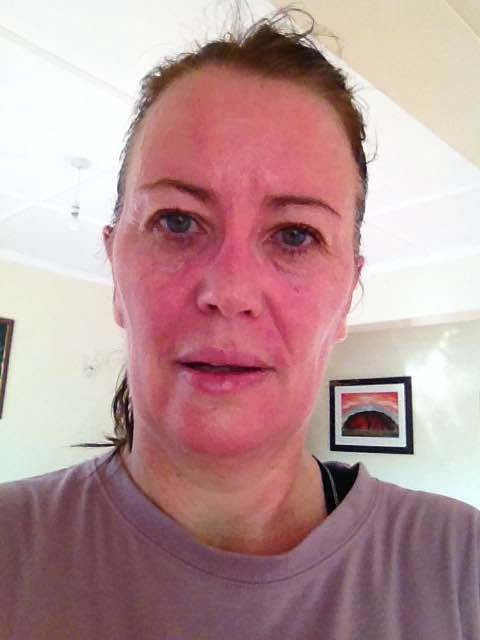
How red I get at the end of it all