Run, run as fast as you can

One of the few things my father left as a legacy was the love of running. I can’t remember what age we were made to start running but I remember being in middle school. I never entered competitions except for the Round The Bays in 1983, just after my father died.

I’m not a fast runner, now I do what I call a ‘granny shuffle’.

But I do like to run. At 46 though, the body doesn’t quite bounce back like it used to.

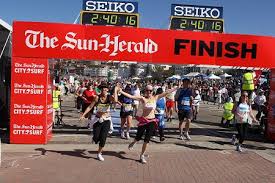
We’ve lived in Kenya since 2012 and I pretty much decided that running would go on the back burner. While we lived in Sydney I could jog along the streets and then the beach, it was great. I entered the City to Surf, the biggest funrun in the world where 80,000 people run the 14km trek up Heartbreak Hill to Bondi Beach. I ran it years ago.

My finish wasn't so enthusiastic.

My finish wasn’t so enthusiastic.

Nairobi is a little (okay a lot) different to run in. I can’t go for a run before 6.45am as it’s just getting light. At that time of the morning there are footpaths full of people making their way to work. There’s no ‘keeping to the left’ you just have to squeeze in between the crowds. I actually like to go later when there’s less people but it’s way too hot.

One of the biggest obstacles for safely running here is the footpaths, or lack of them. Around where we live there are a few footpaths but they have holes in them or are broken up in places. When you’re running you kind of feel like you’re in a cross country event. About 200 metres from our place you turn a corner to go down and up a hill. You would have to be insane to try and even run over that spot. A few times I’ve nearly twisted my ankle on loose rocks.

And then there are the trucks.

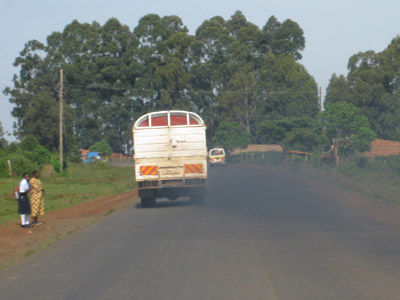
I don’t know what it is about trucks here but they are way overloaded and go slower than a snail up hill. They puff out this thick, dark smoke that doesn’t go in the air but out at face level. It’s gross.

This photo doesn't even show how bad the smoke from the trucks are.

This photo doesn’t even show how bad the smoke from the trucks are.

So for the first few years I didn’t bother running. I set up a home gym area but once you get up to 100 squats, situps, pushups and the like, what’s next?

We returned back from our overseas trip a month ago and I decided ‘what the heck, why not give running another go’. So I have.

I’m only a couple of weeks into it, and amping up the anti to see if my foot can handle a run three times a week. I’ve a Morton’s Neuroma under my right foot which plays up whenever it feels like it. It’s like having a hot, sharp poker up through your foot. In 2011 and 2012 I climbed Mt Kilimanjaro in Tanzania. In 2012 the last day was excruciating because my foot played up so much. I just couldn’t wait to get down.

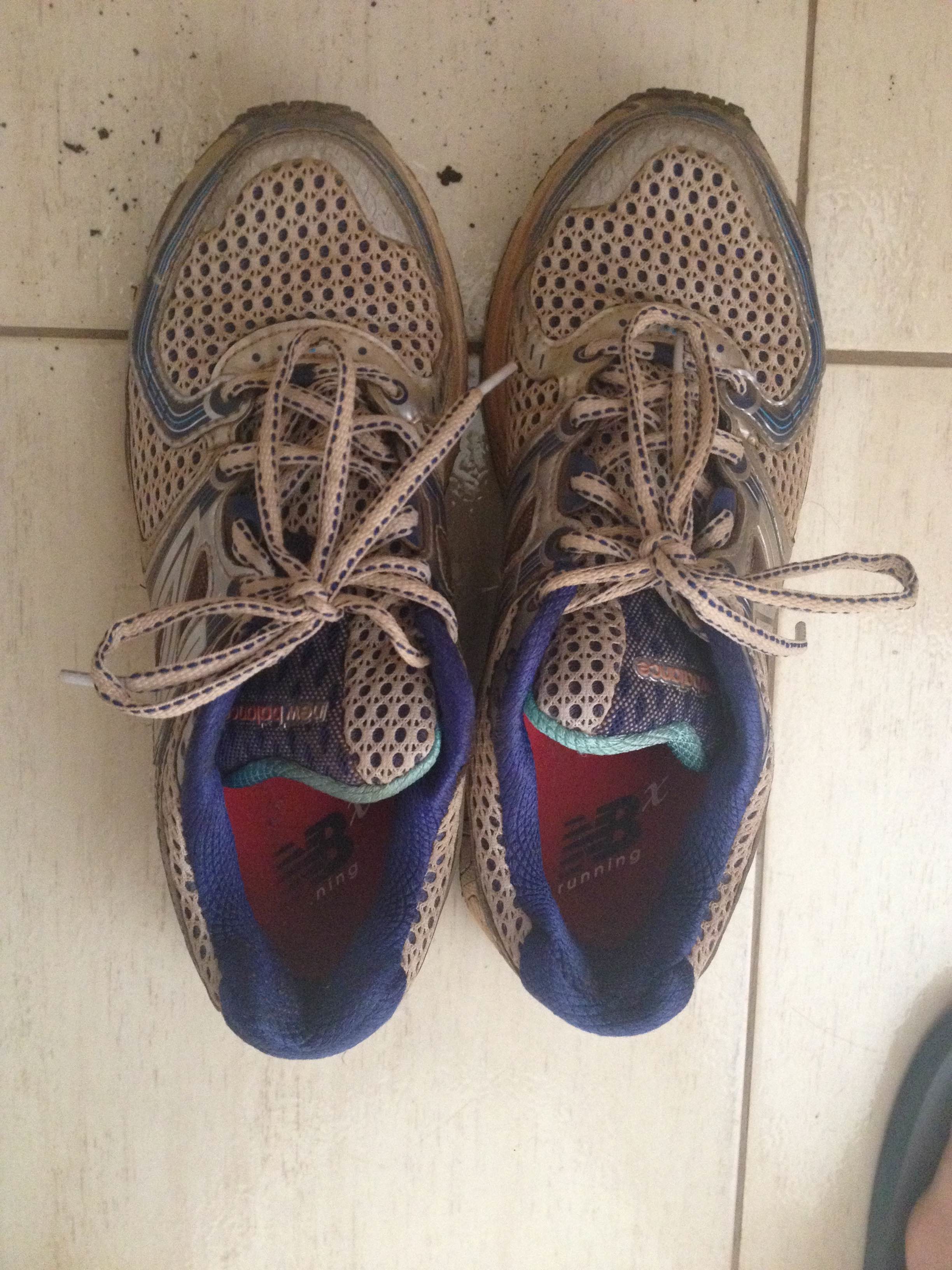
My faithful runners.

My faithful runners.

On March 8th, Lizzie and I will be running 10km’s in ‘The First Lady’s Half Marathon’ around Nairobi. I really want to get up to a half marathon status but not sure if my foot would make it. One of my dreams is to run in the Lewa Marathon through an animal conservancy. Here’s hoping I can do it by next year.

So why do I run?

I run because I like getting out there with my headphones on and not worry about all of the world’s problems. I need to run to keep myself fit. When I run I drink a lot more water than if I sit in front of a computer all day. I run because I can’t afford to go to a gym.

And I run because I like it.

Why Kenya

I always get amazed on what draws people to come to Kenya to work or volunteer. Everyone has a story and I try and get them to tell me.

Some come to escape from their former life. Others to get themselves up the ladder of success in business. Some found that this was the only way to get to see this part of the world.

And then there’s me.

Food is an important medium for connecting.

Food is an important medium for connecting.

When I was in Standard 4, at about 10 years of age, we did a study – The Manyatta of Kenya.

I’m 46 years old. In ‘my day’ very few people travelled internationally. I remember one friend whose entire family went to Disneyland and they brought back a huge (and I mean huge) Winnie the Pooh. Another friend went to The Netherlands. But that was about it. I remember the same year that a plane full of tourists from New Zealand flew to Antarctica and them all perishing on a mountain there.

And then there was me.

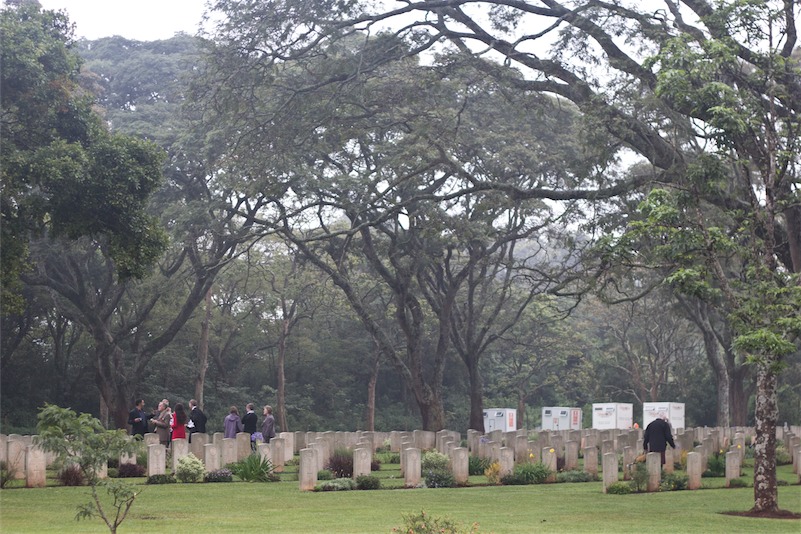
The War Cemetery is one of the tidiest places in Nairobi.

The War Cemetery is one of the tidiest places in Nairobi.

We didn’t own a car until we inherited money from a grandparent passing. I remember travelling out of town once or twice.

Over my teens I had grown up reading adventures of people who had travelled through China, Africa, South America and India. But I’d never been there.

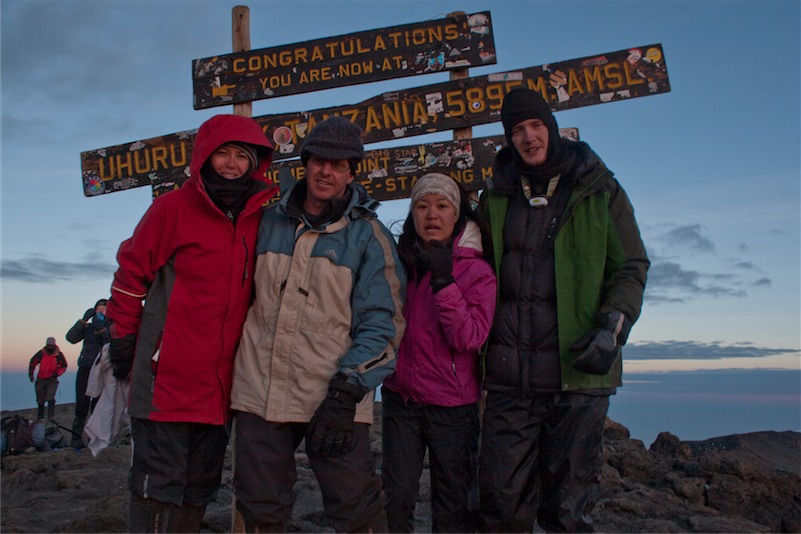
At the top of Mt Kilimanjaro, Tanzania.

At the top of Mt Kilimanjaro, Tanzania.

The first time I travelled internationally was when Pete went to college in Australia for 3 months, so we packed up and headed for the Sunshine Coast. Our girls were 8 weeks and a year old, I was 22.

A couple of years later we went to India for a few weeks, left the babies behind and had a blast. We would’ve been happy to move there but things didn’t pan out that way.

As the years went by we hosted plenty of international development workers or missionaries, many who worked in Africa. We threw (not literally) our girls out of their beds for our visitors. The girls thought it was cool, they didn’t know any different. I home schooled them for 6 years and integrated a lot of history, country information and cultural teaching.

You can't come to Africa and be in a hurry.

You can’t come to Africa and be in a hurry.

Then life took a turn.

We moved to Sydney, Australia where we’d never been before. Set up a new life, and it was great. That was 2002.

In 2007 I had the opportunity to travel to Kenya to graduate my students. I emailed a Kiwi friend of ours who we hadn’t seen for a few years and met up with them. It was great seeing their work with streetboys. I returned home for only a few weeks and then had to go to Ghana for a seminar. Ghana was so different to Kenya. East and West are like chalk and cheese.

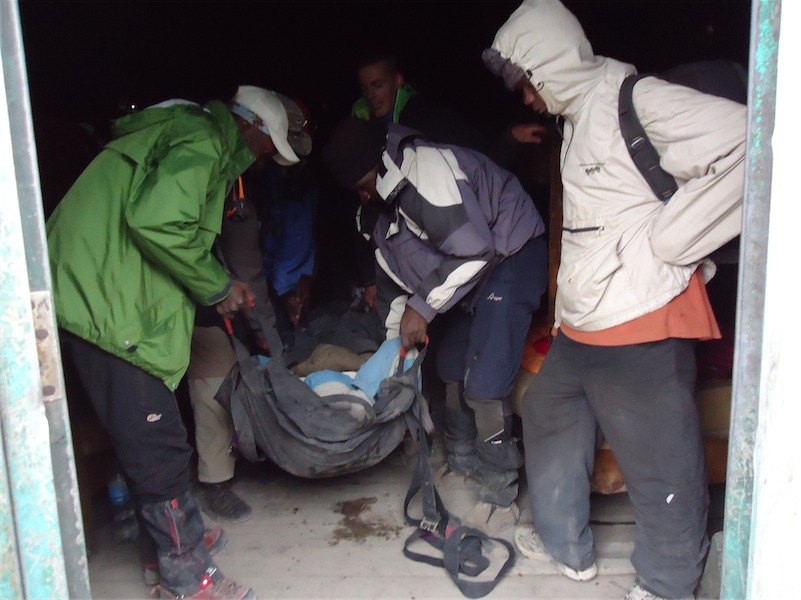
Pete being walked down Mt Kilimanjaro with a broken leg.

Pete being walked down Mt Kilimanjaro with a broken leg.

In 2009 Pete and I decided that we wanted our girls to have a bigger world view. We wanted to show them that not all of the world was white, English speaking and middle class. So, we took them to Africa, specifically Kenya, Uganda, Rwanda and Tanzania. Our youngest daughter DID NOT want to go. She had just finished her last year at high school and decided she ‘wanted to work’ we told her she had the rest of her life to work, and she was coming.

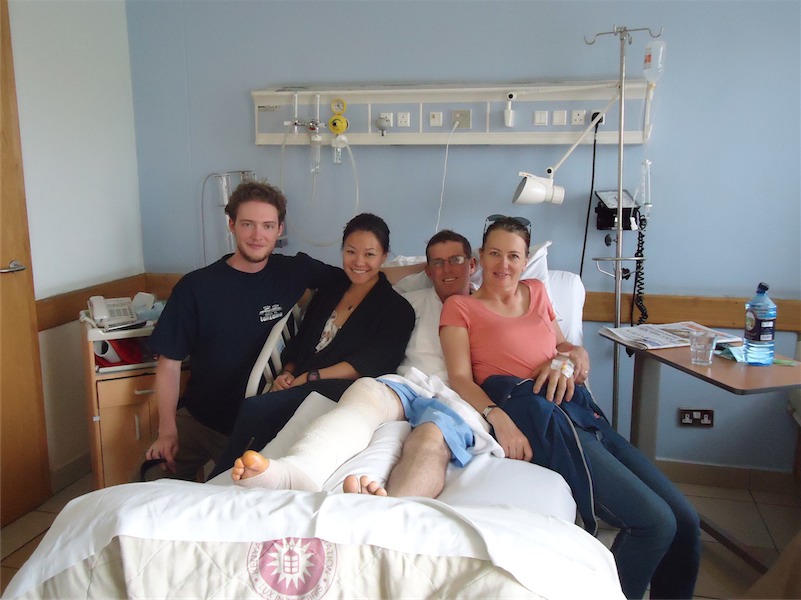
Pete was flown to Nairobi to receive top class medical care.

Pete was flown to Nairobi to receive top class medical care.

For a year we saved, sacrificed and made budget. A couple of other young people came with us some of the way. It was a cheap trip – buses, backpackers and motorbikes. We had a blast (most of the time). After 8 weeks we returned home tired but changed.

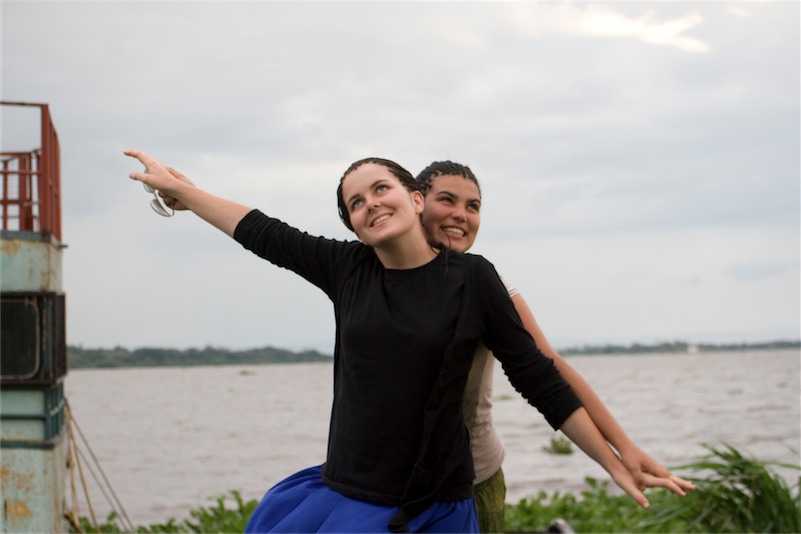
titanic

Han & Jules on Lake Victoria

In 2010 Pete and I went to Hawaii to drop Hannah off at school. It was there that we decided to move out Sydney, we were bored. The answer was either Hawaii or Kenya. I LOVE Hawaii, love, love, love it. But we thought ‘what the heck, what have we got to lose by going to Kenya?’

In 2011, Pete, Liz and I returned to Africa with the specific thought of ‘Could we really live here and what could we do?’ This time for another 2 months but it was to Kenya, Uganda and Tanzania (Climb Mount Kilimanjaro). Pete broke his leg on the mountain, so he stayed back in Nairobi and Liz and I went throughout Uganda checking in on our projects. The change in plans gave us a longer time to see if Kenya would be our new home or not. We’d travelled through lots of countries but there was something pulling us back to Kenya.

Nairobi is bustling with small businesses.

Nairobi is bustling with small businesses.

Nairobi was the most modern city we visited. We had people we knew there. It could give us easy access to other countries. We liked it. We liked it enough that we moved in 2012.

While there is lots of wildlife which is absolutely the coolest, it’s the amazing people that you get to meet. Those who struggle from day to day but keep a positive attitude. Those who are starting out in business and doing well. Expats who come here for some sort of experience.

The scenery is amazing.

The scenery is amazing.

Nairobi is made up mainly of Kenyans but there are representatives from pretty much every nationality on earth.

DSCF2031

And so are the people.

Kenya is never dull and boring. There’s always something to do and people to meet. There is a lot of history here (which I love). It’s diverse and interesting. You’re always learning something new. We’re close to our water projects and the communities we work with.

We could’ve gone anywhere in the world and it we would’ve been fine but we chose Kenya.

Actually, I think Kenya chose us.

How We Travelled With No Money For Two Months

We’ve just done an 8 week trip away from Kenya, travelling through Dubai, Mumbai, Singapore, Australia and New Zealand. In this blog I’ll be telling you how we did it with no money. For us it was a total trip of faith – that’s how we hang. If you’re not a Jesus follower, read the blog anyway with an open mind because it’s not something we can invent.
A bit different to how we look in Kenya.

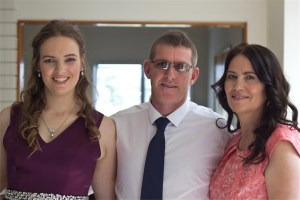
A bit different to how we look in Kenya.

Hannah, our youngest was getting married on December 19th in NZ. Of course it’s something we wouldn’t/couldn’t miss, but we had no idea how we were going to do it. Our budget for living in Nairobi should be $3,500 a month, we get in around $2,000.
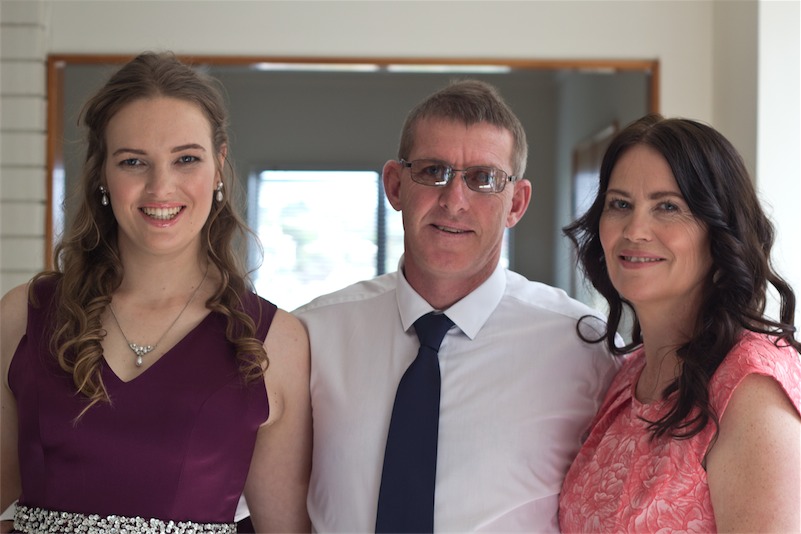
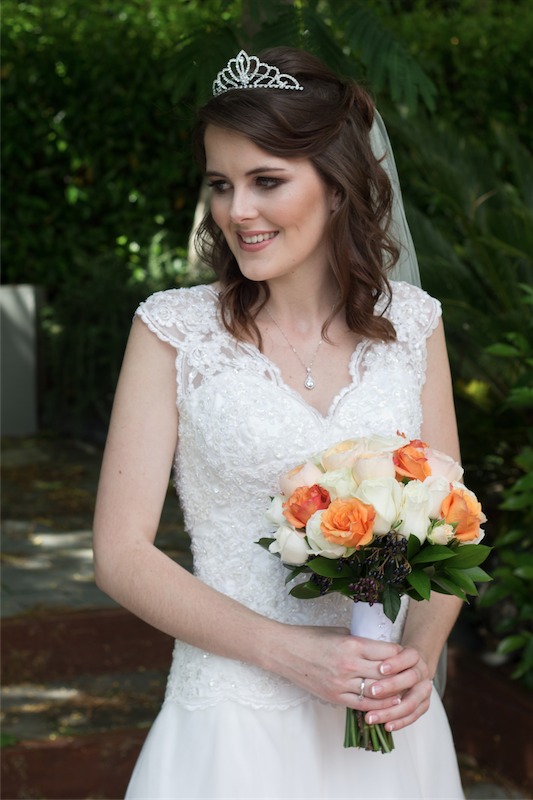
Hannah really looked stunning.

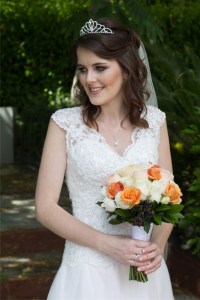
Hannah really looked stunning.

Until this year Liz has been getting in just under $800 on the disability pension from Australia. We knew it would be stopping in January. Each month we would use a couple of hundred dollars to put towards the budget. We didn’t like it, but the cost of living in Kenya is sky rocketing.
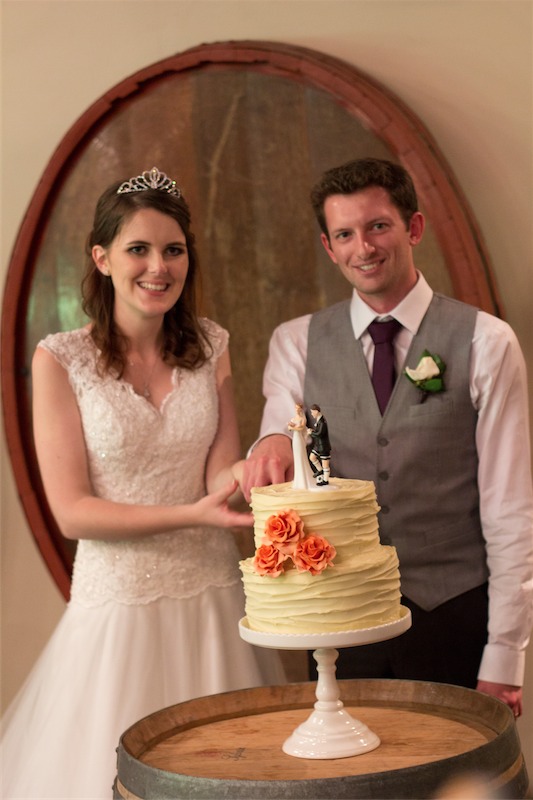
Hannah and Luke. The reason we took this trip.

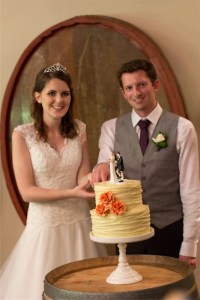
Hannah and Luke. The reason we took this trip.

I remember complaining to God (He’s got big shoulders) saying I was over dipping into Lizzies pension money and He could find another way to find $5,000 to fly us home. She didn’t have enough in her account anyway but I wasn’t about to take any more.
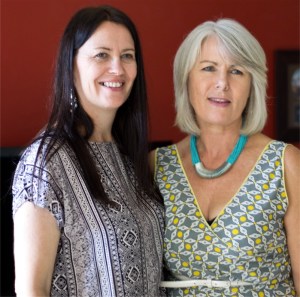
In Auckland we stayed at my cousins - Jeff & Jeanettes.

In Auckland we stayed at my cousins – Jeff & Jeanette.

One Saturday we had a youth leaders meeting at our house. These are kids who run the child sponsorship monthly meeting, they also take about 90 minutes to get from the Kibera Slum to our place – many times they walk some of the way. We feed them lunch and then we do a bit of training. This day at the end we asked who had prayer requests. Some needed school fee money, others jobs, others provision – we needed 500,000 shillings. Remember, most of these kids live on 200 shillings a day.

Mathew, the leader prayed for us and for the wedding. This was on the Saturday.

On the Monday I’m in a meeting that is dragging on a bit so I check my emails on my phone and there’s a notification from a small church (The Embassy) in Sydney that supports us a small amount per month, instead it says there’s $2,000 this month. My heart skipped a beat and then I thought ‘maybe it’s meant to be $200 because we’ve been overpaid before, but $200 is awesome’. I send a Facebook message to someone in the know and leave it. The next day I get a reply that yes indeed, they decided to bless us with extra. I remember writing ‘thanks, you’ve just paid my flight home to my daughters’ wedding’.
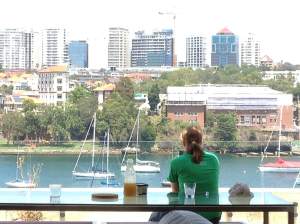
Liz came with us to every meeting, sometimes 4 a day.

Liz came with us to every meeting, sometimes 4 a day.

On the Wednesday I emailed some friends who gave us $1,200 earlier in the year when we thought Pete’s dad was dying. We kept it aside for ‘the day’, which didn’t happen. They said we could use it for whatever. The same day, someone emailed me and asked how short we were for our flights home, I said $800. They said it would be in our account that day.

Ross & Ros are our faith partners in what we do.

Ross & Ros are our faith partners in what we do.

Within 4 days, God had heard the prayers of others and my whinging and supplied money for flights. Sure, we hop scotched around the globe on super cheap flights, but we did it.

So, we had our return flights sorted but that was it.

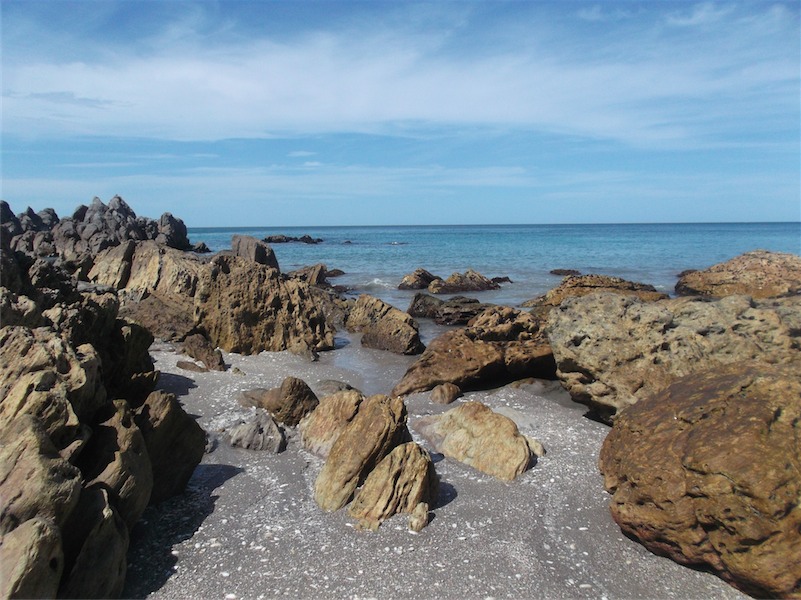
We saw the ocean from time to time but didn't play in it much.

We saw the ocean from time to time but didn’t play in it much.

When we got to NZ we had free accommodation at my cousins house and then our future in-laws lent us the ‘windy’ a super little car that kept going and going. However, that was it.

We flew in on the Friday and the next day we started our ‘furlough’. This is when you leave your work back on the field and spend endless days and nights visiting your current and potential supporters. Somewhere in the 2 months you’re meant to take a break – not something we achieved.

Evan and Moira used to pastor the church that supports us. This was before they went to NYC and us back to Kenya.

Evan and Moira used to pastor the church that supports us. This was before they went to NYC and us back to Kenya.

The plan was to be in Auckland with Hannah on the weekends and travel on the weeks. The week leading up to the wedding would be totally spent in Auckland.

That first Saturday we go and see some friends who we got to meet when they hosted us for a youth conference – 21 years ago. They gave us some money for ‘incidentals’ – for us that meant wedding clothes. We had nothing to wear to the wedding of the year. So that was provided for.
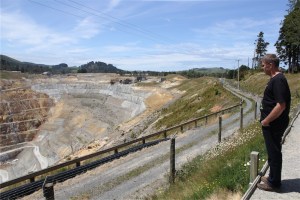
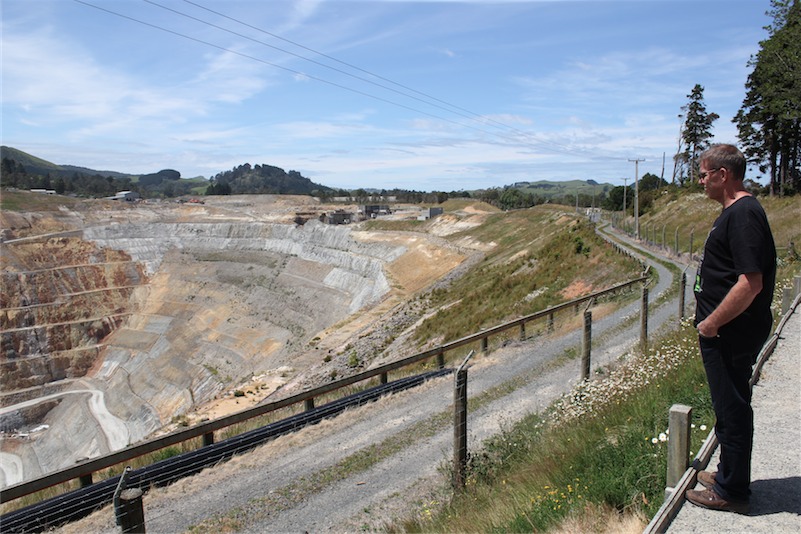
On our way around NZ we stopped in Waihi where Pete's family came from. This is the area being mined.

On our way around NZ we stopped in Waihi where Pete’s family came from. This is the area being mined.

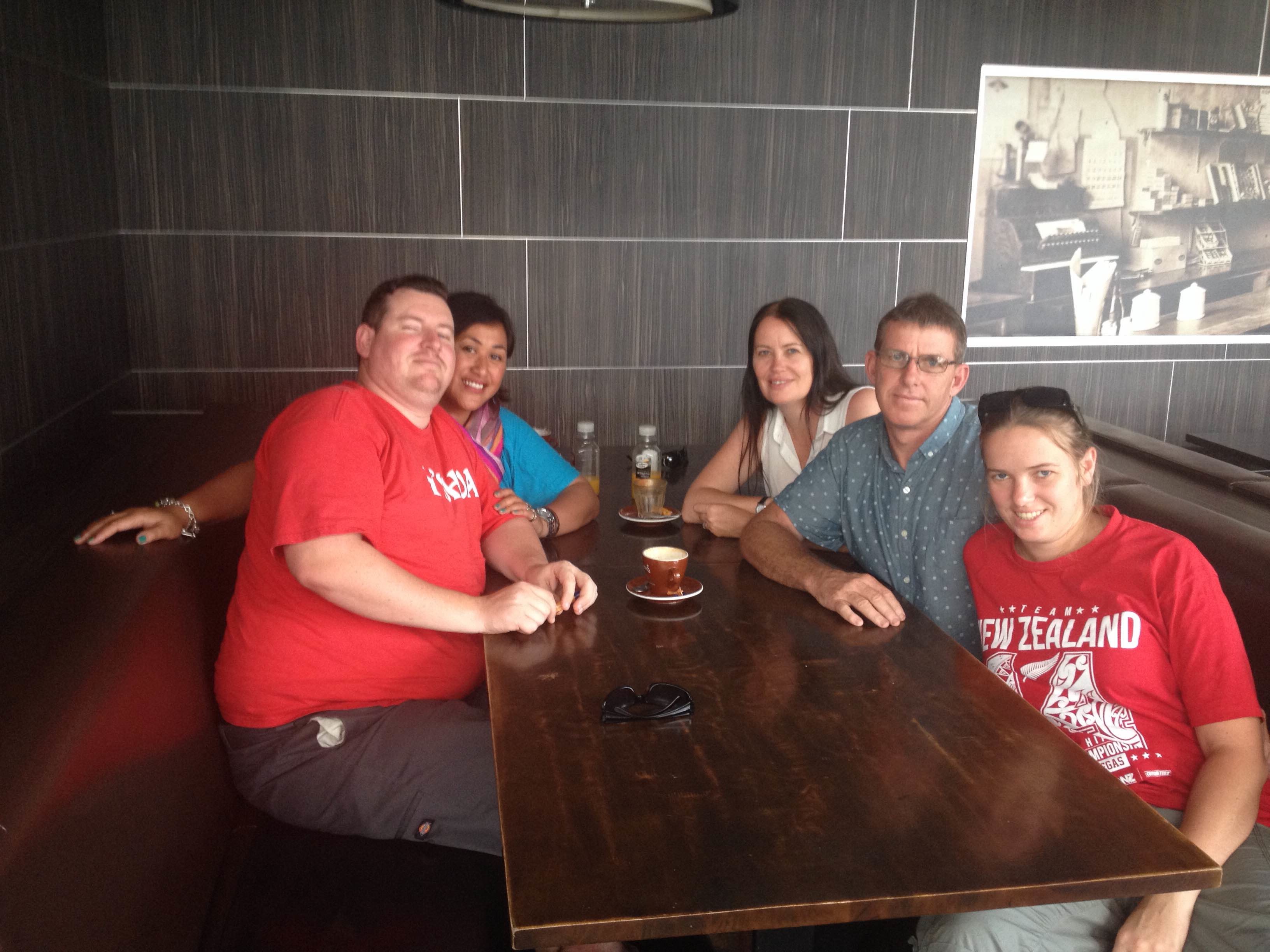
Everywhere we went people fed us (a lot) whether that be at a café or in their homes – and they paid for it all. There were very few times we had to pay for anything, which was great because eating out in NZ is really expensive. There were times people gave us envelopes of cash, put money into our bank account or went out and bought us things.

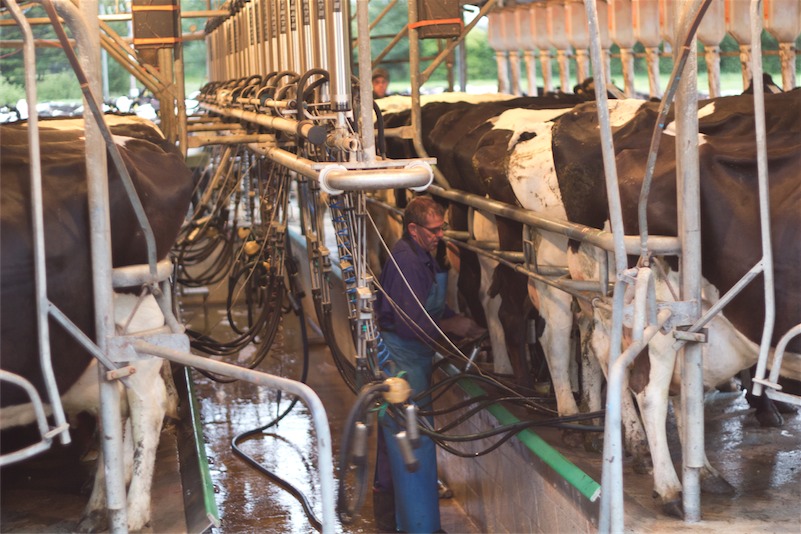
Pete’s a country boy at heart. He milked cows a couple of mornings while we were staying with some friends on a farm. He loved it and it was the closest to getting a break. Not because he had helped with milking but because of the generosity of our friends, they gave us a fuel card to use for the next month. That meant all of our petrol costs were covered. Just as well because we ended up doing 3,000 kilometres in that time.
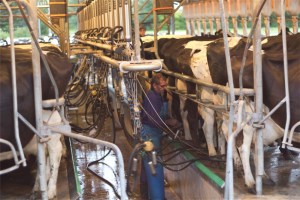
Pete milking cows in Cambridge.

Pete milking cows in Cambridge.

One of the things we kept praying for was $5,000 to give towards the wedding costs. It never came through. We felt really bad that we could contribute hardly anything. One thing we wanted to do was give our kids the deposit for a house when they got married. Going to serve in Africa killed that one. Sure, we pulled together some funds for a few homewares, wedding props and something towards the photographers, but it never felt enough. We have short term borders at our home and we managed to save that, but it wasn’t just the same.

So while we were super blessed to have our costs covered, this one thing never came through. I don’t know why but it is what it is.

One thing I did notice is that people who sacrificially give to us each month, went overboard in looking after us. Generosity is not just an action, it’s a part of a persons’ character. It was the same people who give to us, kept giving whether it was cash, cheques, petrol cards or gas vouchers. We especially noticed it in New Zealand because we were there for a month.
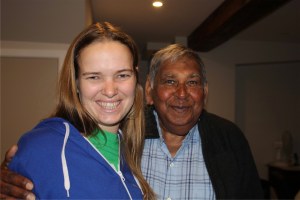
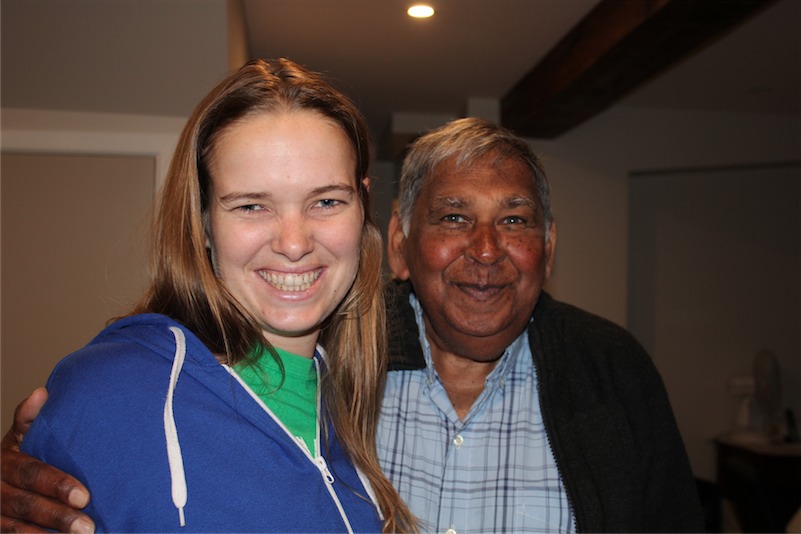
Uncle Bob knew Liz when she was just a toddler.

Uncle Bob knew Liz when she was just a toddler.

However, it wasn’t much different in Aussie. We had a friends’ house and car to use – for free. Sometimes we had 4 meetings a day. It was exhausting but good at the same time. Considering we weren’t meant to come back until June this year, we managed to fit in a lot. Again, people would just give us a blessing of cash, which was very cool.
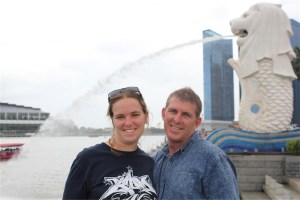
Singapore was hot, humid and lots of fun.

Singapore was hot, humid and lots of fun.

I remember being there for a few days and we were in the car, Pete said “Well God, when’s it going to come through again?” The funds had dried up and this time we had to pay for petrol. That very same day someone gave us a few hundred dollars. It paid not only for our fuel but the hire car we needed for a couple of days at the end.

Last but not least, we needed $600 for travel insurance. Insurance isn’t one thing you can do without when you’re abroad, it’s not worth the risk. We hadn’t been insured for a couple of months and it’s not a nice feeling. In our last few days in Aussie, two people gave us cash which covered the whole amount. That will keep us going for 6 months and then we’ll get a 12 month policy in July.
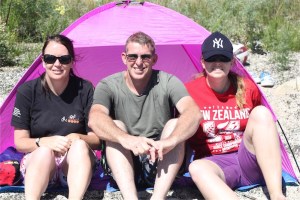
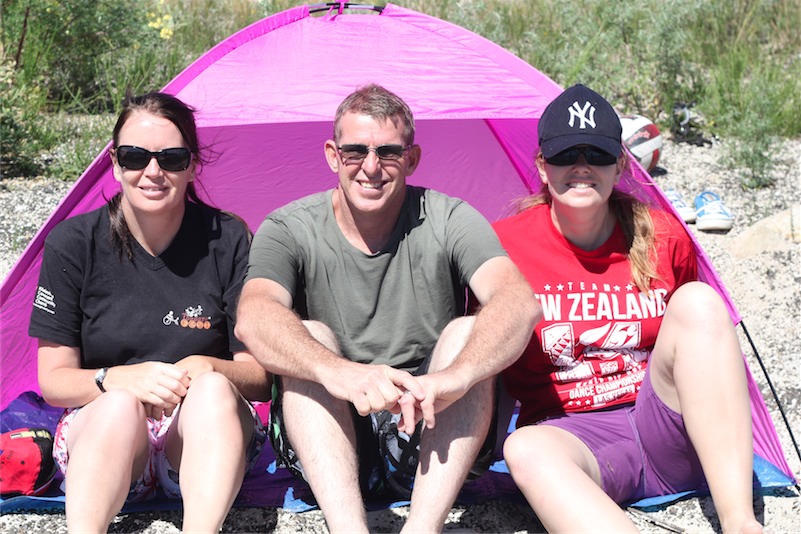
No, we didn't go tenting.

No, we didn’t go tenting.

No, we never stayed in hotels (except a cheapy in Dubai on the way), we slept in lots (11) different beds. We caught 14 different flights. We spent endless hours in airports. We visited the beach 4 times in 2 months, the most spent was an hour.

Our ‘holiday’ was the day and a half with my cousins in Singapore but besides that it was head down and butt up.

There are two things this trip proved to me:

  • Nothing is a surprise for God, He knows what we need/want
  • Generous people are always generous, it’s who they are

Now we’re home and we, like you, have to keep believing God for more. In 5 weeks we move apartments to save money. It’s another opportunity to see what He will do for His kids.

Thank you to everyone who gave us a bed, meals, petrol, cars, flights, clothes, tools, coffees and more. You are not forgotten. You are appreciated and loved.

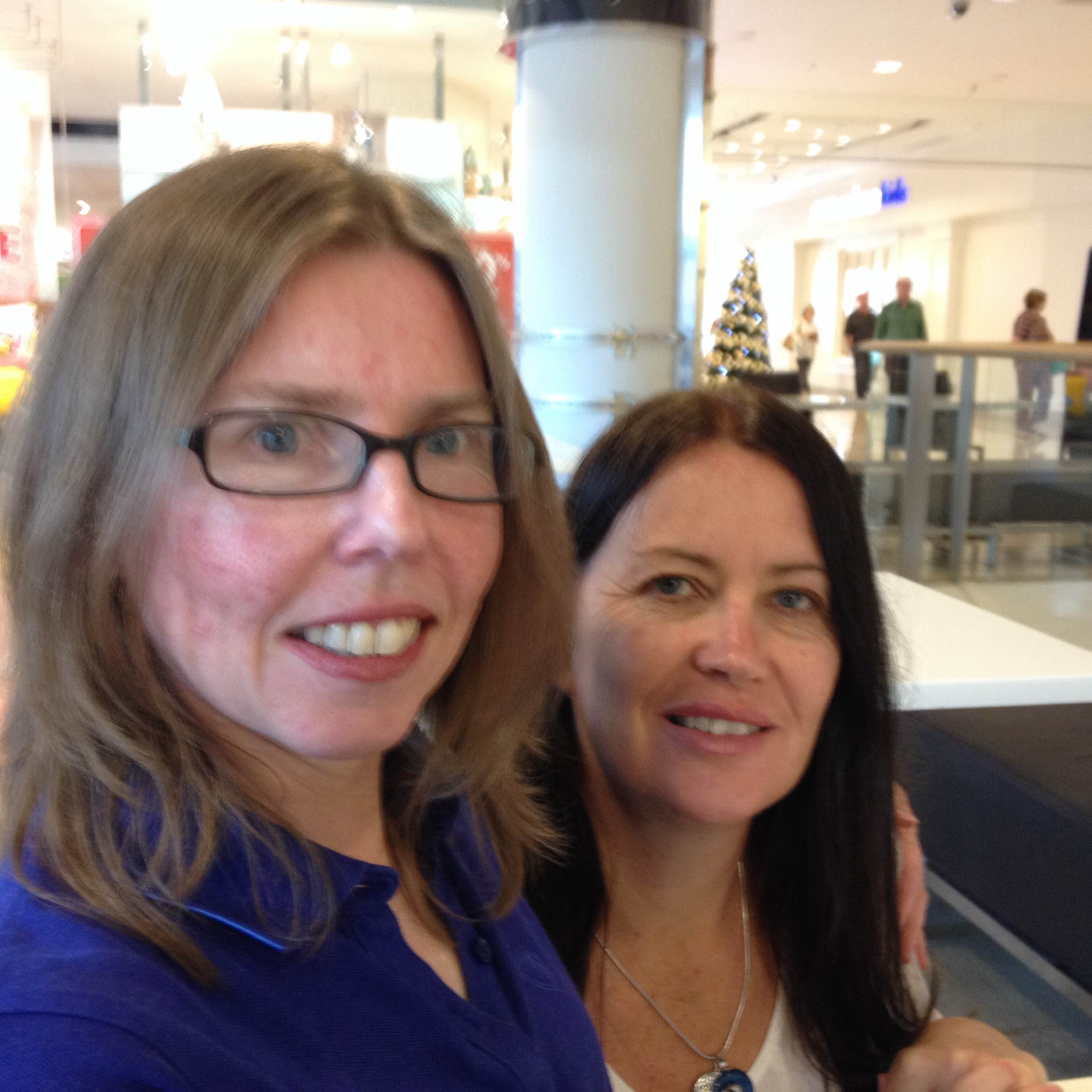
My friend Cath is part of our intercessors team.
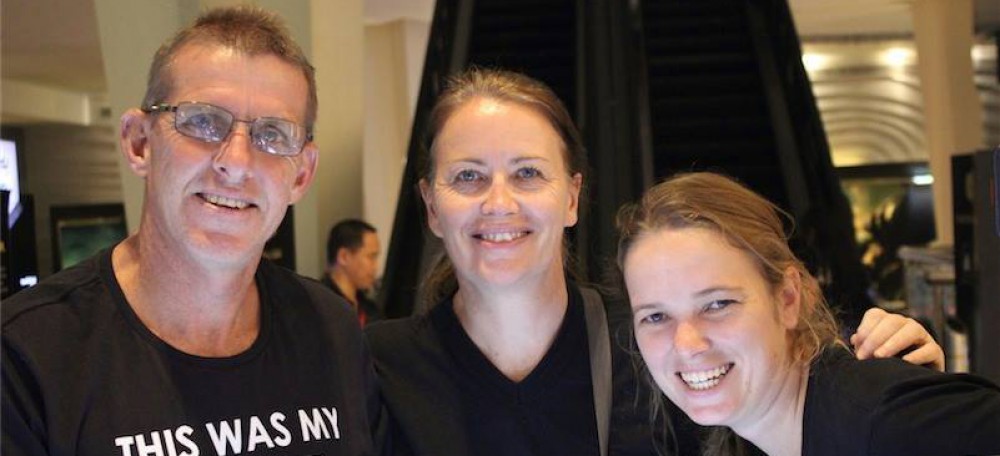
My friend Cath is part of our intercessors team.
A Trip To Kazuri

Whenever we have visitors to Nairobi I try and take them to a great place called Kazuri Beads.

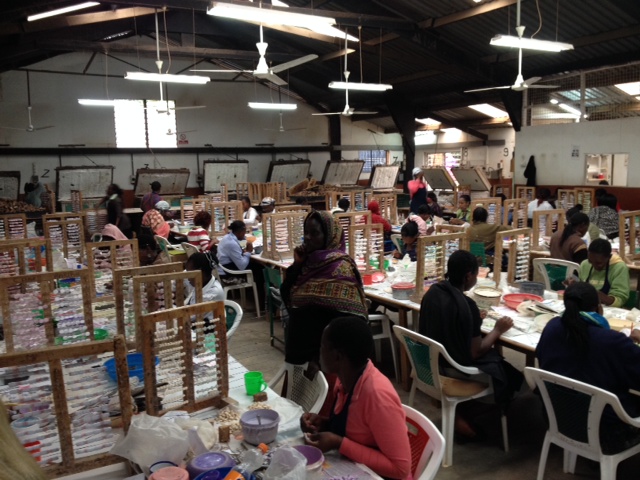
Where the painting takes place.

Where the painting takes place.

It’s situated in the suburb of Karen, which for all of the wealthy housing out there, has the narrowest roads. It should take about 20 minutes to get there from our place.

Painting the plates before they go into the kilns.

Rolling the beads before they get fired.

We’ve had Marilyn from the US boarding with us for the past month and one place I did want to take her was Kazuri. The story behind this business and the impact it’s making needs to be told and duplicated. While it’s great to have self help groups here, what Kenya really needs is for greater employment to raise the standard of living.

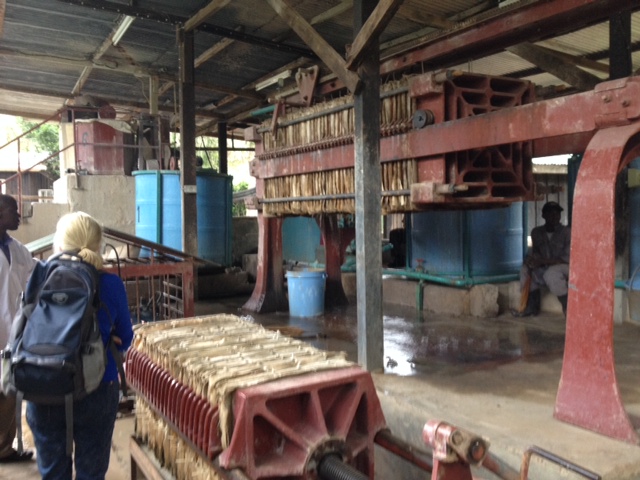
Machinery used to squish out the water.

Machinery used to squish out the water.

At Kazuri there are around 340 women and a few men employed. It was started in 1975 by Regina Newman specifically to help single mothers or those from disadvantaged backgrounds. What they have accomplished is quite amazing.

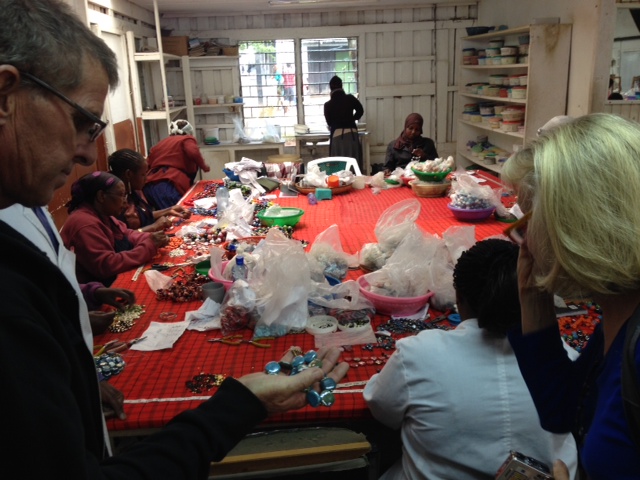
Pete & Marilyn chatting to the ladies.

Pete & Marilyn chatting to the ladies.

They now produce over five million beads a year that are exported to 20 countries around the world. On top of that they also produce pottery. All made from clay which comes from the Mount Kenya area.

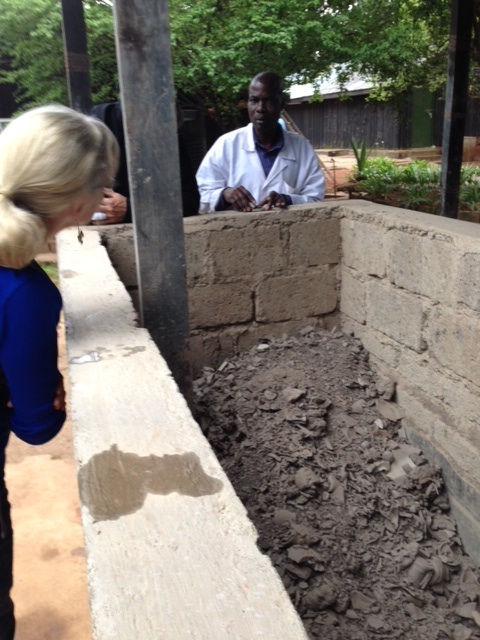
This clay comes from the Mount Kenya region.

This clay comes from the Mount Kenya region.

What I did like is that they have embraced Kenyan flavour and are proud of the heritage here. It’s demonstrated in the brightly painted beads and the figurines on the pottery. Everything they do is done at a level of excellence, even through to the packaging.

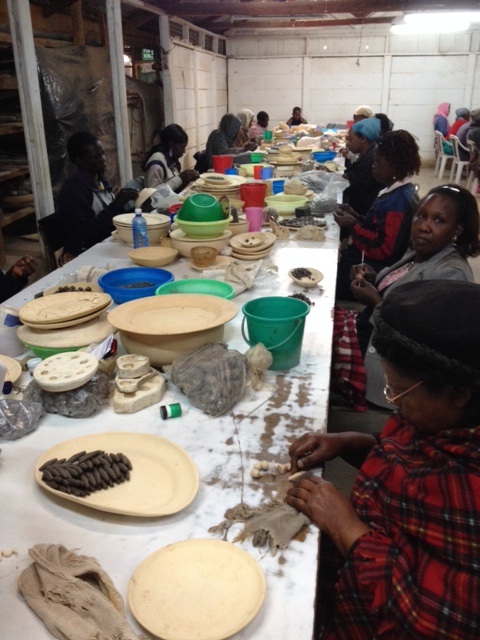
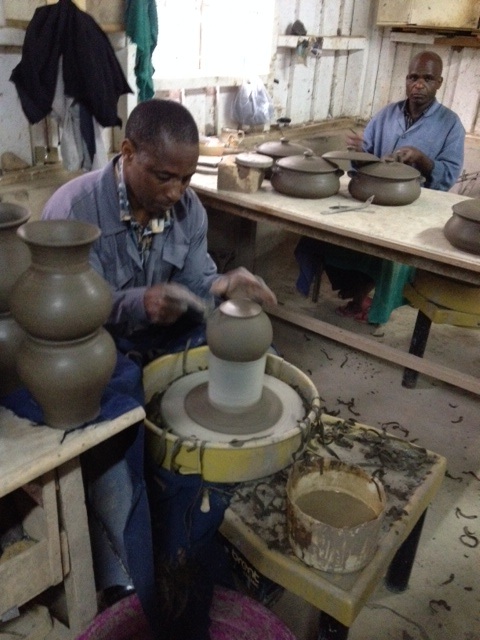
Showing how the plates are shaped.

Showing how the plates are shaped.

I’ve never seen their free health clinic but it caters for the staff and their families. It’s a big thing here because healthcare is a huge expense. The owners of Kazuri know that if you look after your staff, your business will thrive.

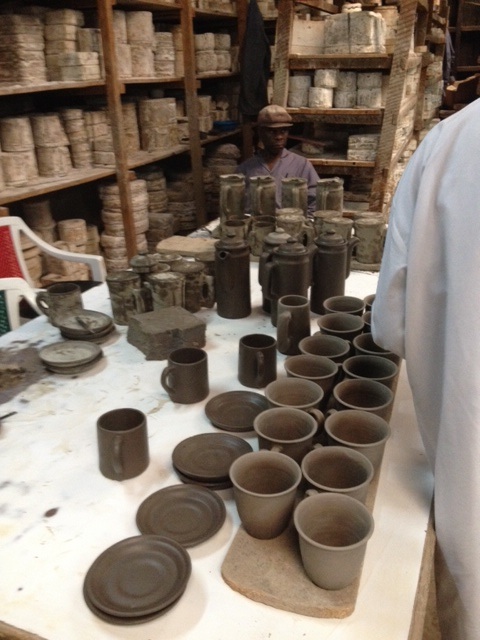
The cups before they are fired.

The cups before they are fired.

When you visit Kazuri you get a free guided tour through the factory and then can freely shop onsite without being hassled. I think the prices are pretty good, better than if you bought overseas anyway. They do take credit cards as well as US Dollars and British Pounds.

The cups being prepared for their second firing to seal the paintwork.

The cups being prepared for their second firing to seal the paintwork.

There’s a whole lot of outlet stalls at the many malls around Nairobi. I like to go to the factory because it gives visitors a bigger picture of why and how the goods are produced. They get to talk to the ladies and see it being made. You feel the heat of the kilns and watch as artists paint the pottery.

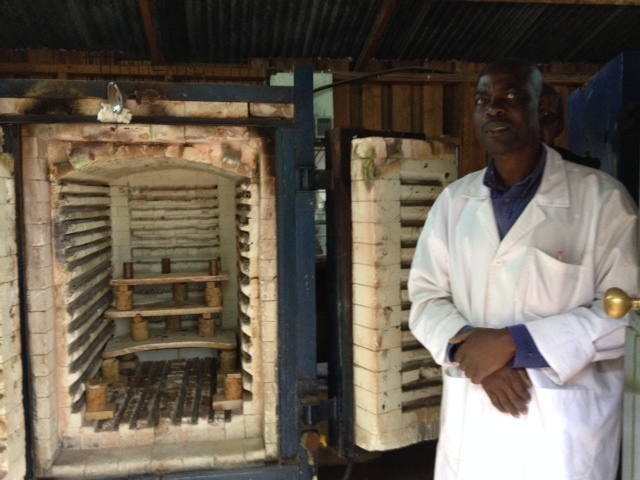
One of the many kilns, with Joseph our guide.

One of the many kilns, with Joseph our guide.

Be assured, if you come to visit us in Nairobi, you’ll probably end up going there.

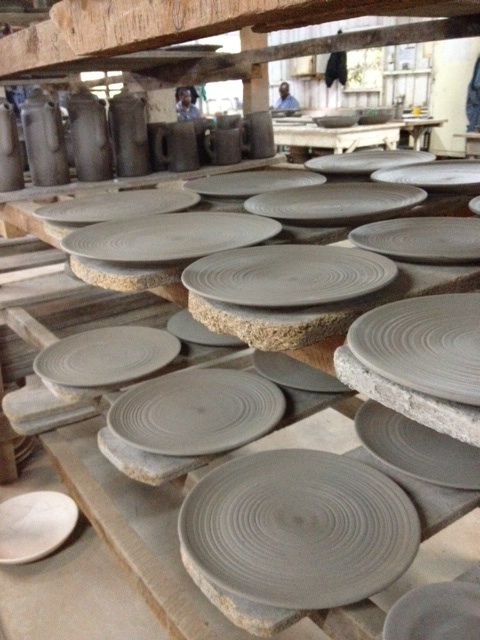
Plates drying, takes 2-3 weeks.

Plates drying, takes 2-3 weeks.

Check out this video on how a plate is shaped.

save

So, what do you do actually do for a job?

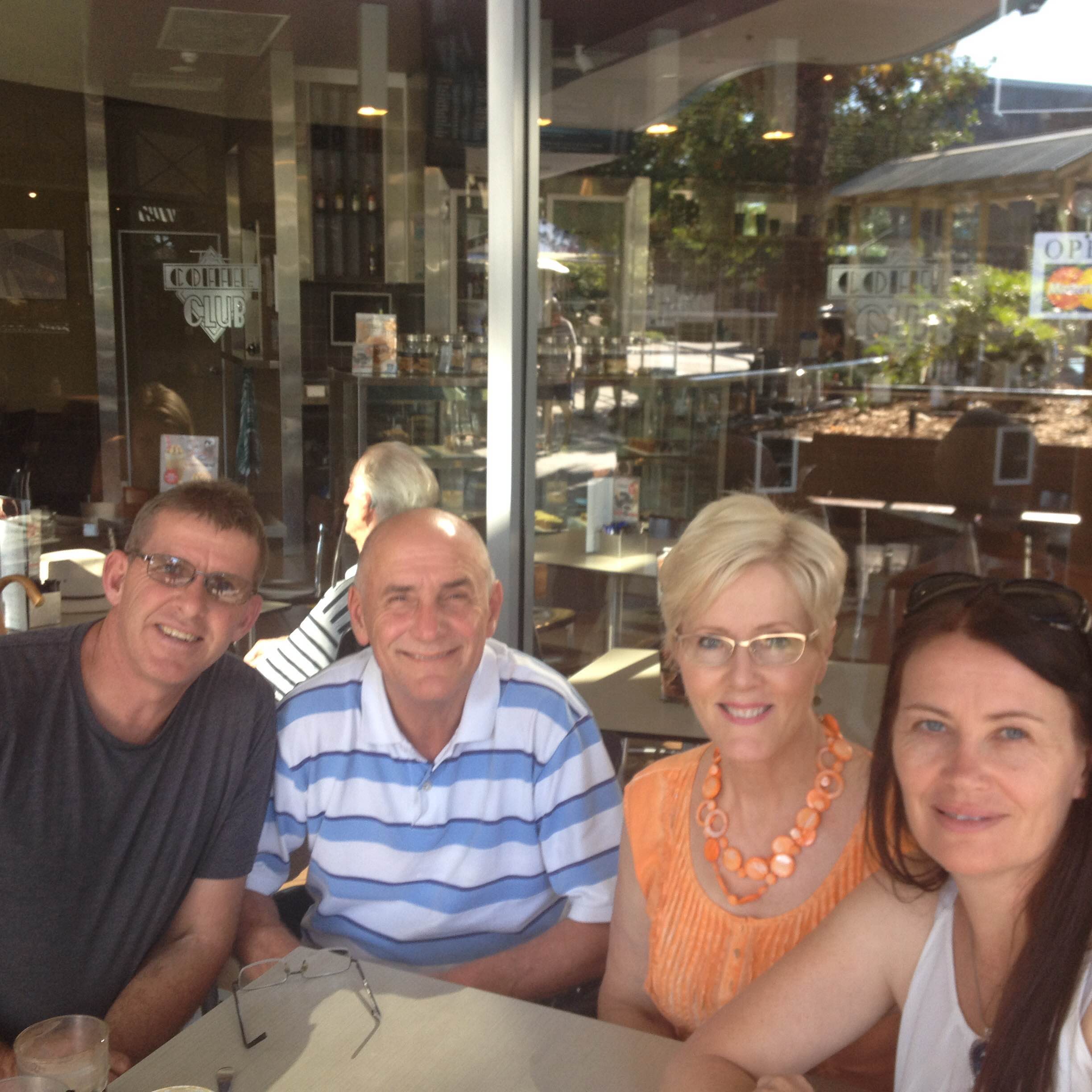
Here we (Shaz and Liz) are in the last week of a month speaking tour in New Zealand (NZ) before we head to Aussie to do the same. We’ve been in schools, unis, Rotary Clubs and had lots and lots of coffee catchups with people.

In this month alone we’ve slept in 12 different beds.

Besides the question of corruption the other question I mainly get asked is “So, what do you actually do for a job?” So here’s what we actually do, although every day is different.


Sharon

I try to be in the office by 8.45am but it depends on traffic. Sometimes it takes 5 minutes, other days 30. Basically in the mornings I volunteer with an organisation called Afri-Lift which works with children and youth for very poor backgrounds. On Mondays I’m in meetings until 2pm, Tuesdays I write grants for fundraising, Wednesday’s prepare for a 6 hour teaching day, Thursday teach, Friday do marketing.


The afternoons/evenings are taken up with work for BeyondWater (the Aussie charity we started in 2007), writing LOTS of emails, blogging, social network updates, looking at projects and every now and then taking Pete out for a coffee. I work till about 9pm most nights with my other spouse – the laptop.

IMG_7193

Some of the great kids we get to work with.

Three out of four weekends we also have programs on. One Saturday we train youth leaders, another we have a tuition program in the Kibera Slum and the third Sunday of the month we assist with the Riziki Childrens Program. That leaves us one extra Sunday to meet up with some young couples we are mentoring.
 

In addition we host lots of international visitors, sometimes go to the Kibera Slum with food packages or randomly do things like have the odd day off.


Pete

My days are certainly never dull and boring. Like Sharon, on Mondays we have a staff meeting for a couple of hours but every day/week is different. Sometimes you’ll find me tiling a kitchen, fixing a tractor, buying a truckload full of seeds to transporting tomatoes. You will also see me working with teenage boys training them on the ‘how tos’ of farming. This might mean pulling apart something that doesn’t work and showing them how to fix it. A lot tends to break down and it’s giving the locals the skills so next time they can fix it themselves. When I say things are varied, it’s a slight understatement. One morning I might be trying to find a market for the produce that the trainees grow and then that afternoon helping to install a water tank.

pete

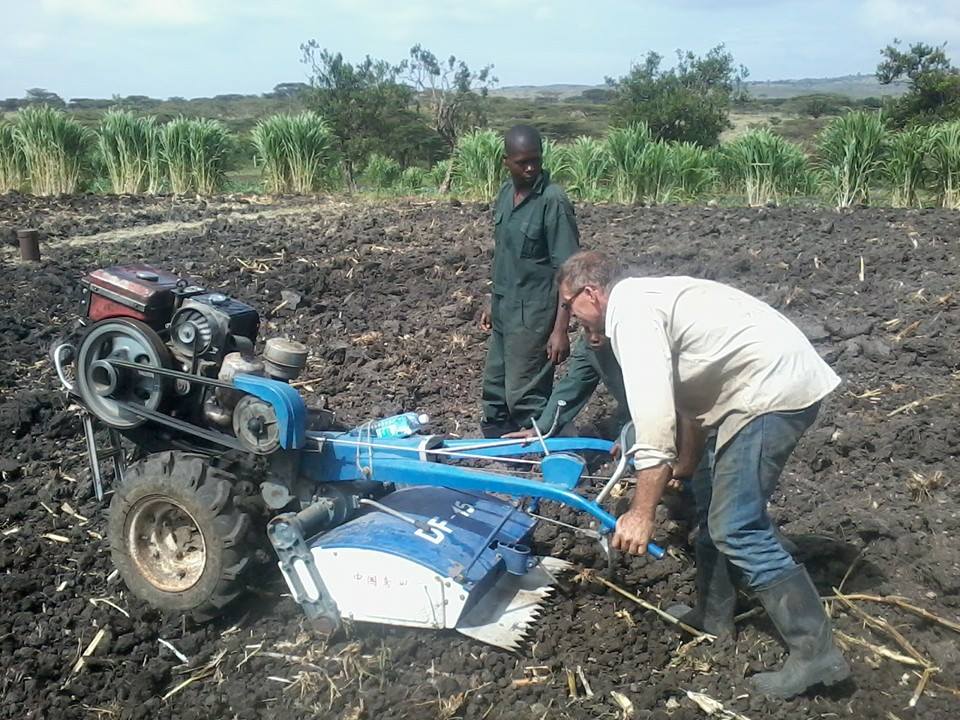
Pete showing one of the boys how to use machinery.

I try and spend 2 – 3 days out at the farm which is about an hours drive. But I also need to be in town to work out all the other stuff. I’m not confined to an office or computer but every couple of days you can’t get away from paperwork. I work with a small team of people who have different roles but one thing I’ve learnt is that you can never over communicate.

Here in Kenya things are complicated and take much longer than say in Australia. You can’t go to one hardware store and get everything you want. Just because they say something is definitely in stock doesn’t mean it’s actually there.

This year I’m trying to take a couple of afternoons off a week. So far I’ve failed miserably.

Every couple of months we get personally involved with our water projects. That might mean driving a few hours to meet up with the community to make sure they’re on track.

That in a nutshell is our life, but it’s much more interesting in reality than in print. We meet amazing people, every day is a challenge and there is lots of work yet to be done.


Why not join us by:

  1. Giving (ask me how)
  2. Joining us (long or short tem)
  3. Find out more (shoot me an email – thewildcreanberries@gmail.com)

Third World Travelling

Actually, it’s better known as travelling in a developing country, but it’s not as catchy as a title. It doesn’t matter if it’s Africa, India, Indonesia or any other place in the world that isn’t as ‘flashy’ as yours.

Losing your passport in New York is one thing, but to do it on Mount Kilimanjaro, Tanzania is a whole other story. Here’s some key things I’ve learned over the past 20 years of global trotting.


1. Your Passport

You lose this and you’re in serious trouble. Before you leave home scan a copy and email it to yourself. Remember to take at least 2 recent headshots of yourself.

Carry your passport with you, but not in your back pocket. Forget the bag, and scrub off your list a bum/fanny bag. Any decent thief can strip you of these in seconds.


2. DFAT

If you’re an Australian, register your travel plans with DFAT just in case anything happens to you. If you are from another country, register with your agency. If you can’t find anywhere, at least email the high commission in the country you will be visiting.


3. Make a Conversion List

This is really handy as it’s sometimes difficult to remember how much an item is in your national currency. Make a list in Excel, starting at 50c (for example), the next line $1 and then up to $100. In the next column put the conversion in the country you are travelling to. A good conversion rate can be found at xe.com. If you are travelling to multiple countries then put in multiple columns. Print it off, cut it out and put it in an A5 book or on your phone for easy reference.
 

4. Mobile Phone

Global roaming is a killer on the wallet. You are much better off paying $20 for a mobile in the country you’re visiting and putting up the number on your social network site. At least if you lose your phone or it’s stolen, you’re not losing an iPhone or Blackberry worth much more. Don’t forget to put autolock on your phone.


5. Safe Transport

Safe transport is a bit of an oxymoron in lots of countries in Africa. Ferries are always overloaded, you don’t always need a helmet on a motorbike and minivans made for 14 may have 30 people packed into them. On buses from one part of the country to another you may end up sitting on a bag of maize or share your seat with a chicken.

However, there are some things you do have control over.

– Always negotiate the price of a taxi ride before the car takes off.

– If at all possible don’t travel a long distance after dark.

– Travel in pairs.

– Ask for a receipt.

– Keep your bag with you, attached to your front not your bag.

– Wear minimal jewellery.

– Don’t hitchhike.


6. Who is your Toilet Buddy

We had an ex-SAS officer train our team before their first visit to East Africa. His opening line was ‘Don’t worry if you get kidnapped, they only want your money’. However, he did give some good pointers:

– Don’t wear pj’s to bed, if you get kidnapped, that’s what you’ll be wearing for a while.

– Nominate a toilet buddy. This is the person who has to come with you if you have to get up to go to the bathroom in the middle of the night. It’s also the person who goes with you if you need to go to the shops or for a walk up the road. Even now our grown kids still say ‘whose my toilet buddy?’

– Don’t act like a tourist. Take off the camera, expensive jewellery and anything else that says ‘Come steal from me’.

– Don’t be the hero. In a conflict situation forget wrestling the man with the gun. Your life is more important than your belongings. Many people have been killed trying to protect their stuff. Stuff can be replaced, you can’t.


7. Food & Water

Never, ever get ice in your drink, specifically ask for none. Get the waiter to open your bottle of drink in front of you. Only drink bottled water. There are very few who travel to a developing nation who don’t get an upset stomach, but you can minimise the risk.

We tend to shy away from salads as they’re great disease carriers from not being washed properly, even in good hotels. If you end up out in some far flung village, you’re going to be pretty sure that your meat is overcooked. Nothing like barbequed meat that’s like charcoal!


8. Baby Wipes

These are my best friend when travelling. It doesn’t take much to pick up a bug, but you can reduce it with baby wipes and hand sanitizer. You need to get into the habit of sanitizing your hands after every handshake, greeting, before meals and afterwards. Great hosts offer hand washing facilities, but there’s nothing quite like the assurance of hand sanitizers and baby wipes. Just remember to take a clip lock bag to take away your rubbish.


You can have an absolute bast if your trip is well planned and you are flexible when things change. Life in Africa is complex and basic at the same time. There aren’t all the conveniences of the West, but there sure are some wonderfully unique things that you’ll only find in the developing world.

Feel free to ad your suggestions in the comment box.