Sandboarding in Namibia

On the top of our list of things to do in Namibia was to join a tour that went had the beach on one side and the dunes on the other. We were really looking forward to it but when we looked at the bank balance, we had to be realistic.

It either was, do the tour, or eat for the next month or more.

We decided that food, fuel and housing was more important that the tour.

Yes, we were disappointed but just had to move on.

Some New Zealanders we had met a few weeks back told us about sandboarding with Alter Action. They mentioned how it was a good price ($25) and the business were really responsive. And they were.

As we were staying locally, we met Alter Action in downtown Swakopmund, which was only 5 minutes away. We went to a German bakery that sold gluten free bread as lunch was going to be provided by Alter Action.

There were two more couples to pick up and then we were on our way out to the desert. Beth, the owner, had come out from the US more than 20 years ago. She was a wealth of knowledge about the history of the place.

When we arrived at the dunes, which were only 15 minutes away, the rest of Beth’s team met us. It was simply a matter of signing a waiver and gearing up. Some of the younger people decided to go stand-up boarding but we opted for laying down on boards. Our gear was a helmet and elbow pads. Since the staff went in bare feet, Liz and Pete left their shoes behind, while Sharon kept her sneakers on.

First thing was to walk up these giant sand dunes. Liz really struggled as the sand was super soft. It was easy coming down, but then, you had to go all the way up again. Rinse and repeat.

The key to a good boarding experience is holding up the board (harder than you think) and keeping your feet up (but not too high), unless you want to slow down, then the feet come down. If you don’t hold the board up, you’ll end up eating sand – which Sharon did on the first slide.

After 5 slides down (which meant 5 walks up) it was time to join the others down at the starting point for lunch. Drinks and buns with salad was on the menu – and everyone was ravenous.

Check out the video below that Alter Action put together for us (included in our booking).

Let’s Go On A Free Boat Ride

The crossing from Zambia into Namibia was the fastest ever for us – one hour in total.

In most border places, there’s plenty of people wanting to sell you a SIM card and data, but heading into Zambia, there were none. We walked into the border town but were told that the system was down. It was okay as we had the directions to our camping spot from some friends.

We were highly recommended to stop in at the Rainbow River Lodge in Divindu, Namibia. We were really looking forward to it especially since we would have two nights somewhere. It’s been a bit hard packing up every morning, do 8 hours on the road and then have to set up again – day after day.

We arrived in the dark but were given a space right by the river. The lodge has chalets as well as camping areas. There’s a restaurant onsite, but we weren’t impressed with the food choices so cooked for ourselves. There’s wifi at the restaurant and bar, which was important because we weren’t able to get a local sim card. We did go to the post office but the girl behind the desk couldn’t be bothered selling us a card as it was close to her lunch break.

Rainbow River Lodge is located on the banks of the Okavango River in the Kavango-Zambezi Region, north-eastern Namibia. The area is rich in bird life of which as many as 339 bird species has been recorded. It’s surrounded by the Buffalo and Mahango Parks, where 4 of the big five can be found (African Elephant, Cape Buffalo, African Leopard and African Lion). Less than 1 kilometre from Rainbow River Lodge Popa Falls lies, this is where the Kavango River breaks through a 4 meter high rocky entrusion, surrounded by beautiful forests.

This is where we were blessed with a complimentary boat ride from the owner. He gave us lots of insight into the history of the country as well as his journey. We spotted a good number of hippos and stopped off at the falls. When it’s the wet season you can’t see the falls at all because the river rises so much. I would’ve liked to have stayed there longer to practise with my camera but when someone gives you a free ride, you take what you can get.

Check out the video below.

Camping in Tanzania

We are often torn between booking every step of our trip, and winging it for accommodation. We decided that doing long hours and just hoping to find somewhere to sleep wasn’t going to be a happening thing, for the first week anyway.

So, we booked into The Old Farm House in a remote area but on our route. It was way better than we anticipated. It was quiet, plenty of water, and hot showers!

As we drove in, we met some people who were from Namibia – our ultimate destination. They gave us a bottle of sand from one of their sand dunes and told us to come over later. They had some friends who were coming in later too. These two couples traveled in super flash mtoorhomes, so it was an easy setup for them.

For us, it took quite some time. This was the very first time we had done a setup and actually stayed somewhere. Admittedly, it probably took us a couple of hours to get everything where we wanted.

The facilities at The Old Farm House are fantastic. You can choose to stay in a chalet which is very nice and well setup. You can get meals there but have to prebook as they do it all from scratch. We did our own meals.

We had a great night with our friends from Namibia and learnt a lot about their homeland.

The next day – we spent a lot of time packing up (we’ll get better) and headed to our next destination.

Prep Day

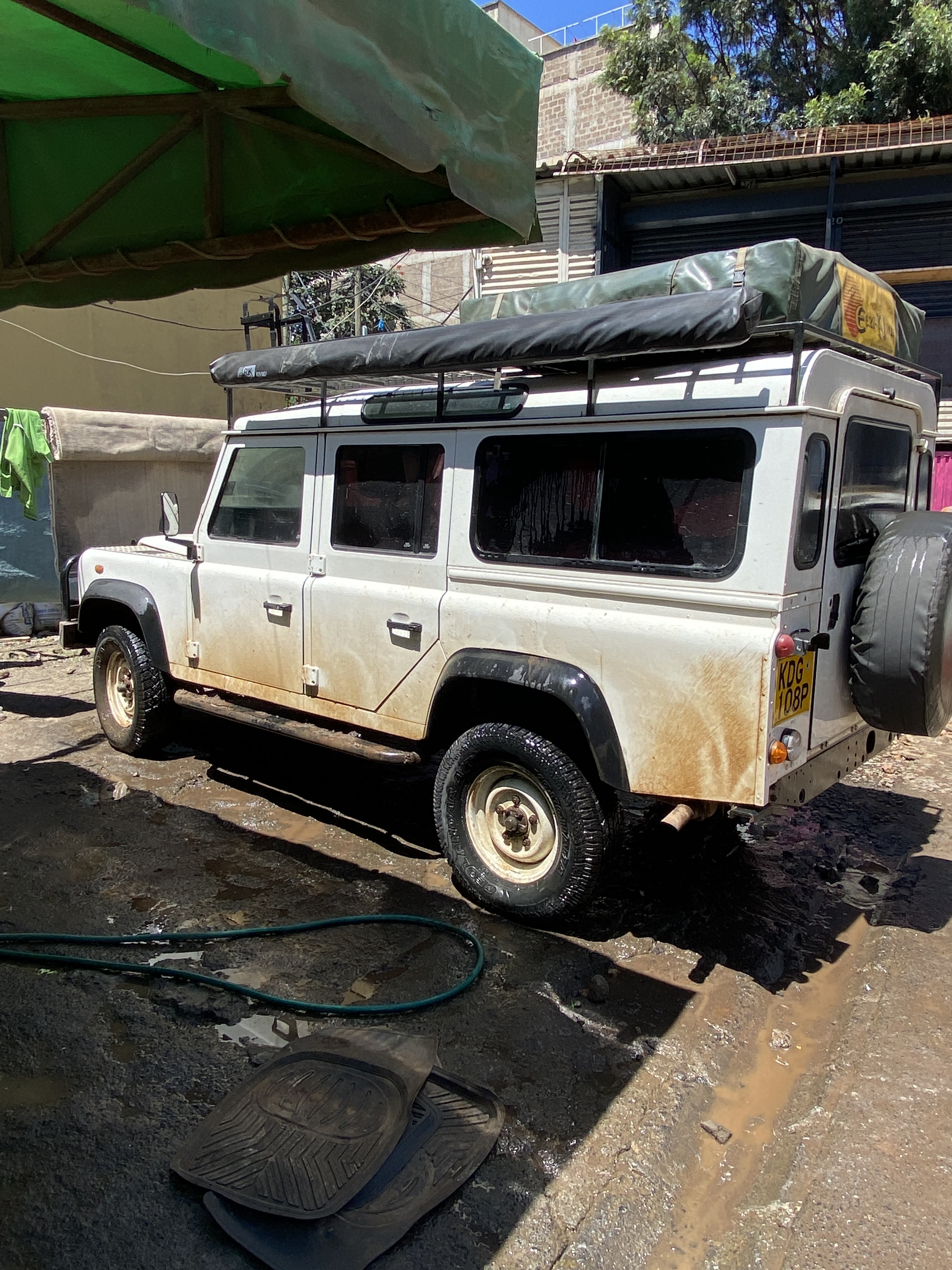
The groceries have been brought. The bags have been packed. The itinerary is coming together. The Landy has been loaded. Now all we have to do is get going.

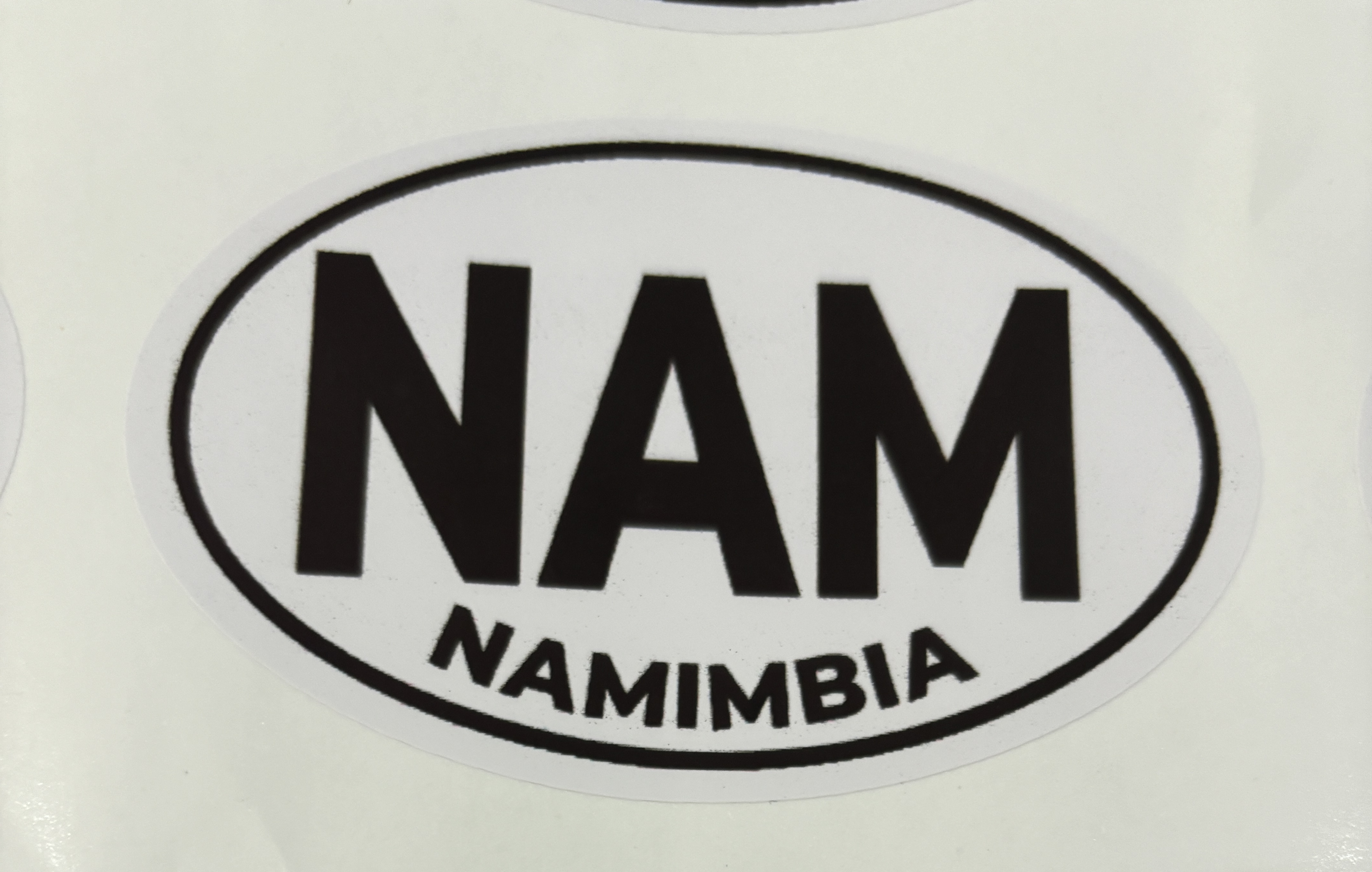
Sounds simple, but there’s no hand book that says what each country rules are. We found out just a week ago that if you don’t have a Namibia vehicle identification sticker on your car, you’ll end up getting a fine from the police. It was one of those random posts on Facebook that will save the day.

So, we downloaded some designs and sent them off to the printer. Simple instructions, print one each. A few days later we get back 5 of each sticker and two with major errors. On one of them Tanzania was places in Zambia and Namibia was spelt incorrectly. The printing company said they would redo them, but to date, still no word.

We’ll use what we can and see what we can find on the road.

Check out the video below on what else we had to do to the landy to make sure we don’t get pulled up by the police in different countries.

Do We Know What We’re Doing?

It sounds awesome to spend a few months on the road camping and seeing some of the amazing wildlife and scenery of Africa. The closer we get to going on safari (trip) the more nervous we get about making sure we’re really ready to go.

I just read about a couple who were on safari in South Africa who were in a rooftop tent and a lion came up and started making holes in their tent. When you hear of safety precautions like not visiting the toilet at night and sitting with your back to the vehicle, it makes you a bit nervous.

This week we aim to buy an air horn as apparently that will keep the lions and leopards away.

One thing we’re doing is knowing how to put up our rooftop tent properly. It’s taken a bit of practise but once it’s up it’s great. We bought it from an American missionary who had been in Djibouti for 10 years but came back to Kenya occasionally for a rest, and camping. Unfortunately he got cancer so had to spend a few years going back and forth to the US for treatment. Once he got better, he and his wife decided to return permanently to the US to take up a leadership role in a church.

We bought the tent off him and it had hardly been used.

When we went to Northern Uganda last year to build some toilets, we slept in it for a few nights. It was way more comfortable than what we anticipated. You definitely have to be careful for a midnight toilet visit. It took is a few days to realise there was another piece that attached to the ladder to make it lean on a better angle.

We haven’t slept in the tent when it is pouring down with rain, but it does have a waterproof cover on it. I guess we’ll find out very soon.

There are a couple of windows in the tent for ventilation and lots of pockets on the inside walls for putting in things such as phones.

You can hear everything from the tent, so if we’re in a campground that is noisy, we’re going to have to suck it up. I’m a light sleeper, so hear every animal moving, birds singing and people talking – even from a long distance.

Do we actually know what we’re doing? Sort of, but in the end like everything else, we’ll just have to figure it out.

Where Do You Sleep?

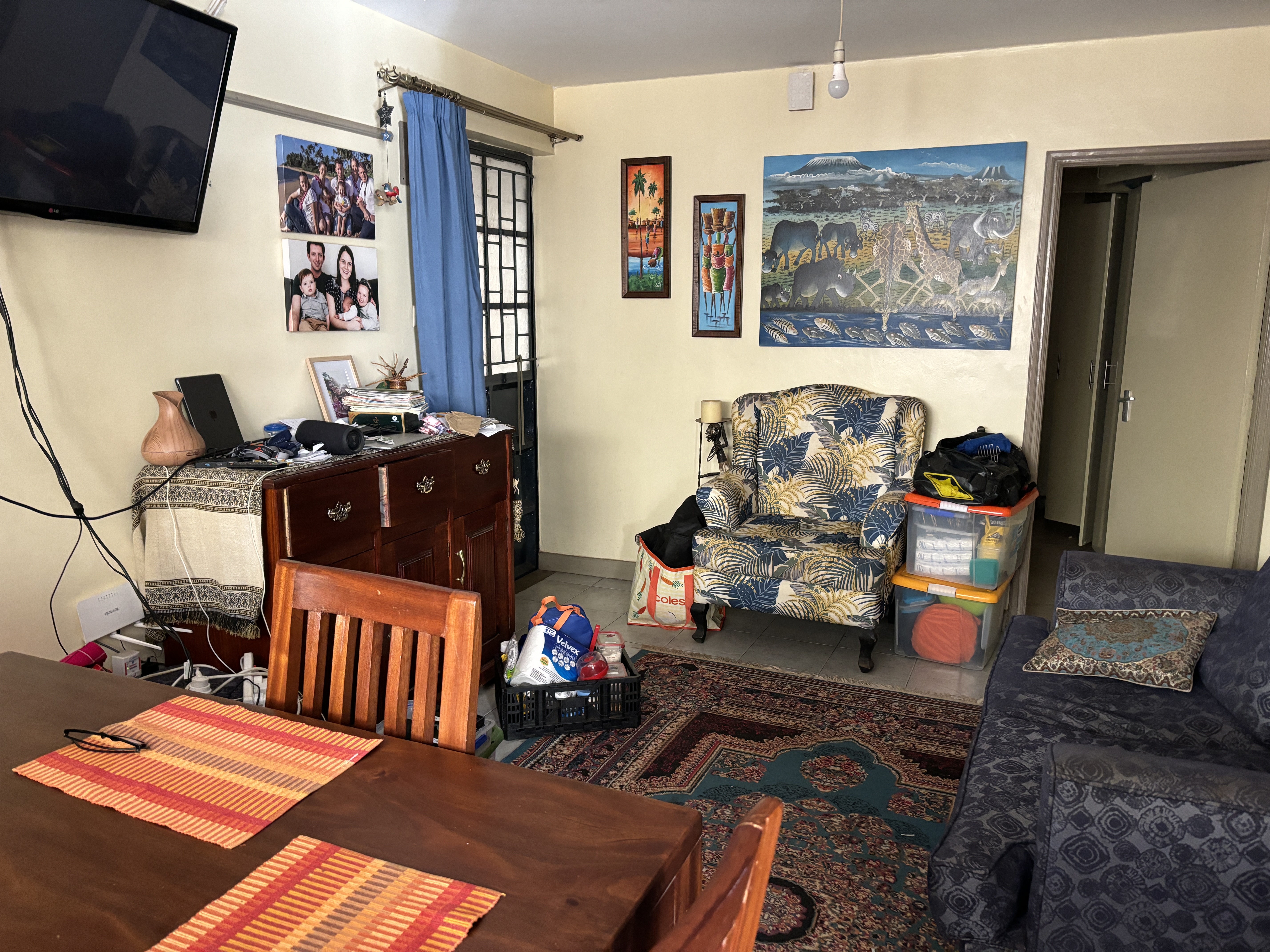
Our home is a rented two bedroom apartment in a suburb called Jamhuri in Nairobi. It’s really small but it’s affordable and across the hallway from the office. That means it’s a quick 3 second trip between the two.

The downside is that it doesn’t have a security grill, only a direct door to the hallway. If someone comes to the door, you have to ask loudly who it is. It’s a bit of a dodgy area but we actually like it. Downstairs is a open air marketplace where you can buy fruit and veges, as well as a supermarket.

Our lounge/dining area which currently has lots of camping gear ready to go.

When it comes to camping, it’s a whole other story.

We have a rooftop tent that we adults sleep in. It has a thin mattress, windows and you have to go up in it with a ladder. The downside is that if you want to go to the toilet in the middle of the night you have to go down the ladder.

Liz sleeps in a side room on the ground that comes out from the Land Rover. When we first had to put up it took a bit of working out but now it makes sense. It has sides you can let down for fresh air but keep the mossies out. Liz will have direct access to the landy at night just in case there’s a lion or leopard roaming around.

Check out our quick video of how we set up Lizzies room here.

I’ve a Split Personality

I’ve been away from our African home for 3 weeks now and I’ve suddenly realized that I’ve got what used to be called a split personality, now it’s known as having a Dissociative Identity Disorder.

Here’s one definition:

‘dissociative identity disorder is a severe form of dissociation, a mental process which produces a lack of connection in a person’s thoughts, memories, feelings, actions, or sense of identity’ (webmd.com)

Most of us turn towards Hollywood on this issue where we see someone suddenly transform into a totally different person and go ‘Oh, they have a split personality’.

Why on Earth would I confess to this?

It’s quite easy really. I was in the car with Pete and we agreed that we felt like fish out of water in a country that we call our ‘other home’. Sure, we hold an NZ passport but it doesn’t make us Kiwis. We are a mixed breed – born in New Zealand, spent a good number of years in Australia but Kenya feels more home than any other place.

tea 2

This does not taste like Kenyan tea.

We literally have to speak a different language, dress differently and act differently. I still get shocked that there is no place in cafes to wash your hands before you eat. It rains here A LOT and it’s the coldest we’ve been in a long time. Temperature wise it’s not that cold but it’s a chill that goes to the bones.

It’s almost like we have to put away our ‘Africa lifestyle’ and pretend that we belong here.

But there’s this tugging of a war inside of me. I’ve adapted and become someone else who doesn’t fit in here, I’m just pretending. I feel like the real me is waiting back in Nairobi.

It’s not that I’m not making the most of it, it just feels weird. I’m loving time with family and the food here is phenomenal, there’s no doubt about that. When I’m skyping my team back home I can slide back into my comfort zone. Even after a few weeks of being away, I feel like there’s a strong pull to East Africa while here I am not connected to much Kiwiana at all.

So what’s the answer?

I think I will embrace my very different ‘mes’, while I’m full on Kiwi on the outside, on the inside I’m very Kenyan. I’ll keep speaking English out loud and Swahili in my head. I’ll use knife and fork with my chicken here but gladly use fingers in Kenya.  I’ll get to understand how this new country of mine (for 2 months) works and then miss the simplicity of it when I return home.

sevens

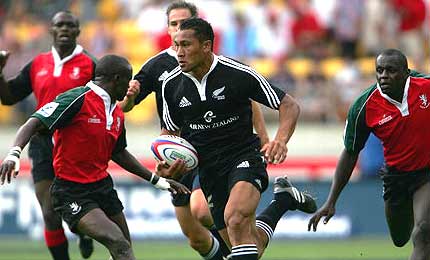
And yes, the Kenyans beat the Kiwis in the sevens.

When you see me, feel free to say ‘habari za asubuhi’ (good morning) and you will make my day, but I warn you, my Kenyan side might come out in full swing!


You Probably Won’t Like This

This week I saw online a video about a well known musician who visited Western Africa and was shocked when he saw young boys sleeping outside in a canoe like boat. He was so shocked his first reaction was to put them up in a hotel that night. The video at the end stated ‘these boys are safe for tonight, millions aren’t.’

The comments that came in after this was posted included words like ‘amazing, wonderful, we should be like him’. However, since I’m working on the ground in such areas I had a totally different reaction and got berated for it, so thought I would write about what actually works and why short term solutions are not the best.

What people don’t understand is that when a famous person appears in a developing country as a spokesperson or ambassador for a large organization, they are getting paid for it. The average person receives between $20 – 50,000 dollars for an appearance fee. That’s on top of their first class ticket, staying in a five star hotel etc. Very few self fund their appearances. They don’t just ‘happen’ to be in Liberia or Sudan in between a gig.

Unless it’s an emergency situation, like a famine, short term is not an answer. Famine or war situations don’t happen overnight. The famine happening in South Sudan for example, has been warned about for years.

Large NGO’s spend A LOT (some up to 90%) of their income on administration, private planes and paying their top managers more than a CEO in Aussie gets. ‘Project Costs’ can easily be hidden, but these include getaway weekends for staff, safaris (team building), conflict resolution meetings (staying at a spa can resolve a lot you know!). Meanwhile on the ground the team are working with limited resources in dangerous places and often don’t have what they need in crisis situations.

I’m not saying these things to point at certain groups but when you’ve been doing it as long as me, you see things as they really are, not how they are portrayed in the media.

So what actually does work?

Long term solutions for people to help themselves out of poverty. You have to look at it holistically. For these boys sleeping outside, putting them up somewhere for a night or two actually puts them in a worse predicament. If the famous musician wanted to do something, he would find an organization he has a trusted relationship with. They in turn would be able to come up with an action plan that would include reconciliation within their home community and find one family member that would be able to take them in. The family would need ongoing support from a community worker to make sure donations are spent where they should be (food, clothing, housing, education, medical) and not at the local bar up the road. That child will need financial support until they are at least 18 years of age. Then they need support in starting a business and going on to tertiary education.

Let’s rethink child sponsorship.

I’ve been to events where there’s a hard push after a pull in the heartstrings video presentation for the thousands in the crowd. Then the presenter talks about how bad the situation is, then they get people to put up their hands if they will sponsor a child for X amount of dollars. You’re instantly given a photo to put on the fridge and ‘wallah’ you have a new child in your family.

We need to become intelligent givers and start asking the hard questions. How much of that money gets through to the project? What child protection policies does the organization implement? Where are the annual reports? What happens when that child finishes secondary school, what is the plan?

Now I’m not discouraging child sponsorship, I do it myself.


What I want people to realize is:

  1. It’s not your child – they belong to someone else. You are simply assisting a community.
  2. The money doesn’t go to them – it gets pooled together to cover project costs.
  3. There is no point in sponsoring for a year or two, it’s a commitment that shouldn’t be taken lightly.
  4. Don’t send them gifts. Most of the time it won’t get there, and the money you spend on postage and the gift, could be used in a more impacting way within country.
  5. The word ‘sponsor’ in the developing world actually has negative connotations connected to it. It’s like saying someone has a sugar daddy. The money isn’t free, there are strings attached.


If we want to get more kids sponsored we need to be telling the success stories not just the sob stories.

My last rant is about the huge waste I see in transporting goods from your home country to a developing country. Often you can buy or get made the chairs, desks, pencils, sport gear, underwear, babies clothes, any clothes and furniture in the needy country. It costs on average $10,000 to get a container shipped over with goodies. Then, you spend up to another $5,000 to get it off the wharf with bribery money. Often when organisations sort through what is in that container, they throw half of it away (especially clothes) as they are unusable. People think giving their junk is an honourable thing. Trust me – you can keep it.

We should be encouraging manufacturing in developing countries, buying from within where possible. While we see the nice smiling faces of a kid in Africa or Asia opening a shoe box at Christmas time, it doesn’t have lasting impact. The money spent on the effort could start small businesses who employ parents and give them business training –  who could then feed their families, pay school fees, buy clothes from the market more than once a year and make sure their kids have a future. Yes, they would even buy their kids a toy.

So, did the famous musician waste his time? I hope he got to see some organisations working on the ground being a part of the solution and not cause more problems. I hope he invests into these organisations long term and gets more involved.

I hope the adults in the video don’t beat those boys up or worse because some white foreigner with a camera crew came into their ‘home’ and therefore thought the boys were getting paid for being on camera.

My hope is that we become more intelligent givers who aren’t afraid to ask the hard questions.

Organisations in developing country need partnerships that cause them to become self sustainable, they need long term solutions through development and not aid.

Go ahead and sponsor a child, it does change their lives. But also send them a letter a few times a year. Build a friendship with them, not a reliance on you as a Westerner and therefore their funder. Most of all, sacrifice your income and go and visit them at least once in your life. You will find your life will be changed forever.

You are not a donor – you are a partner. Build good partnerships.
Tsavo Conservancy

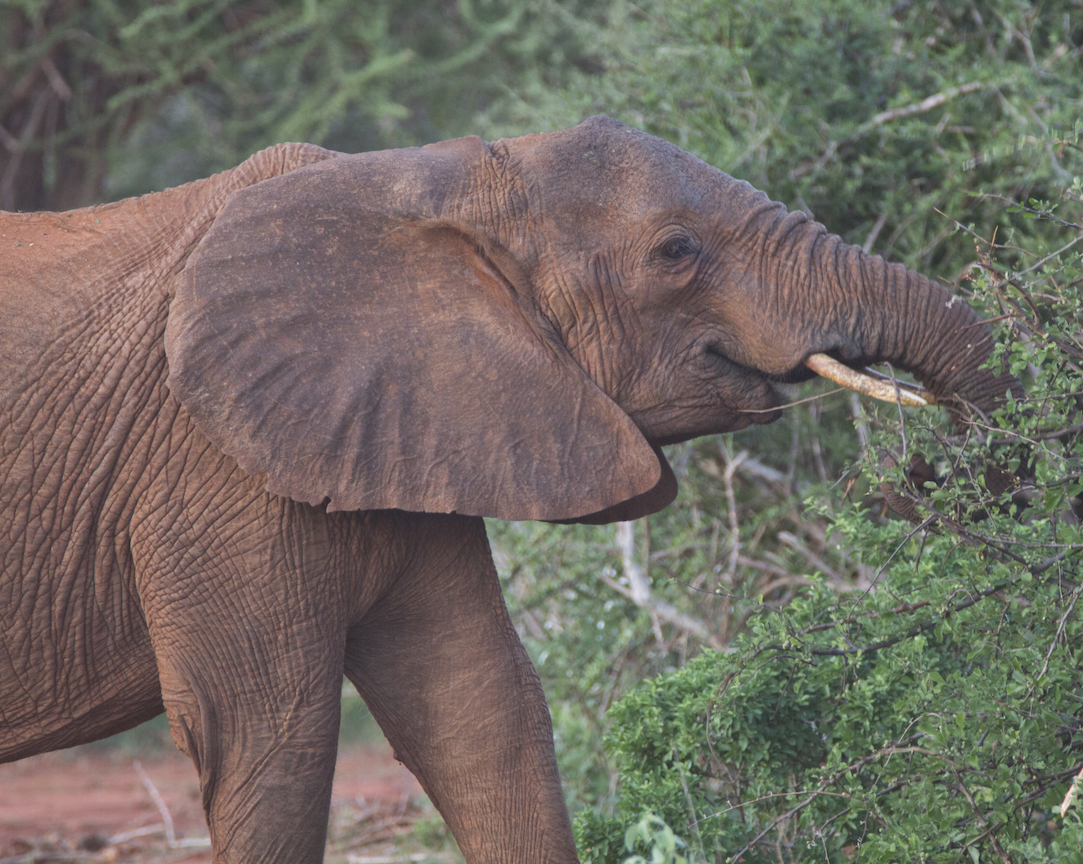
It’s been a couple of years since we’ve been to a wildlife park that has elephants in it, and I really wanted to get away this Christmas to see them. Elephants eat a lot of food (100-300kg’s) and drink lots of water (190litres) and not all parks can cater for them. They also have routes that they follow.

sign

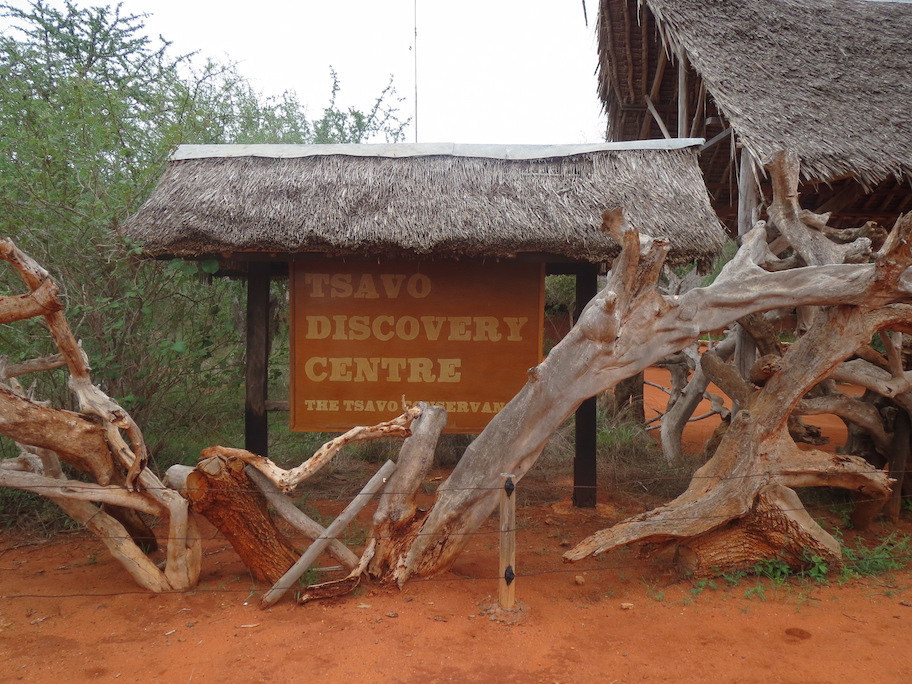
So, off we went to a place called the Tsavo Conservancy.

camp-sign

In theory it should take 6 hours to drive there from Nairobi, but with trucks going ridiculously slow (think 40km’s per hour) and traffic thick because of the holidays it took us 7 hours. It’s an easy drive and the road is in pretty good condition until just after Voi, where it’s advisable to fill up on petrol.

cheetah-licking

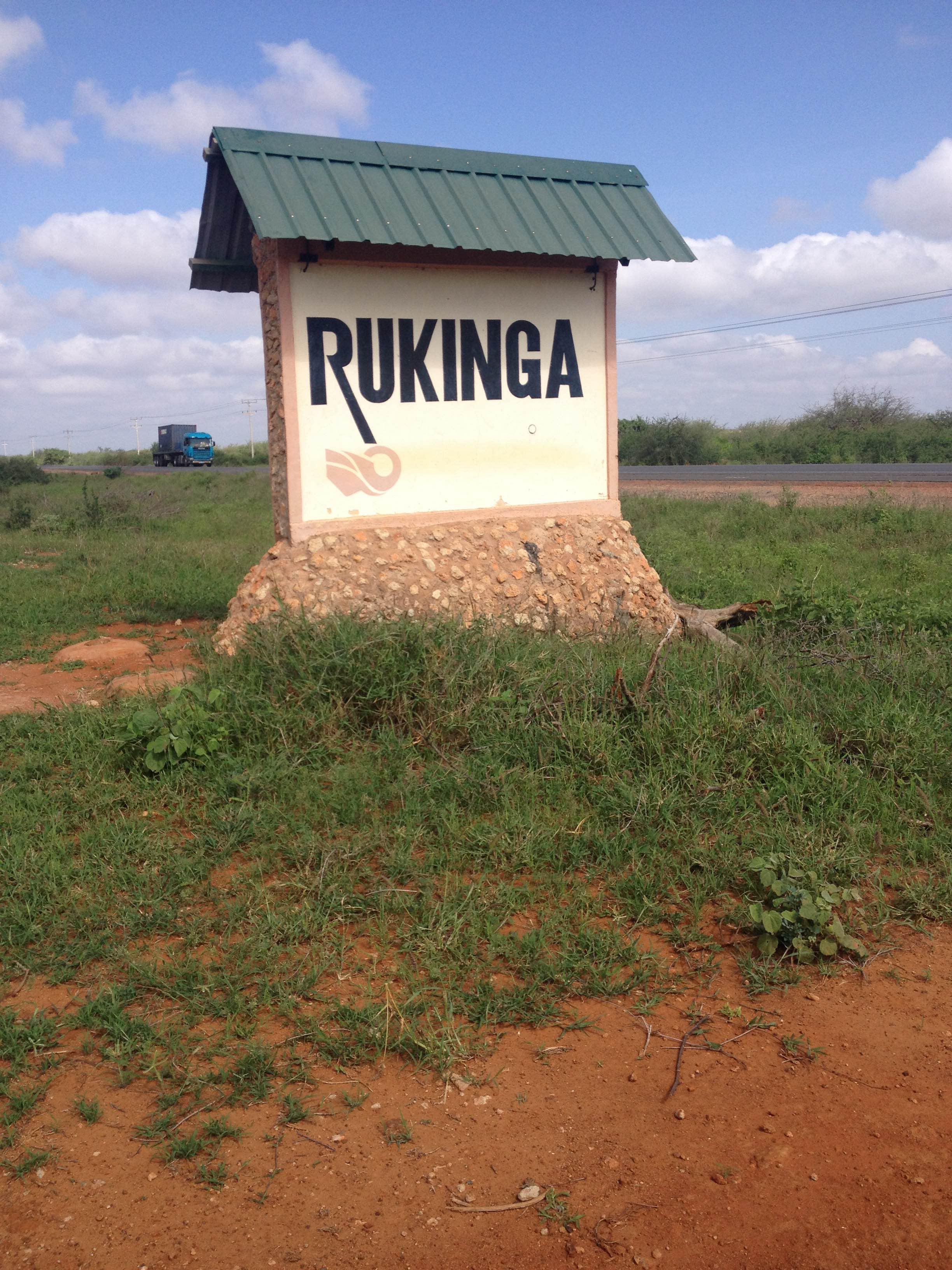
We stayed at a place called Rukinga, one of 7 ranches that form the Tsavo Conservancy. Cara, my contact there gave very clear directions (which is unusual here). We signed in at the gate and kept following the directions to the camp. I said we’d get there at 3.30pm and we did.

hornbill-staring

What surprised me the most was the quietness. After being in a noisy city the quiet was almost deafening. I was also surprised that there were very few people around. I assumed because it was coming up to Christmas that the place would be overflowing with visitors. There was just the three of us and a group of eleven people from Nairobi. It was ironic that the group actually lived in the same suburb we do. The next day a family of three from Germany were going to join the camp.

ele-eating

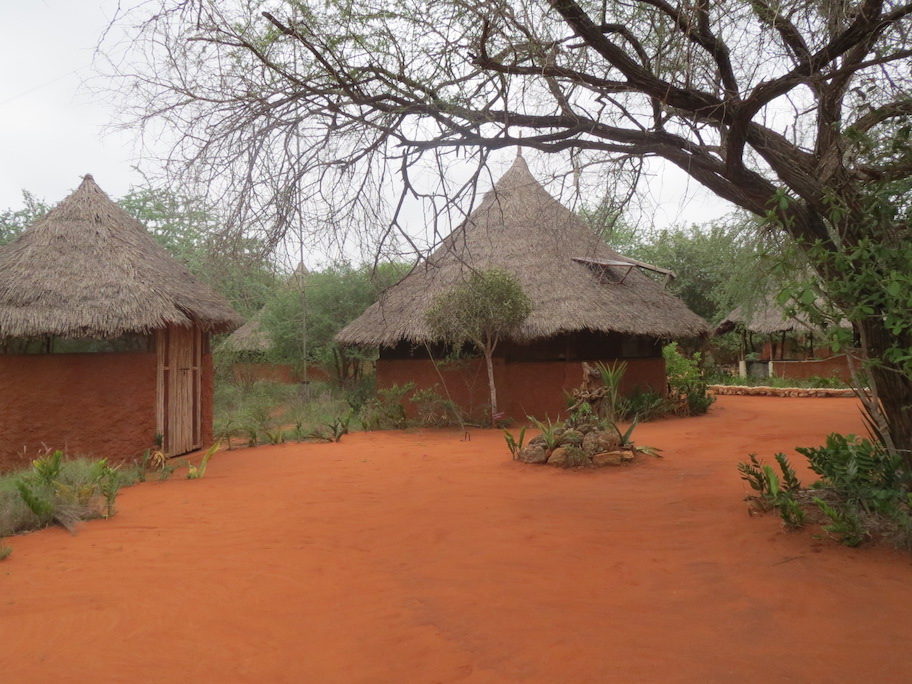
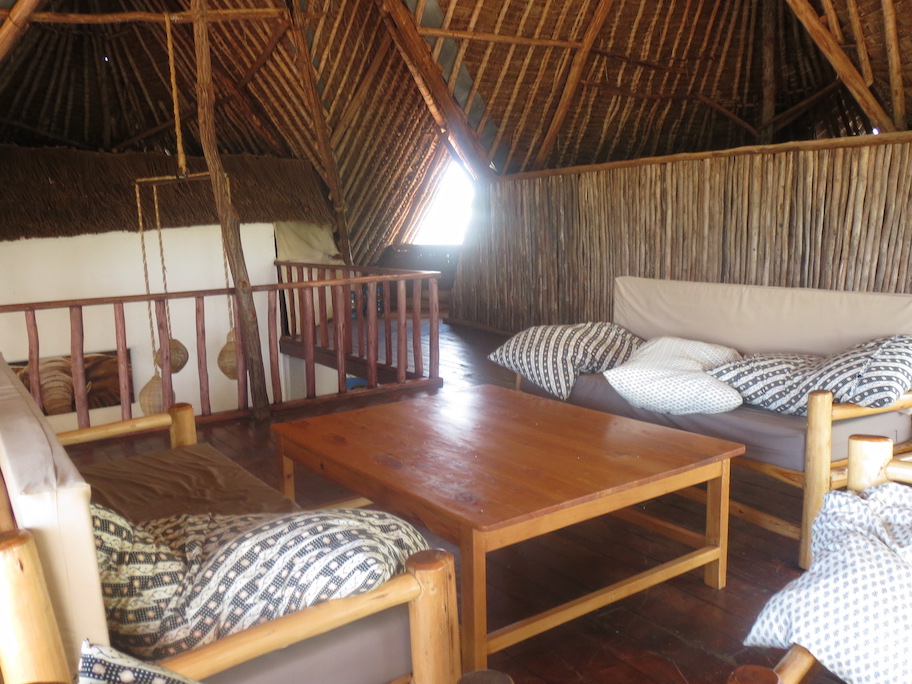
Rukinga is split into three areas. There’s the tenting and self catering area. There’s Nduvo House which is a two story building with three huge bedrooms, it’s own kitchen and a couple of open space lounges. That’s where the large group were staying.

And then there was our area.

There are bandas which either have bunk beds in them or like ours, a two room with a bathroom in between. There’s an outdoor eating area as well as a bar and an open area for the lounge. Unfortunately there’s no pool, which, with the sweltering weather would’ve been appreciated. However, we would’ve had to fight the elephants for it had there been one.

camp-grounds

One of the things we quickly discovered is that the wifi that was advertised, did not exist. I was bummed out because we really wanted to Skype the kids on Christmas Day.

nduvo-lounge

Our time there was spent on early morning and late afternoon safaris. The best thing we had done was to pay for a jeep and driver to go on the three drives. There was also a guide who was on the lookout for animals. One the first afternoon we were there we drove ourselves and saw – nothing. The guides know the habits of the animals, their feeding and watering grounds, as well as how to get good photographs.

I hate it when drivers become impatient and want to get on to the next animal ‘fix’. We like to watch, observe and get a million and one photos. Sometimes you just need to enjoy the beauty in front of you through real eyes and not just a lens. Our guides were fantastic.

guides

I do have to say that the meals provided were really basic, but we figured it out before we left. We didn’t go hungry, but the meals weren’t flash. Our Christmas lunch was spaghetti and tomato puree. Not anything to rave about. However, there was always fruit at the end of every meal, and the mangoes were to die for.

While having no wifi at the camp, we managed to find it when on safari. We even managed to call the kids in New Zealand on their Christmas morning, which was great.

But I guess that’s what getting away is really about. Getting away from all the hassles of daily life, getting connected to the world and not a device, take a break to breathe.

If you visit the Tsavo Conservancy I suggest a couple of things:

  1. Take a book, games and cards.
  2. Definitely pay for a safari guide and driver – you can see much more from their vehicles.

evening-hills-3

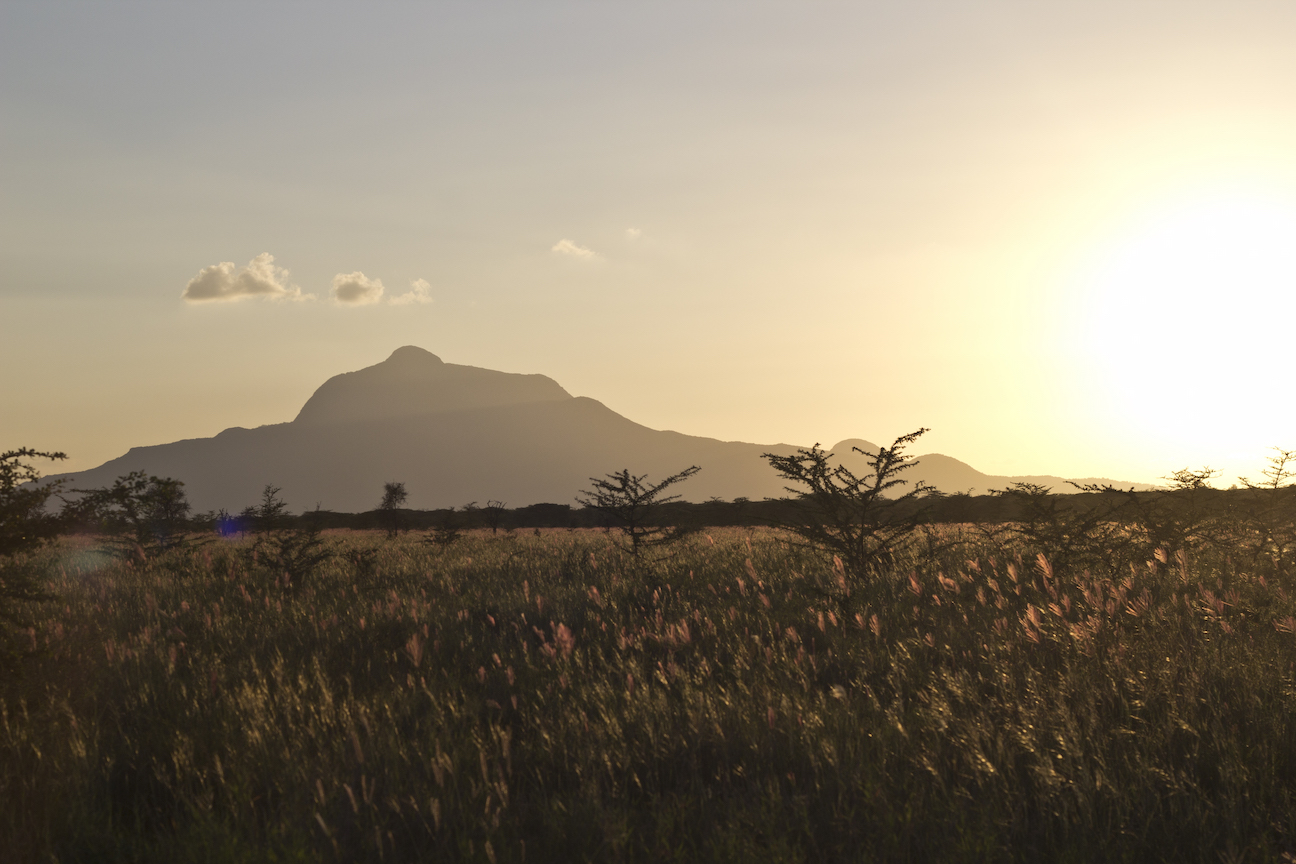
The staff at the Conservancy were of some of the highest I’ve experienced. They went out of their way to make sure our stay was the best one possible. We liked it so much, that we’ve decided to return in April.

Why not take a weekend out from the city and visit the Tsavo Conservancy, it might just do you some good.

The Medical Gap

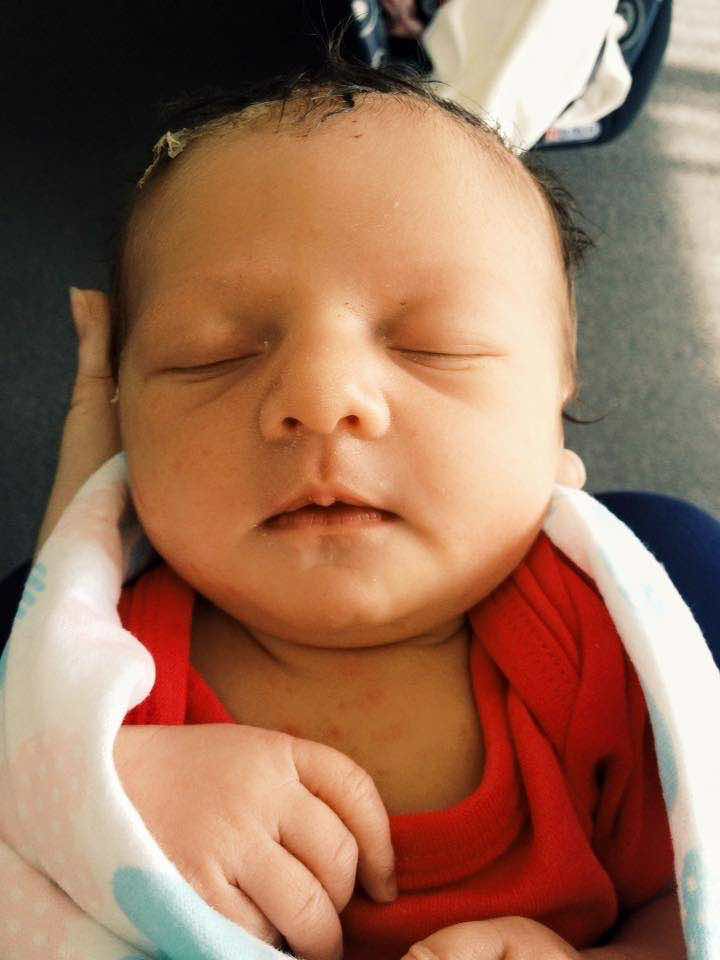
As pretty much the entire universe knows, our youngest daughter gave birth to the most perfect baby girl on Wednesday. But it hasn’t been without its dramas.

Hannah has had gestational diabetes throughout her pregnancy. That means she has had to cut out sugar, reduce her carbs and test her insulin levels 5 times a day. There’s extra scans and monitoring baby growth closer.

Baby had been super active in the womb and it was all looking good that the doctors had decided to let Hannah go right up to the 40 week mark, where originally they were going to induce her at 38 weeks.

And then baby stopped moving.

This was one of those events that stops your heartbeat. I suggested to Hannah to call the midwife whose care she was under, who said we should immediately go to the hospital. Luke (Hannah’s husband) drove pretty determinedly but there was this heavy silence in the car. No waiting, they saw us straight away. The relief experienced when we heard the heartbeat was huge. They decided to keep her in anyway.

Although baby’s heartbeat was good, the doctors had decided to induce baby on the Tuesday night. Not sure why they chose nighttime as the morning seemed a much better idea to me.

babe

I was really impressed with the staff, the quality of care but mostly the concern for baby and mother. The resources and technology are amazing, way better than when I had my kids 25 years ago.

Of course, it all got me thinking about the huge gap between what is available here and that in developing countries. I’ve friends in Kenya who have had babies and it’s a whole different world there.


  1. The God Factor

I call it this, because there tends to be a thinking in East Africa from people in certain positions – medical staff, police, teachers – which says ‘Don’t you know who I am, I must be obeyed without questions at all times’.

Kenya: You would never dare question what the doctor says and you simply don’t ask.

NZ: They give you informed options and don’t flinch if you question them ‘why’ or ‘could we try this’.

hospital 2

  1. The Price

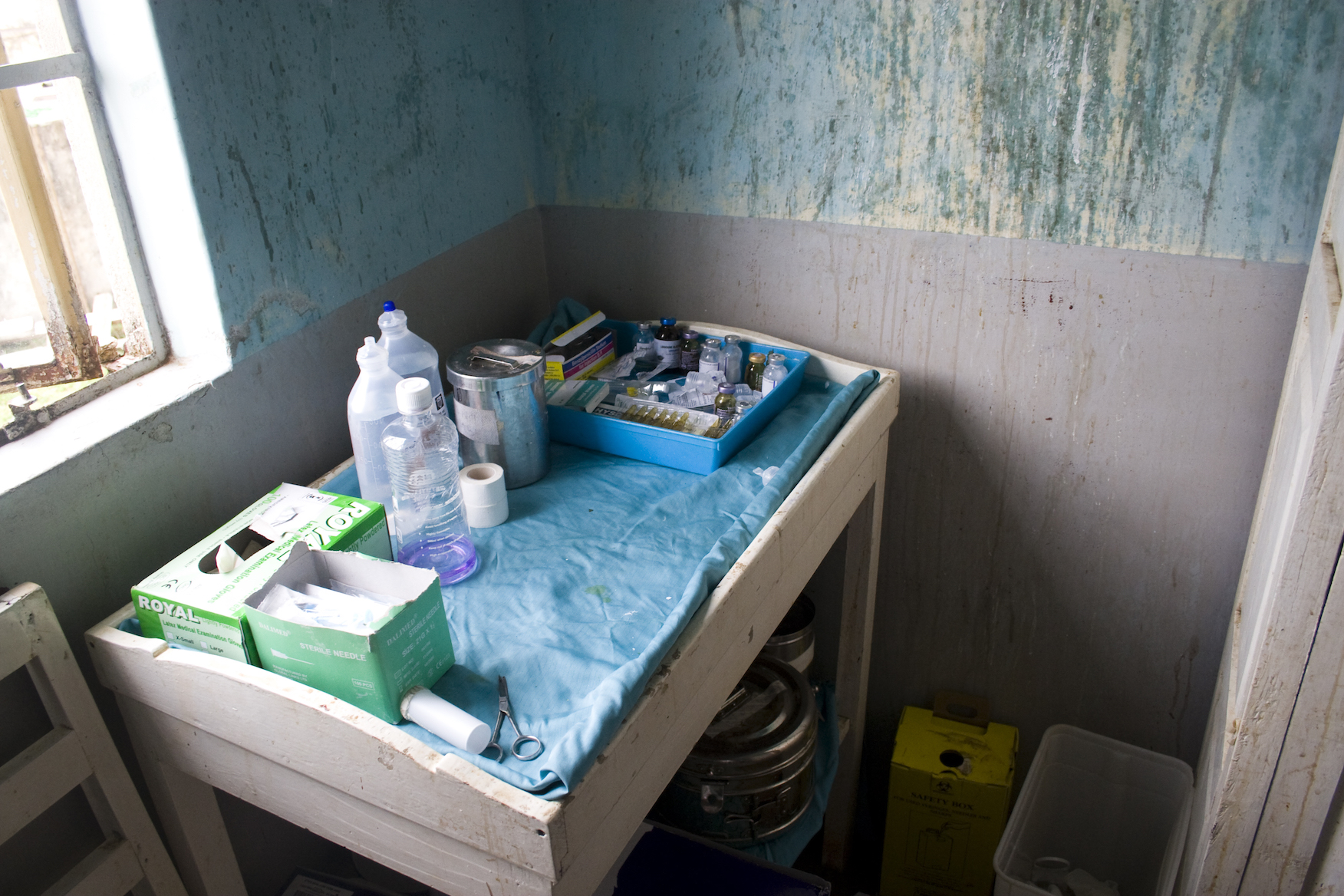
Kenya: While there is a policy of free maternity care, practically it’s not so. You need to pay for services like scans. I’ve close friends who didn’t have the $30 for a scan and had a breach baby who died 20 minutes after birth because of complications. The emergency cesarean section would’ve saved his life but that was around $800. They only earn $200 a month. You need to take everything in with you to hospital.

NZ: Every single thing is free. Food, personal bathrooms, sanitary products, scans, hospital stay, sheets, pillows and even free wifi.

tray

We met a young 18 year old who had been raped and become pregnant. We arrived on the day she gave birth to her son. She was not allowed to leave hospital because her family did not have the funds for payment. Every day she stayed the debt was accruing. No doubt the family had to borrow money to get the girl home.


  1. Rooms

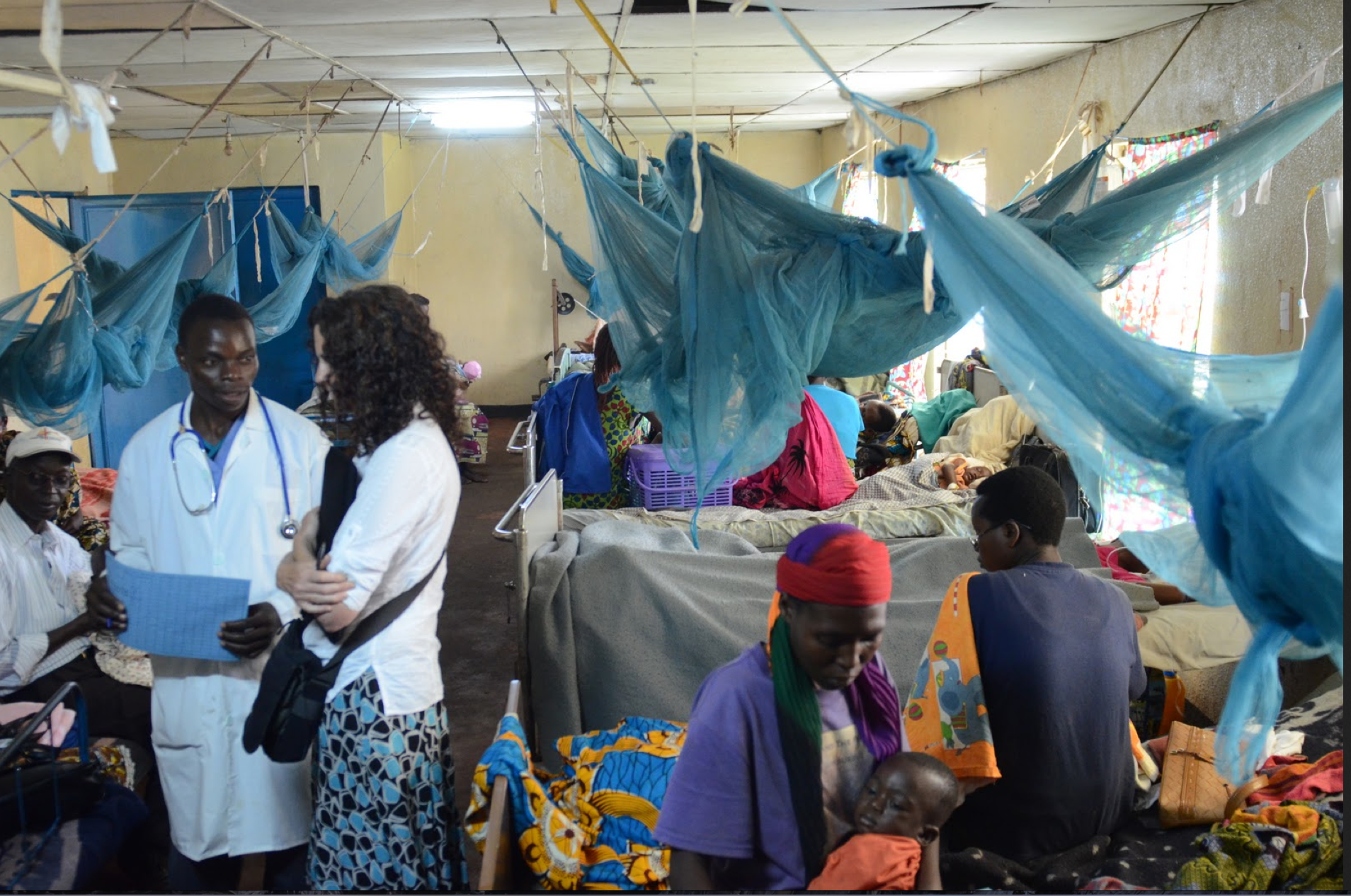
Kenya: Don’t be surprised if you are sharing a room with 8 other women. Imagine a metre between your bed and the next. Babies are often kept in a nursery, except for feeding.

NZ: While there’s the odd room that will have 4 beds in it, most are single or doubles. Baby is in your sight at all times, in a plastic bassinet beside you.

hospital 1

  1. The Birth

Kenya: I’ve yet to meet a Kenyan man who has been in the birthing room. It’s just not done any other way. In rural areas it’s older women who assist.

NZ: At the hospital our daughter went to, you could have as many support people as possible. In the birthing unit you could have two.

Nairobi has a few really good hospitals, so if you can afford to go to them you do. One is notorious for bad after birth care, but people go there because it’s free.

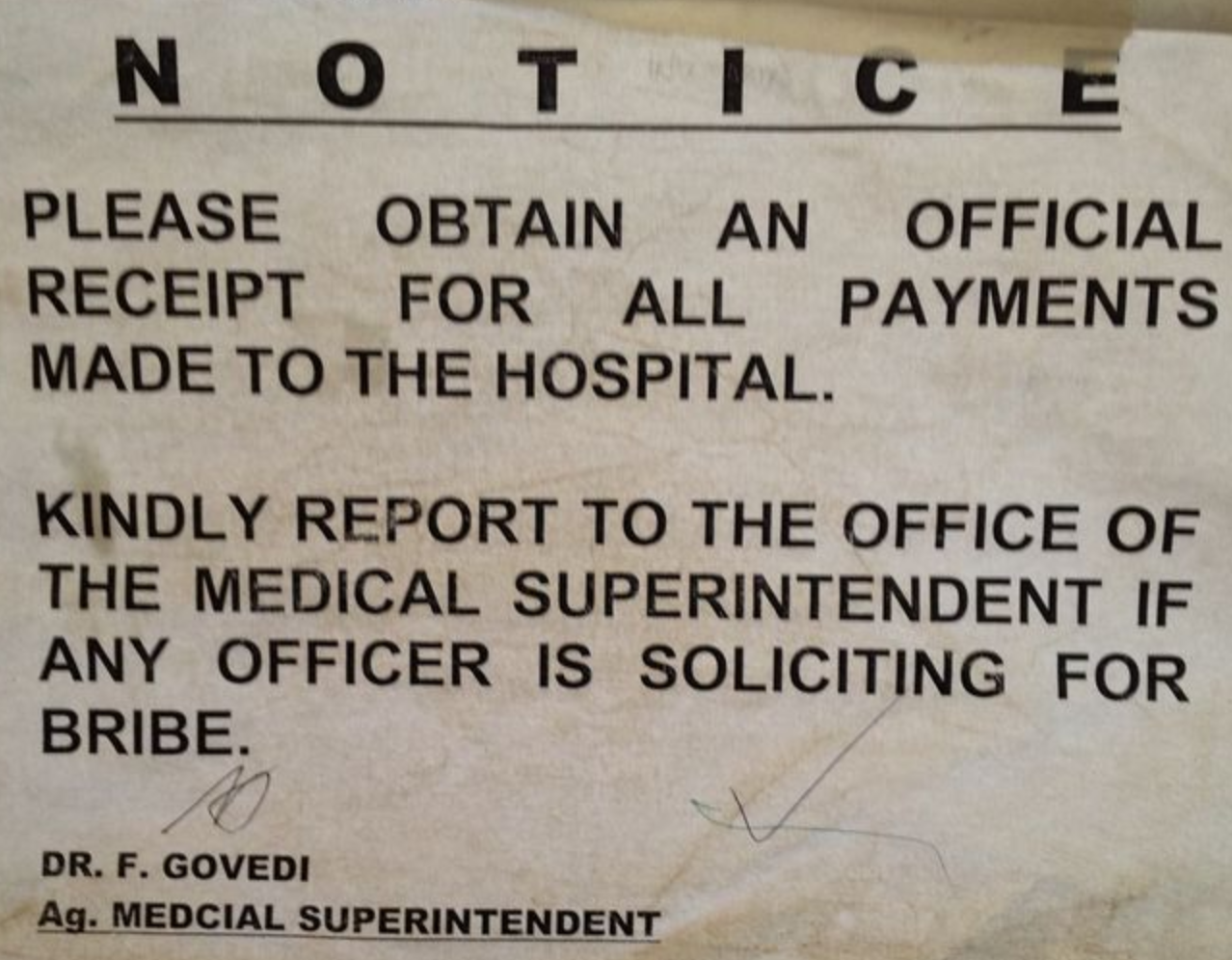
Our close friends whose baby died not long after a breach birth were forced to go to one such hospital. She should’ve had a c-section but the staff said to her that the lines to the theatre were long and ‘she carried small so she should deliver okay’. Of course, as in Kenyan culture, the dad went home (by public transport) but was called back because something was wrong. When he got there he was told his son had died. He never got to hold him because there was ‘confusion’ to the whereabouts of his sons’ body. He was told it was in the morgue, went there and they said to him he was on the ward. Went to the ward and was told he was in the morgue. What the attendants really wanted was bribe money. A terrible experience to an unnecessary tragedy.

Of course, if you have money, nothing is a worry. I’ve friends who’ve been in birthing centres in Nairobi and loved it. I’ve also known people who travel for half an hour on a motorbike to a rural clinic to give birth, all by themselves.

I applaud the work of Kenya’s First Lady – Mrs. Margaret Kenyatta in creating Beyond Zero which aims to improve maternal health. She is using her position to bring about awareness and change in a much needed area.

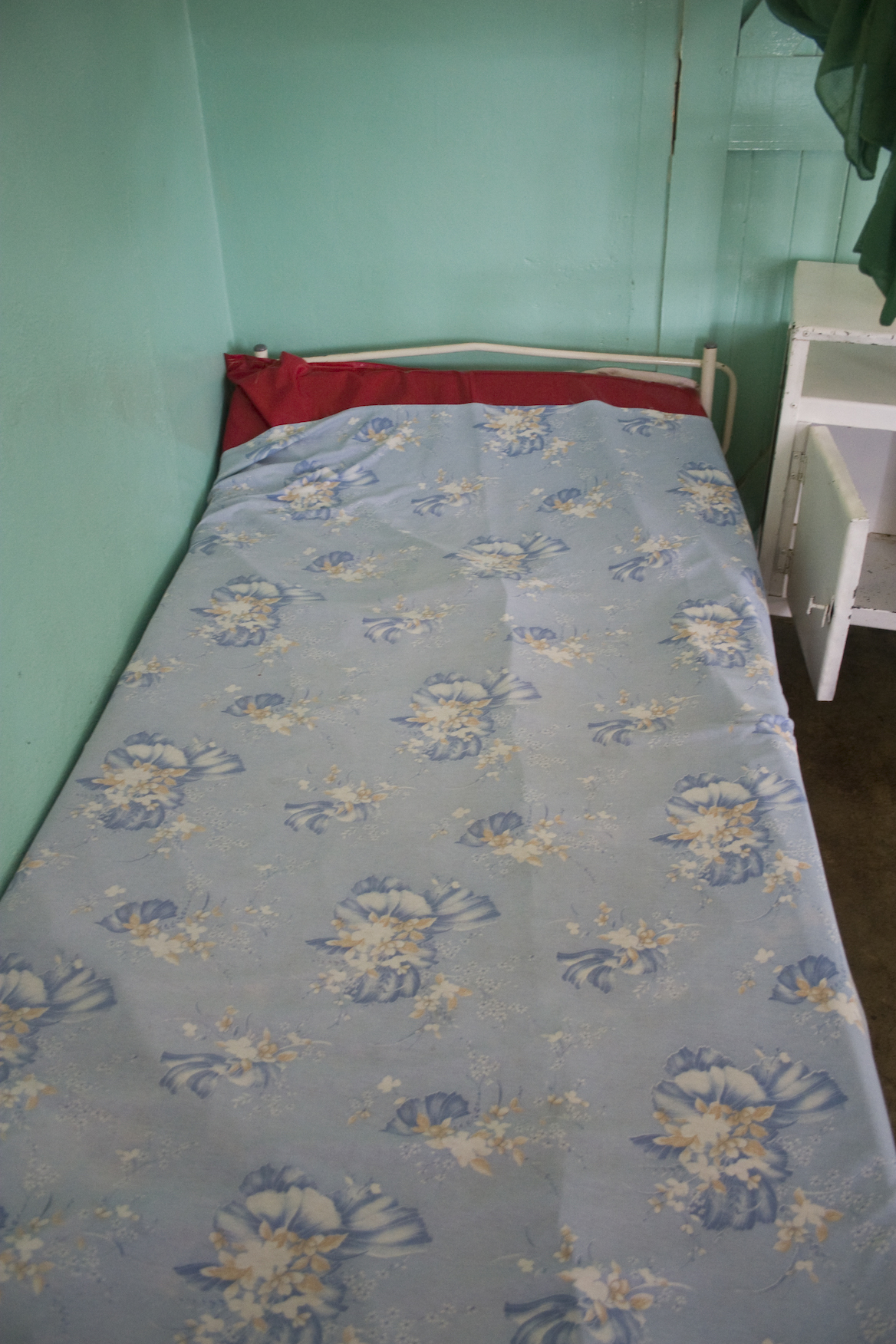
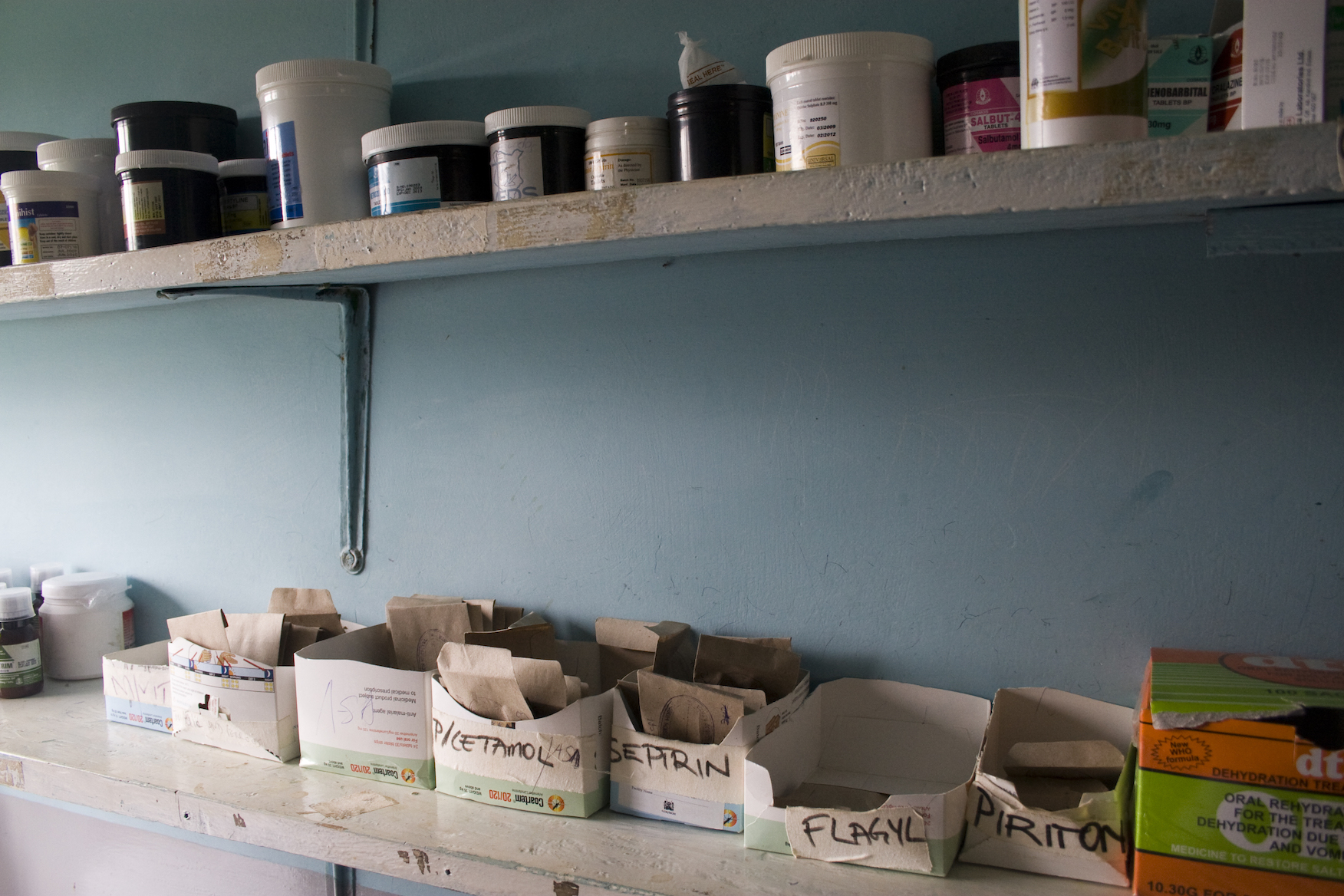
Me, one of my goals to is ensure that remote medical clinics have access to water, latrines and hand washing facilities. It’s high on our 3 year goal.

bed

Every life is precious no matter where they are born. For me, I’m getting to enjoy my short time with Isabella Rose and find inspiration every time I look at her to help other children across East Africa have a great start in life.

drugs